Content last revised on September 10, 2026
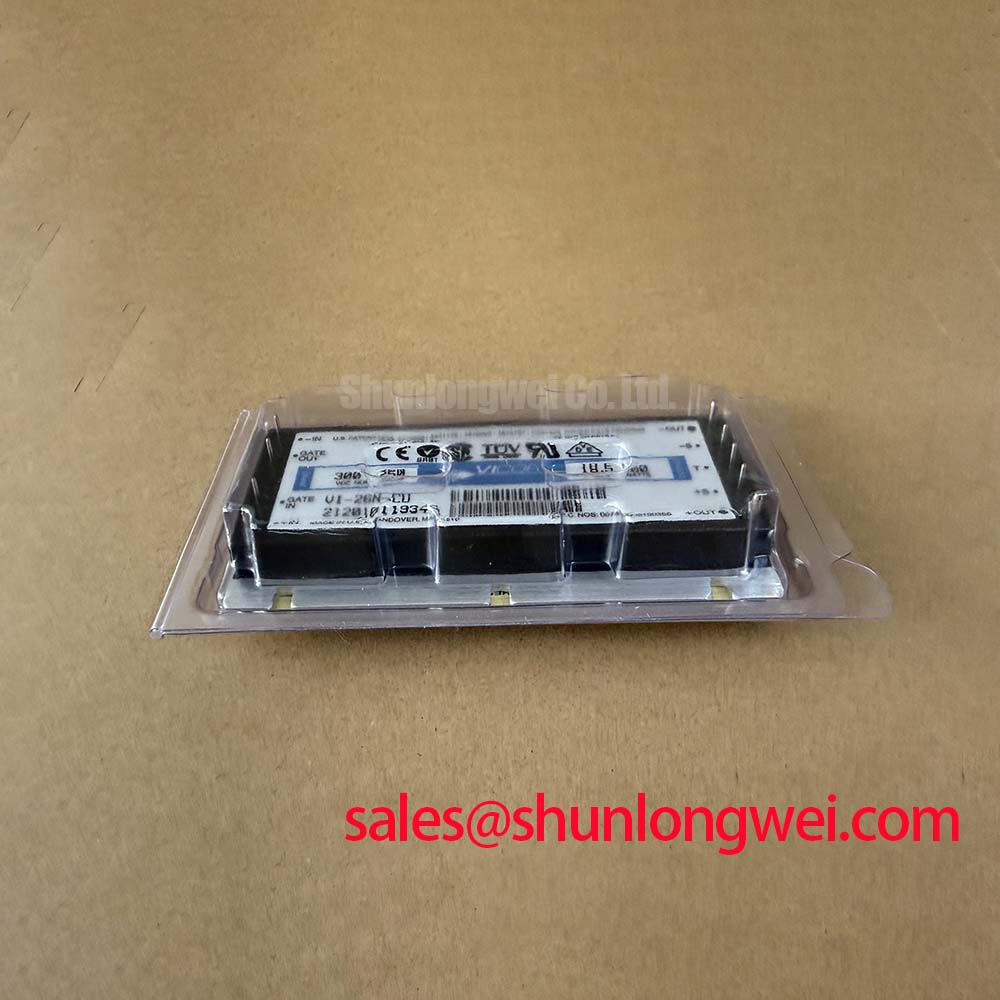
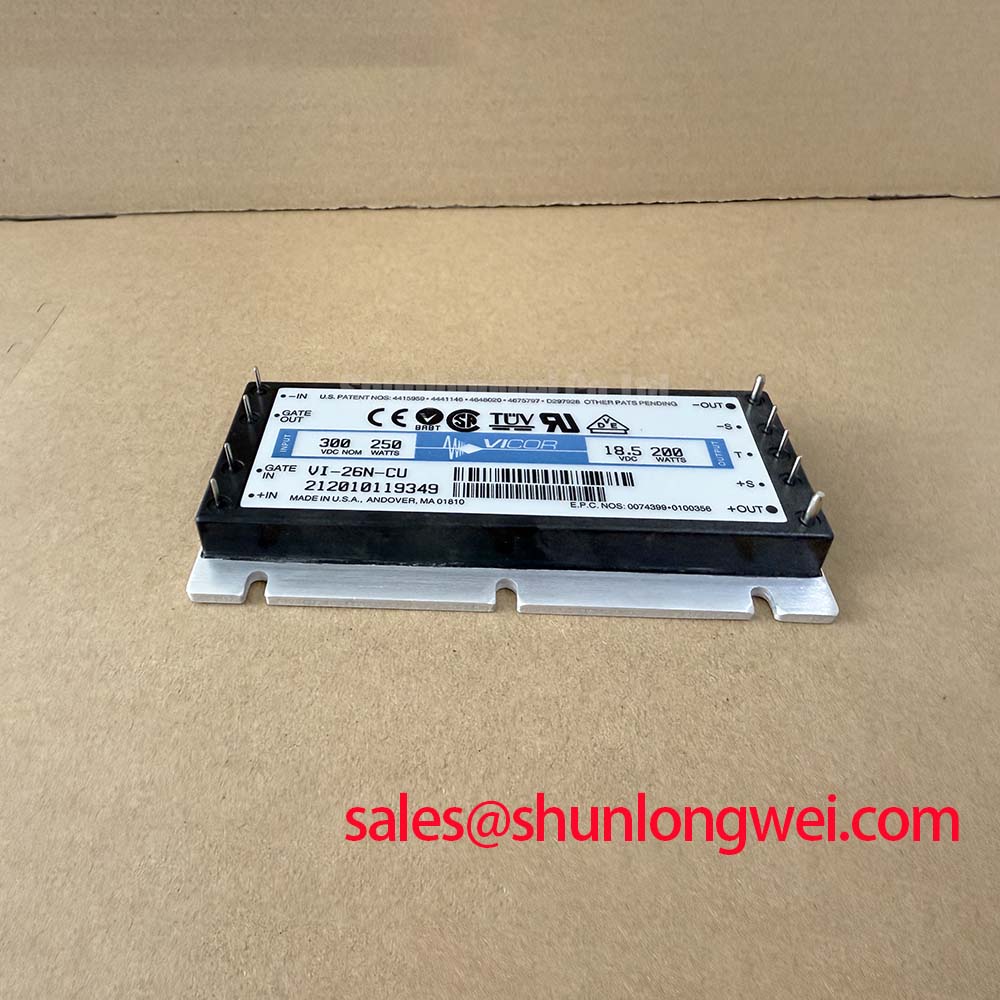
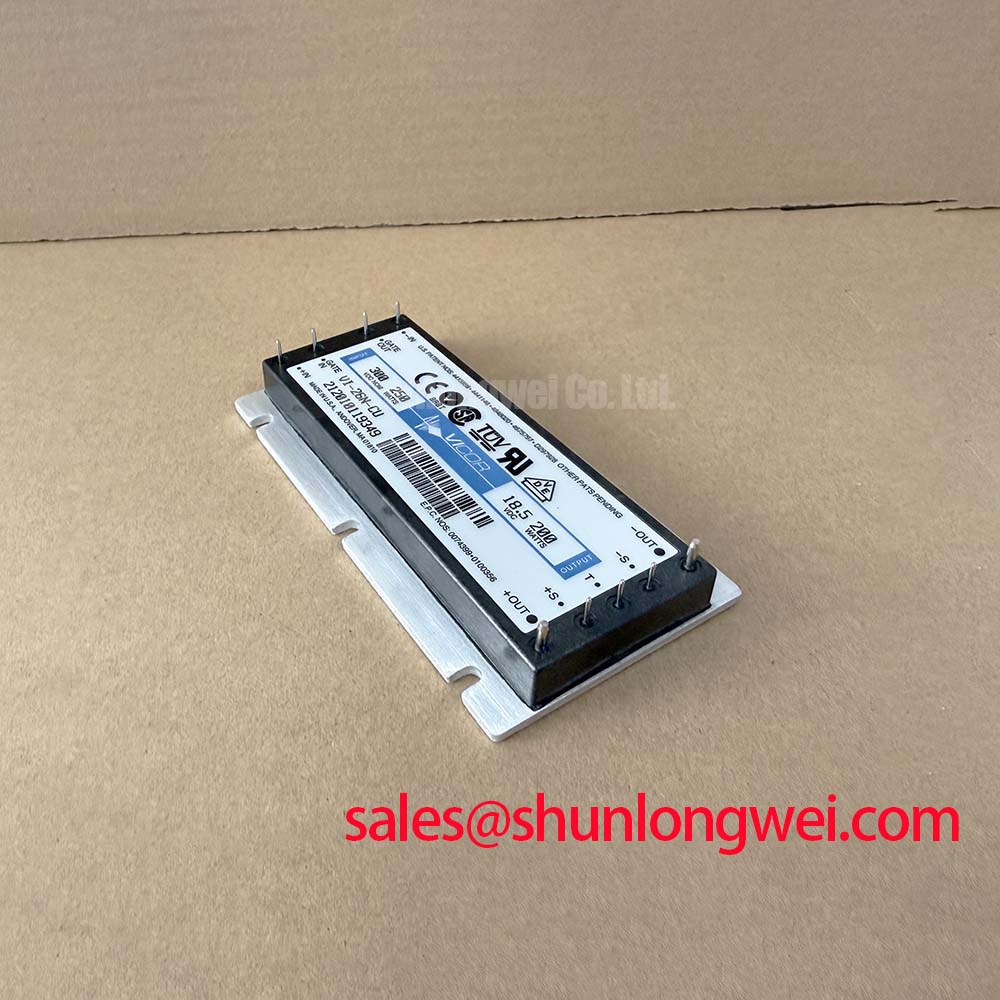
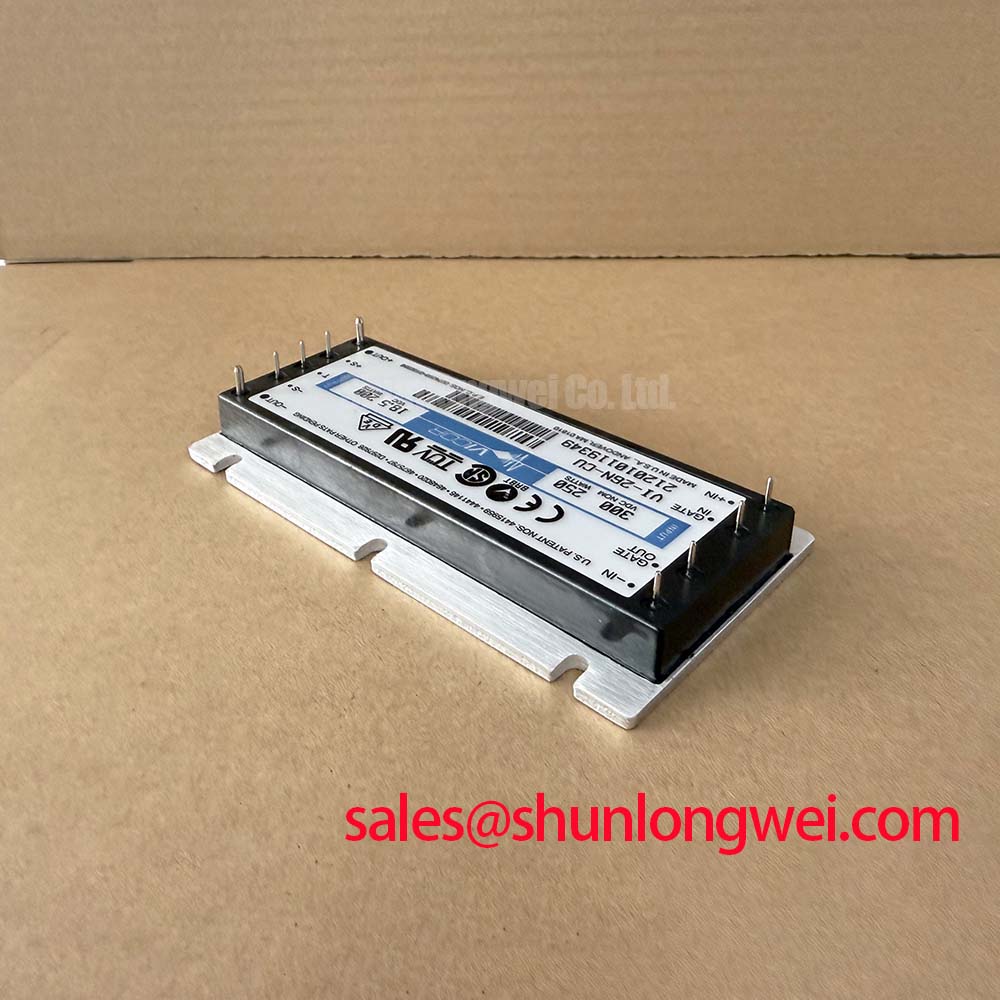
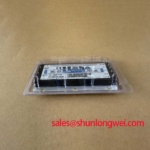
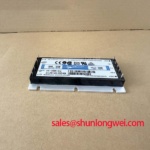
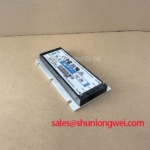
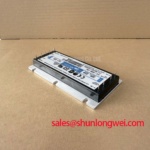
VI-26N-CU Vicor Power Module: 300V to 18.5V DC-DC Converter
Delivering robust isolated power conversion, the VI-26N-CU provides exceptional thermal management and electrical stability for demanding industrial applications. Core specifications include a 300V (200–400V) DC input, an 18.5V 10.81A output, and 3kV isolation. This component minimizes printed circuit board footprint and accelerates system deployment. Why is the VI-26N-CU uniquely suited for tight enclosures? Its integrated full-brick packaging maximizes conductive heat transfer. For 300V industrial power systems prioritizing footprint reduction, this 200W module is the optimal choice.
Application Scenarios & Value
Achieving System-Level Stability in Space-Constrained Equipment
Engineers often face severe spatial and thermal limitations when designing advanced hardware, such as a medical HMI or automated test equipment. The Vicor VI-26N-CU directly resolves this tension by efficiently stepping down a fluctuating 200–400V DC bus to a highly regulated 18.5V DC. Outputting up to 200W, this converter serves as an ideal intermediate bus architecture component.
In applications like a high-reliability UPS auxiliary power stage or a ruggedized telecom SMPS, maintaining electrical isolation is critical. The built-in 3kV isolation prevents dangerous high-voltage spikes from propagating to sensitive downstream microcontrollers. Furthermore, the 116.8mm x 61.0mm x 12.7mm dimensions allow seamless integration into low-profile racks. While this module efficiently manages the auxiliary DC supply, for systems requiring heavy-duty motor traction stages, the related CM200DY-24A provides a robust high-current IGBT alternative.
Technical Deep Dive
Decoding the Full-Brick Architecture for Enhanced Thermal Reliability
The internal topology of the VI-26N-CU relies on high-frequency zero-current switching to minimize dynamic losses and enhance overall conversion efficiency. This architecture drastically reduces the electromagnetic interference typically associated with hard-switched converters. Think of the zero-current switching mechanism as seamlessly passing a baton in a relay race exactly when both runners match speeds, effectively eliminating the jarring impact and wasted kinetic energy.
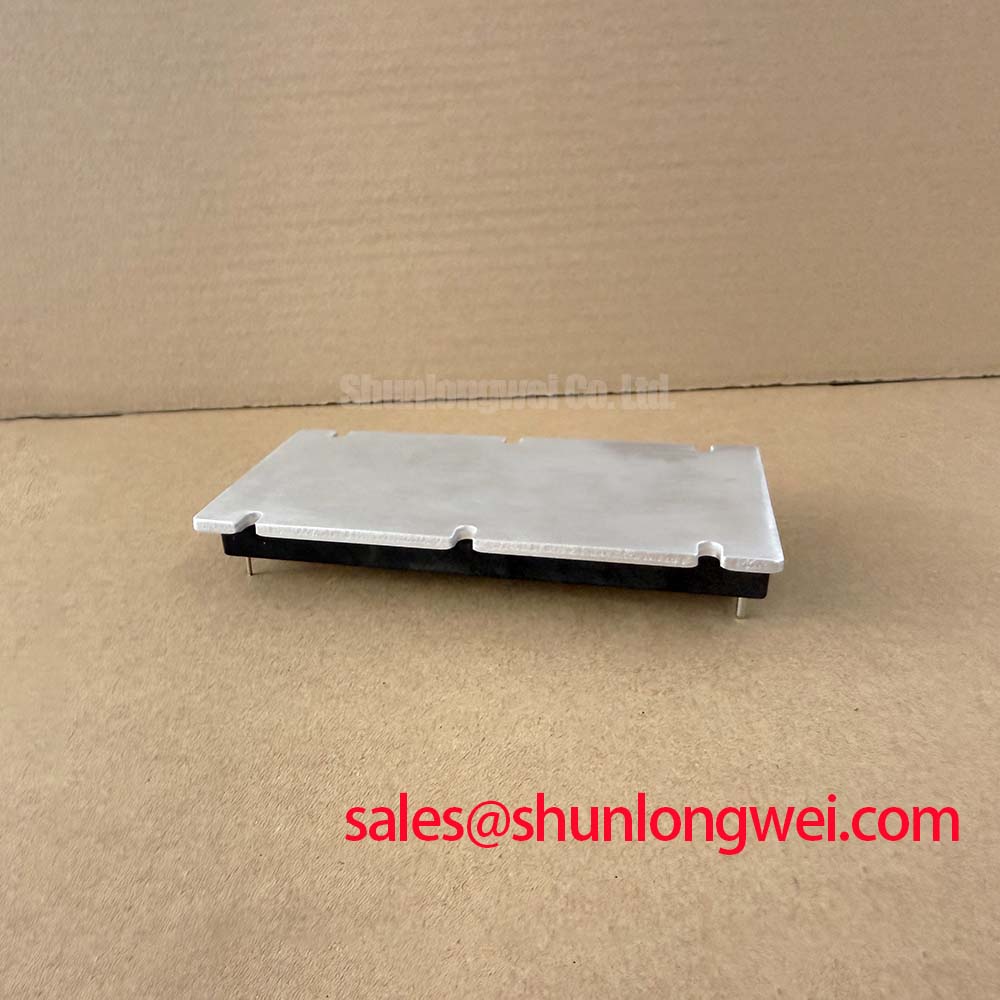
Beyond switching efficiency, the physical construction prioritizes heat dissipation. The entire module is potted within a standard full-brick casing. This solid baseplate acts like a thermal superhighway, rapidly transporting heat away from the sensitive internal silicon directly to the external heat sink. This lowers the junction temperature of internal components, drastically improving the Mean Time Between Failures. By integrating comprehensive fault safeguards—including overcurrent, overvoltage, short-circuit, and overtemperature protection—the module actively defends itself against transient anomalies. The Safe Operating Area is strictly enforced by this internal logic, preventing catastrophic system downtime.
Key Parameter Overview
Specification Breakdown & Engineering Value
Understanding the core parameters helps engineers optimize the surrounding thermal design and electrical safety margins.
| Parameter | Specification | Engineering Interpretation |
|---|---|---|
| Input Voltage Range | 200–400V DC | Accommodates significant voltage sags and surges on industrial 300V nominal buses. |
| Output Voltage | 18.5V DC | Provides a non-standard intermediate voltage perfect for specialized logic circuits. |
| Maximum Output Power | 200W (10.81A) | Delivers high current density in a confined footprint for demanding peripheral devices. |
| Isolation Voltage | 3kV | Ensures stringent galvanic separation between primary high-voltage lines and secondary controls. |
| Operating Temperature | -25°C to 85°C | The 'C' grade rating ensures stable operation across varying indoor commercial environments. |
Download the VI-26N-CU datasheet for detailed specifications and performance curves.
Field Engineer FAQ
Addressing Common Integration and Performance Queries
- What makes the 200–400V DC input range of the VI-26N-CU highly advantageous?
This broad input tolerance allows the module to maintain a steady 18.5V DC output even if the primary grid experiences significant fluctuations, ensuring continuous operation for sensitive loads. - How does the 3kV isolation rating protect system integrity?
The galvanic isolation acts as an impenetrable electrical barrier, ensuring that primary-side surges or ground loops cannot damage low-voltage secondary components. - Does the 200W VI-26N-CU require an external heat sink?
Yes. Although it operates at high efficiency, delivering 200W means generating measurable waste heat. Proper mounting to an aluminum heat sink is mandatory for continuous full-load operation. - Which built-in protection mechanisms safeguard this converter?
It features an autonomous suite of overcurrent, overvoltage, overtemperature, and short-circuit protections that safely shut down the output to prevent hardware damage during faults. - Can this 116.8mm x 61.0mm x 12.7mm full-brick module be paralleled for higher power?
The standard VI-26N-CU is generally used as a standalone supply. Paralleling typically requires specialized booster modules or external current-sharing circuitry to prevent uneven load distribution.
From an integration standpoint, relying on a fully encapsulated DC-DC converter like the Vicor VI-26N-CU dramatically simplifies the printed circuit board layout. By offloading the complex high-frequency switching and isolation tasks to a pre-certified module, hardware engineers can dedicate their focus to optimizing the overall system architecture and exploring advanced failure analysis methodologies.