



Content last revised on September 18, 2026
Cold Start Verification for the Sharp LJ64AU34
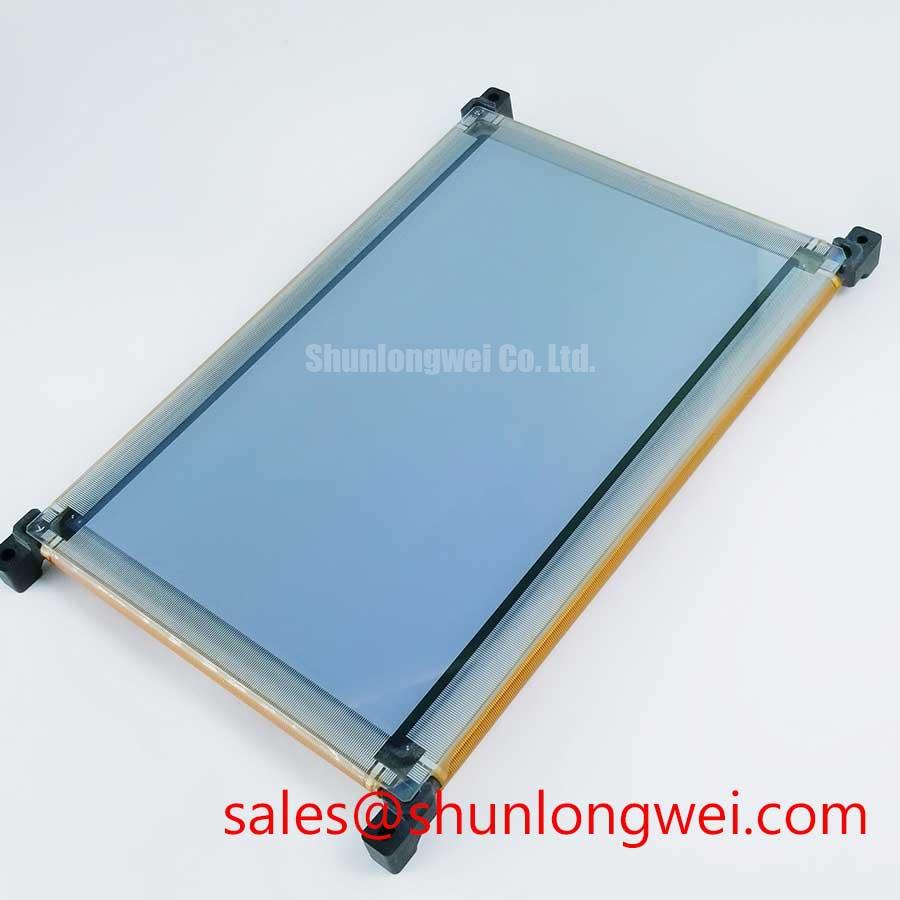
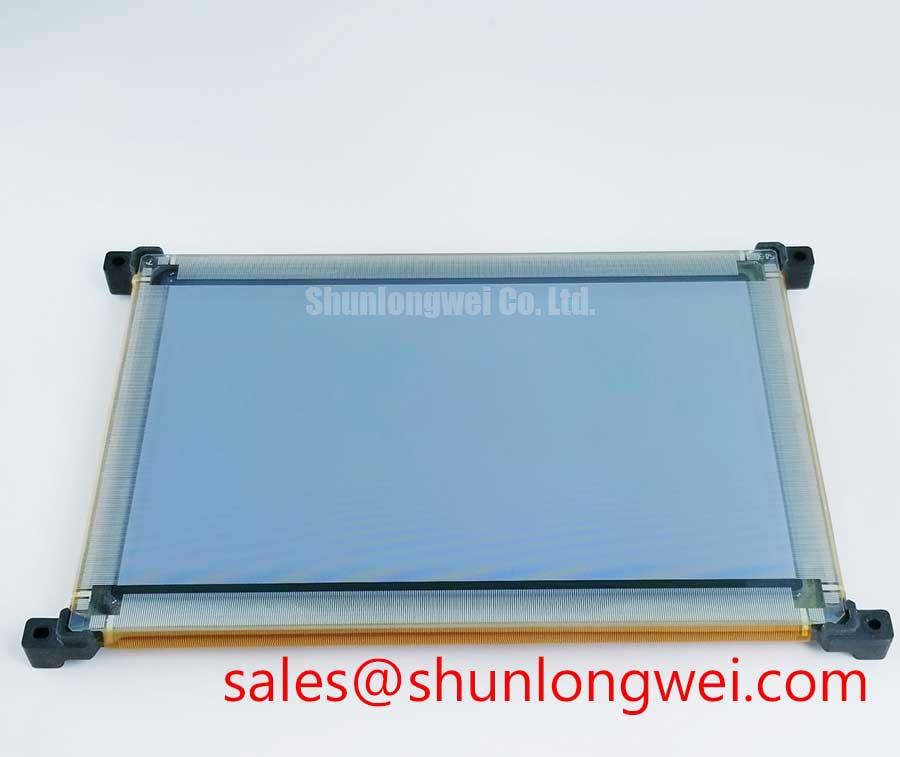
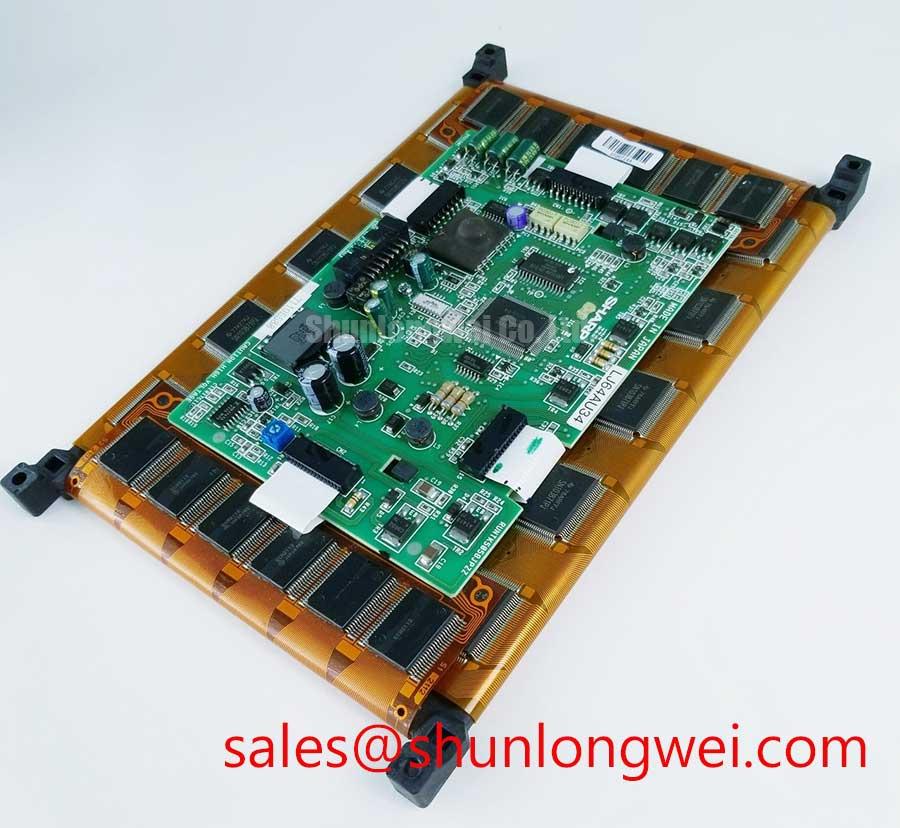
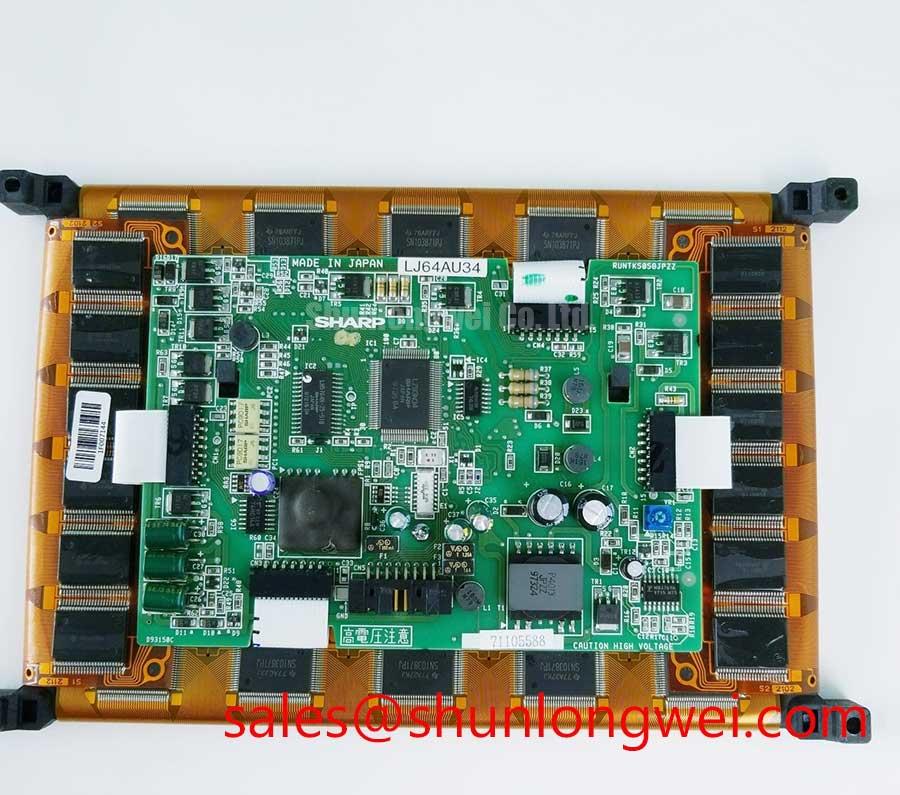
Begin a replacement inspection by comparing the installed panel label with LJ64AU34, checking the connector position, examining the display frame for distortion, and recording the original host system settings before power is applied. The supplied product identity is Sharp LJ64AU34, classified as an Industrial Grade LCD/HMI Panel with a TFT LCD Display Module construction. These are the available official factory specifications for this product listing; the panel interface, supply voltage, optical ratings, dimensions, timing data, and environmental limits should be verified against the original Sharp documentation for the exact equipment revision.
Cold start behavior should be evaluated at the complete display assembly level rather than attributed to the LCD module alone. Liquid crystal response can change with temperature, while the controller board, cable assembly, backlight circuit, and enclosure can introduce additional delay or image instability. A slow gray transition, temporary image retention, or uneven startup may indicate a system timing, temperature, supply, or signal integrity condition. Compare the suspected panel with a known good signal path and monitor the display supply and video interface during startup.
The proposed operating range of minus 30 degrees Celsius to plus 85 degrees Celsius, the stated gray to gray response behavior, and any perimeter sealing performance are not included in the official factory data supplied for this listing. They must not be treated as confirmed ratings for LJ64AU34. For a cold environment, designers should verify the original panel specification, the enclosure thermal profile, and the temperature capability of the host controller before approving the replacement.
A marine radar or navigation bridge console can expose a display assembly to condensation, salt laden air, vibration, and repeated power cycling. That application is suitable only as a compatibility assessment example. The integrator should confirm sealing, coating, connector protection, viewing requirements, and the host equipment approval conditions independently. Sharp’s official display information can be reviewed through the Sharp Display Solutions Official Portal.
Do not infer a backlight lifetime, brightness half life, or MTBF value from the model designation. No such numerical reliability data is provided here as an official specification. If the original equipment uses a constant current backlight driver, verify the driver output, enable behavior, dimming method, and thermal conditions against the replacement panel documentation. A claimed 50,000 hour value or an L70 or B50 result requires a documented source and must not be assigned to this model without one.
Edge Lighting, Thermal Paths, and Mechanical Preservation
Inspect the display opening before installation. Dust, a compressed gasket, uneven bezel pressure, and a twisted mounting frame can transfer stress into the panel assembly. Any installation method should distribute mechanical load evenly and preserve the original clearance around the display. Local pressure may appear as bright spots, dark areas, nonuniformity, or image change when the bezel is tightened. These symptoms can also arise from signal or optical faults, so the diagnosis should be confirmed through comparison with the panel removed from mechanical pressure.
The official information supplied identifies LJ64AU34 as a TFT LCD Display Module, but it does not confirm the use of a particular edge rail, PMMA light guide plate, LED arrangement, optical adhesive, or high brightness rating. Those internal construction details should not be assumed. When the original unit uses an edge lit assembly, the replacement evaluation should include the existing heat path, driver compatibility, frame clearance, and the temperature measured at the display perimeter during normal operation.
Backlight control is a system matter. The host board may use a dedicated enable signal, analog control, pulse width modulation, or another method, depending on the equipment design. The required method and electrical levels must be verified from the original panel documentation. Do not connect an unconfirmed dimming or enable signal solely because the connector appears mechanically compatible.
High speed differential routing also requires evidence from the source documentation. A nominal 100 ohm differential target, skew limit, JEIDA mapping, or VESA mapping must not be presented as a confirmed specification for LJ64AU34 unless it is stated by Sharp for the exact revision. The system integrator should identify the interface standard, cable pinout, termination arrangement, and controller timing before energizing the assembly. If the image is split, unstable, or absent, compare the clock and data signals with a known good panel and inspect the flex cable for insertion or contact damage.
The related LQ10D321 may be considered as a separate display solution or peripheral reference during a system level review. It should not be treated as an automatic companion or electrical substitute for the Sharp panel. The host schematic remains the controlling document for backlight power, video signaling, and control wiring.
Maintenance Note: Check the cabinet airflow path and the condition of the display gasket during scheduled service so heat, dust, and moisture are not allowed to accumulate around the panel assembly.
PWM Noise, EMI Control, and Driver Compatibility
Audible noise or visible flicker in an industrial display should be investigated across the complete power and control chain. The LCD module listing does not confirm a CCFL ignition circuit, an LED driver topology, a PWM frequency, a dimming ratio, or a particular acoustic behavior. Do not assign the historical backlight characteristics of another Sharp model to LJ64AU34. First identify whether the installed equipment uses an integrated driver, an external driver board, or a controller supplied by the machine builder.
When a host system uses pulse width modulation, the integrator should verify the permitted input type, logic threshold, frequency range, duty cycle behavior, and startup state from the original display documentation. If flicker appears only at certain brightness settings, observe the control waveform and the supply rail with appropriate measurement equipment. If a buzzing sound is present, inspect the driver board, magnetic components, mounting points, and enclosure resonance rather than treating the LCD glass as the confirmed source.
Factory equipment can couple switching noise into the display through the supply return, backlight wiring, chassis, and video cable. A practical design consideration is to separate high current switching loops from sensitive display signal paths and to maintain a controlled return path. The final arrangement should be validated through conducted and radiated measurements on the complete machine. A display module does not independently establish compliance with CISPR, EN 55011, or any other system EMC requirement.
Power protection also belongs to the host design. A metal oxide varistor, input filtering, clamping network, or transient suppressor may be evaluated by the system engineer where the equipment environment requires it, but the correct device rating and coordination depend on the actual source, wiring, energy, and protection architecture. The presence of a protective network does not confirm that LJ64AU34 itself contains overvoltage protection.
The same boundary applies to battery powered equipment. A bidirectional DC to DC converter can create repeated thermal and electrical stress during charge and discharge cycles. The converter, battery, grounding arrangement, and display supply should be assessed as a system. No battery cycle life, converter endurance, or thermal life figure is assigned to this Sharp display module without an applicable source.
Optocouplers and digital isolators can be used elsewhere in an industrial controller to manage common mode transients, but their CMTI rating does not describe the LCD panel. Verify the isolation component, gate or logic driver, grounding strategy, and cable shield termination at the controller level. A display communication fault may result from power sequencing, common mode movement, cable routing, or controller configuration, so test the complete signal path before replacing the panel again.
For additional background on interface selection, optical considerations, and industrial TFT integration, consult The Ultimate Guide to Industrial TFT LCD Technology. The guide can support engineering review, but the exact Sharp documentation remains the authority for model specific limits.
Flex Cable Routing and Replacement Approval
Before fitting the replacement, photograph the original cable orientation and mark the display side and controller side. Confirm connector keying, contact count, latch position, cable bend direction, and the mechanical clearance behind the bezel. A panel with the same broad category may still use a different electrical interface or timing arrangement. For that reason, LJ64AU34 should be approved only after the original host documentation and the replacement documentation agree.
Power sequencing deserves a measurement rather than an assumption. The system integrator should verify the required logic supply voltage from the original panel documentation, then observe the rise time, enable order, reset behavior, and video clock startup with the panel connected. The supplied product information does not confirm a 3.3 volt supply, a 5 volt supply, a specific rise time, or a fixed startup window for this model. Those values must not be inferred from the connector or from another TFT module.
Route the flex cable without sharp folds, abrasion, compression, or contact with hot switching components. Keep the high speed path away from noisy power inductors and switching nodes where the cabinet layout permits. If intermittent artifacts occur after mechanical installation, repeat the test with the bezel pressure relieved and compare the waveform at the controller and panel ends. This helps distinguish mechanical contact issues from impedance discontinuity, timing mismatch, or power disturbance without assigning a single cause prematurely.
For a same size or resolution review, LM057QC1T08 can be recorded as a separate candidate for comparison. It is not an automatic replacement for LJ64AU34. Engineers should compare active area, mounting geometry, connector definition, interface mapping, backlight requirements, timing, viewing requirements, and environmental limits before any substitution decision.
During final approval, operate the assembly through cold start, normal warm operation, brightness changes, controller resets, and the equipment’s expected vibration and enclosure conditions. Record the panel identity, host board revision, cable part number, measured supply behavior, and observed image quality in the maintenance file. This documentation supports repeatable service work without treating unverified electrical or environmental values as official Sharp specifications.

