Content last revised on September 10, 2026
FZ3600R12HP4 Infineon 1200V 3600A IGBT Module: Engineering Insights
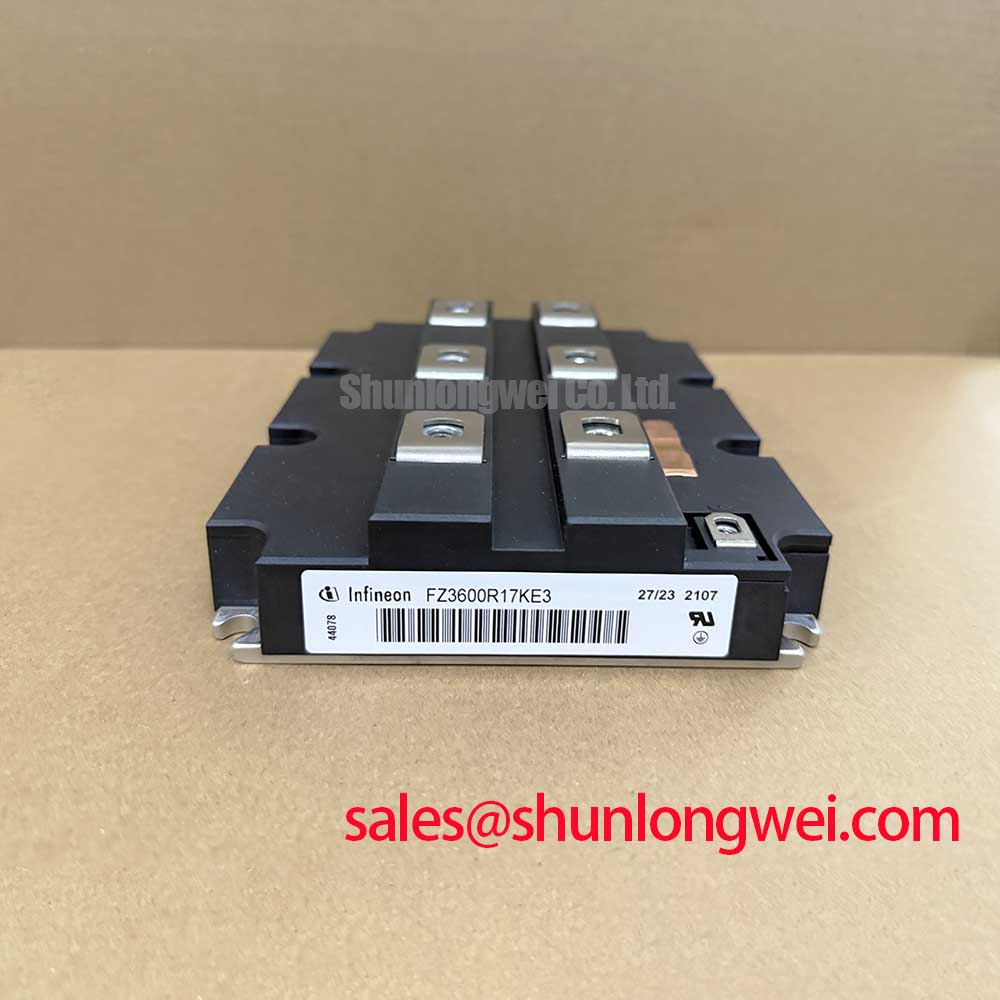
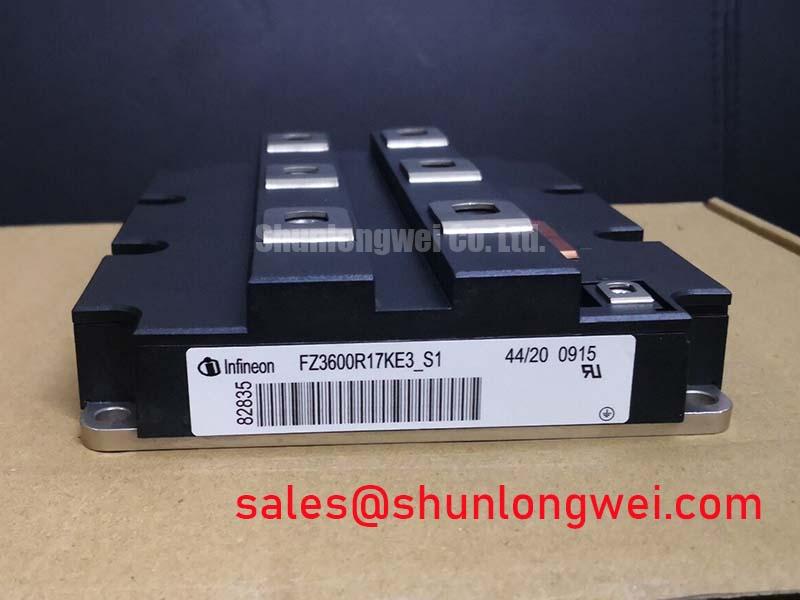
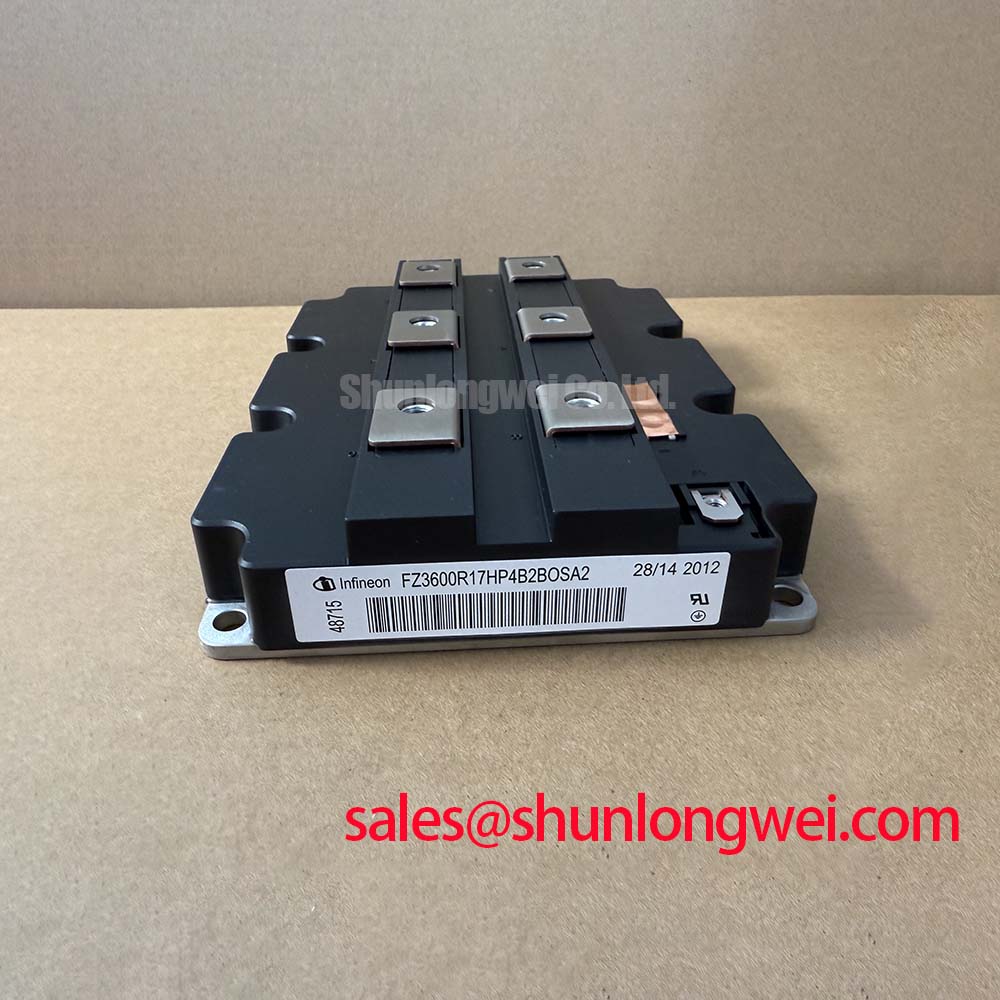
How can engineers achieve stable megawatt-level power conversion in environments where cabinet space is at a premium and thermal stress is constant? For high-power systems, managing 3600A of collector current requires more than just raw capacity; it demands a module designed for thermal robustness and switching efficiency. The FZ3600R12HP4, part of the Infineon IHM-B series, addresses these challenges by integrating TRENCHSTOP™ IGBT4 technology with a high-performance Emitter Controlled 4 diode.
For systems prioritizing thermal margin, this 1200V module provides the optimal balance of current density and long-term reliability. As a professional distributor, we focus on providing the technical clarity required for OEM engineers to evaluate high-power IGBT modules without commercial bias.
Frequently Asked Questions
Addressing Critical Engineering Inquiries for High-Power Modules
How does the Tvj op of 150°C specifically affect system-level cooling requirements for the FZ3600R12HP4?
The extended operating temperature of 150°C allows for a higher thermal headroom compared to older generations limited to 125°C. This allows engineers to either push higher current densities through the same heatsink or reduce the size and cost of the cooling system while maintaining the same 3600A throughput. Effectively, it shifts the thermal bottleneck further, allowing for more compact converter designs.
What is the significance of the 10µs short-circuit withstand time in the context of industrial motor drives?
A 10µs withstand time at 150°C provides a critical safety buffer for gate driver protection circuits to detect and react to fault conditions. In megawatt-scale motor drives, this duration is essential for preventing catastrophic module failure during phase-to-phase or phase-to-ground faults, ensuring the reliability of the entire power stack.
Why is the IHM-B package footprint preferred for megawatt-scale parallel configurations?
The 190mm footprint of the IHM-B package is a global industry standard for high-power traction and wind applications. It allows for optimized busbar routing and balanced current sharing when paralleling multiple FZ3600R12HP4 units to achieve total system currents exceeding 10,000A. The mechanical design minimizes parasitic inductance, which is vital for controlling voltage overshoots during high-speed switching of such large currents.
Key Parameter Overview
Technical Specifications for Enhanced System Design
| Technical Specification | Value / Rating | Engineering Impact |
|---|---|---|
| Collector-Emitter Voltage (Vces) | 1200V | Ideal for 400V–690V AC line applications. |
| Continuous DC Collector Current (Ic) | 3600A (at Tc=100°C) | High current density for megawatt-scale converters. |
| Maximum Junction Temperature (Tvj op) | 150°C | Increased power cycling and thermal robustness. |
| Vce(sat) (Collector-Emitter Saturation) | 1.70V (Typical) | Reduces conduction losses in high-duty cycle loads. |
| Short Circuit Withstand Time (tsc) | 10µs | Robust protection margin for industrial drives. |
Download the FZ3600R12HP4 datasheet for detailed specifications and performance curves.
Technical Deep Dive
A Closer Look at Trenchstop 4 Technology and High-Power Packaging
The FZ3600R12HP4 utilizes Infineon TRENCHSTOP™ IGBT4 technology, which significantly reduces the Vce(sat) to approximately 1.70V. Think of the 3600A current capability like a high-volume industrial aqueduct compared to standard household plumbing; it requires specialized containment (the IHM-B package) to prevent thermal stress from compromising the system. By minimizing conduction losses, the module improves overall thermal performance in high-power central inverters.
The internal Emitter Controlled 4 diode is optimized for low reverse recovery charge, which directly mitigates electromagnetic interference (EMI) and reduces switching stresses. This combination of trench gate structure and advanced diode technology is housed in the IHM-B 190mm package, which features an AlSiC (Aluminum Silicon Carbide) baseplate. This material choice is critical as it closely matches the thermal expansion coefficient of the silicon and ceramic substrate, greatly enhancing power cycling capability in harsh industrial cycles.
Application Scenarios & Value
Achieving System-Level Benefits in High-Power Conversion
The FZ3600R12HP4 is specifically engineered for heavy-duty industrial and renewable energy sectors. Engineers often face the challenge of designing wind turbine converters that must withstand unpredictable load fluctuations. With its 1200V rating and 3600A peak handling, this module ensures stability in the generator-side converter of a multi-megawatt wind turbine.
- Wind Energy: Central converters for onshore and offshore turbines requiring high power density and moisture resistance.
- Traction & Rail: Main propulsion inverters for locomotives where space is limited and vibration resistance is mandatory.
- Solar Inverters: Utility-scale central inverters operating at 1000V DC bus levels.
- Industrial Drives: Heavy industry motor controls (e.g., mining or steel mills) where high starting torques demand massive current surges.
While this module is a flagship for high-current applications, systems requiring lower current handling may find the FZ2400R12HP4 or FZ1200R12KF5 more suited for mid-range power blocks. For even higher voltage environments, consider the FZ3600R17HE4 which offers a 1700V capability.
Strategically, the FZ3600R12HP4 represents a mature, high-reliability solution for the global transition toward high-efficiency energy systems. Its compatibility with existing IHM footprints ensures that engineers can upgrade system capacity without redesigning complex mechanical busbar architectures, future-proofing infrastructure against increasing power demands.