
Content last revised on August 28, 2026
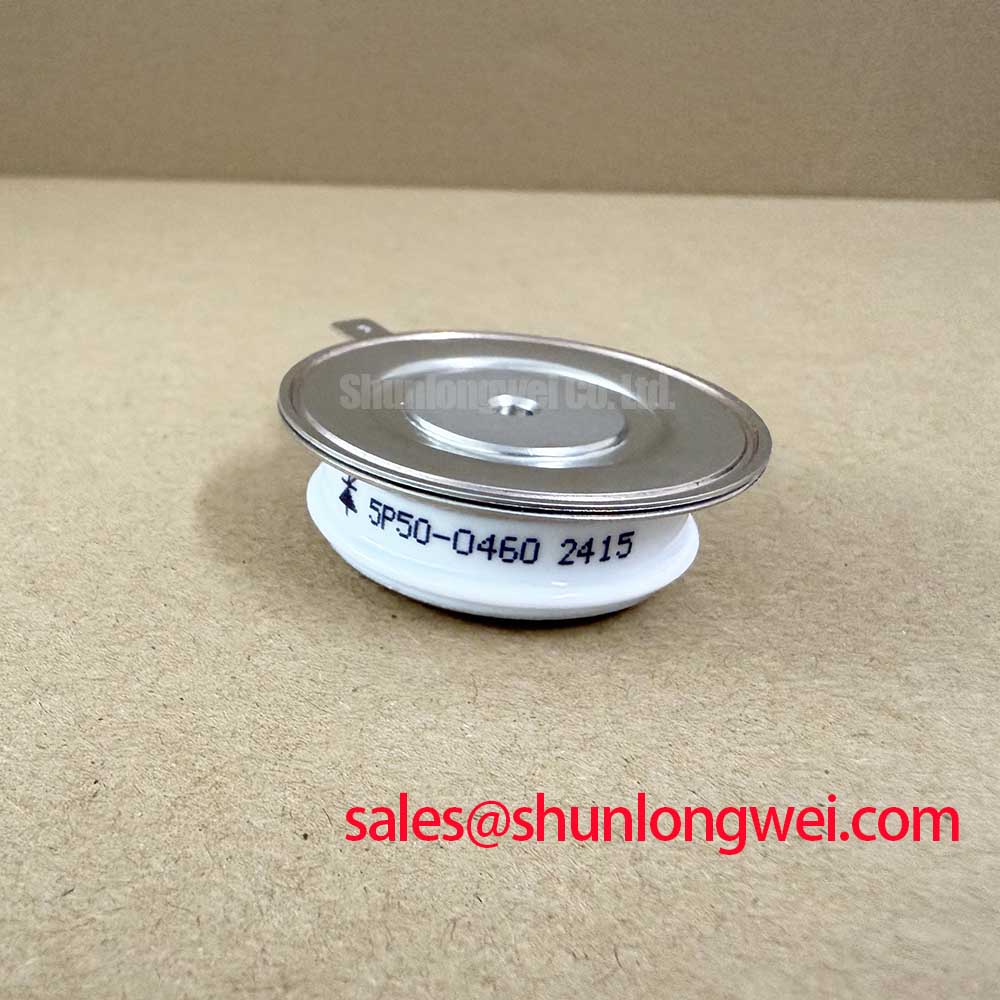
Optimizing Outdoor HMI Visibility with the 5P50-0460 Industrial Display
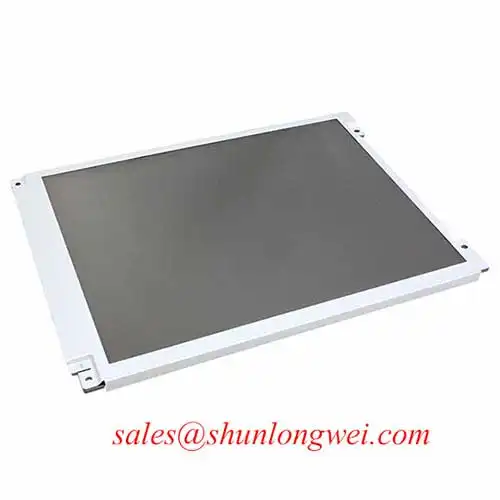
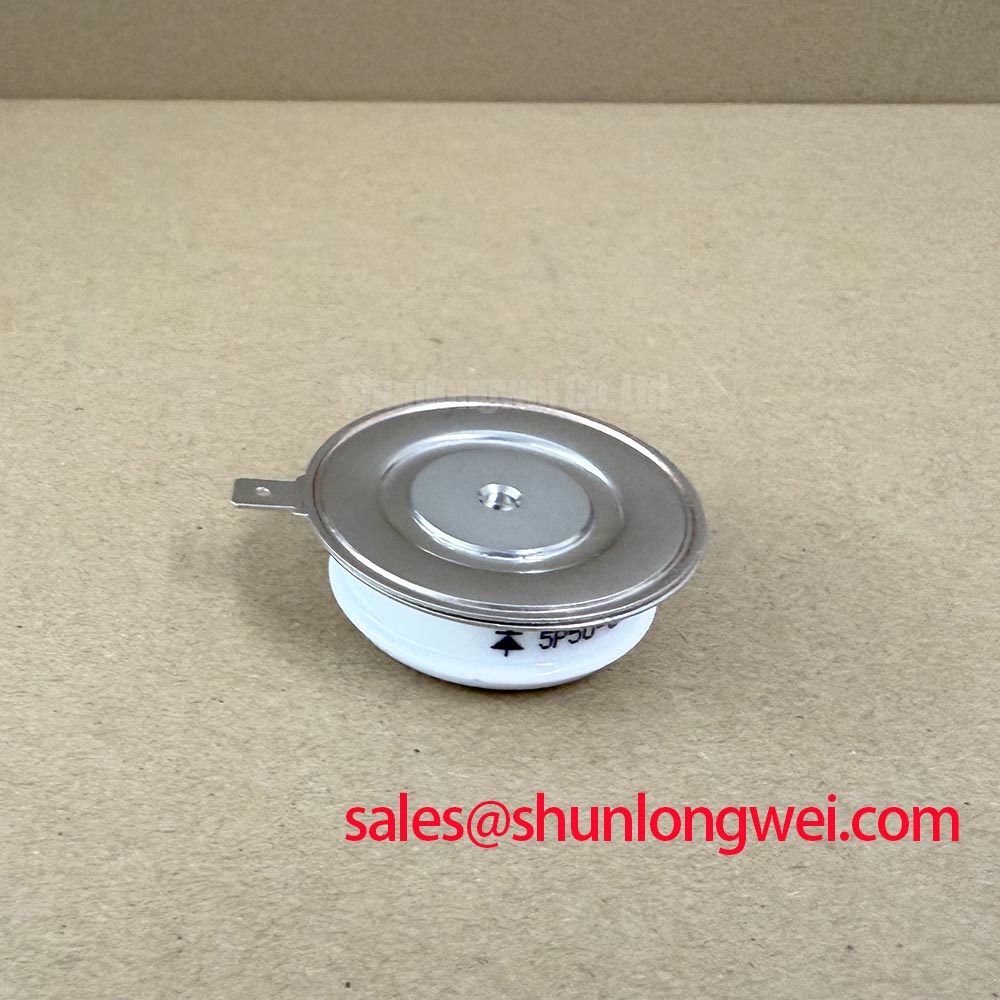
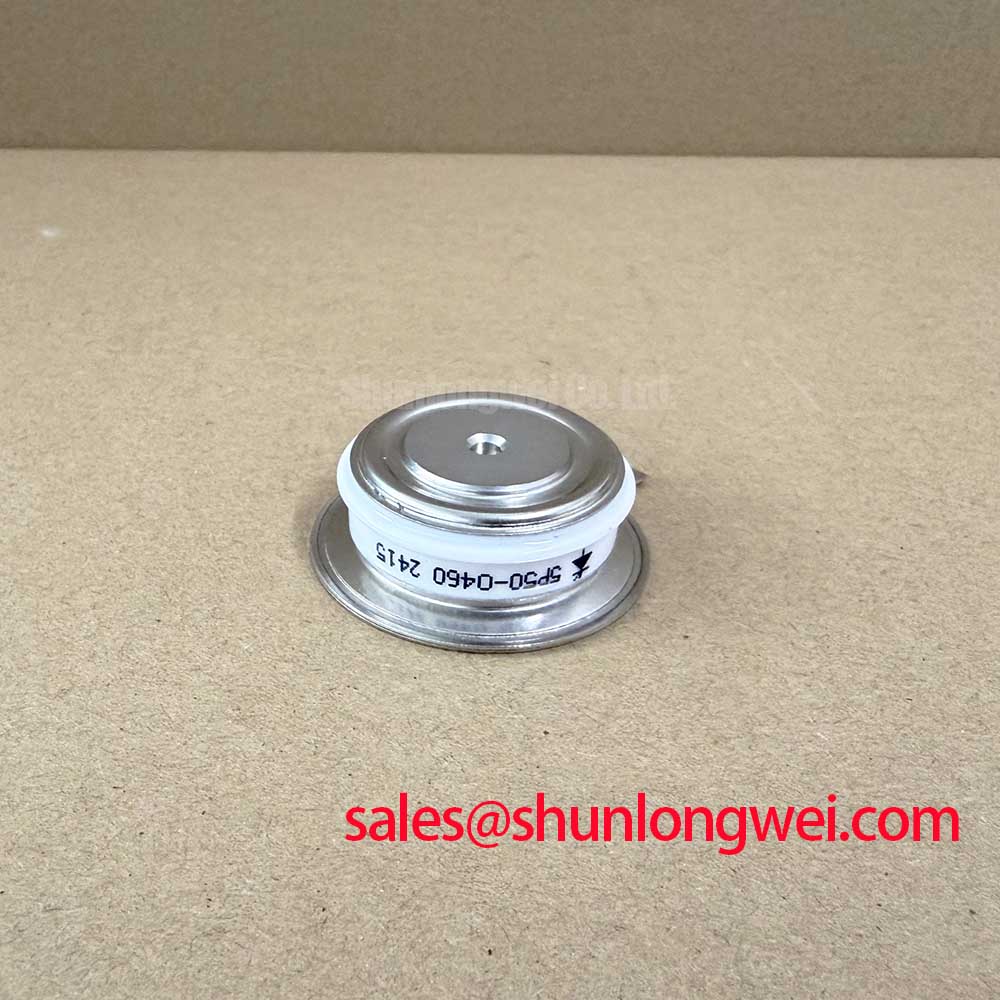
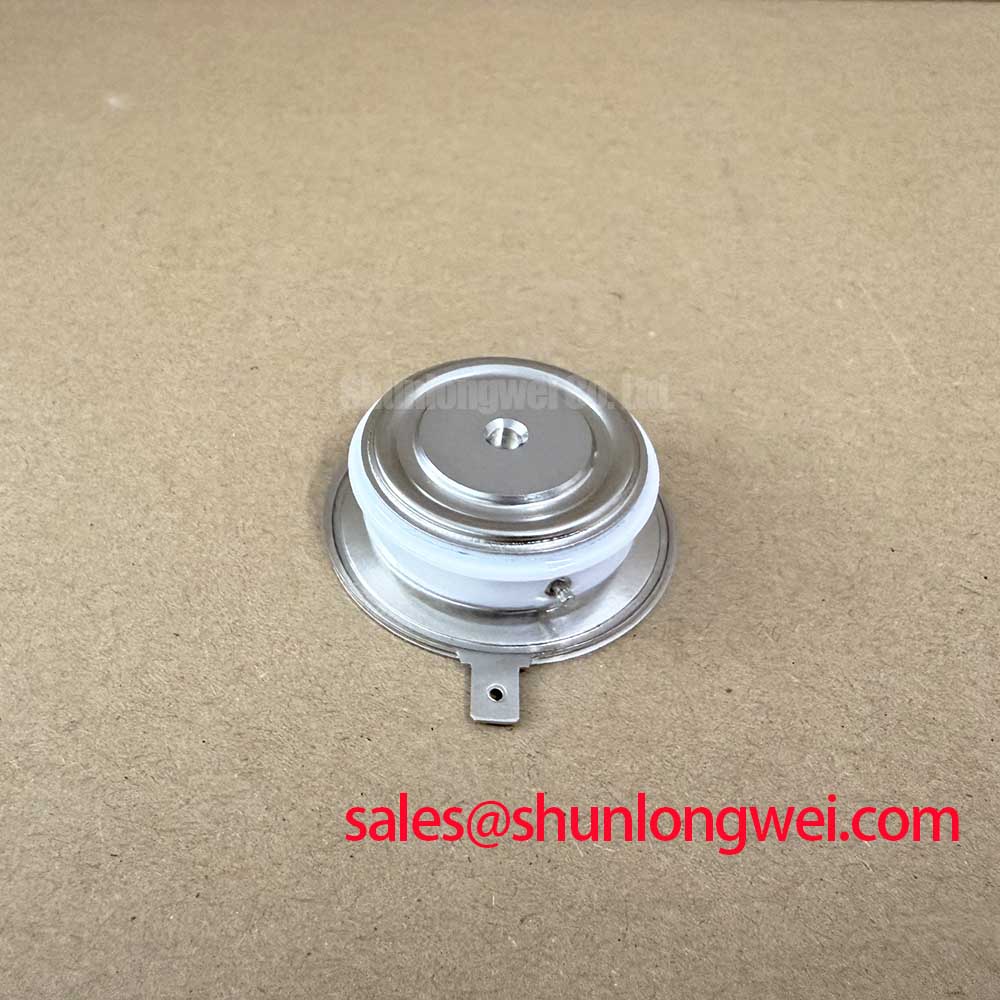
The 5P50-0460 is a high-performance 5.0-inch TFT-LCD module engineered for superior sunlight readability and thermal resilience in rugged industrial environments.
800x480 WVGA | 1000 cd/m² Brightness | -30°C to +80°C Operating Range
This industrial-grade display solves the critical challenge of screen washout in high-ambient light environments while maintaining consistent optical performance across extreme temperature fluctuations. For engineers prioritizing long-term reliability in compact control interfaces, the 5P50-0460 provides a robust, high-contrast solution without the thermal overhead typical of high-nit consumer panels. For 5.0-inch systems requiring high-brightness WVGA performance, this Kyocera module is the optimal choice.
Application Scenarios & Value
Achieving System-Level Benefits in High-Frequency Power Conversion
Engineers often face the challenge of display degradation and poor visibility when deploying HMIs in outdoor or high-heat environments, such as electric vehicle charging stations or maritime navigation consoles. A common failure mode in these applications is "blackout" or contrast loss when the panel is exposed to direct solar radiation. The 5P50-0460 addresses this through its integrated high-efficiency LED backlight, delivering 1000 cd/m² of luminance, which ensures the display remains legible even under 10,000 lux conditions.
In the context of public transit systems or heavy machinery, the display must withstand vibration and significant temperature swings. The wide operating temperature of -30°C to +80°C eliminates the need for complex active cooling or heating sub-systems, reducing the total cost of ownership (TCO). When compared to larger modules like the LB070WV3-SH01, the 5P50-0460 offers a more compact footprint for space-constrained industrial HMI designs without sacrificing the 800x480 resolution required for detailed graphical telemetry. This makes it an essential component for all-weather clarity in public transit and outdoor infrastructure.
Technical Deep Dive
A Closer Look at the Thermal Management and LVDS Signal Integrity
The internal architecture of the 5P50-0460 utilizes a-Si TFT technology optimized for low power consumption despite its high brightness. By minimizing internal heat generation, the module prevents the "isotropic transition" (where the liquid crystal turns into a clear liquid) that often plagues lower-grade panels in sun-drenched locations. This thermal headroom is critical for maintaining the 70:1 contrast ratio throughout the life of the display.
Furthermore, the LVDS interface is designed to mitigate electromagnetic interference (EMI), which is often a concern in industrial cabinets housing high-power IGBT Modules. The differential signaling of the LVDS ensures that graphical data remains crisp and free from artifacts even when the display is situated near switching power supplies. Understanding these TFT-LCD basics for industrial applications is vital for ensuring that the chosen display can handle the electrical noise of a modern automated factory.
Key Parameter Overview
Decoding the Specs for Enhanced Thermal Reliability
| Technical Parameter | Specification Value | Engineering Significance |
|---|---|---|
| Screen Size | 5.0-inch (Diagonal) | Ideal for handheld diagnostic tools and compact HMI consoles. |
| Native Resolution | 800 x 480 (WVGA) | Provides high pixel density for sharp text and complex vector graphics. |
| Luminance | 1000 cd/m² (Nits) | Classified as "sunlight readable," crucial for outdoor visibility. |
| Operating Temp | -30°C to +80°C | Ensures cold-start capability and prevents thermal shutdown in enclosures. |
| Interface Type | LVDS (Low Voltage Differential Signaling) | Reduces EMI and simplifies wiring in high-density electronic assemblies. |
Download the 5P50-0460 datasheet for detailed specifications and performance curves.
Frequently Asked Questions
How does the 1000 cd/m² brightness of the 5P50-0460 impact the power budget of a battery-operated device?
While 1000 nits is energy-intensive, the high-efficiency LED drivers in this module allow for PWM dimming. Engineers can implement ambient light sensors to scale brightness, significantly extending battery life while maintaining visibility when needed.
What are the primary benefits of the LVDS interface in the 5P50-0460 for industrial environments?
The LVDS interface provides high-speed data transmission with low power consumption and high noise immunity. This is essential in industrial settings where the display is often located near motors or IGBT-based inverters that generate significant electrical noise.
Does the -30°C operating temperature require a dedicated heater for cold-weather startups?
No, the 5P50-0460 is designed to initialize and function at -30°C without an external heater. This reduces system complexity and prevents the lag or "ghosting" typically seen in consumer-grade TFT-LCD panels at low temperatures.
How does the WVGA resolution (800x480) affect the design of graphical user interfaces (GUIs) compared to standard VGA?
The 800x480 wide aspect ratio provides additional horizontal space, which is perfect for sidebar menus or status bars in industrial software, allowing for information-dense displays without overcrowding the central viewing area.
Is the 5P50-0460 compatible with resistive or capacitive touch overlays?
Yes, its mechanical structure is designed to support the integration of either RTP or PCAP touch panels. Engineers should account for a 10-15% reduction in effective luminance if a touch layer is added without high-transparency bonding.
From an engineering perspective, the 5P50-0460 represents a calculated balance between optical performance and environmental endurance. While consumer displays prioritize color gamut, this module prioritizes the consistency of the 800x480 image under the harshest deployment conditions. Its selection should be viewed as a strategic decision to minimize field failures and maximize operator efficiency in critical HMI applications.