

Content last revised on September 10, 2026
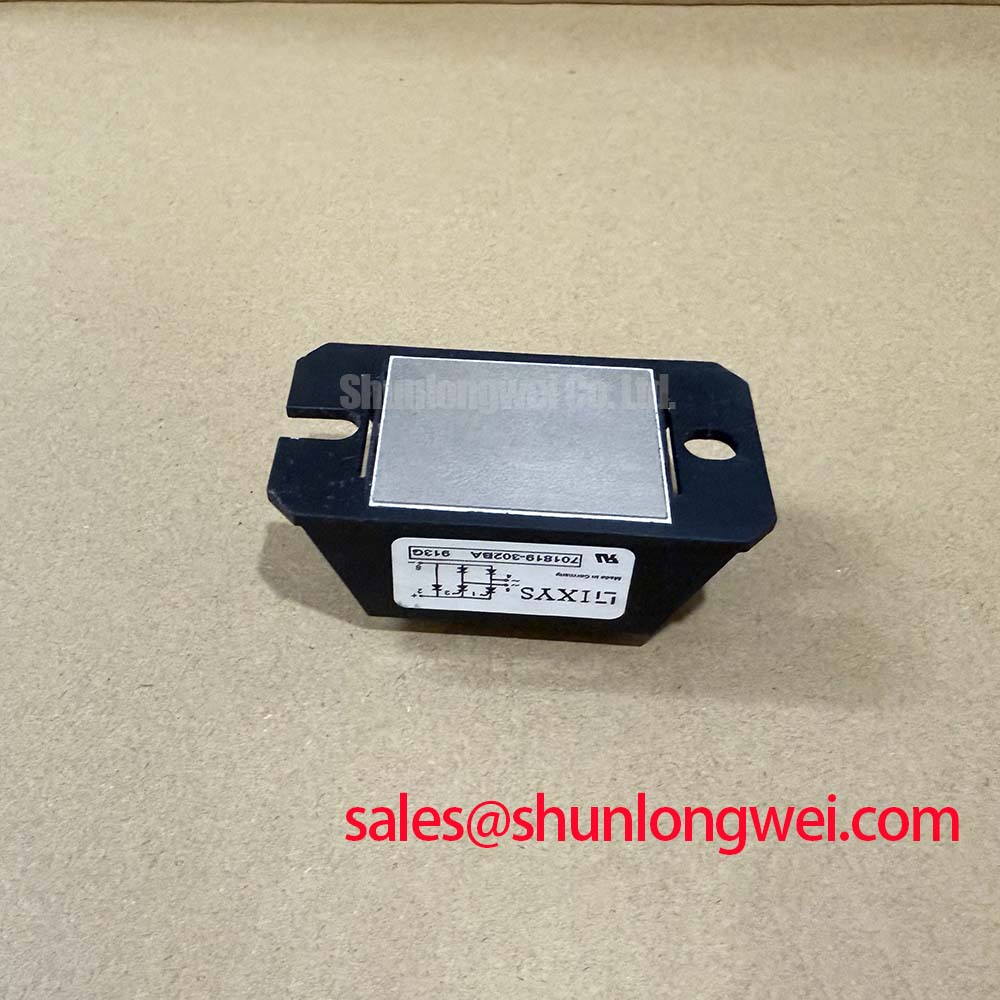
IXYS 701810-302BA IGBT Module: Technical Data & Reliability Analysis
An Engineering-Focused Overview of the 701810-302BA
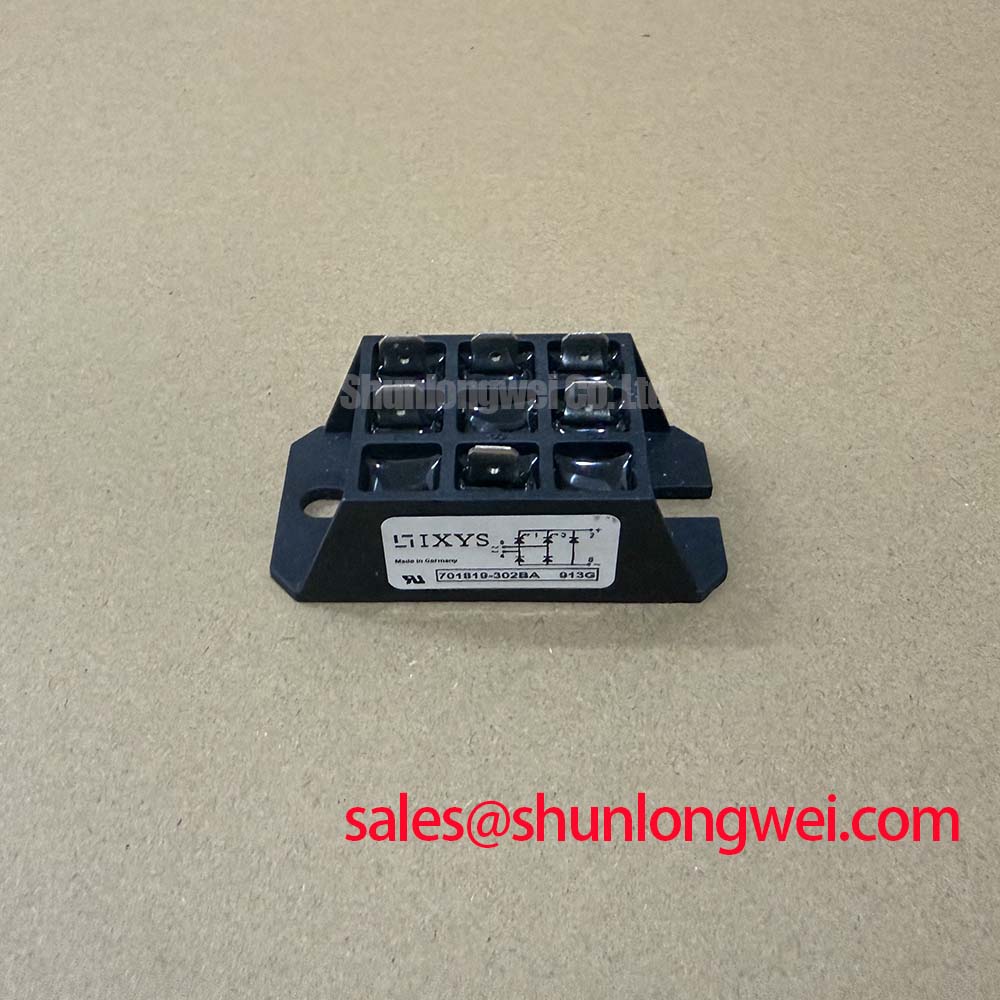
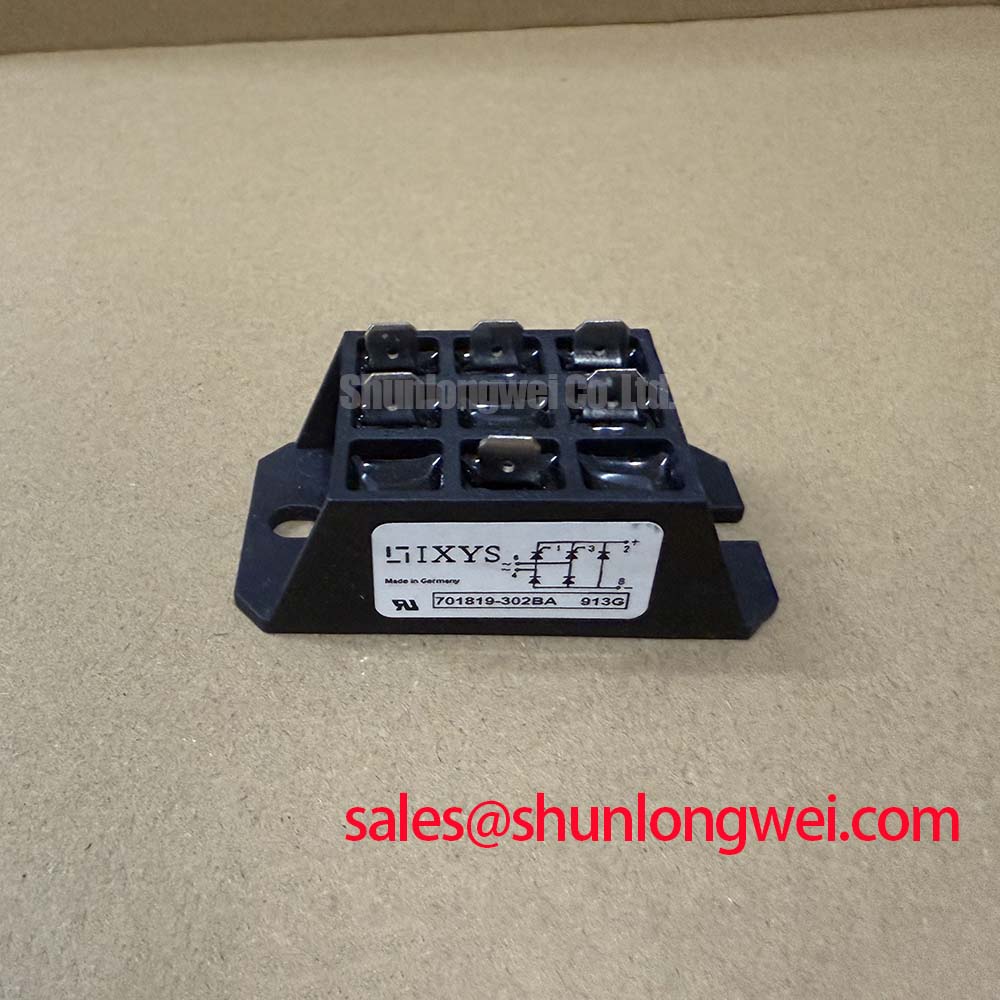
The IXYS 701810-302BA is a high-power, phase-leg IGBT module engineered for superior thermal management and operational longevity in demanding industrial power conversion systems. This device delivers a robust performance profile defined by key specifications of 1700V | 600A | Rth(j-c) 0.05 K/W. The primary engineering benefits include enhanced thermal headroom for reliable operation under heavy loads and a simplified thermal design path. For system designers, this module directly addresses the critical challenge of balancing high power output with long-term reliability in cyclic applications. Best suited for high-power industrial drives where thermal performance and durability under cyclic loads are the primary design drivers.
Application Scenarios & Value
System-Level Benefits in Industrial Drives and Renewable Energy Systems
The IXYS 701810-302BA is engineered for high-stress applications where both electrical performance and thermal endurance are paramount. Its robust design makes it a foundational component in systems such as high-power Variable Frequency Drives (VFDs), multi-megawatt wind turbine converters, and large-scale solar inverters.
Consider a VFD controlling a heavy-duty conveyor system. The frequent start, stop, and load variation cycles induce significant thermal stress on the power electronics. The 701810-302BA's excellent thermal impedance and inherent power cycling capability are critical in this scenario. They ensure that heat is efficiently extracted from the semiconductor junction, preventing thermal fatigue and extending the service life of the drive. This directly translates to increased system uptime and reduced maintenance costs. While this module excels in the high-power range, for mid-power applications requiring less current, the SKM300GA123D presents a different performance profile.
Key Parameter Overview
Decoding Key Specifications for Thermal and Electrical Robustness
The technical specifications of the IXYS 701810-302BA are indicative of its suitability for high-power, high-reliability applications. The following table highlights the critical parameters that design engineers should focus on during the component evaluation and system design phases.
| Parameter | Value |
| Collector-Emitter Voltage (VCES) | 1700 V |
| Continuous Collector Current (IC) @ Tc = 80°C | 600 A |
| Collector-Emitter Saturation Voltage (VCE(sat)) @ IC = 600A, Tj = 125°C | 2.1 V (Typ.) |
| Thermal Resistance, Junction-to-Case (Rth(j-c)) per IGBT | 0.05 K/W |
| Maximum Junction Temperature (Tjmax) | 150 °C |
| Isolation Voltage (Visol) | 4000 V~ |
| Package Type | Industry Standard High-Power Module |
Note: These parameters are representative. For complete details, always refer to the official datasheet.
Technical Deep Dive
A Closer Look at the Thermal Pathway for Enhanced System Reliability
A module's reliability is often dictated by its thermal design. The IXYS 701810-302BA leverages an advanced construction to minimize thermal bottlenecks between the IGBT chip and the system heatsink. This design typically incorporates an Aluminium Nitride (AlN) Direct Copper Bonded (DCB) substrate. Compared to conventional Alumina (Al2O3), AlN offers significantly higher thermal conductivity, playing a crucial role in the module's low Rth(j-c) value.
Think of Thermal Resistance like a bottleneck for highway traffic. A lower Rth(j-c) value is akin to a wider, multi-lane highway, allowing heat (the traffic) to flow away from the chip much faster. This prevents a "traffic jam" of thermal energy that would cause the junction temperature to rise to critical levels. This efficiency not only provides a greater safety margin but also simplifies the system's overall thermal management, potentially allowing for a smaller, more cost-effective heatsink design while meeting the stringent operational requirements of standards like IEC 61800-5-1 for power drive systems.
Frequently Asked Questions
Engineering Questions on Application and Integration
How does the module's low thermal resistance (Rth(j-c)) of 0.05 K/W directly impact system design and cost?
A low Rth(j-c) provides a more efficient path for heat to escape the semiconductor. This allows engineers to either push more power through the device at the same junction temperature or operate at a lower, more reliable temperature for the same power level. This thermal efficiency can lead to the selection of smaller, lighter, and less expensive heatsinks, reducing overall system size, weight, and bill-of-materials (BOM) cost.
What is the primary benefit of the 1700V rating in industrial applications?
The 1700V collector-emitter voltage provides a substantial safety margin for systems operating on 690V AC lines, which are common in heavy industrial settings. This high breakdown voltage is crucial for handling voltage overshoots caused by stray inductances during high-speed switching events, a key factor in preventing catastrophic IGBT failure and ensuring long-term system robustness.
Strategic Considerations for System Integration
Integrating a power component like the IXYS 701810-302BA is a strategic decision that impacts long-term system performance. Its foundation of thermal robustness allows designers to build power converters that are not only powerful but also resilient. As industries increasingly demand higher efficiency and uninterrupted operation, specifying modules with superior thermal pathways becomes less of an option and more of a necessity for future-proofing designs against both environmental and electrical stress.