



Content last revised on September 10, 2026
CM100DY-24A: Dual 1200V/100A IGBT Module for High-Reliability Power Conversion
Introduction to a Workhorse Component
Engineered for Durability and Efficiency in Demanding Switching Applications
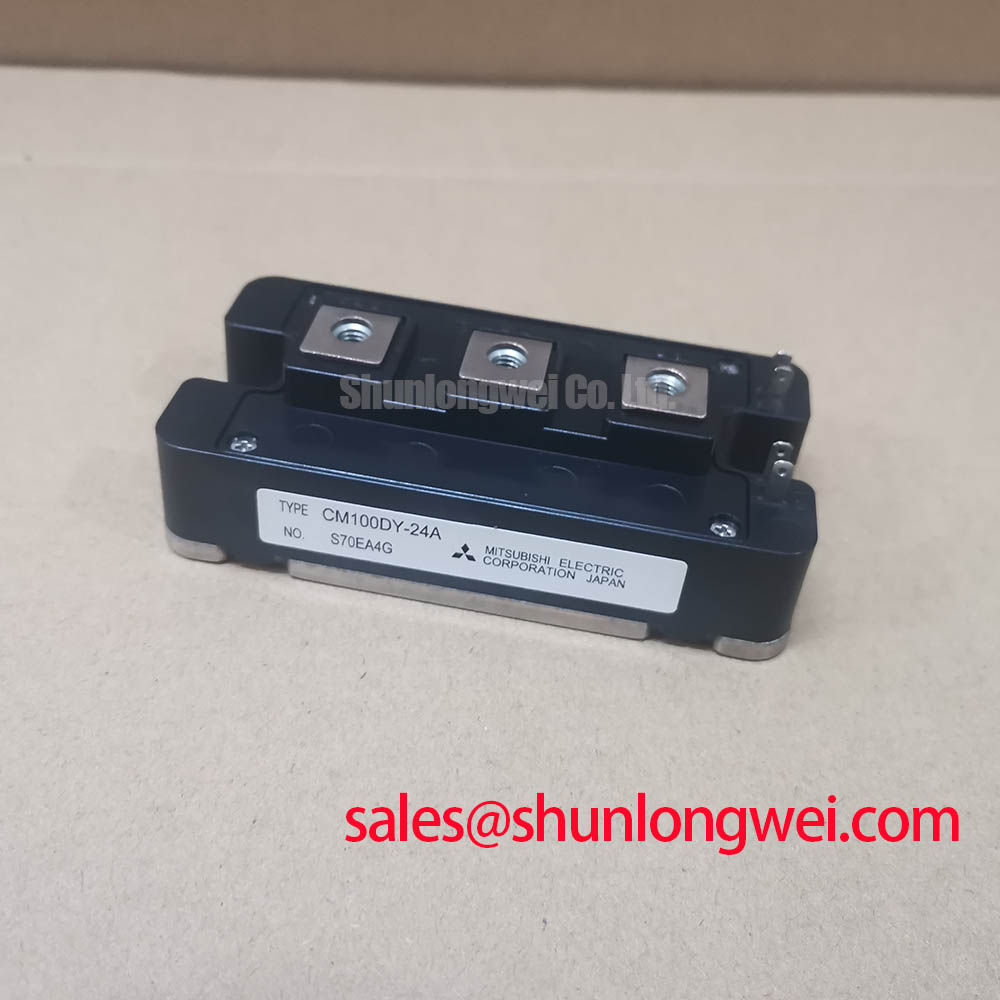
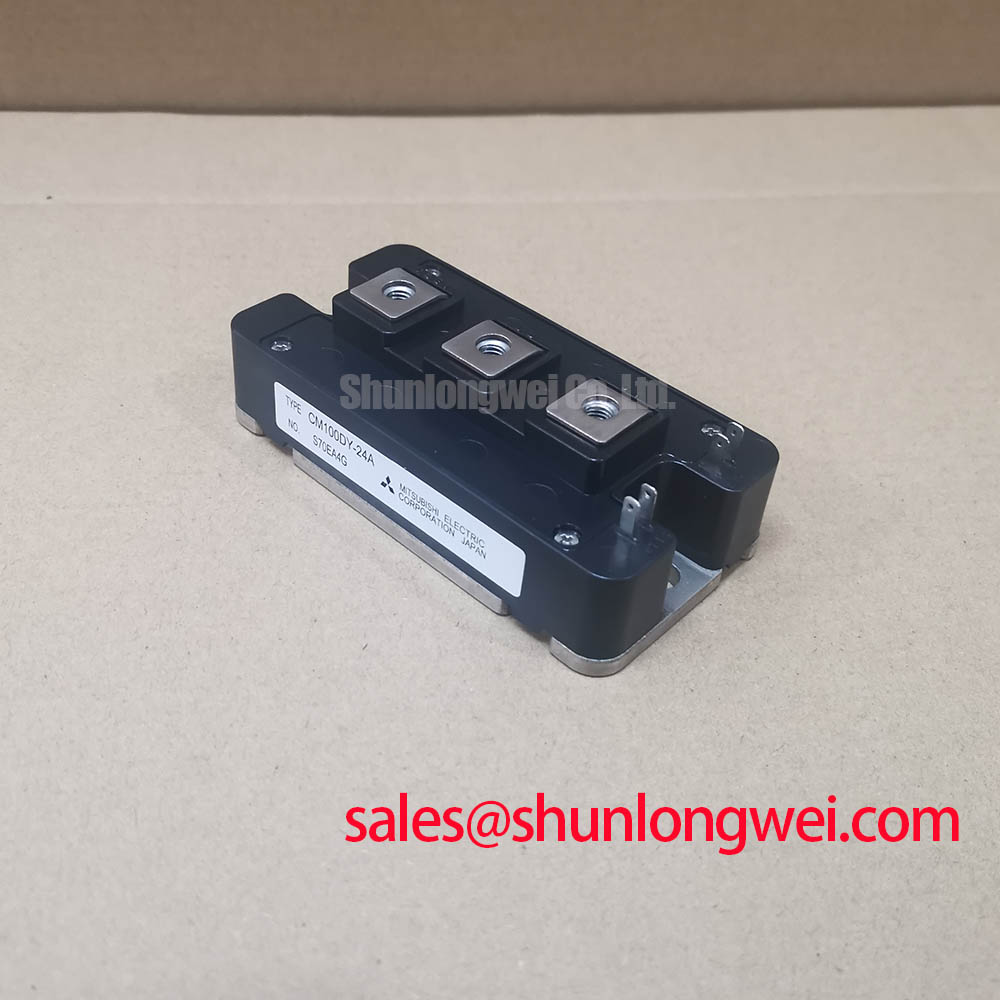
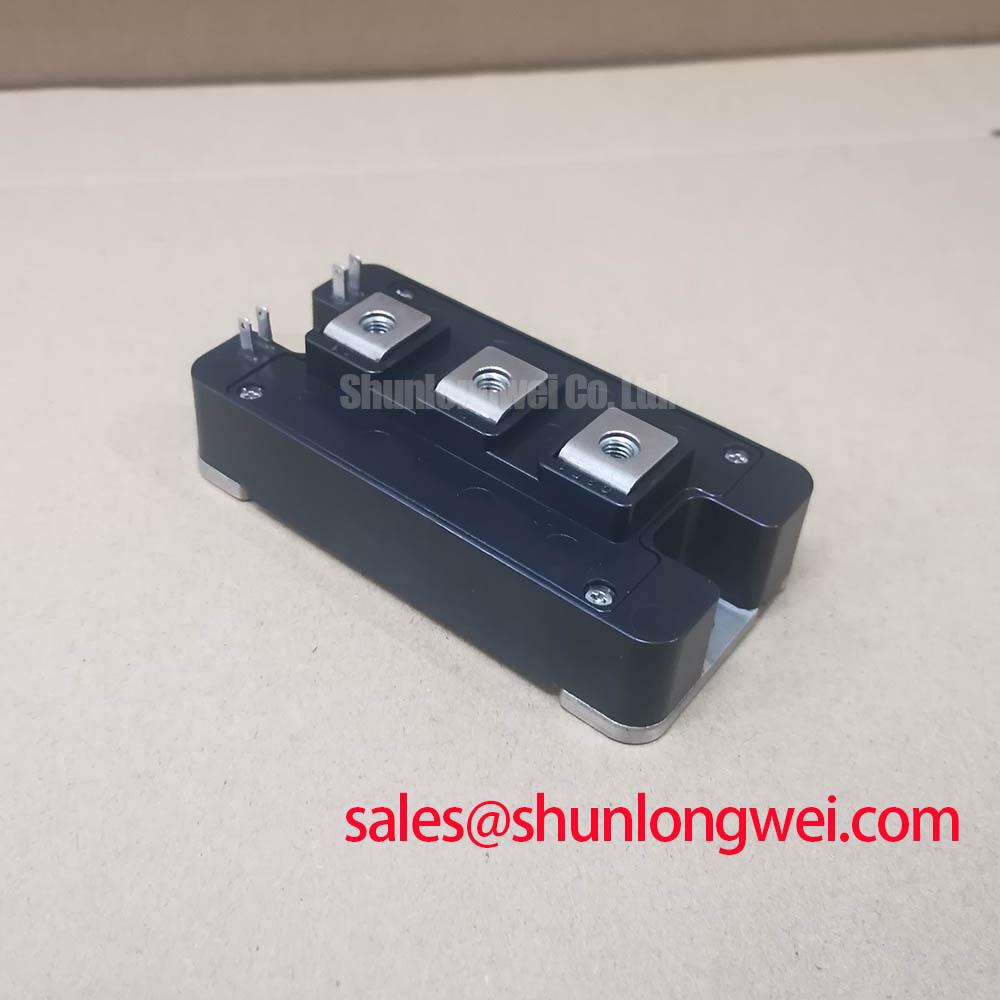
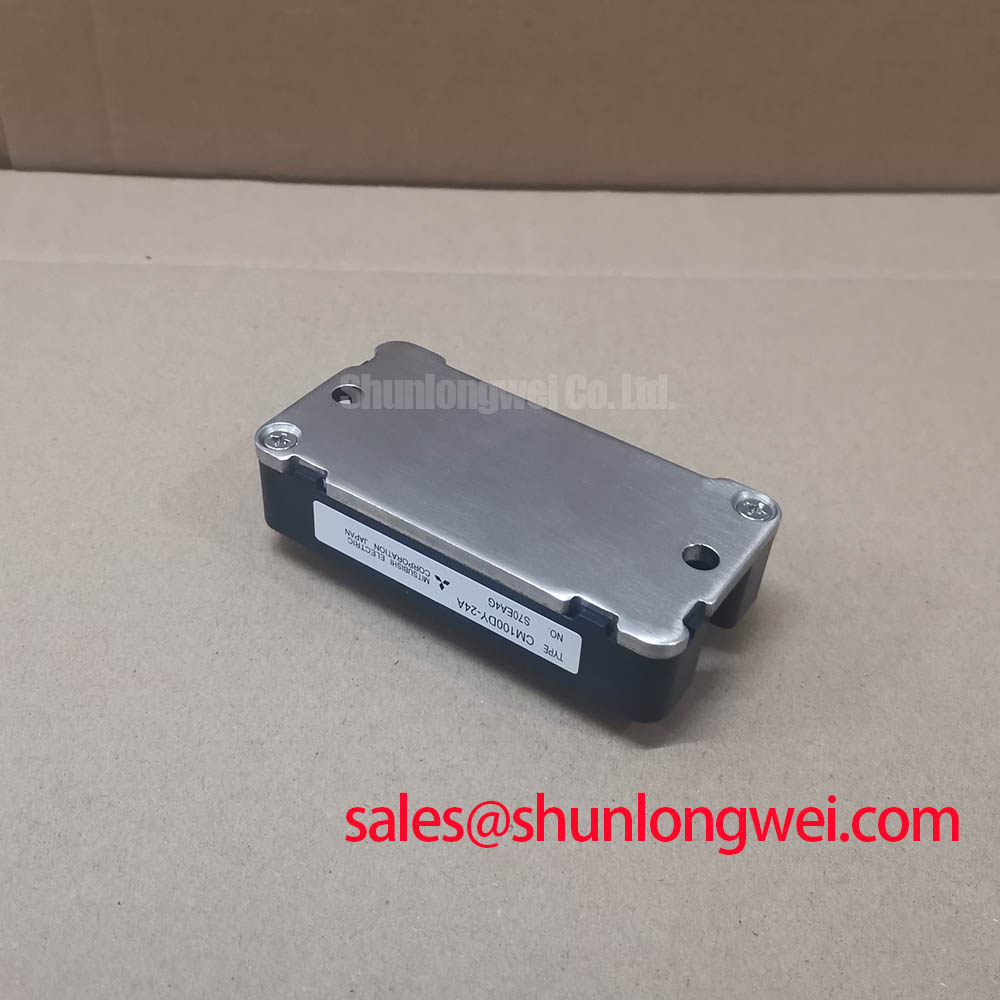
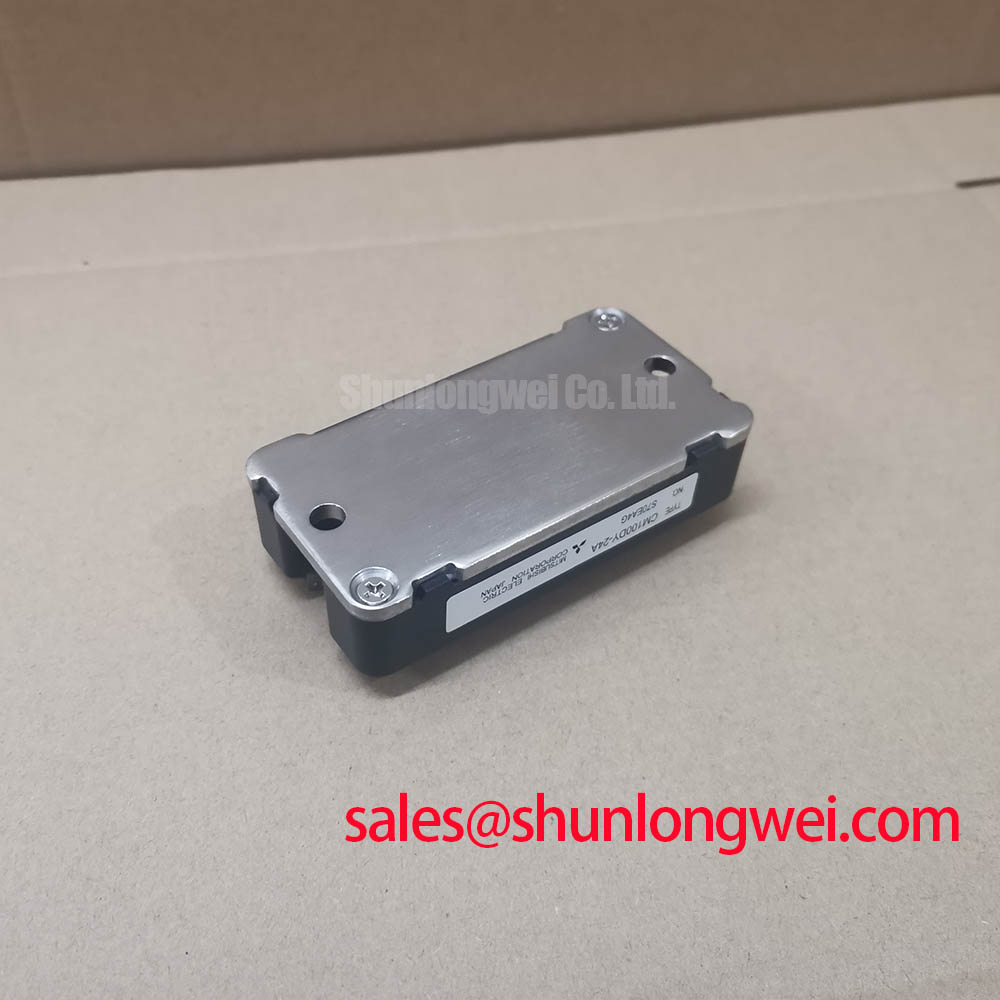
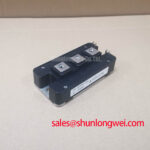
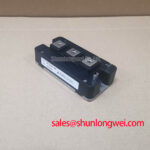
The Mitsubishi CM100DY-24A is a dual IGBT module engineered for robust performance in high-power switching applications. It delivers a formidable 1200V collector-emitter voltage and a 100A continuous collector current, anchored by a low typical VCE(sat) of 2.1V at its nominal current. Key benefits include excellent thermal transfer and low drive power requirements, simplifying system design. This module directly addresses the need for a reliable power stage in systems like AC motor drives and uninterruptible power supplies. For industrial drives requiring robust performance under frequent start-stop cycles, this 1200V module provides a dependable solution with well-managed switching characteristics.
Application Scenarios & Value
Achieving System-Level Reliability in Industrial Motion Control
The CM100DY-24A is optimized for applications where reliability and thermal stability are critical engineering priorities. Its specifications make it a strong candidate for the power stages of Variable Frequency Drives (VFDs), industrial servo drives, and Uninterruptible Power Supplies (UPS). In a typical VFD application controlling a 3-phase AC motor, the primary challenge is managing thermal stress during acceleration and load changes while maintaining efficient power delivery. The CM100DY-24A's thermal resistance (Rth(j-c)Q) of 0.186 °C/W per IGBT is a critical parameter. This value signifies its ability to efficiently transfer heat from the silicon chip to the baseplate, directly enabling more compact heatsink designs or providing greater thermal margin in high-ambient-temperature environments.
What is the primary benefit of its low saturation voltage? It directly reduces conduction losses, which are a major source of waste heat. This efficiency is crucial in applications like UPS systems, where minimizing energy consumption during standby and operation is a key design goal. While the CM100DY-24A is well-suited for a wide range of applications, systems requiring higher current handling could consider the CM150DY-24A, which offers a 150A rating within a similar package footprint.
Key Parameter Overview
Decoding the Specs for Efficient Power Stage Design
The technical specifications of the CM100DY-24A are foundational to its performance in power conversion systems. The following table highlights the key parameters that engineers and procurement specialists must evaluate for system integration and performance modeling.
| Parameter | Symbol | Test Conditions | Value | Unit |
| Collector-Emitter Voltage | VCES | VGE = 0V | 1200 | V |
| Collector Current (DC) | IC | TC = 84°C | 100 | A |
| Peak Collector Current | ICM | Pulse | 200 | A |
| Collector-Emitter Saturation Voltage | VCE(sat) | IC = 100A, VGE = 15V, Tj = 25°C | Typ. 2.1 / Max. 3.0 | V |
| Gate-Emitter Threshold Voltage | VGE(th) | IC = 10mA, VCE = 10V | 6.0 - 8.0 | V |
| Thermal Resistance (Junction to Case, IGBT) | Rth(j-c)Q | Per 1/2 Module | Max. 0.186 | °C/W |
| Isolation Voltage | VISO | AC 1 minute | 2500 | Vrms |
Download the CM100DY-24A datasheet for detailed specifications and performance curves.
Technical Deep Dive
A Closer Look at the Balance Between Conduction and Switching Losses
A key aspect of the CM100DY-24A's design is the trade-off between collector-emitter saturation voltage (VCE(sat)) and switching performance. The typical VCE(sat) of 2.1V at 100A is a measure of the module's efficiency during the 'on' state. Think of it like the resistance of a mechanical switch when it's closed; a lower value means less power is wasted as heat (P = V * I). For a 100A current, this translates to 210 watts of conduction loss per IGBT. The datasheet specifies switching characteristics like turn-on and turn-off times, which are critical for applications operating at higher frequencies. A designer must balance these two loss components—conduction and switching—based on the system's operating frequency. For low-frequency motor drives, the low VCE(sat) is dominant in determining overall efficiency. For higher-frequency applications like switched-mode power supplies, the switching losses become more significant, requiring careful gate drive design to minimize transition times.
Frequently Asked Questions (FAQ)
What is the significance of the 2500V isolation voltage rating?
The 2500Vrms isolation rating indicates a high degree of electrical insulation between the live terminals and the module's metal baseplate. This is a critical safety and design feature, as it allows the module to be mounted directly to a grounded heatsink without requiring additional, bulky insulating layers, thereby simplifying thermal design and improving heat dissipation.
How does the VCE(sat) of 2.1V impact thermal management?
A lower VCE(sat) directly reduces conduction losses, which is the primary source of heat when the IGBT is on. With a typical VCE(sat) of 2.1V at 100A, the module generates approximately 210W of heat. A lower heat load means a smaller, less expensive heatsink can be used to maintain the junction temperature within its safe operating limits, contributing to a more compact and cost-effective system design.
What does the dual or half-bridge configuration of the CM100DY-24A enable in circuit design?
The dual (half-bridge) configuration, containing two IGBTs and two free-wheeling diodes, is the fundamental building block for a 3-phase inverter. Three CM100DY-24A modules can be used to construct a complete 3-phase bridge for controlling AC motors or in the power factor correction (PFC) stage of a large power supply. This integration simplifies PCB layout and bus bar design compared to using six discrete IGBTs.
Is an external gate resistor required for this module?
Yes, the datasheet specifies test conditions using an external gate resistor (RG) of 3.1Ω. The gate resistor is crucial for controlling the turn-on and turn-off speed of the IGBT, managing EMI (electromagnetic interference), and preventing ringing (unwanted oscillations). The final value must be optimized by the design engineer based on the specific application's requirements for switching speed and EMI performance.
Strategic Fit in Modern Power Systems
The CM100DY-24A represents a mature and proven technology that offers a strategic balance of performance, reliability, and cost-effectiveness. In an industry increasingly focused on energy efficiency and system longevity, this module's low conduction losses and robust thermal design provide a solid foundation for developing power conversion systems that comply with stringent industrial standards. It serves as a testament to the enduring value of well-engineered silicon IGBTs from established manufacturers like Mitsubishi in applications where dependable, long-term operation is paramount.