Content last revised on September 10, 2026
CM400DU-5F IGBT Module: Engineering Analysis for High-Current, Low-Voltage Power Systems
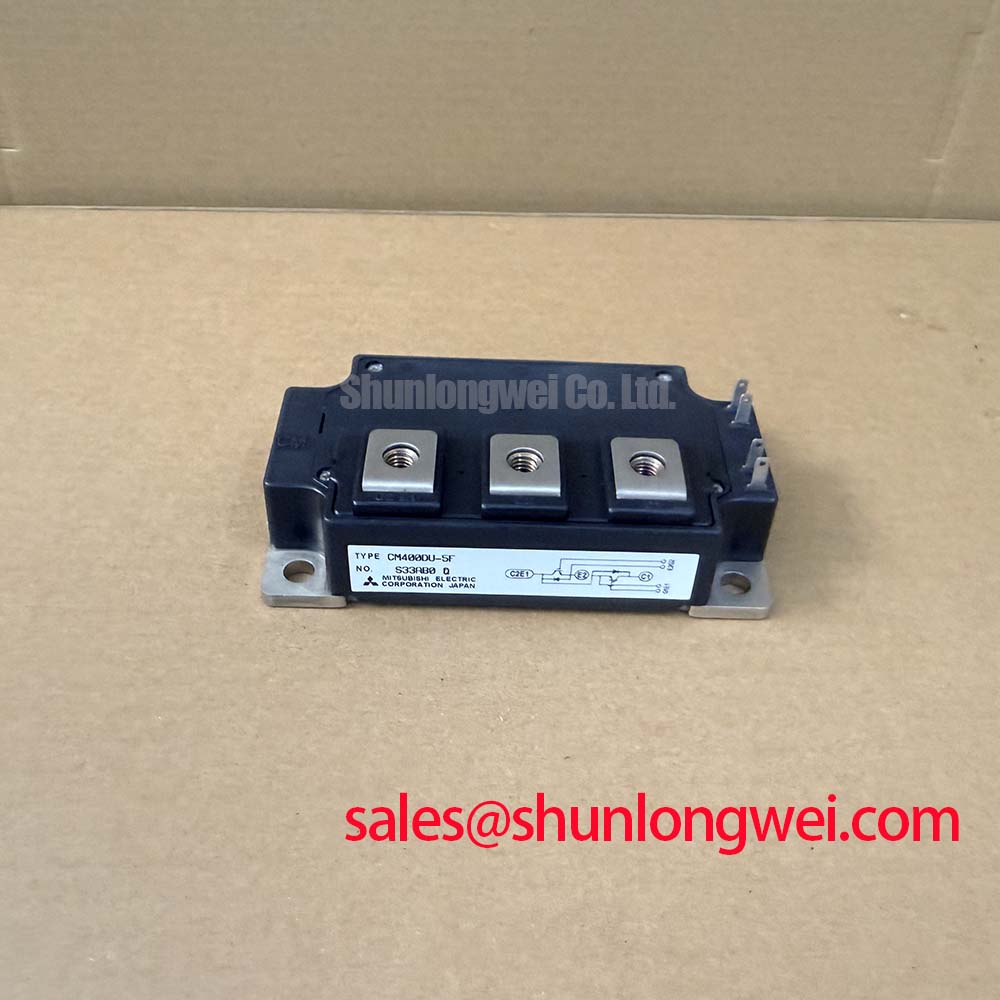
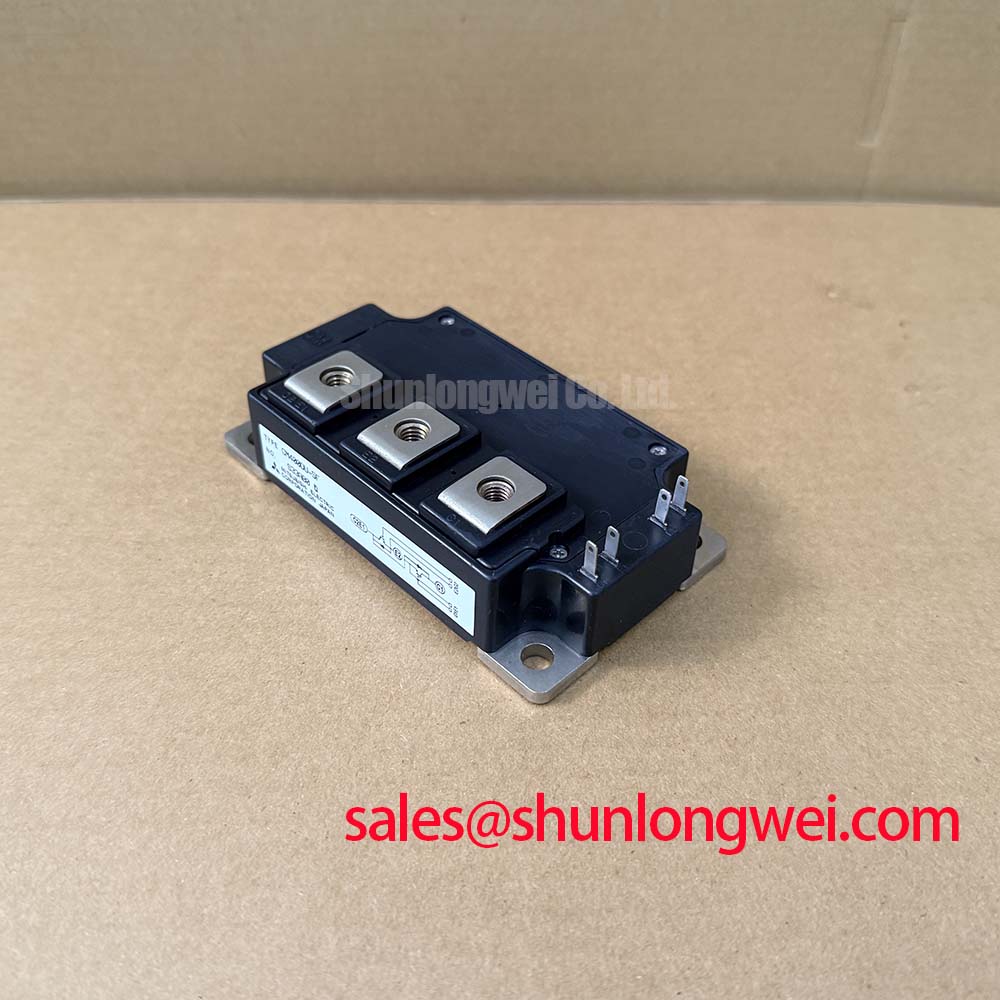
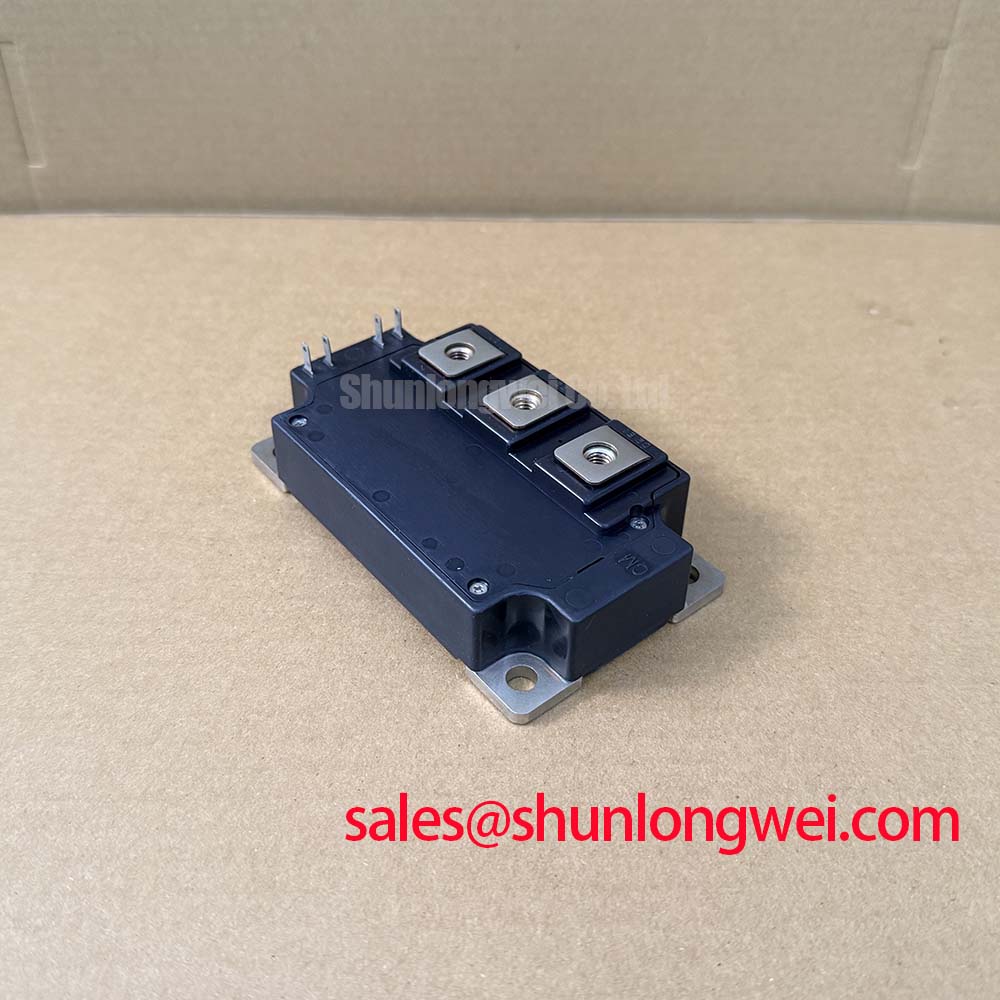
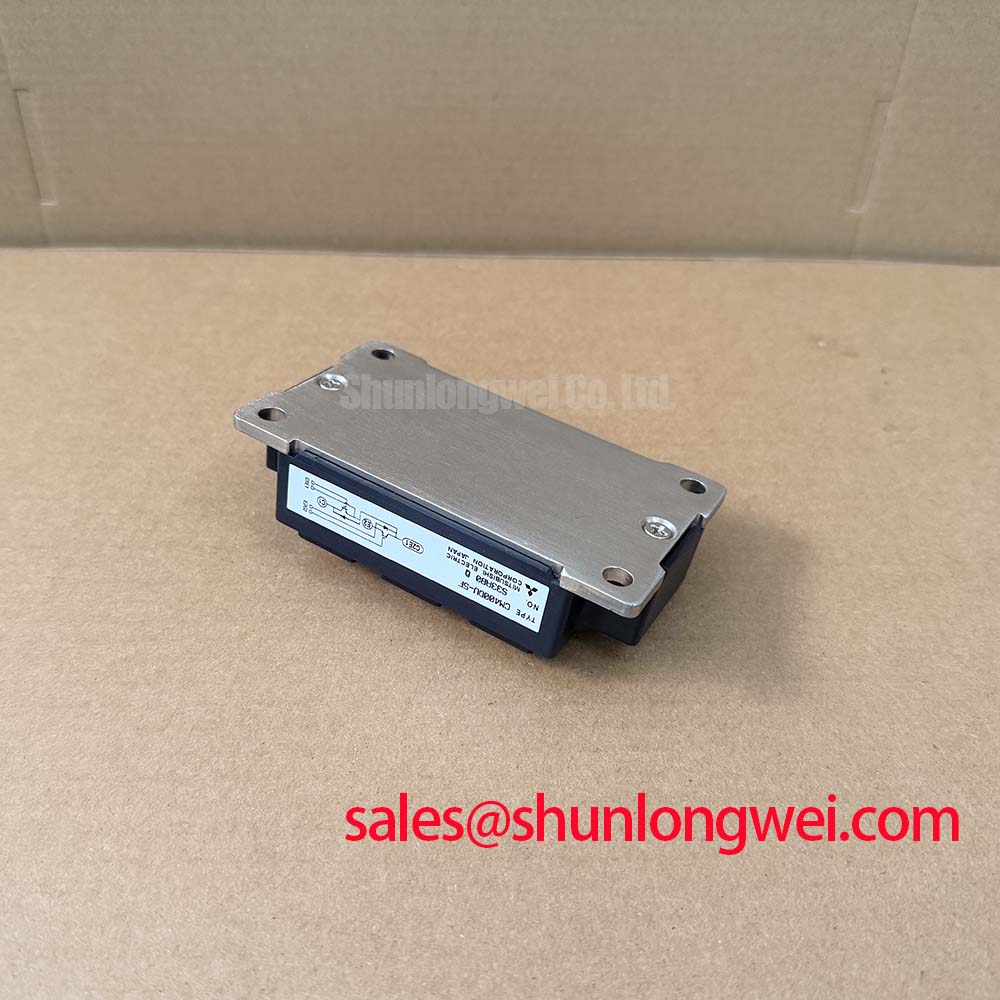
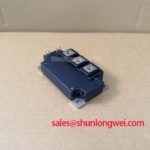
The CM400DU-5F is a dual IGBT module from Mitsubishi's F-Series, engineered to deliver robust performance in high-current, low-voltage power conversion systems. Its design prioritizes efficiency by minimizing static power losses, a critical factor in applications where thermal management and energy savings are paramount. With core specifications of 250V and 400A, and a characteristically low collector-emitter saturation voltage (VCE(sat)), this module offers tangible benefits in both performance and system-level design. Key advantages include significantly reduced conduction losses and simplified thermal design. This module directly addresses the engineering need for an efficient and reliable power switch in systems like low-voltage motor drives and high-power battery-operated equipment. For systems requiring higher current handling in a similar low-voltage class, the related CM600HA-5F provides a 600A alternative.
Key Parameter Overview
Decoding the Specs for Conduction Loss Minimization
The technical specifications of the CM400DU-5F are centered on achieving high efficiency in its target application range. The module's low VCE(sat) is the cornerstone of its performance, directly impacting the power dissipated as heat during operation. A lower saturation voltage means less energy is wasted, which is a decisive factor for designers striving to meet stringent energy efficiency standards and reduce the total cost of ownership. The table below highlights the key performance metrics that are essential for system modeling and thermal analysis.
| Parameter | Value | Conditions |
|---|---|---|
| Collector-Emitter Voltage (VCES) | 250V | Tj = 25°C |
| Collector Current (IC) | 400A | TC = 80°C |
| Collector Current (Peak) (ICP) | 800A | |
| Collector-Emitter Saturation Voltage (VCE(sat)) | 1.8V (Typ.), 2.3V (Max.) | IC = 400A, VGE = 15V, Tj = 125°C |
| Gate-Emitter Voltage (VGES) | ±20V | |
| Total Power Dissipation (PC) | 1380W | TC = 25°C per element |
| Junction Temperature (Tj) | -40 to +150°C | |
| Thermal Resistance (Rth(j-c)) | 0.09 K/W (Max.) | IGBT Part |
| Isolation Voltage (Viso) | 2500Vrms | AC for 1 minute |
Download the CM400DU-5F datasheet for detailed specifications and performance curves.
Application Scenarios & Value
System-Level Benefits in High-Current Servo Drives and UPS
The CM400DU-5F is optimally suited for applications where high current capacity at low operating voltages is the primary requirement. This makes it a strong candidate for power stages in advanced Servo Drive systems, industrial robotics, and high-capacity UPS (Uninterruptible Power Supply) units.
Consider a high-performance servo drive for a CNC machine. The drive must deliver rapid and precise bursts of high current to the motor for acceleration and deceleration. The CM400DU-5F's 400A current rating provides the necessary power handling, while its low VCE(sat) of 1.8V becomes a critical advantage. This low voltage drop across the switch minimizes conduction losses, which is analogous to reducing friction in a mechanical system. The direct engineering benefit is a cooler-running module, which allows for a more compact heatsink design, thereby reducing the overall size, weight, and material cost of the inverter. This thermal efficiency also contributes to higher system reliability, as lower operating temperatures reduce stress on all surrounding components. For systems demanding even greater current capacity, designers might evaluate the CM600DU-24FA, which offers a higher current rating in a different package configuration.
Frequently Asked Questions (FAQ)
What is the primary engineering advantage of the CM400DU-5F's low VCE(sat) value?
The key advantage is significantly reduced conduction power loss (P_loss = VCE(sat) * IC). This leads to higher energy efficiency, lower operating temperatures, and allows for smaller, more cost-effective thermal management solutions like heatsinks. What is the benefit of its dual configuration? It simplifies the design of half-bridge topologies used in inverters and motor drives.
How does the 250V VCES rating define the ideal applications for this module?
The 250V rating makes the CM400DU-5F highly suitable and cost-effective for systems operating on low-voltage DC buses, such as those powered by 48V to 150V battery banks or specific industrial power supplies. It avoids the over-specification and higher costs associated with 600V or 1200V modules in these applications.
Is the CM400DU-5F suitable for high-frequency switching applications?
While the F-Series is optimized for low conduction losses, it is designed for moderate switching frequencies typically found in motor drives and UPS systems (a few kHz up to ~20 kHz). For applications requiring significantly higher frequencies, it is crucial to analyze the switching loss characteristics (Eon, Eoff) provided in the full datasheet to ensure thermal performance remains within safe limits. For more information on this trade-off, see our guide on IGBT selection beyond VCE(sat).
Technical Deep Dive
A Closer Look at Conduction Loss and Its System-Level Impact
At the core of the CM400DU-5F's value proposition is its ability to manage high current with minimal energy waste. The collector-emitter saturation voltage, VCE(sat), is the critical parameter governing this capability. At its typical rating of 1.8V while conducting 400A, the power dissipated as heat during the 'on' state is approximately 720 watts (P = 1.8V * 400A). A module with a higher VCE(sat), for instance 2.2V, would dissipate 880 watts under the same conditions—a 22% increase in wasted heat.
This 160-watt difference per module is not trivial. It represents energy that is not delivered to the load and must instead be managed by the system's cooling infrastructure. This has a cascading effect on design: the higher heat load necessitates a larger, heavier, and more expensive heatsink, potentially requiring a more powerful fan, which in turn consumes more power and adds to the system's acoustic noise. By specifying a module like the CM400DU-5F with a low VCE(sat), engineers can initiate a "design-down" cascade, leading to a more compact, reliable, and cost-effective final product. This strategic component selection aligns with market demands for smaller, quieter, and more energy-efficient industrial equipment.