Content last revised on September 10, 2026
DMF50260NFU-FW-5: Technical Review of the 240x64 Graphic LCD with Integrated Controller
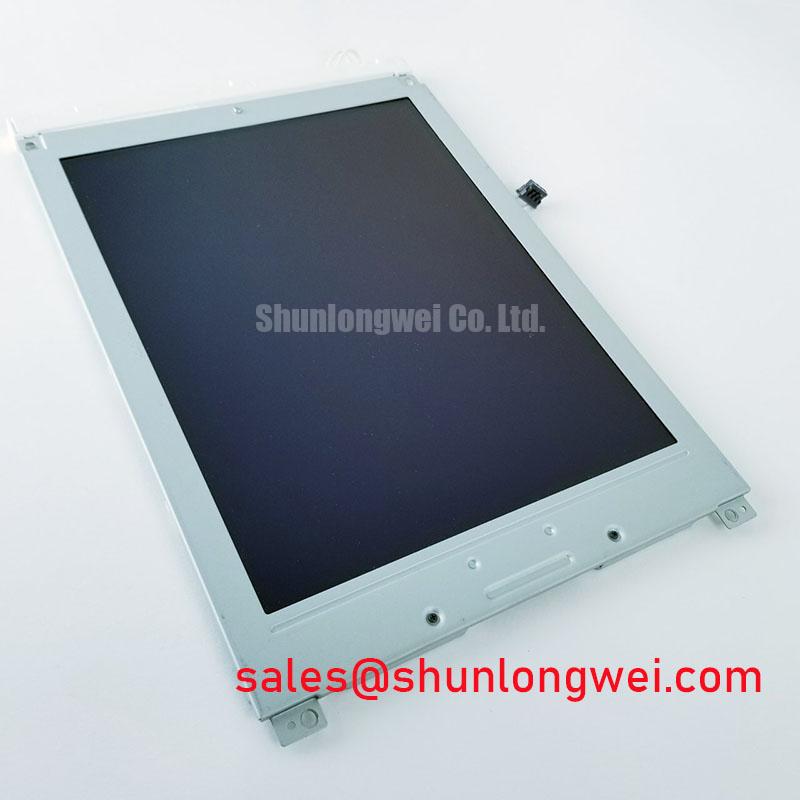
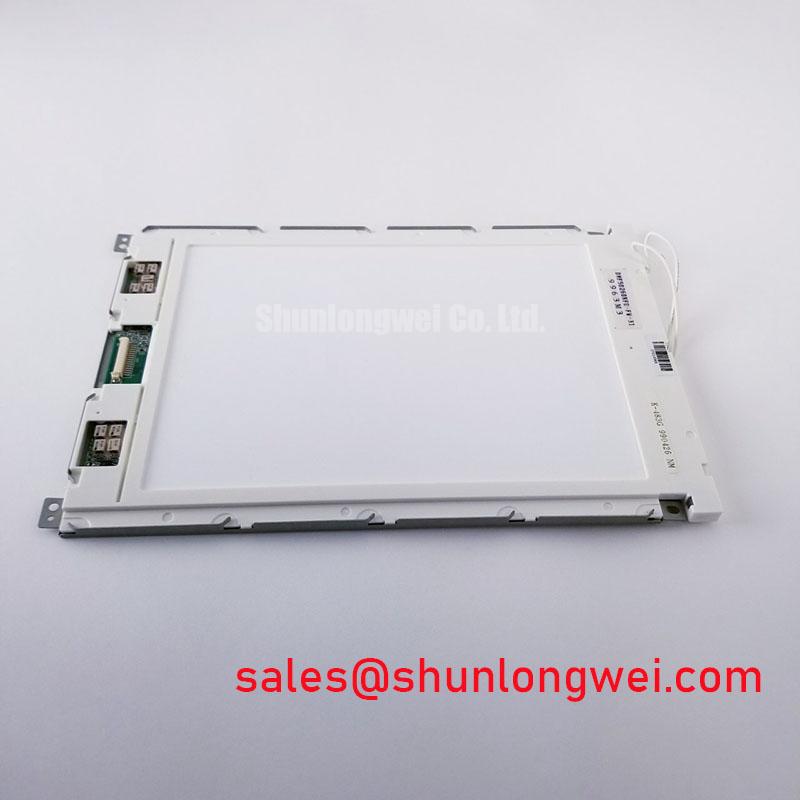
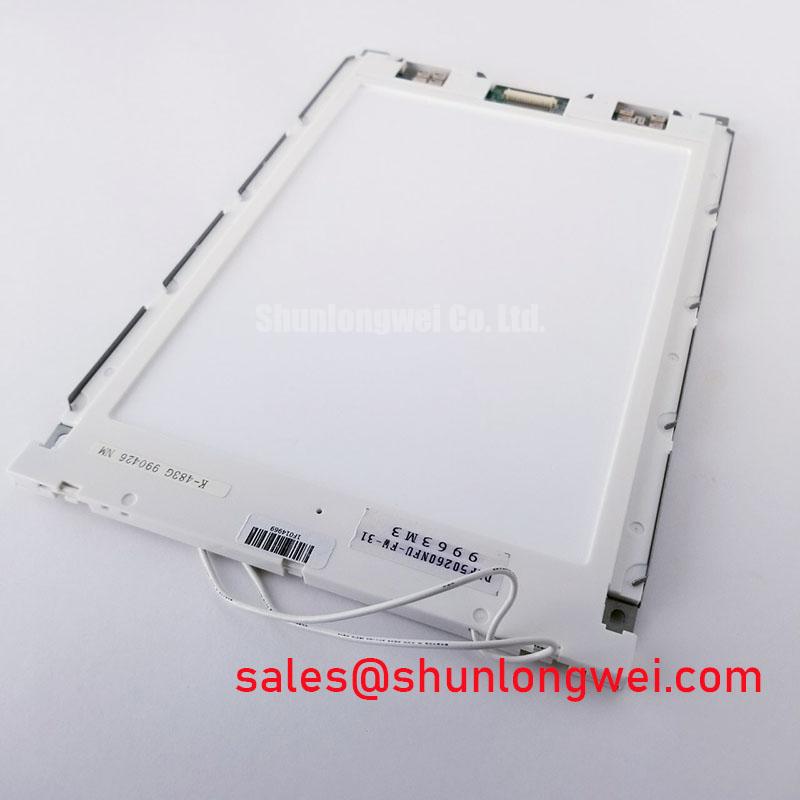
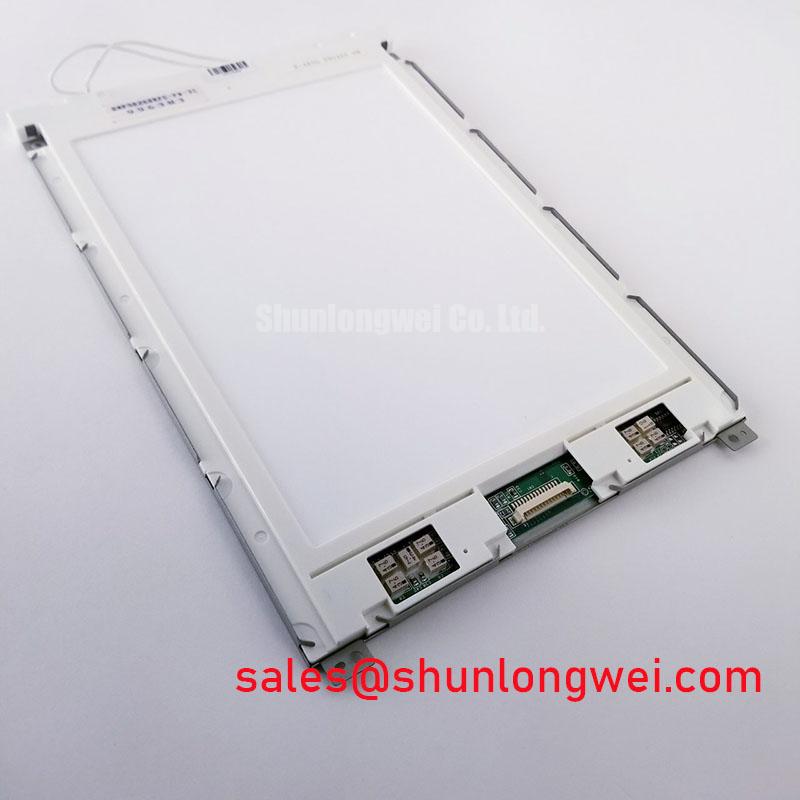
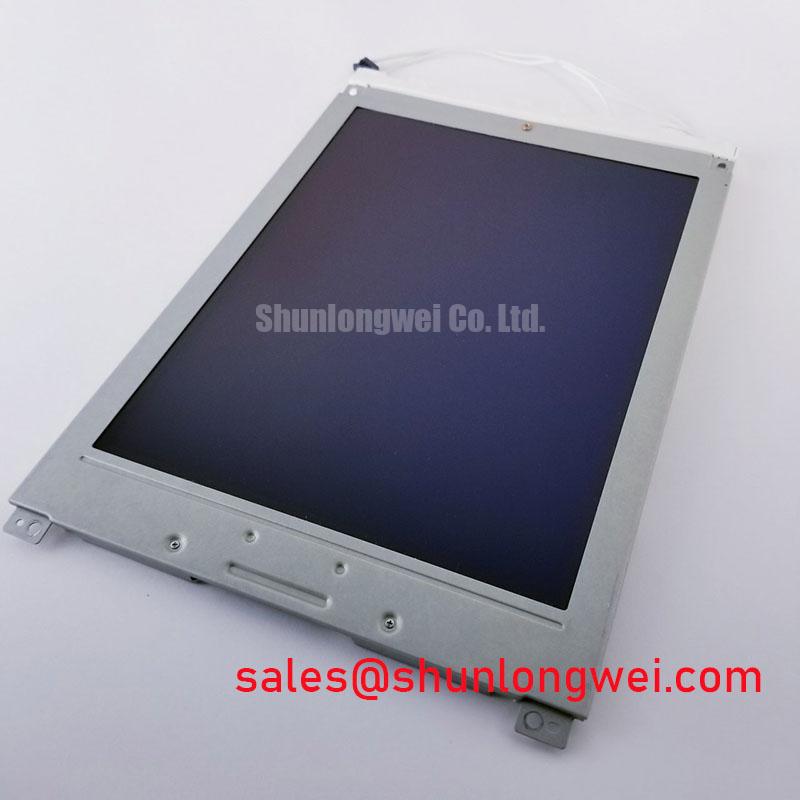
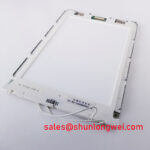
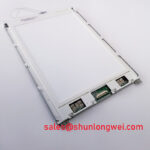
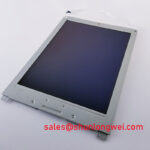
The Optrex DMF50260NFU-FW-5 graphic LCD module is engineered to accelerate Human-Machine Interface (HMI) development for industrial applications. Delivering a precise combination of an integrated display controller and environmental resilience, this component provides a robust foundation for clear and reliable information display. With core specifications of 240x64 Dots | -20°C to +70°C Op. Temp. | Integrated T6963C Controller, it offers two primary engineering benefits: simplified software integration and proven reliability in harsh climates. It directly addresses the need for a robust display that is easy to integrate, as the onboard T6963C controller manages display RAM and character generation, freeing up the host MCU. For designers of process control systems needing a proven, easy-to-drive graphic display, this module is the optimal choice.
Application Scenarios & Value
System-Level Benefits in Industrial Control and Instrumentation
The true value of the DMF50260NFU-FW-5 is realized in applications where development speed and operational reliability are paramount. Consider the design of portable test and measurement equipment. An engineer developing a field-use spectrum analyzer needs a display that is not only readable in various conditions but also places minimal burden on the main processor, which must be dedicated to high-speed signal analysis. The module's integrated T6963C controller is the critical feature here. It manages the entire display buffer and character sets, allowing the main processor to issue high-level commands rather than managing low-level, pixel-by-pixel screen refreshes. This significantly simplifies firmware development and reduces the risk of timing conflicts in the system software.
Furthermore, its wide operating temperature range (-20°C to +70°C) ensures the equipment can transition seamlessly from a climate-controlled laboratory to outdoor field testing without display failure or performance degradation. This dual advantage of simplified integration and environmental toughness makes it a strategic choice for industrial automation panels, medical monitoring devices, and any system requiring a dependable, text-and-graphic HMI. What is the primary benefit of its integrated controller? It simplifies software development and reduces the host system's processing load. While the 240x64 format is excellent for displaying several lines of data and simple waveforms, systems requiring a full-quarter VGA format might evaluate a display like the KCG057QV1DB-G000.
Key Parameter Overview
Decoding the Specs for Rapid System Integration
The technical specifications of the DMF50260NFU-FW-5 are tailored for straightforward implementation and high-performance visuals in demanding applications. The following table highlights key parameters and their direct engineering significance.
| Specification | Engineering Value & Interpretation |
|---|---|
| Display Technology: FSTN (Film Compensated STN) | Provides a high-contrast monochrome (black and white) image with a wide viewing angle. The film compensation layer sharpens the pixels, ensuring critical data is highly legible. Think of it as the difference between a standard newspaper photo and a high-quality art print; FSTN delivers the sharper, clearer image. |
| Resolution: 240 x 64 dots | Offers sufficient screen real estate to display up to 8 rows of 40 characters or a combination of text, status icons, and basic graphical data like waveforms, ideal for compact instrument panels. |
| Controller IC: T6963C or equivalent | This is the core of the module's integration advantage. The controller's built-in display RAM, character generator, and command-based instruction set offload the host MCU, reducing software complexity and freeing up processor cycles for core application tasks. |
| Operating Temperature: -20°C to +70°C | Guarantees operational reliability in a vast range of industrial settings, from refrigerated environments to non-air-conditioned enclosures exposed to high ambient heat. This specification reduces the need for costly external thermal management systems. |
| Backlight: CCFL (White, Edge Lit) | The Cold Cathode Fluorescent Lamp provides bright, uniform illumination across the entire display area, ensuring excellent readability in low-light conditions. An external inverter is required to power the CCFL. |
Download the DMF-50260NFU-FW-8 datasheet for detailed specifications and performance curves.
Technical Deep Dive
A Closer Look at the T6963C Controller and Interface Logic
The selection of the T6963C controller is a defining engineering decision for the DMF50260NFU-FW-5 module. Unlike controller-less displays that require the host system to constantly manage a frame buffer and refresh the screen, the T6963C provides a self-contained, command-driven architecture. This simplifies the hardware-software interface to an 8-bit parallel data bus and a few control lines. This architecture offers a distinct advantage in system design.
Integrating this TFT-LCD module is like hiring a dedicated assistant for your main processor. Instead of the processor having to personally write every pixel on the screen, it just gives a high-level command to its assistant (the T6963C), such as "display this text here" or "draw this graphic." The controller handles all the low-level details, freeing up the main processor for its critical tasks, which are the core functions of the industrial equipment. This abstraction layer not only speeds up initial development but also makes the user interface code more modular and easier to maintain over the product's lifecycle.
Frequently Asked Questions
Engineering Questions on Implementation and Performance
1. How does the integrated T6963C controller reduce development time for a new HMI?
The T6963C handles low-level tasks like screen refresh, cursor management, and character generation internally. This allows developers to work with a higher-level command set, significantly reducing the amount of code required to display text and graphics and simplifying the overall software architecture.
2. What is the practical benefit of the FSTN display mode compared to a standard STN?
FSTN (Film-compensated STN) provides significantly higher contrast and a wider, more consistent viewing angle. For an operator reading critical data on a control panel, this means the display is clearer and less prone to being misread from off-angle viewing positions, enhancing safety and operational efficiency.
3. Can the DMF50260NFU-FW-5 be reliably used in unheated, outdoor-facing enclosures?
Yes. Its wide operating temperature range of -20°C to +70°C is specifically designed for such scenarios. It ensures the liquid crystal will not freeze or degrade in cold weather, nor will it lose contrast in high heat, making it suitable for applications like external ticket kiosks, fuel pump displays, or control panels on heavy machinery.
4. What are the power supply requirements for the logic and the CCFL backlight?
The module's logic typically requires a single +5V supply. The CCFL backlight, however, requires a separate high-voltage AC source, which must be provided by an external inverter circuit. This separation allows designers to control the backlight brightness and power independently of the display logic.
5. How does the 8-bit parallel data bus interface affect the choice of a host microcontroller?
An 8-bit parallel interface requires at least 8 data pins plus 4-5 control pins on the host MCU. This is well-suited for a wide range of 8-bit, 16-bit, and 32-bit microcontrollers that have sufficient general-purpose I/O (GPIO) pins available. It offers a good balance between data transfer speed and pin count for this class of display.
From an engineering perspective, the DMF50260NFU-FW-5 is a highly practical component. It represents a design philosophy focused on reducing integration complexity without compromising on visual performance or environmental durability. By embedding the control logic, it shifts the engineering burden away from the host system, allowing design teams to focus their resources on core application functionality. This makes it a reliable and efficient building block for any industrial or medical device where clear, unambiguous information display is a critical requirement.