Content last revised on September 10, 2026
DMF50260NFU-FW-8: Engineering Analysis of a 5.7" QVGA Monochrome LCD Module
A Component-Level Look at a Workhorse Industrial Display
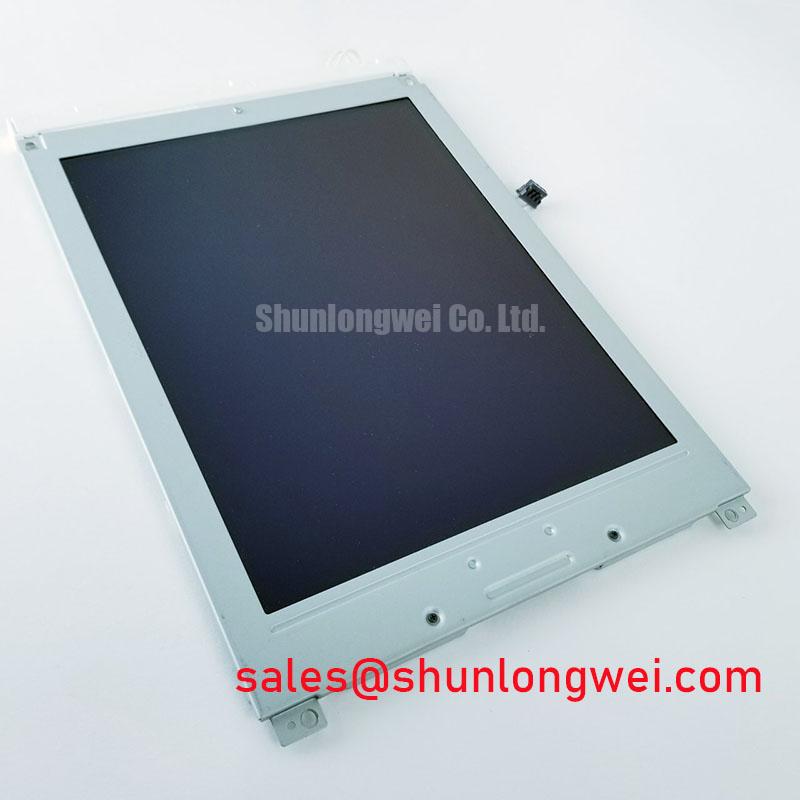
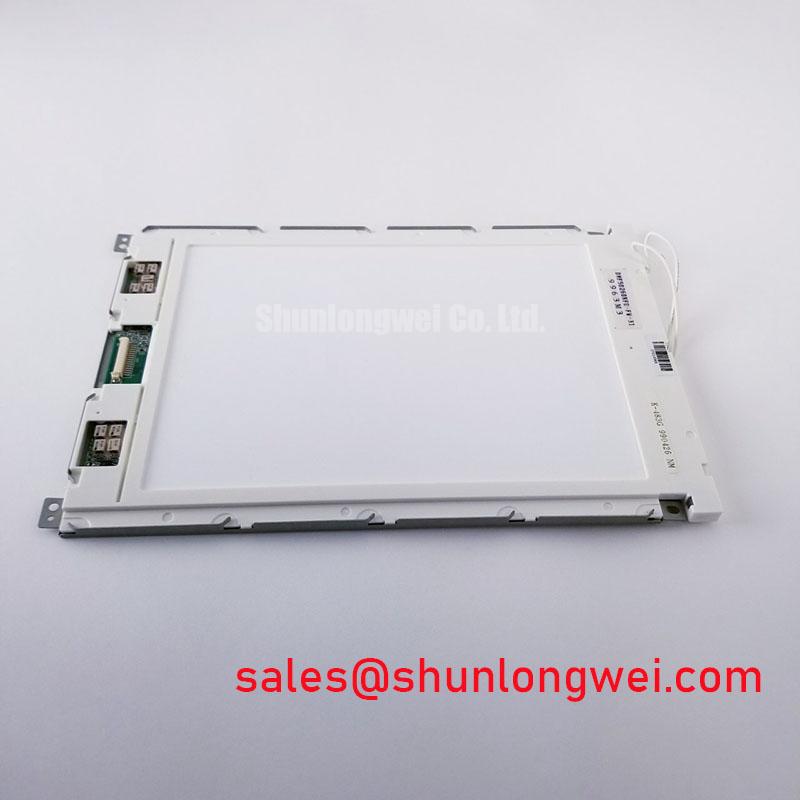
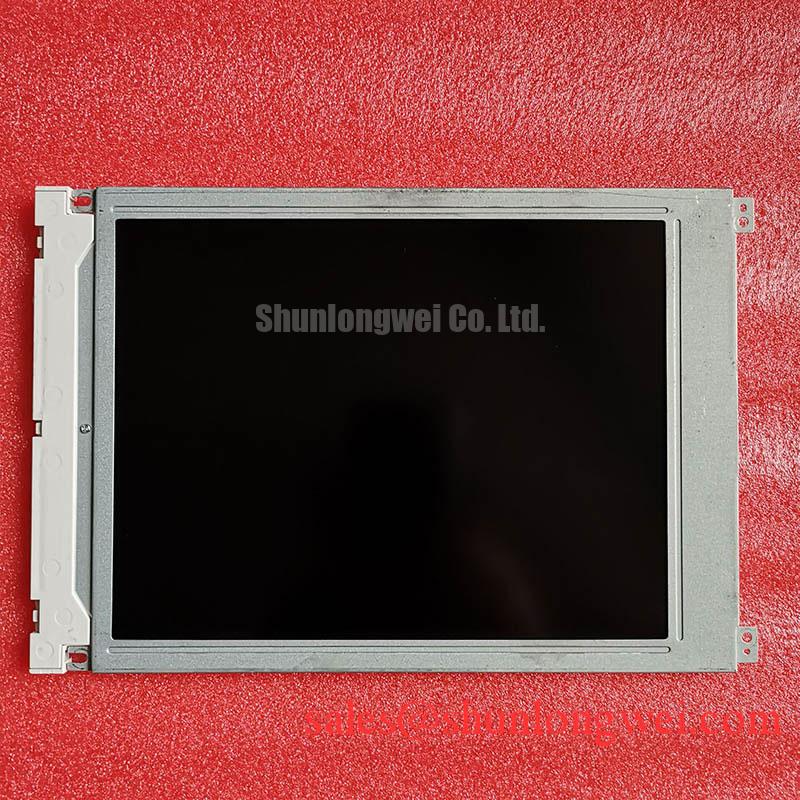
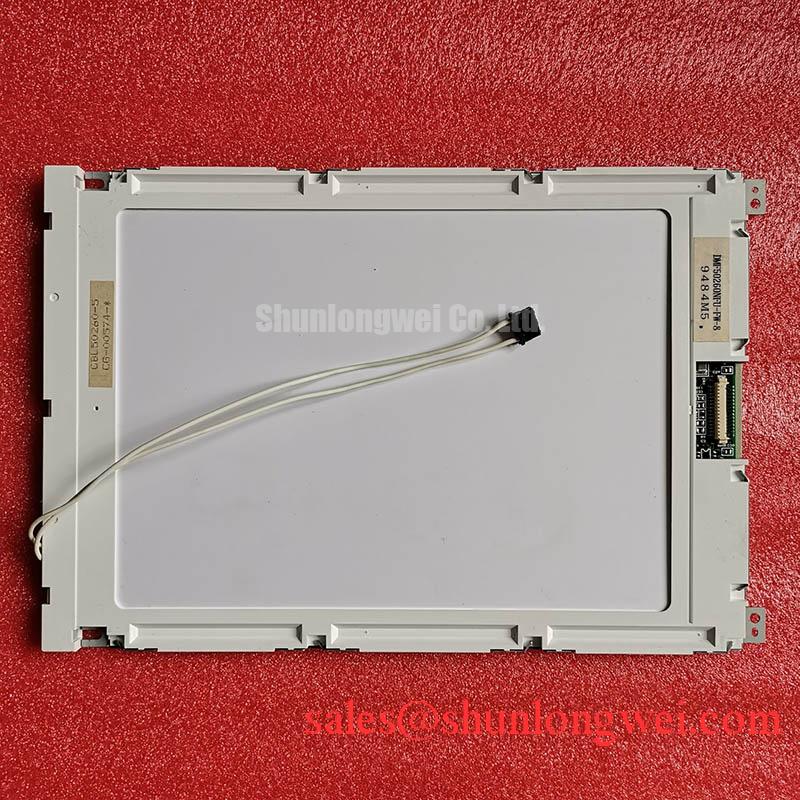
The DMF50260NFU-FW-8 is a robust 5.7-inch monochrome graphic LCD engineered for seamless integration and long-term serviceability in legacy industrial control systems. Featuring a standard 320 x 240 (QVGA) resolution, a high-contrast FSTN monochrome display, and a CCFL backlight, this module provides a proven solution for clear data visualization. Its parallel data interface simplifies integration with established microcontroller architectures, ensuring dependable performance in demanding environments. This display is designed to minimize engineering effort when servicing or retrofitting existing industrial equipment. Best fit for maintaining legacy industrial HMIs, this display's standard QVGA resolution and parallel interface ensure direct compatibility.
Application Scenarios & Value
System-Level Benefits in Legacy Equipment Sustainment
The primary value of the DMF50260NFU-FW-8 lies in its role as a direct-fit replacement component for aging or failing displays in a vast installed base of industrial machinery. Consider the engineering challenge of a critical CNC machine or process controller from the early 2000s suffering a display failure. A complete HMI redesign is often cost-prohibitive and introduces significant validation overhead. The DMF50260NFU-FW-8's standard 5.7-inch form factor, QVGA resolution, and 8-bit parallel interface are specifically designed to address this scenario, allowing engineers to perform a component-level repair that preserves the original system's hardware and software integrity.
What is the primary benefit of its parallel interface? It ensures straightforward, timing-tolerant communication with legacy microcontrollers. This direct compatibility drastically reduces downtime and eliminates the need for complex interface conversion hardware or firmware redevelopment. The module's FSTN (Film-compensated Super-twisted Nematic) technology delivers high contrast and wide viewing angles, ensuring critical process information remains clearly legible for operators, a key requirement in industrial environments. For systems where a color upgrade within a similar form factor is feasible, the KCG057QV1DB-G000 presents an alternative technology path.
Key Parameter Overview
Decoding the Specs for Integration and Performance
The specifications of the DMF50260NFU-FW-8 are tailored for reliability and readability in industrial applications. Each parameter points towards its suitability for established HMI designs where clarity and robustness are paramount.
| Specification | Value | Engineering Implication |
|---|---|---|
| Display Type | FSTN LCD, Passive Matrix | Provides excellent black-and-white contrast for clear readability of text and simple graphics, a core requirement for many industrial control panels. |
| Resolution | 320 x 240 (QVGA) | A widely adopted standard in legacy industrial equipment, ensuring compatibility with existing software and graphics drivers without modification. |
| Active Area | 115.18(W) × 86.38(H) mm | Defines the usable screen real estate, confirming its fit for standard 5.7-inch HMI front panels. |
| Interface Type | 8-bit Parallel Data | Enables simple, direct connection to a wide range of microcontrollers, reducing design complexity and ensuring robust data transfer. |
| Backlight System | 1-pc CCFL with Inverter | A proven and long-established illumination technology. The requirement for a dedicated inverter must be factored into the system's power budget and layout. |
| Operating Temperature | 0°C to +50°C | Suitable for use in controlled indoor industrial environments such as factory floors and control rooms. |
Download the DMF50260NFU-FW-8 datasheet for detailed specifications and performance curves.
Frequently Asked Questions (FAQ)
What is the key advantage of FSTN technology in this display?
The primary advantage of Film STN is its ability to deliver a sharper, higher-contrast monochrome image with wider viewing angles compared to older STN technologies. This is critical in industrial settings where operators may not always be viewing the screen from a direct, head-on position.
Does the DMF50260NFU-FW-8 require an external driver for its CCFL backlight?
Yes, a Cold Cathode Fluorescent Lamp (CCFL) requires a separate high-voltage inverter to operate. This is a crucial consideration for the system's power supply design and board layout, as the inverter must be sourced and integrated into the final assembly.
How does the 8-bit parallel interface impact system design compared to modern serial interfaces like SPI or I²C?
The 8-bit parallel interface simplifies software and hardware design for systems with available I/O pins. It offers higher data throughput than many simple serial interfaces and is less sensitive to clock signal integrity issues, which contributes to its robustness in electrically noisy industrial environments. For a deeper understanding of display technologies, see The Ultimate Guide to TFT-LCD.
Is this display suitable for outdoor applications?
With an operating temperature range of 0°C to 50°C and a standard brightness level, the DMF50260NFU-FW-8 is intended for indoor industrial environments. It is not designed for direct sunlight exposure or extreme temperatures.
What are the best practices for handling and prolonging the life of this display?
Proper electrostatic discharge (ESD) precautions should always be taken during handling. To prolong its life, ensure the operating voltage remains within specified limits and that the ambient temperature does not exceed the 50°C maximum. Regular, gentle cleaning with appropriate solutions is also key, as detailed in guides on industrial display maintenance.
Technical Deep Dive
The Engineering Case for the Parallel Data Interface
While modern displays often utilize high-speed serial interfaces, the 8-bit parallel interface of the DMF50260NFU-FW-8 remains a cornerstone of its value in legacy applications. Think of this interface as an eight-lane highway for data. Each lane carries one bit, allowing a full byte of information to travel from the system's controller to the display in a single clock cycle. This architecture is inherently simple and robust.
This "highway" approach significantly reduces the software overhead required for data transmission. There is no need for the complex serialization and deserialization protocols that define interfaces like SPI. For an engineer maintaining a system with a microcontroller chosen 15 years ago, this is a decisive advantage. The code is simpler, the timing requirements are more relaxed, and debugging is more straightforward—all of which are critical for getting equipment back online quickly and reliably.
From an Engineer's Perspective
The DMF50260NFU-FW-8 is not about cutting-edge specifications; it is about providing a stable, predictable, and reliable solution for maintaining the operational life of existing industrial infrastructure. Its value is measured in minimized downtime, reduced requalification costs, and the avoidance of wholesale system replacement. For engineers and procurement managers responsible for the long-term serviceability of capital equipment, this display offers a direct and efficient path to sustaining critical HMI functionality with a component that matches the original design intent in both form and function.