Content last revised on September 10, 2026
High-Performance Toshiba MG100G1FL1 600V 100A 6-Pack IGBT Module
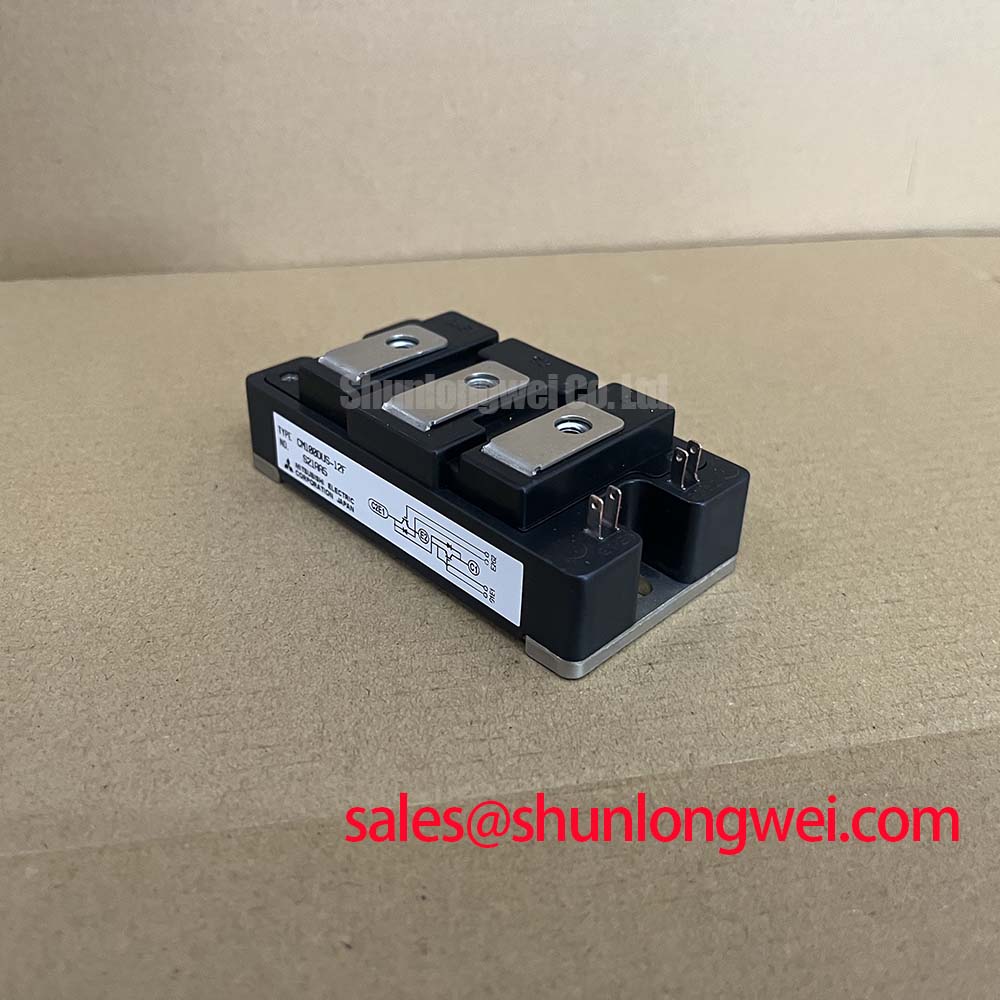
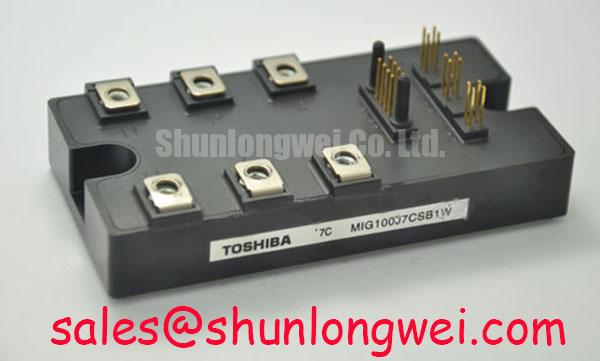
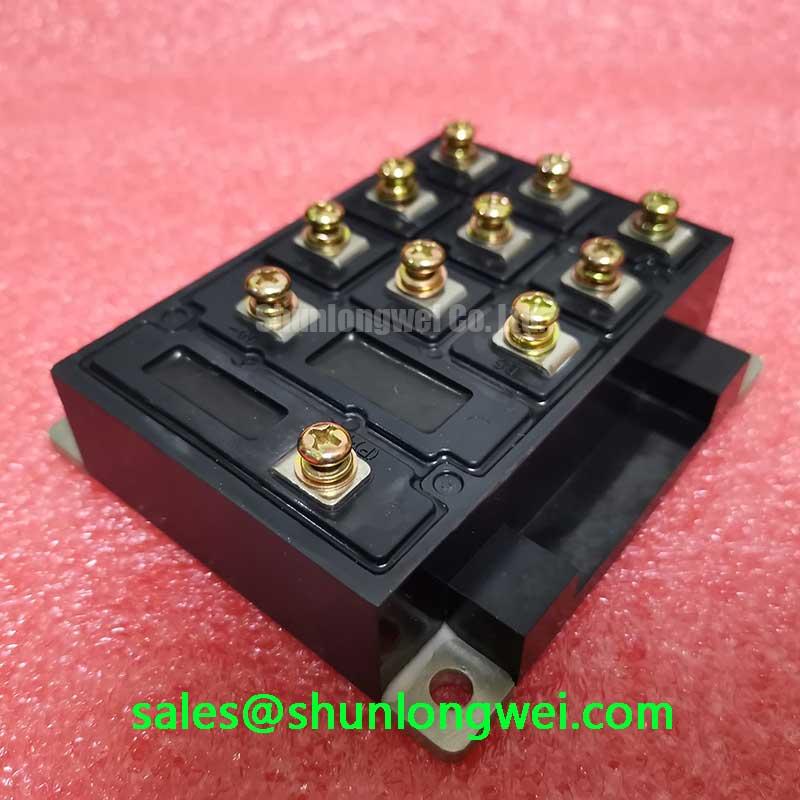
The Toshiba MG100G1FL1 is a high-speed, 6-pack IGBT Module specifically engineered to optimize power density and switching efficiency in industrial inverter systems. By integrating six Insulated Gate Bipolar Transistors into a single isolated package, it enables designers to minimize system footprint while maintaining superior control over dynamic losses. For engineers prioritizing high-frequency performance and thermal margins in 400V class motor drives, the MG100G1FL1 provides a robust foundation for next-generation power conversion.
Top Specifications: 600V | 100A | High-Speed Switching
- Reduced conduction losses via low VCE(sat) characteristics.
- Enhanced reliability through 6-pack integration and isolated packaging.
What is the primary benefit of its 6-pack configuration? It significantly reduces stray inductance and simplifies PCB layout compared to using discrete components. For 400V industrial drives prioritizing high-speed PWM efficiency, this 600V module is the optimal choice.
Application Scenarios & Value
Achieving System-Level Benefits in High-Frequency Power Conversion
The MG100G1FL1 excels in Variable Frequency Drive (VFD) and Servo Drive applications where precise motion control and energy efficiency are paramount. In a typical PWM inverter stage, the high-speed switching capability of this module allows for higher carrier frequencies, which directly translates to smoother motor torque and reduced acoustic noise. A critical engineering challenge in high-power robotics is managing the thermal load during rapid acceleration cycles; the low switching loss of the MG100G1FL1 ensures that the junction temperature stays within safe limits even under aggressive Gate Drive signaling.
Beyond motor control, this module is a staple in Uninterruptible Power Supplies (UPS). In these systems, the transition between grid and battery power must be seamless. The fast turn-off characteristics of the Toshiba MG100G1FL1 ensure minimal energy dissipation during high-frequency operation, directly contributing to the overall system efficiency rating. For designers requiring higher current handling in similar 600V architectures, the MG400Q2YS60A offers a scaled-up solution, while the MG100G1FL1 remains the preferred choice for compact 100A designs.
Integrating this module into a system also simplifies compliance with industrial standards like IEC 61800-3. By utilizing its integrated structure, engineers can more easily manage Electromagnetic Interference (EMI) through a tighter, more symmetrical layout. To further explore the fundamental advantages of these architectures, refer to the engineer's ultimate guide to IGBT modules.
Key Parameter Overview
Decoding the Specs for Enhanced Thermal Reliability
Understanding the electrical limits of the MG100G1FL1 is essential for ensuring long-term field reliability. The following data highlights the core capabilities of the module under standard operating conditions.
| Parameter | Value | Engineering Significance |
|---|---|---|
| Collector-Emitter Voltage (VCES) | 600V | Provides necessary headroom for 200-400V AC line applications. |
| Collector Current (IC) | 100A | Supports high-torque motor starts and transient surges. |
| Collector-Emitter Saturation Voltage (VCE(sat)) | 2.7V (Typical) | Lowers steady-state power dissipation during the conduction phase. |
| Fall Time (tf) | 0.3µs (Max) | Critical for reducing switching energy losses at high PWM frequencies. |
| Isolation Voltage (Visol) | 2500V AC | Ensures safety and compliance in grounded industrial enclosures. |
Technical & Design Depth Analysis
Optimizing the Switching Performance vs. Conduction Loss Trade-off
In power electronics design, the MG100G1FL1 represents a sophisticated balance between switching speed and conduction efficiency. Think of the IGBT as a "fast gatekeeper" for electricity; if it moves too slowly, it creates heat while opening and closing (switching loss). If it is too resistive when open, it creates heat while the current flows (conduction loss). The Toshiba "FL" series is specifically optimized for high-speed operation, making it analogous to a high-performance athlete capable of rapid sprints with minimal recovery time.
This high-speed characteristic is primarily achieved through advanced carrier lifetime control. While this reduces Switching Loss, it requires a robust Gate Drive design to prevent parasitic turn-on events. Engineers should utilize a Negative Gate Voltage during the off-state to ensure the Miller Clamp effect does not cause unintended conduction due to high dV/dt. Additionally, the integrated 6-pack layout significantly reduces the internal parasitic inductance between the phases, which is vital for preventing voltage spikes that could exceed the 600V rating during fast turn-off. For a broader comparison of how this technology stacks up against other topologies, see this guide on IGBT vs. MOSFET vs. BJT.
FAQ
How does the 0.3µs fall time impact the selection of the PWM carrier frequency?
A faster fall time reduces the energy lost during each turn-off transition. This allows engineers to increase the carrier frequency (e.g., from 8kHz to 16kHz) without exceeding the thermal limits of the Heatsink, resulting in higher-fidelity motor control and smaller filter components.
Is the 2500V AC isolation rating sufficient for industrial applications?
Yes, the 2500V AC isolation (for 1 minute) meets standard safety requirements for industrial equipment operating on 400V supplies, ensuring that the logic-side circuitry remains protected from the high-voltage power stage.
What are the thermal management considerations for a 100A 6-pack module?
Because all six IGBTs are in one package, the power density is very high. Designers must ensure a high-quality thermal interface material (TIM) is used and that the Thermal Resistance path to the ambient air is minimized to prevent localized hot spots on the substrate.
Can the MG100G1FL1 be used for inductive heating applications?
While optimized for motor drives, its high-speed switching characteristics make it suitable for induction heating, provided the Safe Operating Area (SOA) is respected during the resonant switching cycles.
What is the best way to protect this module against short-circuit events?
Desaturation detection within the Gate Driver is the industry-standard method. By monitoring the VCE voltage while the IGBT is on, the system can trigger a soft turn-off if a short circuit is detected, preventing catastrophic failure from overcurrent.
From an engineering perspective, the MG100G1FL1 is a proven solution for mid-range power applications that demand a compact, reliable, and high-speed switching stage. For more information on maintaining these components in harsh environments, consult our resources on Mitsubishi Motion Control Applications or technical insights on industrial reliability.