

Content last revised on September 10, 2026
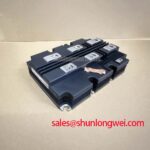
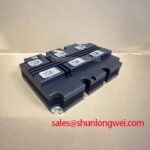
Infineon FZ750R65KE3 IGBT: Datasheet-Verified Reliability
Engineered for exceptional thermal endurance, this 6500V IGBT module delivers sustained performance in demanding high-voltage power systems.
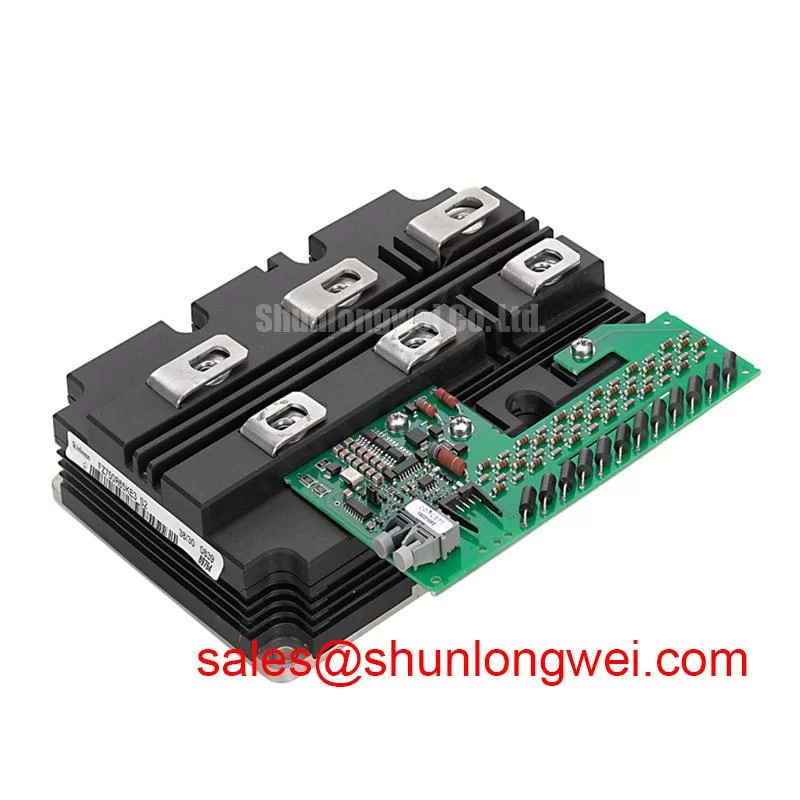
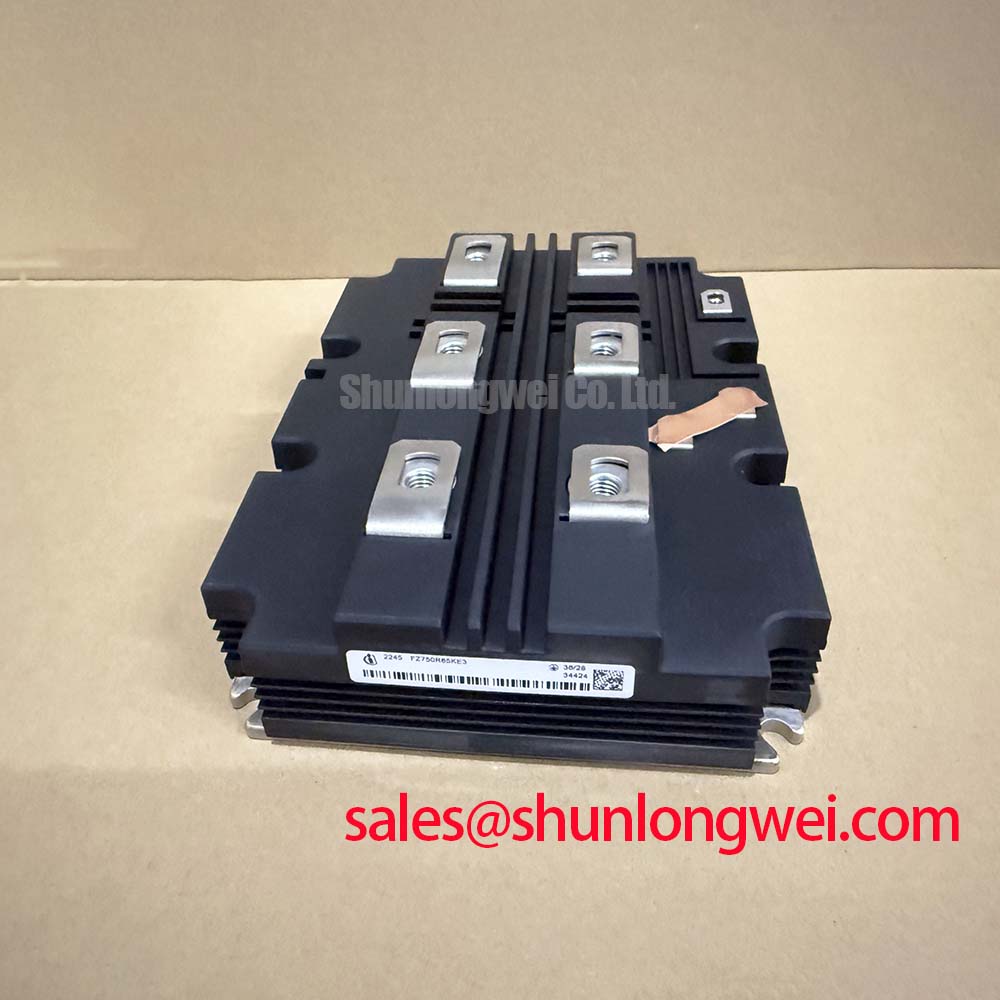
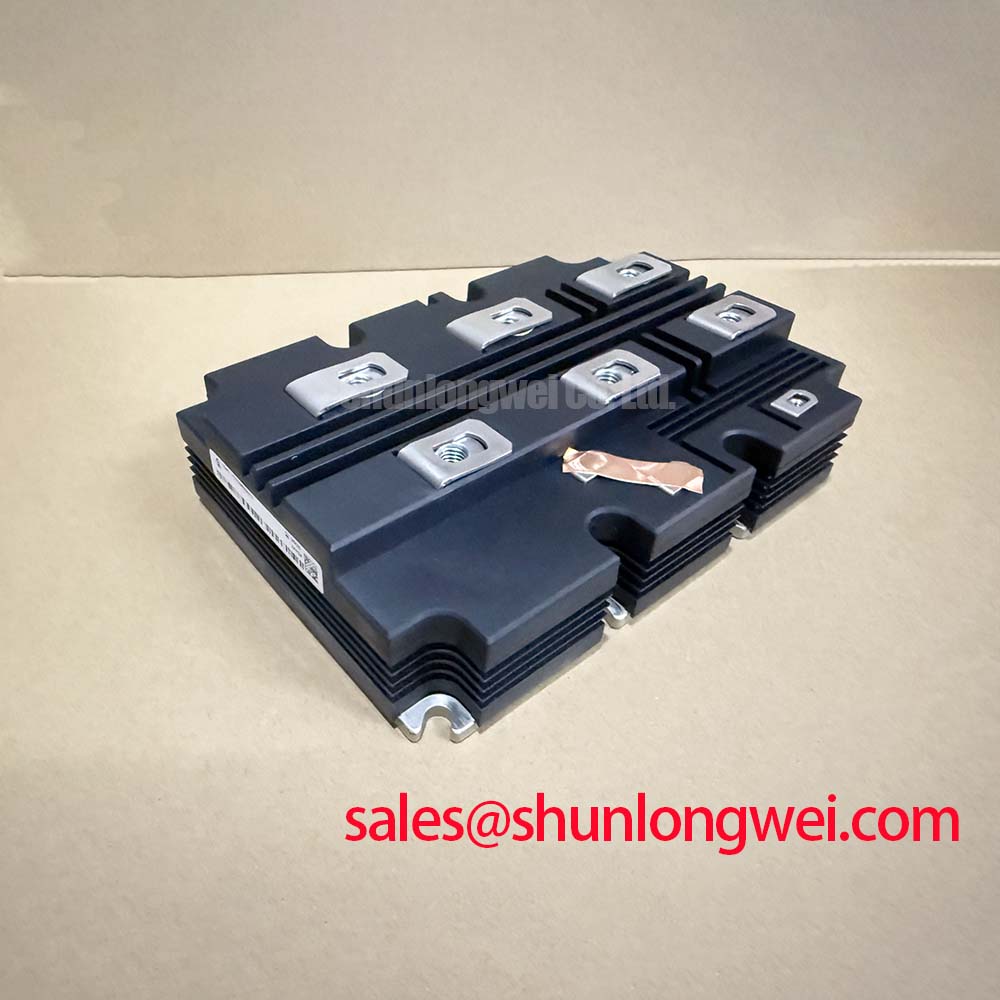
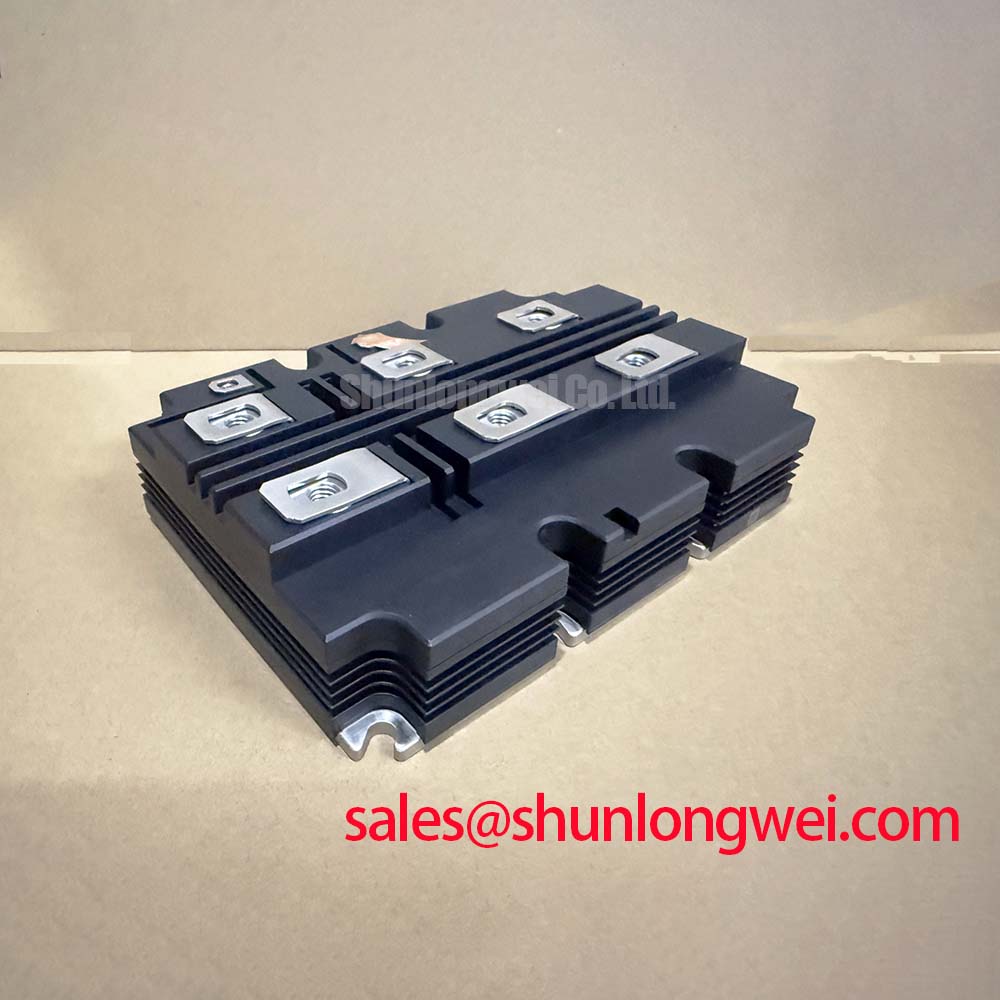
The Infineon FZ750R65KE3 is a high-voltage IGBT module designed for superior operational stability and an extended service life. As industrial systems push for higher power density and reduced downtime, the thermal performance of core components becomes a critical design factor. This module directly addresses that need by integrating proven TrenchSTOP™ IGBT3 technology with a robust housing, which minimizes thermal stress and enhances power cycling capabilities. This approach reduces heat generation at the source, directly contributing to greater system reliability and a lower total cost of ownership.
Top Specs: 6500V | 750A | VCE(sat) 2.10V (typ.)
Key Benefits:
- Enhanced system longevity
- Improved thermal management
Aligning with Megatrends: Reliability in Electrification
The global push towards electrification and renewable energy places immense pressure on power electronics. Components are expected to operate flawlessly for decades in harsh environments, from offshore wind farms to heavy-duty traction drives. The design philosophy behind the Infineon FZ750R65KE3 directly supports these trends. Its high blocking voltage of 6500V provides a significant safety margin for medium-voltage systems, while its architecture focuses on minimizing the thermal fatigue that often leads to premature failure in lesser components. This emphasis on durability ensures that systems built around this module can meet the stringent uptime requirements of modern energy and transportation infrastructure. For further reading on the evolution of IGBTs, explore our guide on IGBT modules as the backbone of high-efficiency systems.
Data-Backed Performance for Thermal Design
Accurate technical data is the foundation of any reliable system design. The FZ750R65KE3 provides transparent, verifiable performance metrics that empower engineers to model and predict thermal behavior with confidence. For high-power systems where long-term operational stability is critical, the FZ750R65KE3's documented thermal cycling capability makes it a primary candidate for reducing lifecycle costs.
| Parameter | Value |
|---|---|
| Collector-Emitter Voltage (VCES) | 6500 V |
| Nominal Collector Current (IC nom) | 750 A |
| Collector-Emitter Saturation Voltage (VCEsat, typ. at IC nom) | 2.10 V |
| Gate-Emitter Threshold Voltage (VGE(th)) | 5.8 V |
| Maximum Junction Temperature (Tvj op) | 125 °C |
| Thermal Resistance, Junction to Case (RthJC) per IGBT | 8 K/kW |
Download the Complete FZ750R65KE3 Datasheet
Deployment Scenarios Demanding Enduring Performance
The FZ750R65KE3 is specified for applications where electrical and thermal stresses are significant and long-term reliability is a primary consideration. Its robust construction and high voltage rating make it a suitable component for the core of next-generation power conversion platforms.
Primary Application Arenas:
- Medium Voltage Drives (MVD): In large-scale industrial motors and pumps, the module's stability ensures continuous operation, minimizing costly production halts.
- Traction: Suitable for main and auxiliary inverters in commercial, construction, and agricultural vehicles (CAV), where vibration and thermal cycling are constant challenges.
- Power Transmission & Distribution: Serves as a reliable switching element in flexible AC transmission systems (FACTS) and high-voltage DC (HVDC) power transmission, contributing to grid stability.
- Renewable Energy: In large-scale wind turbine converters, its thermal endurance translates directly to a higher energy yield and reduced maintenance over the turbine's lifespan.
Anatomy of Thermal Robustness: Inside the FZ750R65KE3
The longevity of a high-power module is fundamentally tied to its ability to manage heat. The FZ750R65KE3 incorporates key technologies from Infineon to address this challenge directly, moving beyond simple current and voltage ratings to deliver sustained, predictable performance.
VCE(sat) and Conduction Losses
A key parameter is the collector-emitter saturation voltage, VCE(sat), which is a direct indicator of how much energy is lost as heat during the 'on' state. The FZ750R65KE3 features a typical VCE(sat) of 2.10 V at its nominal current. This low value minimizes conduction losses, which in turn reduces the overall thermal load on the module. What is the primary benefit of its low VCE(sat)? It directly reduces heat generation, enabling more compact heatsink designs. For a deeper understanding of this crucial parameter, see our guide on decoding IGBT datasheets.
Thermal Resistance (RthJC) Explained
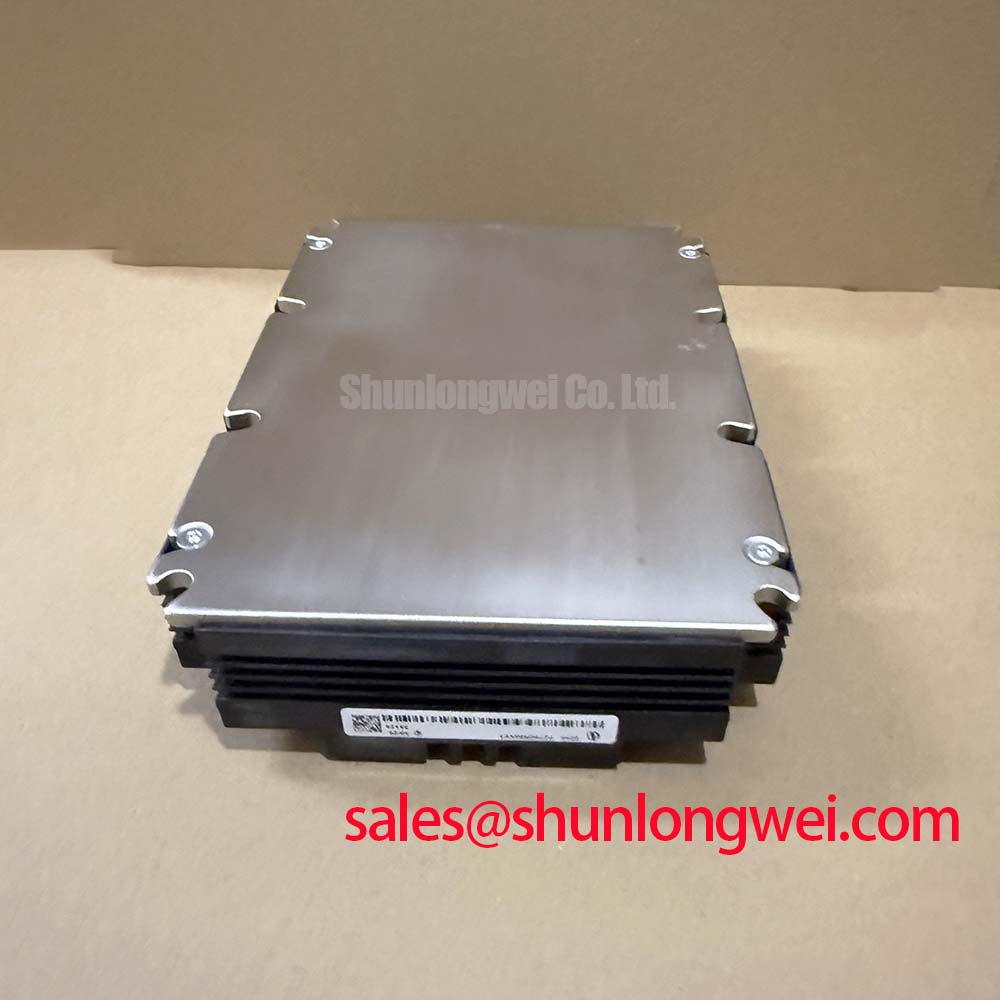
The thermal resistance from junction to case (RthJC) dictates how effectively heat generated by the IGBT chip can be transferred to the module's baseplate. Think of it like the diameter of a pipe: a lower RthJC value is like a wider pipe, allowing more heat to 'flow' away from the sensitive semiconductor junction. The FZ750R65KE3's low RthJC of 8 K/kW ensures efficient heat extraction, which is critical for preventing the junction temperature from exceeding its operational limits during high-load conditions.
Frequently Asked Questions
1. What is the significance of the 6500V rating for this module?
The 6500V collector-emitter voltage (VCES) provides a substantial safety margin for systems operating on medium-voltage grids, such as 3.3 kV or 4.16 kV lines. This high blocking voltage capability enhances the module's resilience against transient overvoltages, a common occurrence in industrial and grid-tied applications, thereby improving overall system robustness.
2. How does the TrenchSTOP™ IGBT3 technology in the FZ750R65KE3 contribute to reliability?
TrenchSTOP™ IGBT3 technology provides an optimized balance between conduction losses (low VCE(sat)) and switching losses. This balance is particularly effective for applications operating in the medium frequency range (a few kHz). By preventing excessive heat generation during both on-state and switching events, it reduces thermal stress on the chip and its surrounding materials, leading to a longer operational life.
3. Is this module suitable for paralleling to achieve higher current output?
Yes, the datasheet specifies characteristics that facilitate paralleling. The positive temperature coefficient of VCE(sat) helps ensure thermal stability and current sharing among parallel-connected modules. However, for successful implementation, careful attention must be paid to symmetrical busbar design, gate drive layout, and thermal management to ensure balanced load distribution. For applications requiring higher intrinsic current handling, the related FZ900R12KE4 provides a higher current rating in a similar voltage class.
4. What are the key considerations for the gate drive circuit for the FZ750R65KE3?
Designing a robust gate drive is crucial. The recommended gate-emitter voltage is +15V for turn-on and -15V for turn-off to ensure clean switching and prevent parasitic turn-on. Due to the high voltage and current being switched, a gate driver with high dv/dt immunity and sufficient current capability is necessary to charge and discharge the gate capacitance effectively. Implementing a dedicated Kelvin Emitter connection is also recommended to bypass stray inductance in the main emitter path for more precise gate control.
Strategic Outlook for System Design
Incorporating the FZ750R65KE3 into a power system design is a strategic choice that prioritizes long-term value over initial component cost. Its focus on thermal stability and robust high-voltage operation aligns with the industry's trajectory towards more powerful, efficient, and durable electrification solutions. By building on a foundation of components engineered for longevity, designers can deliver systems that not only meet today's performance specifications but are also prepared to offer reliable service for years to come, reducing the total cost of ownership and enhancing brand reputation.