


Content last revised on September 10, 2026
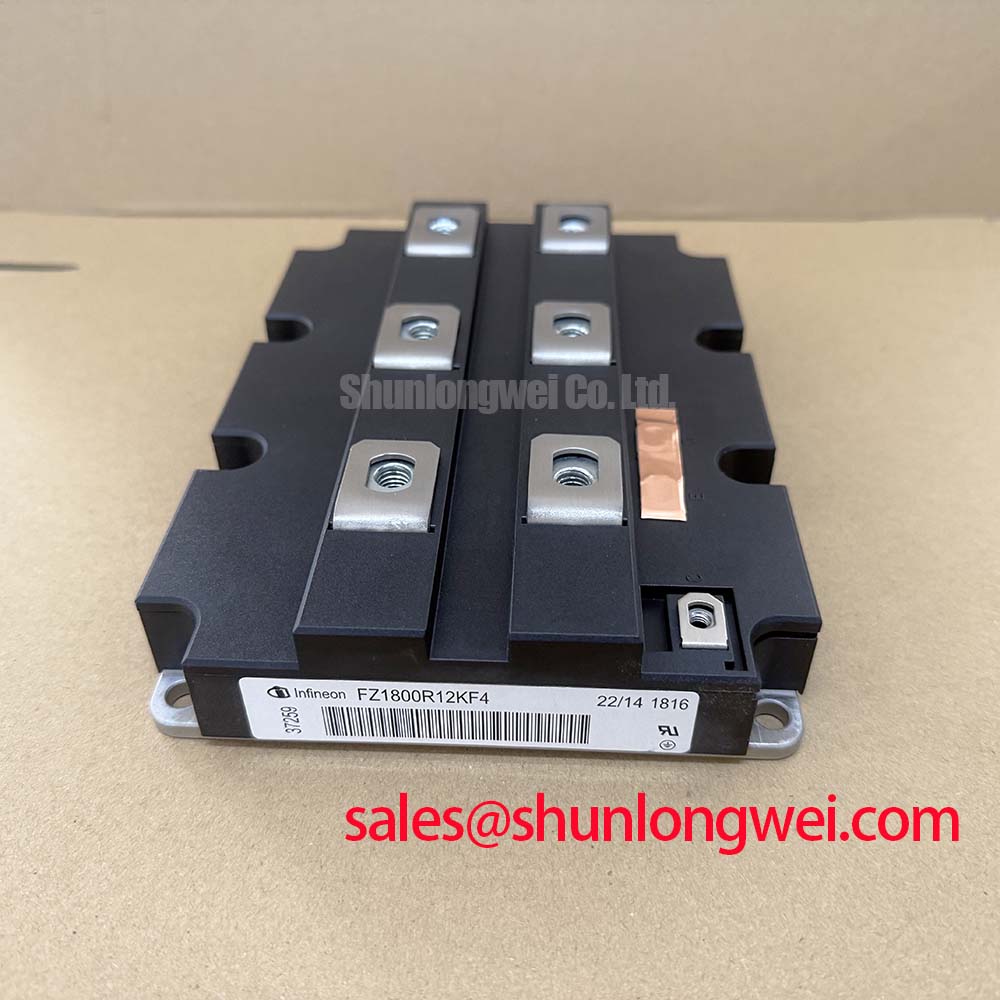
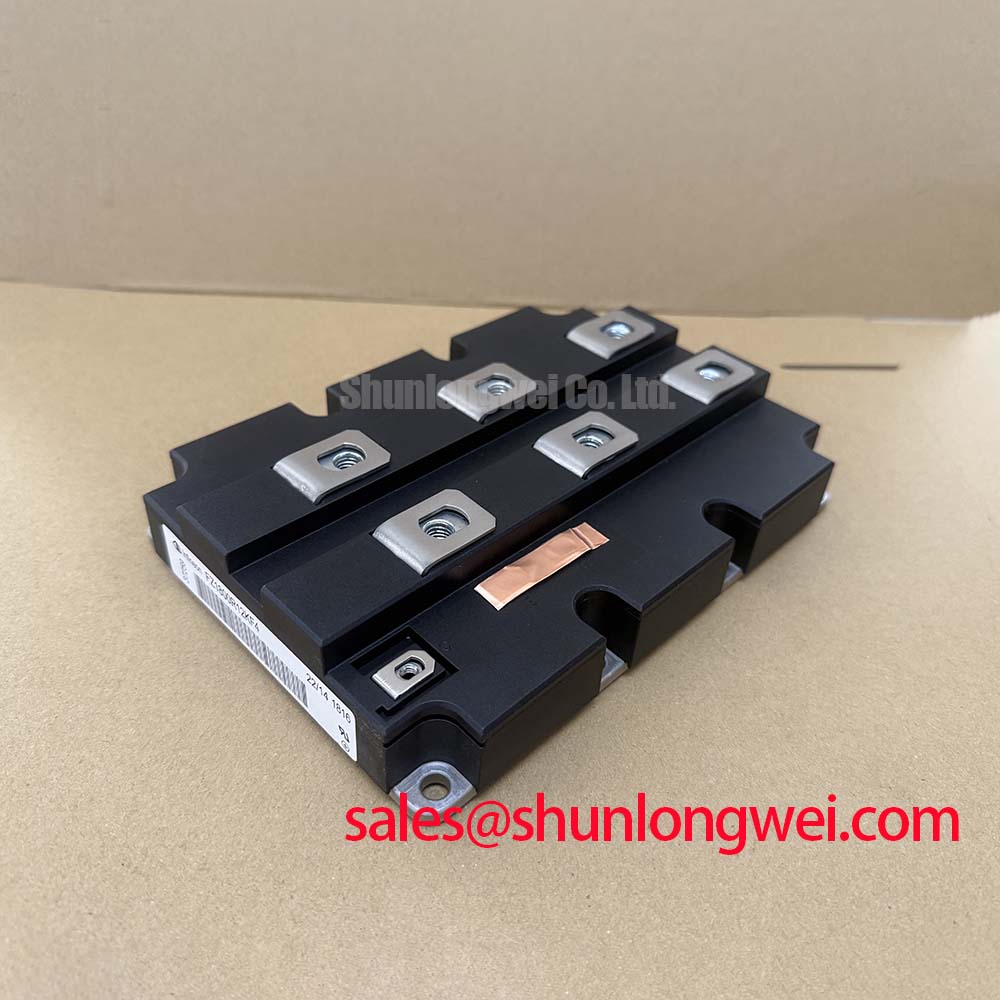
Infineon FZ1800R12KF4 IGBT: 1200V 1800A Module Review
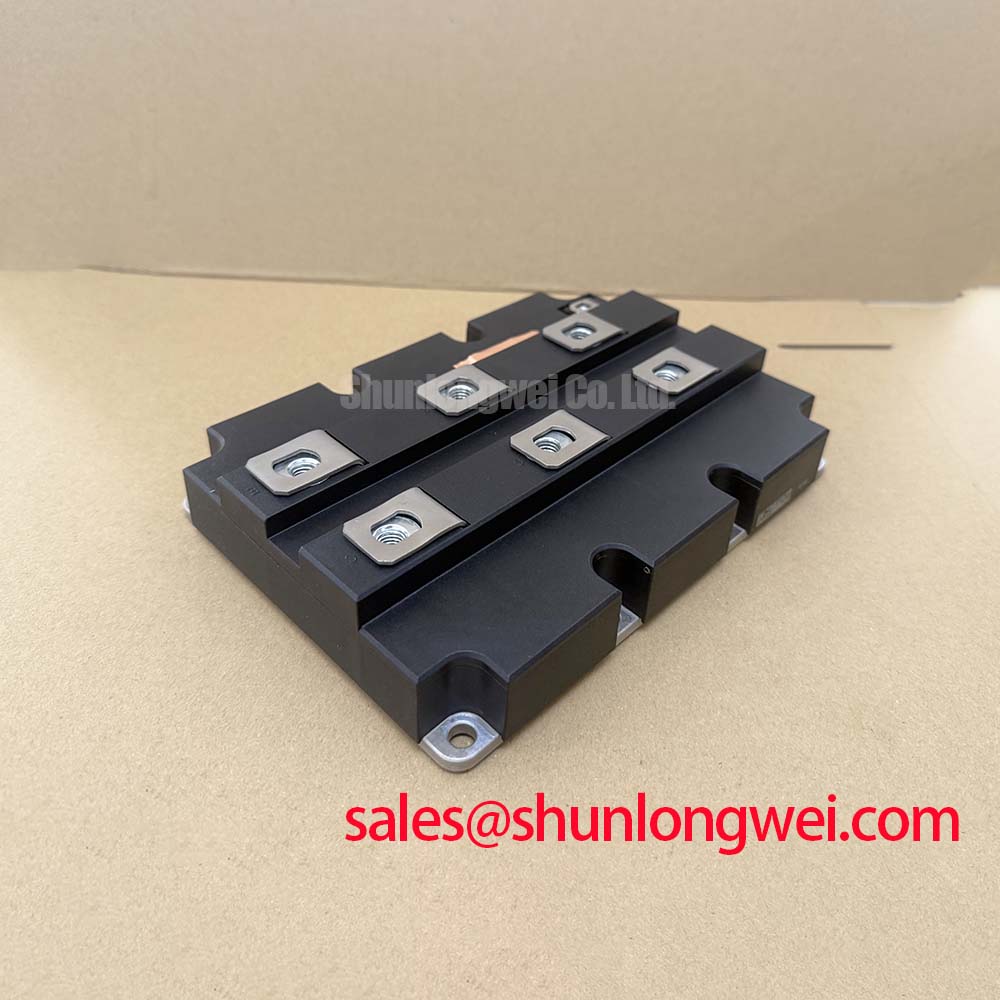
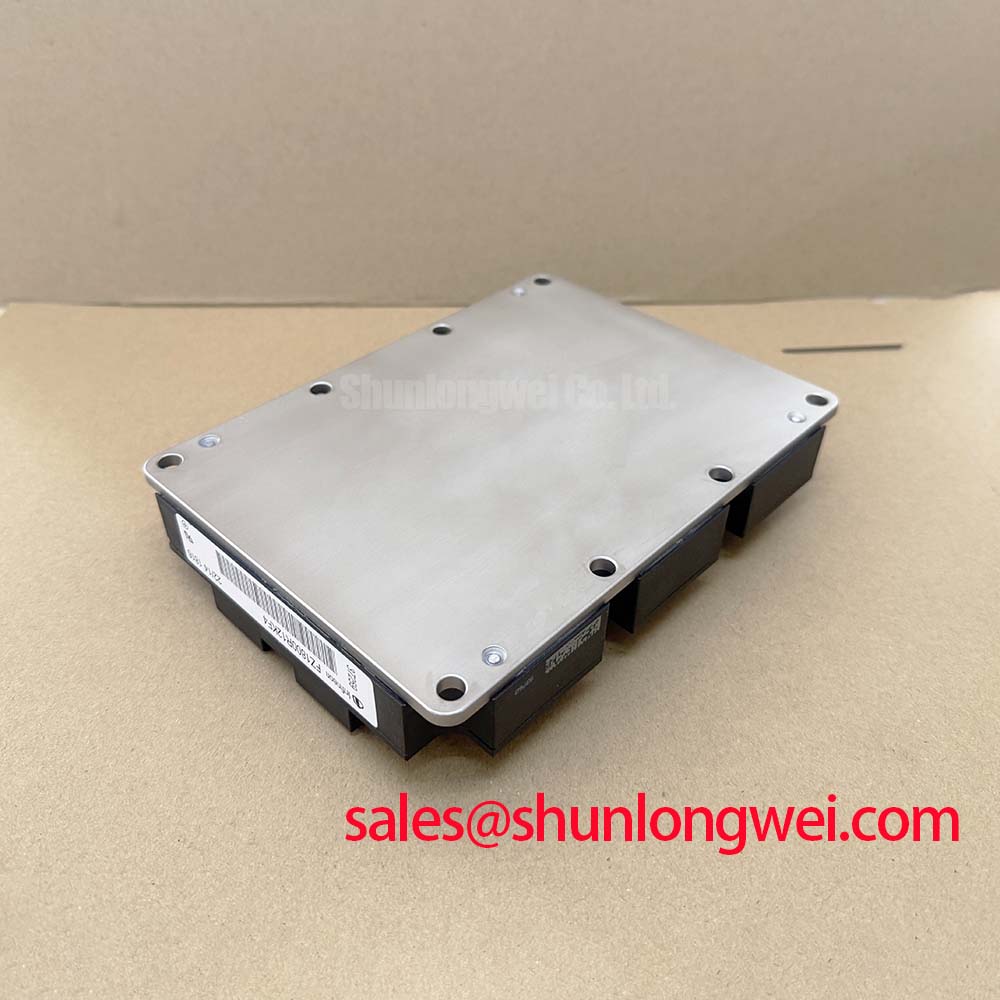
As power conversion systems push into the megawatt range, the FZ1800R12KF4 IGBT module provides the thermal stability and current handling essential for next-generation designs. This module is engineered to minimize thermal stress, directly enhancing the operational lifespan of high-power inverters. Key Specifications: 1200V | 1800A | Rth(j-c) 0.011 K/W. Its primary advantages include superior heat dissipation and robust mechanical construction. For engineers questioning how to manage thermals in high-current applications, the module's exceptionally low junction-to-case thermal resistance provides a fundamental design advantage, simplifying cooling system requirements and improving overall system reliability.
Data-Backed Reliability: A Look at Key Specifications
The technical parameters of the FZ1800R12KF4 are foundational to its performance in demanding power systems. The specifications provided below are derived from the official datasheet to support your engineering evaluation and thermal modeling. For a comprehensive list of parameters, please Download the Datasheet.
| Parameter Category | Characteristic | Value | Conditions | |
|---|---|---|---|---|
| Electrical Characteristics | IGBT | Collector-Emitter Voltage (VCES) | 1200 V | Tvj = 25°C |
| Continuous Collector Current (IC,nom) | 1800 A | TC = 80°C | ||
| Diode | Repetitive Peak Reverse Voltage (VRRM) | 1200 V | Tvj = 25°C | |
| Forward Current (IF,nom) | 1800 A | TC = 80°C | ||
| Thermal & Mechanical | Thermal Resistance | Junction-to-Case (Rth(j-c)) per IGBT | 0.011 K/W | - |
| Junction-to-Case (Rth(j-c)) per Diode | 0.019 K/W | - | ||
| Isolation | Isolation Test Voltage (VISOL) | 4.0 kV | RMS, f = 50 Hz, t = 1 min. | |
Powering Megawatt Systems: Core Application Arenas
The FZ1800R12KF4 is specifically developed for high-stress, high-current power conversion stages where long-term operational stability is crucial. Its robust thermal architecture makes it a cornerstone component in several key industrial and renewable energy sectors.
- Wind Turbine Inverters: In multi-megawatt wind turbines, the module's ability to handle high currents and efficiently dissipate heat is critical for maximizing energy harvest and ensuring grid stability, even under fluctuating load conditions. The low thermal resistance is instrumental in maintaining junction temperatures within safe limits, contributing to system longevity.
- Central Solar Inverters: For large-scale photovoltaic farms, this IGBT module facilitates the conversion of massive amounts of DC power to grid-ready AC. Its thermal efficiency helps reduce the size and cost of cooling systems, thereby lowering the Levelized Cost of Energy (LCOE).
- High-Power Industrial Motor Drives: In applications such as mining, marine propulsion, and heavy manufacturing, the FZ1800R12KF4 provides the precise and powerful control needed for large-scale motors. Its resilience to thermal cycling ensures dependable performance and minimizes costly downtime. What is the key to its long-term reliability? The combination of a low Rth(j-c) and a proven industrial housing mitigates wear-out mechanisms.
For systems with different voltage requirements, such as those built for 1700V applications, the FZ1600R17HP4-B2 provides an alternative design path with a higher voltage rating.
Proven Performance in the Field
While specific deployment details are proprietary, a typical application profile for the FZ1800R12KF4 involves integration into the main inverter of a 2 MW-class wind turbine. In such a scenario, the module's capacity to manage nominal currents of 1800A allows designers to achieve high power density. The module's thermal resistance of 0.011 K/W per IGBT is a critical enabler, allowing the system to operate at a higher output power for a given heatsink size compared to components with higher thermal impedance. This directly translates to more efficient cooling and a more compact, cost-effective inverter design, which is a significant competitive advantage in the renewable energy market.
Meeting the Demands of a Power-Hungry Future
The global push towards electrification and renewable energy sources creates an escalating demand for power electronics capable of handling immense power loads with greater efficiency and dependability. The Infineon FZ1800R12KF4 directly addresses this trend. Its design philosophy is centered on maximizing thermal headroom, which is not merely a performance metric but a strategic advantage. By enabling lower operating temperatures, the module helps extend the power cycling capability of the entire system. This focus on thermal resilience aligns with industry goals for a lower Total Cost of Ownership (TCO) and supports the development of more sustainable and robust energy infrastructure. To learn more about the principles of heat dissipation, exploring resources on Thermal Resistance can provide valuable context.
Technical Specifications for Evaluation
When selecting a high-power IGBT, a direct comparison of key performance indicators is essential for making an informed decision. The FZ1800R12KF4 is distinguished by its combination of high current capacity and excellent thermal metrics. Engineers should evaluate these parameters in the context of their specific system requirements, such as operating frequency, DC link voltage, and cooling strategy. The data presented here serves to facilitate this analysis, empowering designers to model system performance accurately. In designs where a slightly lower current rating is acceptable, the FZ1200R12KF5 presents a related option within the same product family for consideration. For large-scale industrial drives operating at higher DC-link voltages, the 1800A, 1600V FZ1800R16KF4_S1 offers an alternative with a higher blocking voltage capability.
Engineering for Longevity: Thermal Design Insights
A deep understanding of the FZ1800R12KF4's thermal design is key to unlocking its full potential for reliability. The module's low thermal resistance (Rth(j-c)) is the most critical parameter in this regard. This value acts as a bottleneck rating for heat transfer; think of it like the diameter of a pipe, where a larger pipe (lower resistance) allows more water (heat) to flow through easily. With a low Rth(j-c) of 0.011 K/W for the IGBT, the FZ1800R12KF4 ensures that heat generated at the semiconductor junction is transferred efficiently to the module's baseplate and, subsequently, to the heatsink. This efficiency directly reduces the junction temperature (Tvj), which is the primary factor influencing the device's operational lifetime and its resilience against degradation from thermal cycling. Effective thermal management is therefore not just about preventing overheating; it is a fundamental strategy for building durable and dependable power conversion systems.
Frequently Asked Technical Questions
1. How does the industrial standard housing of the FZ1800R12KF4 contribute to its reliability?
The module utilizes a housing with a proven track record in high-vibration and thermally demanding environments. Its standardized footprint and robust terminal construction simplify mechanical integration onto heatsinks and busbars, ensuring secure, low-inductance connections. This mechanical stability is essential for preventing connection fatigue and maintaining consistent thermal contact over the system's entire service life.
2. What are the primary considerations for designing a cooling system for the FZ1800R12KF4?
The primary goal is to maintain the junction temperature (Tvj) well below the specified maximum of 150°C. Given the module's high power dissipation, a liquid cooling system is typically recommended. Key design steps include: selecting a heatsink (cold plate) with a very low thermal resistance, ensuring a uniform and high-quality thermal interface material (TIM) application between the module baseplate and heatsink, and calculating the required coolant flow rate based on the total power losses at your specific operating point (conduction and switching losses).
For further technical inquiries or to discuss how the FZ1800R12KF4 can be integrated into your next high-power project, please contact our technical support team for detailed information.