Content last revised on May 14, 2026
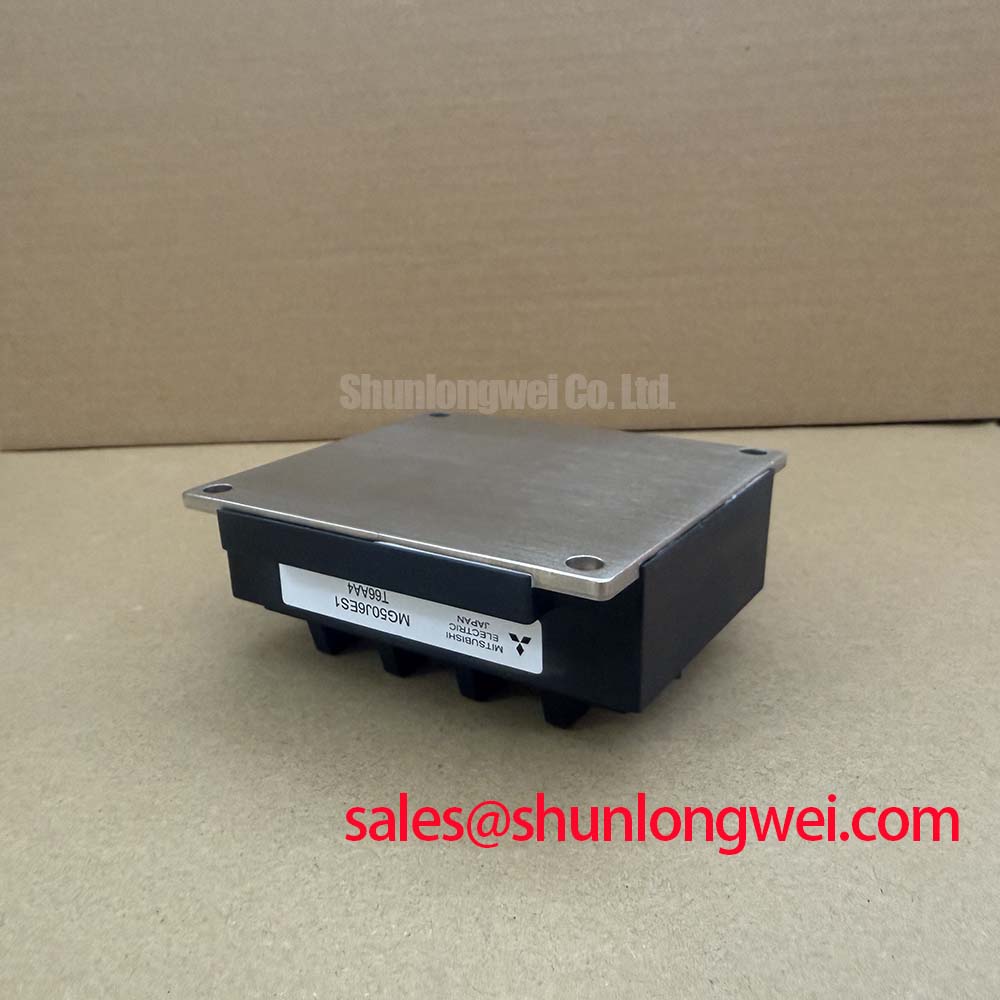
MG50U6ES1 Toshiba 1600V 50A 6-Pack IGBT Module: Essential Specifications
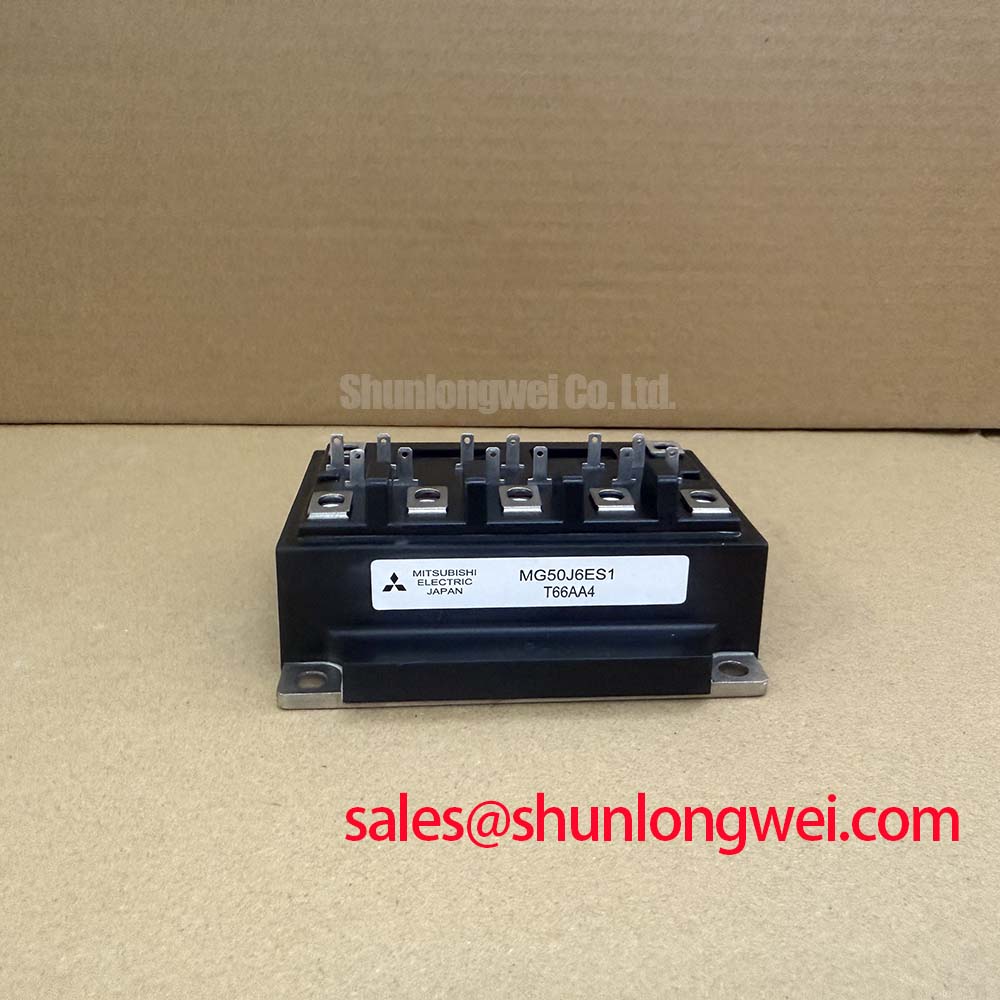
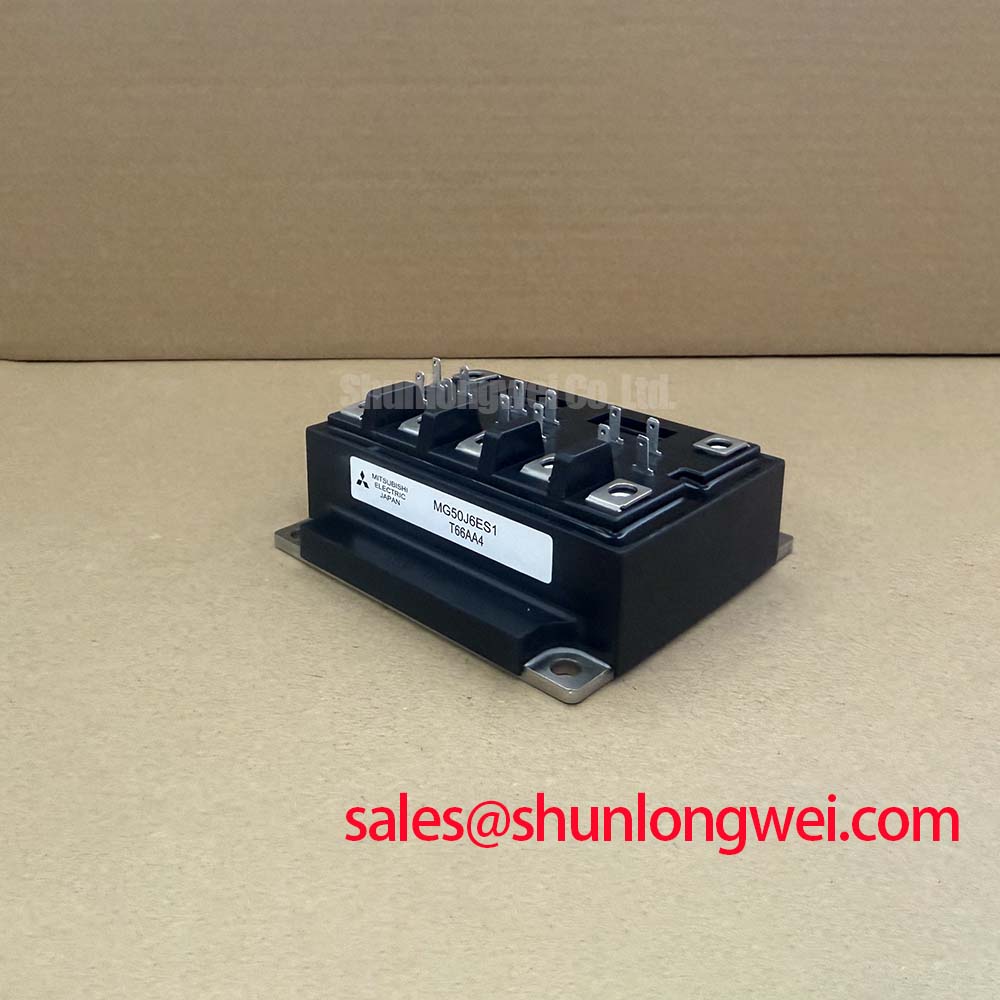
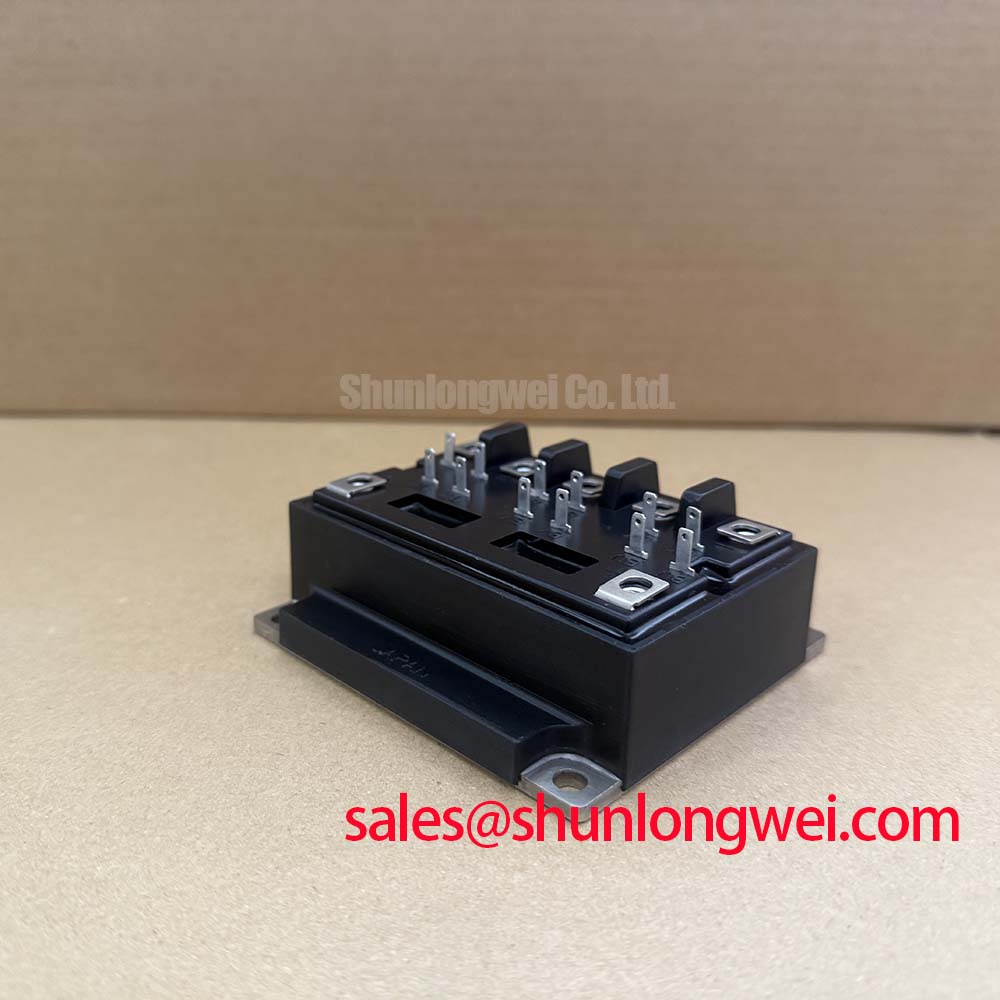
The MG50U6ES1 delivers robust 1600V, 50A power handling in a 6-pack configuration, designed specifically for high-reliability 3-phase motor drives. Its core specifications—1600V maximum collector-emitter voltage and 50A continuous current—simplify inverter stage layout while enhancing high-voltage operational safety margins. For systems demanding high line-voltage compatibility, this module provides the necessary headroom for unstable industrial AC networks. For heavy-duty 690V drives prioritizing voltage margin, this 1600V module is the optimal choice.
Key Parameter Overview
Decoding the Specs for Enhanced Voltage Reliability
Below is a breakdown of the primary technical attributes based on standard nomenclature and 6-pack design characteristics. These parameters define its capability in power conversion systems.
| Specification | Value | Value Interpretation |
|---|---|---|
| Manufacturer | Toshiba | Trusted silicon design for heavy industrial power control. |
| Module Configuration | 6-Pack (Three-Phase Bridge) | Integrates six IGBTs, reducing PCB space and parasitic inductance compared to discrete setups. |
| Vces (Collector-Emitter Voltage) | 1600V (Class U) | Provides substantial overvoltage margin for 690V line applications, preventing breakdown during transients. |
| Ic (Continuous Collector Current) | 50A | Suitable for medium-power motor drives and industrial servo controllers. |
Download the MG50U6ES1 datasheet for detailed specifications and performance curves.
Application Scenarios & Value
Achieving System-Level Benefits in High-Voltage Inverters
Engineers frequently confront voltage spikes in industrial 690V grid environments. The 1600V blocking capability of the MG50U6ES1 acts as a physical buffer, significantly reducing the risk of catastrophic failure during grid fluctuations. Like a high-pressure relief valve in a hydraulic system, this elevated voltage rating ensures that sudden electrical surges do not rupture the semiconductor junctions. Furthermore, this high breakdown voltage is crucial for managing the excessive back-EMF generated during the rapid deceleration of heavy rotating loads.
In a typical Variable Frequency Drive (VFD) application, this 6-pack module directly forms the output 3-phase AC motor control stage. By integrating the entire inverter bridge into a single cohesive housing, it drastically minimizes the loop inductance that causes destructive PWM switching transients. Designing around this integrated component also eases compliance with stringent industrial safety standards regarding clearance and creepage distances. While this model is ideal for extended voltage margins in heavy machinery, for systems operating on standard 400V lines requiring higher current handling, the related CM100DY-24H offers a 100A rating to manage larger mechanical loads.
Intra-Series Comparison & Positioning
Navigating the 50A IGBT Selection Matrix
When evaluating the MG50U6ES1 against its closely related counterparts, engineers must balance voltage ratings against switching speeds and conduction losses. Standard 1200V modules often exhibit a slightly lower Vce(sat) due to the thinner silicon die required for a 1200V blocking threshold. However, this marginal efficiency gain comes at the cost of transient vulnerability on 690V grids.
This trade-off is comparable to choosing thicker armor for a vehicle; while it slightly increases the weight and reduces agility (higher conduction losses), it provides essential protection against heavy impacts (destructive voltage transients). By opting for the 1600V-rated 'U' class, designers intentionally trade a fractional increase in conduction loss for massive gains in grid resilience. This positions the MG50U6ES1 as a specialized problem-solver for environments plagued by severe harmonic distortion and frequent voltage sags. In contrast, if the application operates strictly on stable 400V mains and prioritizes high-frequency switching, a standard 1200V variant might be preferred. Understanding this physical trade-off between breakdown voltage and saturation voltage is fundamental to optimal power stage design.
Frequently Asked Questions
Addressing Common Design Considerations
What does the U designation signify?
It denotes a 1600V collector-emitter rating, providing critical overvoltage protection for 690V industrial grids.
Why choose a 6-pack configuration?
It integrates all six IGBTs, reducing PCB space and minimizing destructive parasitic inductance.
What are the primary target applications for this specific module?
It is predominantly implemented in medium-power variable frequency drives, heavy-duty industrial servo controllers, and UPS systems that interface with demanding AC mains. For broader context, see this in-depth analysis of IGBT modules.
Why opt for a 1600V module instead of a standard 1200V component?
The 1600V rating offers an expanded Safe Operating Area (SOA) regarding voltage transients. This extra margin is critical in environments with poor power quality or high inductive load switching, operating much like an IGBT Module optimized for extreme grid instability.
What are the recommended procedures for field evaluation?
Maintenance personnel should execute static junction measurements on both the gate and collector paths. For a detailed breakdown of this procedure, reference this guide on how to test an IGBT module with a multimeter.
From an engineering perspective, deploying the MG50U6ES1 translates to prioritizing electrical robustness. Selecting a component with a 1600V threshold for medium-power applications ensures that voltage transients remain a manageable variable rather than a single point of failure.