
Content last revised on September 10, 2026
Toshiba MIG30J103H: Integrating Precision Control and Robust Protection in 600V 30A Systems
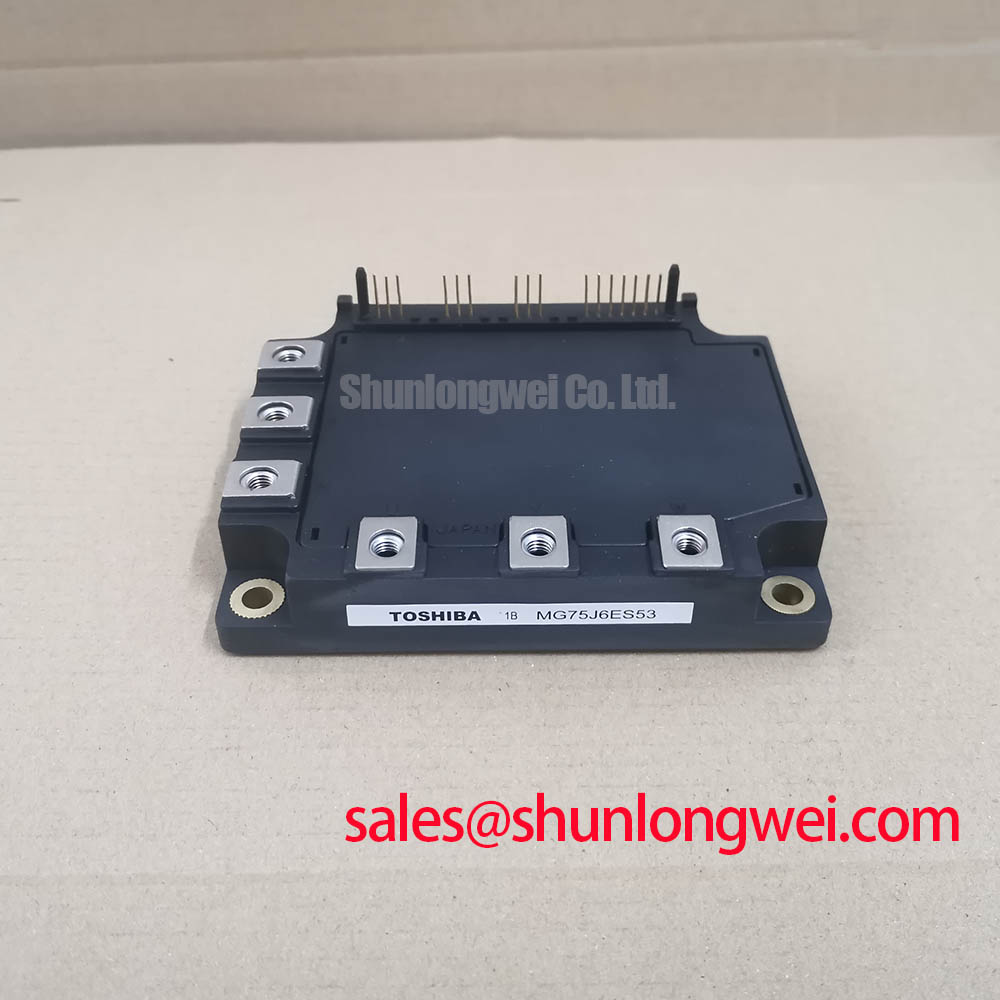
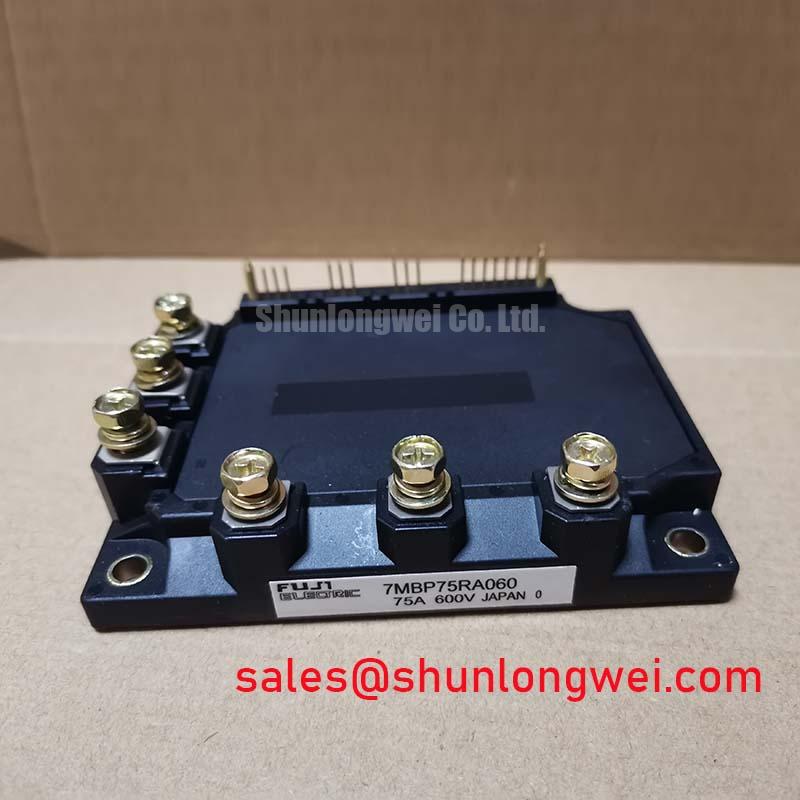
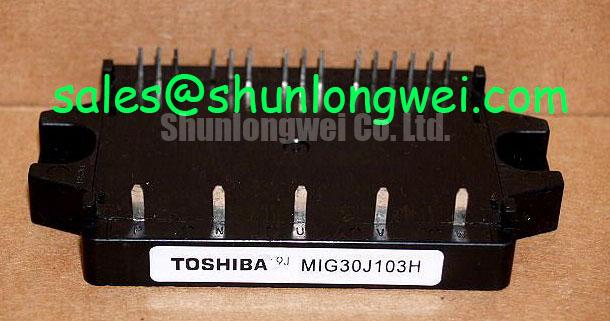
The Toshiba MIG30J103H is a high-performance Intelligent Power Module (IPM) designed to streamline the engineering of high-efficiency motor drive systems. By integrating a three-phase inverter bridge with an additional brake stage and dedicated drive/protection circuitry, this 600V 30A module significantly reduces the total component count while enhancing system-level reliability. For engineers prioritizing compact thermal footprints and long-term stability in 2.2kW industrial drives, this integrated approach offers a proven solution to the complexities of discrete power stage design.
- UVP Statement: A pre-validated power stage solution that eliminates discrete gate-driver complexities, ensuring failsafe operation through integrated thermal and overcurrent safeguards.
- Top Specs: 600V Vces | 30A Ic | 2500Vrms Isolation Voltage.
- Key Benefits: Minimizes PCB parasitic inductance; provides real-time fault output signals for system protection.
- Primary Problem Answered: How can I ensure reliable short-circuit protection in a compact servo drive? The MIG30J103H provides built-in Overcurrent (OC) and Undervoltage Lockout (UV) protection with a dedicated fault terminal, reacting faster than software-based external monitoring.
Application Scenarios & Value
Achieving System-Level Benefits in High-Frequency Power Conversion
Engineers often face the challenge of balancing high power density with the physical constraints of industrial enclosures. The MIG30J103H addresses this by centralizing the power switching and control logic. In a high-fidelity engineering scenario, such as a precision Servo Drive application, managing the inrush current during high-torque startup is critical. The module’s 30A rating, combined with its optimized VCE(sat), allows it to handle 2.2kW motor starts with minimal thermal stress compared to fragmented discrete solutions.
Beyond standard motor control, this module is an excellent fit for Uninterruptible Power Supplies (UPS) and Inverter Air Conditioners where electromagnetic interference (EMI) must be kept to a minimum. The internal wiring of the IPM is designed to minimize the loop area between the driver and the IGBT gates, naturally suppressing high-frequency noise. While this module is ideal for 600V class systems, for applications requiring higher current handling, the related PM150CVA120-2 offers an alternative current rating for modular scaling.
For systems prioritizing high-efficiency motor drive, the MIG30J103H represents a strategic choice for engineers who value pre-optimized switching characteristics. You can find more details on how these components function in our guide on IGBT Modules technology.
Technical Deep Dive
Analyzing the Integrated Protection Logic and Switching Performance
The internal architecture of the MIG30J103H is characterized by its "muscle and nerve" integration. The IGBT power stage (the muscle) is directly bonded to a ceramic substrate for optimal thermal dissipation, while the control logic (the nerve) sits in close proximity to monitor the junction conditions. This Intelligent Power Module (IPM) utilizes Toshiba’s proprietary high-speed IGBT chips, optimized for switching frequencies that typically range from 5kHz to 20kHz, making it ideal for acoustic-noise-sensitive environments.
A critical engineering feature of this module is its Fault Output (Fo) function. When the internal sensors detect Overcurrent (OC) or Undervoltage Lockout (UV) on the control supply, the module immediately shuts down the gate drive and pulls the Fo pin low. This hardware-level intervention happens within microseconds, far quicker than a central MCU can process a fault via traditional sensors. This prevents catastrophic failure modes like desaturation, which are common when driving motors into a stalled or shorted state. Understanding these failure modes is essential for long-term reliability, as discussed in our analysis of IGBT failure prevention.
Key Parameter Overview
Decoding the Specs for Enhanced Thermal Reliability
The following technical specifications are derived from official Toshiba engineering data to assist in thermal management and circuit integration.
| Category | Parameter | Value / Specification |
|---|---|---|
| Power Stage | Collector-Emitter Voltage (Vces) | 600V |
| Power Stage | Collector Current (Ic DC) | 30A |
| Power Stage | Brake Collector Current (Ic) | 20A |
| Isolation | Isolation Voltage (Viso) | 2500Vrms (1 minute) |
| Control | Control Supply Voltage (Vcc) | 15V (Nominal) |
| Protection | Overcurrent Trip Level | 45A (Typical) |
| Protection | Over-Temperature Trip | 110°C (Minimum) |
| Thermal | Rth(j-c) IGBT (Per element) | 1.56 °C/W (Maximum) |
Download the MIG30J103H datasheet for detailed specifications and performance curves from the manufacturer’s technical portal.
Frequently Asked Questions
How does the built-in Overcurrent (OC) protection function in the MIG30J103H?
The module monitors the current flowing through each IGBT element. If the current exceeds the trip level (typically 45A), the internal logic triggers a soft-shutdown to prevent voltage spikes while simultaneously outputting a fault signal to the system controller.
Can I drive this module with a 3.3V logic MCU?
The MIG30J103H is typically designed for 5V logic levels. If using a 3.3V MCU, a level shifter or a high-speed optocoupler is recommended to ensure the input signal reliably crosses the high/low threshold under all operating conditions.
What is the primary benefit of the 2500Vrms isolation rating?
This high isolation rating ensures that the low-voltage control circuitry is safely decoupled from the 600V high-power bus, meeting stringent safety standards for industrial equipment and reducing the need for additional bulky isolation barriers.
What is the maximum recommended switching frequency for this IPM?
While the IGBTs are capable of higher speeds, the MIG30J103H is optimized for frequencies up to 20kHz. Operating beyond this limit may increase switching losses, potentially exceeding the thermal limits defined by the 1.56 °C/W thermal resistance.
Strategically, adopting an Intelligent Power Module like the MIG30J103H allows manufacturers to accelerate time-to-market by bypassing the lengthy gate-drive optimization phase. As industrial standards for energy efficiency tighten, the ability to deploy pre-validated, high-density power stages becomes a significant competitive advantage in the global Variable Frequency Drive (VFD) market.