


Content last revised on May 26, 2026
PDMB200B12C: Engineering Analysis of a 1200V, 200A CIB IGBT Module
An Integrated Power Stage for Reliable, Thermally-Managed Motor Drives
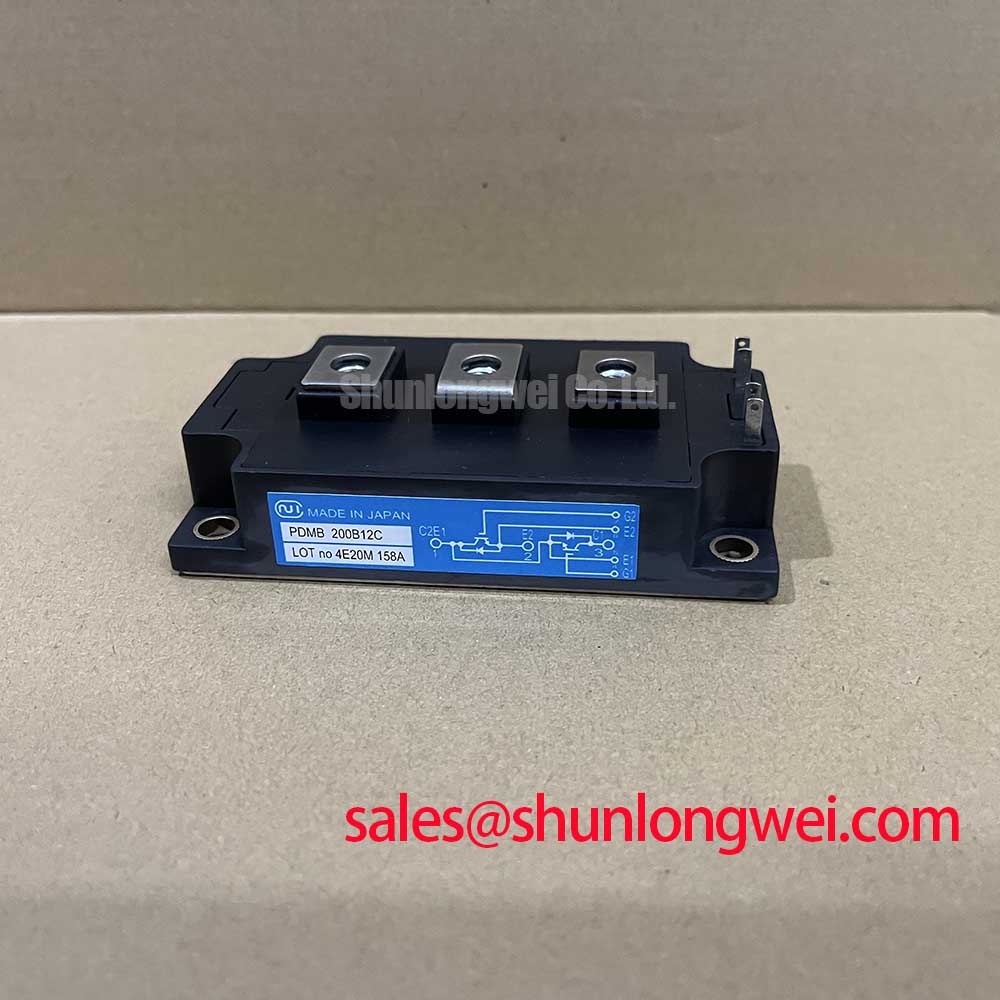
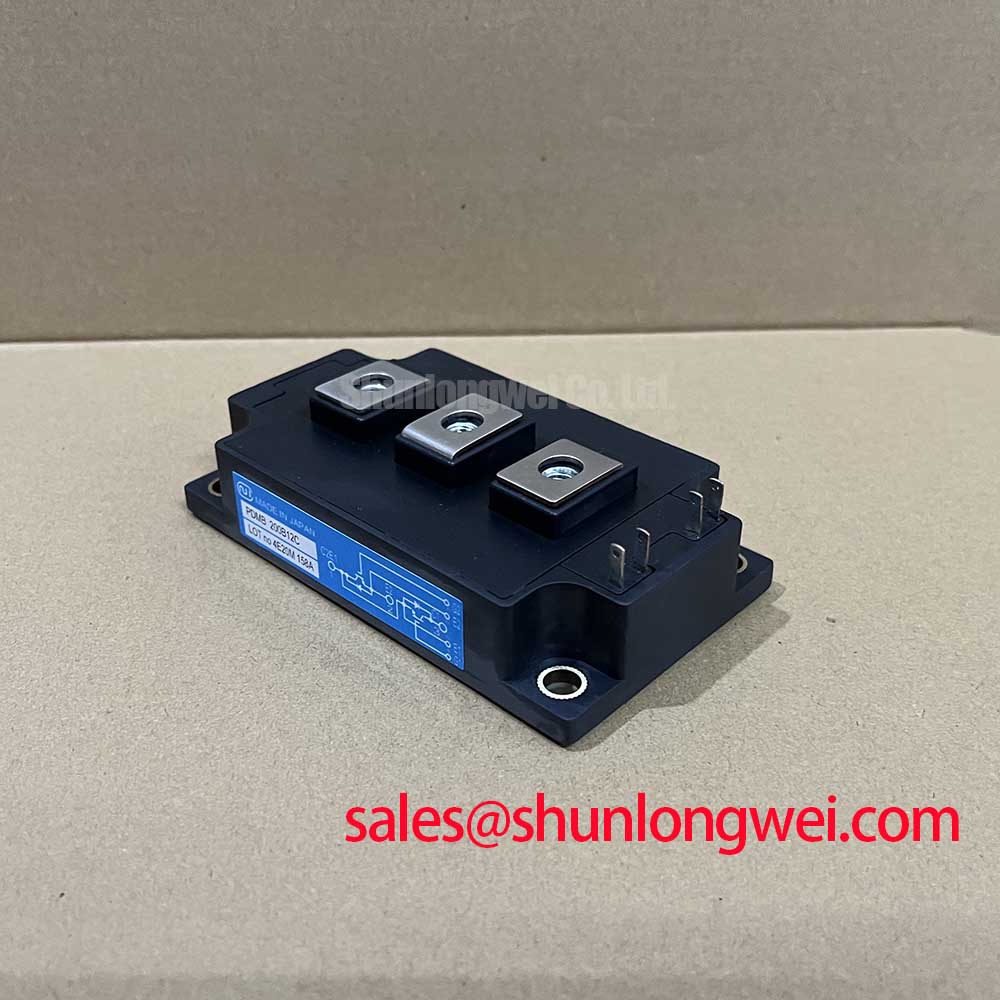
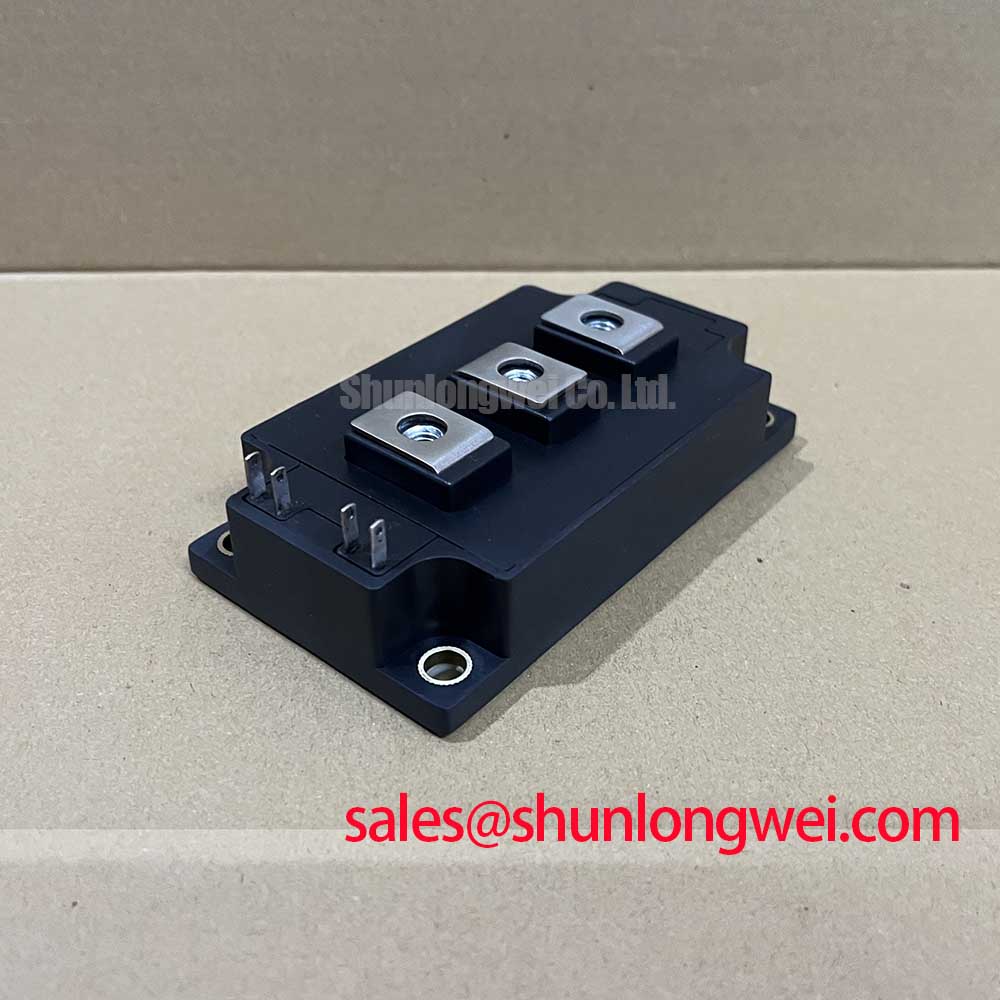
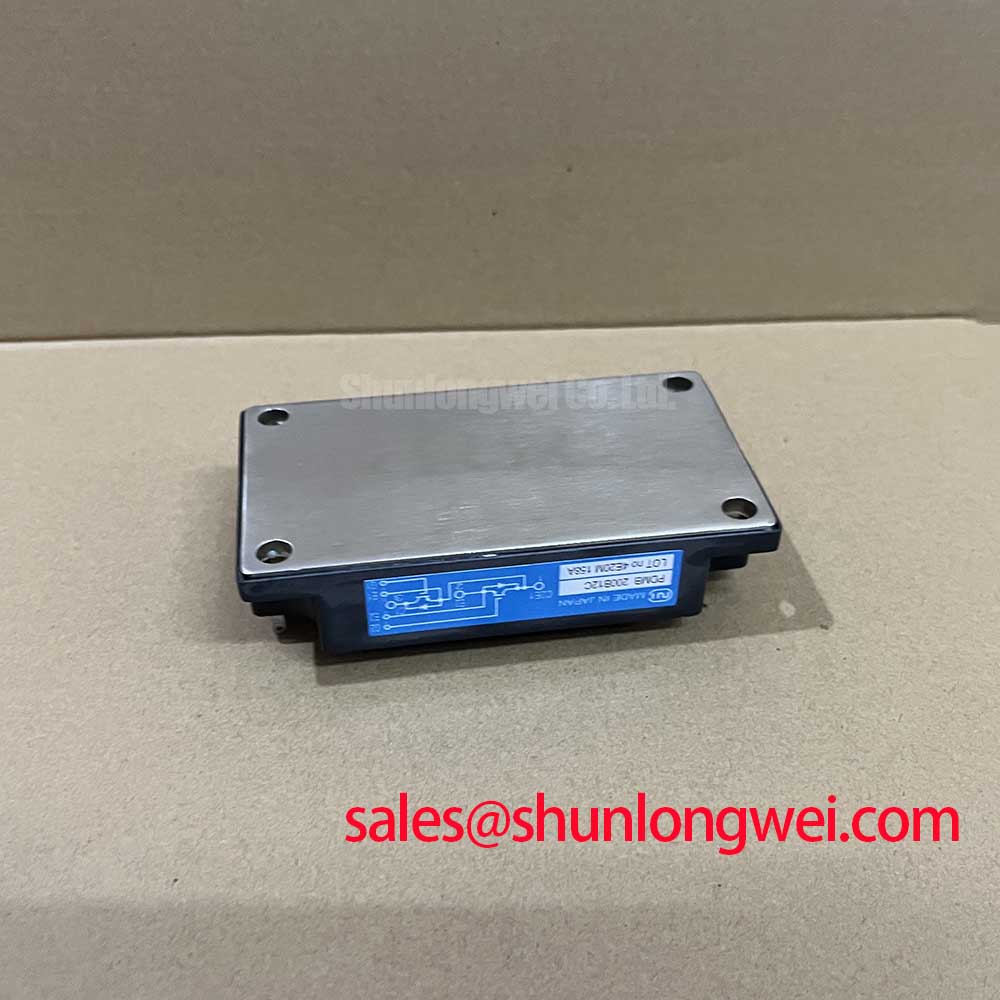
The NIEC PDMB200B12C is a high-integration IGBT module engineered to enhance the reliability and simplify the design of mid-power motor control systems. This Power Integrated Module (PIM) delivers a robust 1200V | 200A | VCE(sat) 1.7V (typ) specification set, offering significant advantages in thermal performance and system compactness. Key benefits include a reduced component count and superior thermal monitoring via an integrated NTC thermistor. For engineers developing compact Variable Frequency Drives (VFDs), this module provides a complete Converter-Inverter-Brake (CIB) power stage in a single, thermally efficient package. With its integrated NTC thermistor, the PDMB200B12C is the optimal choice for industrial drives requiring precise, real-time thermal protection and simplified assembly.
Application Scenarios & Value
Achieving Power Density and Reliability in Compact Industrial Drives
The PDMB200B12C is engineered for power conversion systems where reliability, efficiency, and a compact footprint are critical design constraints. Its primary application is in AC motor control, specifically within Variable Frequency Drives (VFDs) and servo drives operating on 380V to 480V AC lines.
Consider the engineering challenge of designing a 30-45 kW VFD for a conveyor system, which must fit into a sealed, space-constrained enclosure. Using discrete components for the rectifier, brake chopper, and inverter stages would increase PCB complexity, assembly time, and introduce parasitic inductances that can cause voltage overshoots. The PDMB200B12C's CIB (Converter-Inverter-Brake) topology directly solves this problem. By integrating all three power stages into one module, it drastically reduces the physical footprint and simplifies the power layout. This integration minimizes stray inductance, leading to cleaner switching and improved EMI performance. Furthermore, its integrated NTC thermistor provides direct, real-time feedback of the module's baseplate temperature, a critical feature for implementing protective measures against overheating during motor start-up or during regenerative braking events.
While the PDMB200B12C is well-suited for a broad range of mid-power applications, for systems demanding higher current capabilities, a dual IGBT module like the 2MBI300HH-120 may be considered for the inverter stage.
Key Parameter Overview
Decoding the Specifications for Thermal and Electrical Performance
The technical specifications of the PDMB200B12C are foundational to its performance in demanding industrial applications. The following table highlights the critical parameters that directly influence system design and reliability.
| Parameter | Symbol | Value | Conditions |
| Collector-Emitter Voltage | VCES | 1200 V | Tj = 25°C |
| Continuous Collector Current | IC | 200 A | Tc = 80°C |
| Collector-Emitter Saturation Voltage | VCE(sat) | 1.7 V (Typ) / 2.1 V (Max) | IC = 200 A, VGE = 15 V, Tj = 125°C |
| Total Power Dissipation | Pc | 960 W | Per IGBT, Tc = 25°C |
| Thermal Resistance, Junction to Case | Rth(j-c) | 0.13 °C/W (IGBT) | Per Module |
| Isolation Voltage | Viso | 2500 V | AC, 1 minute |
| NTC Thermistor Resistance | R25 | 5 kΩ | Tc = 25°C |
Download the PDMB200B12C datasheet for detailed specifications and performance curves.
Parameter Interpretation for System Design
- VCE(sat) (Collector-Emitter Saturation Voltage): The typical VCE(sat) of 1.7V at full rated current and 125°C is a critical indicator of conduction losses. Think of this value as the voltage drop across a closed switch; a lower value means less power is wasted as heat. This directly contributes to higher system efficiency and reduces the burden on the thermal management system.
- Integrated NTC Thermistor: The inclusion of a Negative Temperature Coefficient (NTC) thermistor provides a direct and reliable method for monitoring the module's operating temperature. What is the key benefit of the integrated NTC? Direct and accurate module temperature feedback for superior thermal protection. This allows the drive's microcontroller to accurately track thermal stress, enabling soft shutdown or power derating functions to prevent catastrophic failure, thereby enhancing the overall longevity of the drive.
Frequently Asked Questions (FAQ)
What is the primary advantage of using a CIB (Converter-Inverter-Brake) module like the PDMB200B12C over discrete components?
The primary advantage is system integration. A CIB module significantly reduces the number of components, simplifies the PCB layout, minimizes assembly labor, and lowers parasitic inductance. This leads to a more compact, cost-effective, and electrically robust motor drive design with improved reliability and EMI performance.
How does the VCE(sat) of 1.7V (typ) impact heatsink selection?
A lower VCE(sat) directly translates to lower conduction power loss (Ploss = VCE(sat) * IC). With less heat being generated by the IGBTs, a smaller, more cost-effective heatsink may be used to maintain the same junction temperature. Alternatively, in an existing design, it provides a greater thermal margin, enhancing system reliability under heavy load conditions.
What is the function of the integrated brake chopper in this module?
The brake chopper is used for regenerative braking. When an AC motor decelerates, it acts as a generator, sending power back to the drive. This can cause the DC bus voltage to rise to dangerous levels. The brake chopper circuit activates to divert this excess energy to a braking resistor, where it is dissipated as heat, thus protecting the drive from overvoltage damage.
How should the integrated NTC thermistor be utilized in a drive's control system?
The NTC thermistor should be connected to an analog input of the system's microcontroller. The controller's firmware can then use a lookup table or a calculation based on the Steinhart-Hart equation to convert the measured resistance into a precise temperature reading. This data can be used to trigger alarms at a warning temperature (e.g., 105°C) and initiate a system shutdown if a critical temperature (e.g., 120°C) is reached, providing robust thermal protection.
Technical Deep Dive
System-Level Benefits of the Integrated CIB Architecture
The architecture of the PDMB200B12C is a strategic choice for optimizing industrial power systems. By co-packaging the three-phase rectifier diodes, the six-pack inverter IGBTs with freewheeling diodes, and the brake chopper IGBT, NIEC has created a solution that addresses more than just component consolidation. From an electrical engineering perspective, this integration significantly shortens the high-current paths between the rectifier output, the DC bus capacitors, and the inverter input. This reduction in path length, compared to a discrete layout, results in lower stray inductance. Lower inductance is critical in modern power electronics as it mitigates the voltage overshoot (V = L * di/dt) on the IGBTs during turn-off, reducing switching stress and potentially allowing for faster, more efficient Pulse Width Modulation (PWM) schemes.
Strategic Design Considerations
Adopting the PDMB200B12C module shifts the design focus from interconnecting individual power devices to optimizing the thermal interface and gate drive integrity for a single, unified power stage. This strategic consolidation not only accelerates the development cycle for new motor drives but also enhances manufacturing consistency and field reliability. By providing a pre-validated, highly integrated power core, this module allows engineering teams to allocate more resources towards advanced control algorithms and user interface development, ultimately creating a more competitive and robust end product.