


Content last revised on September 10, 2026
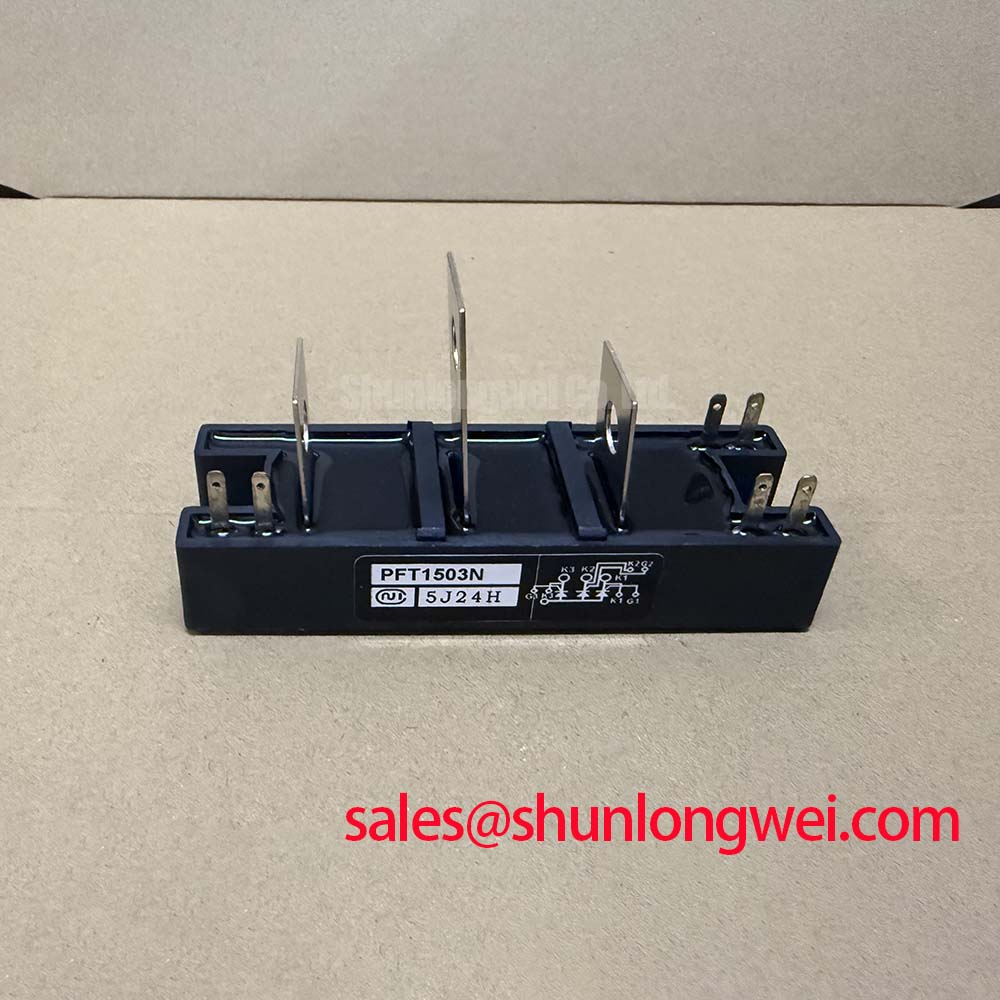
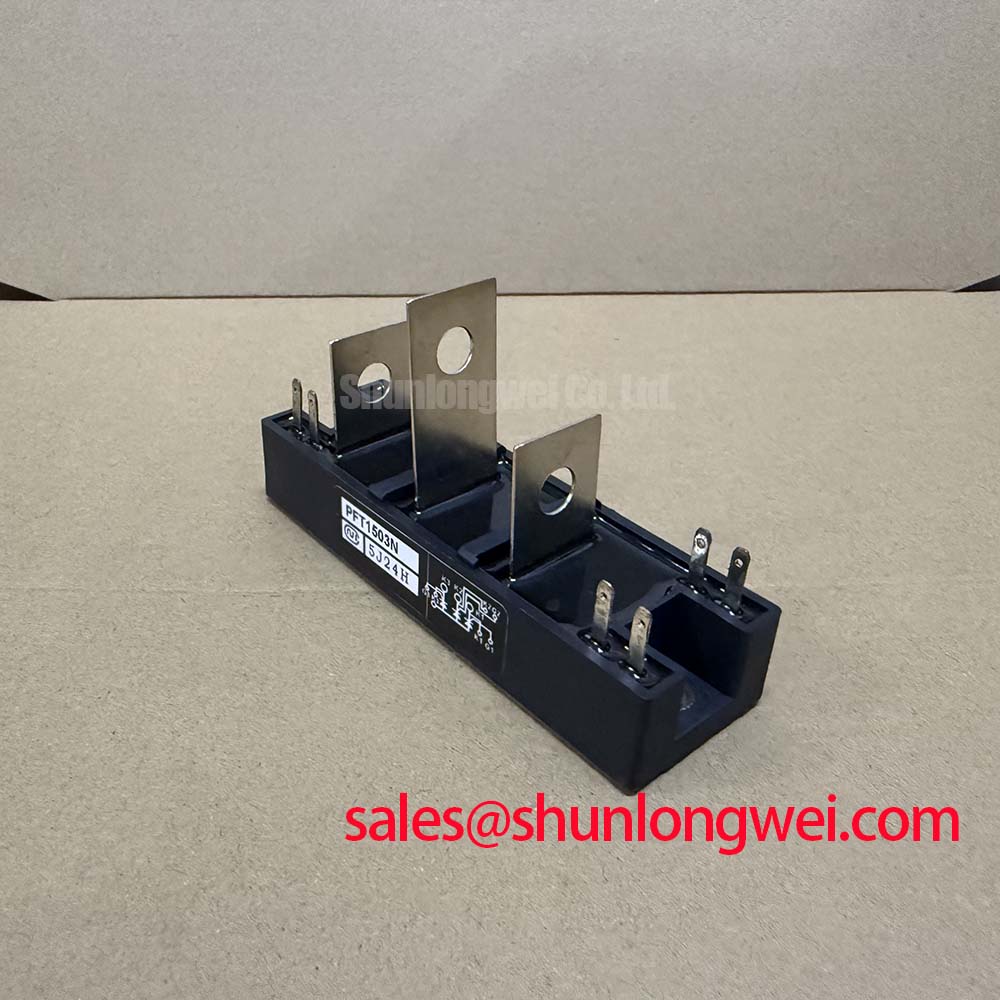
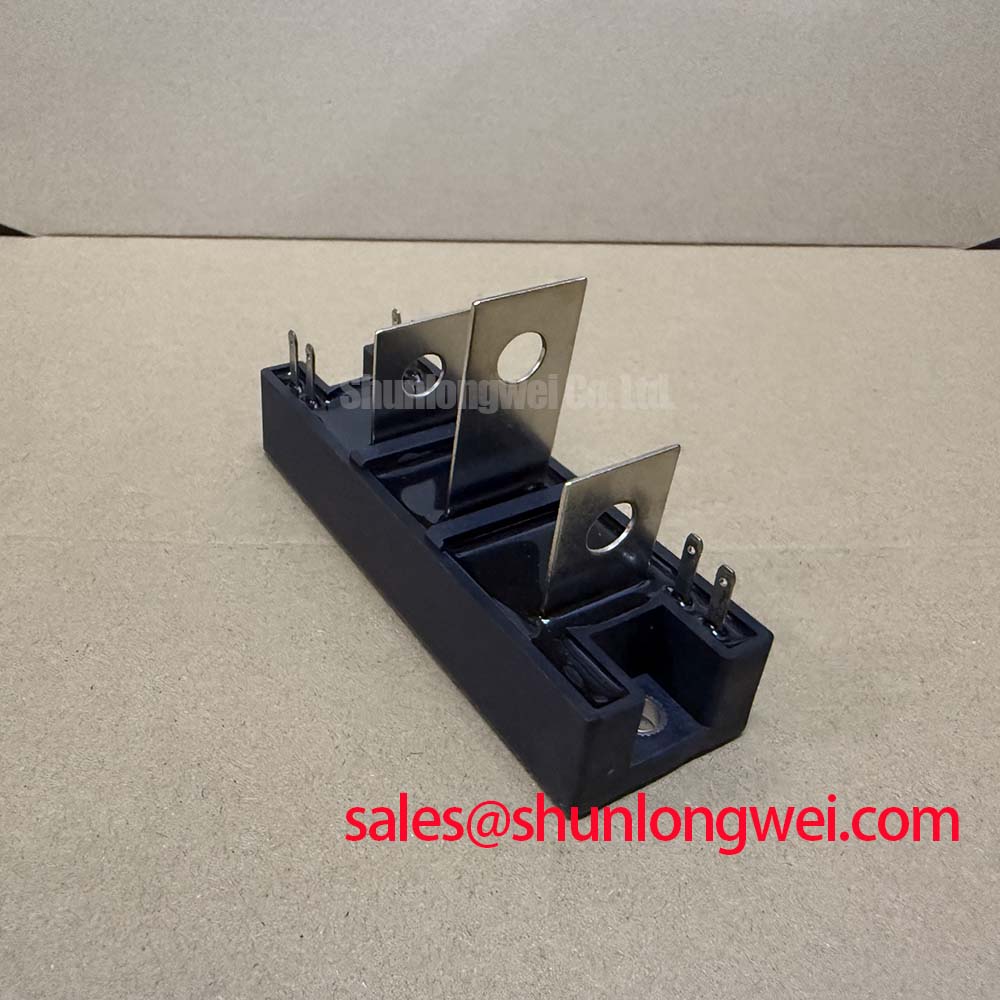
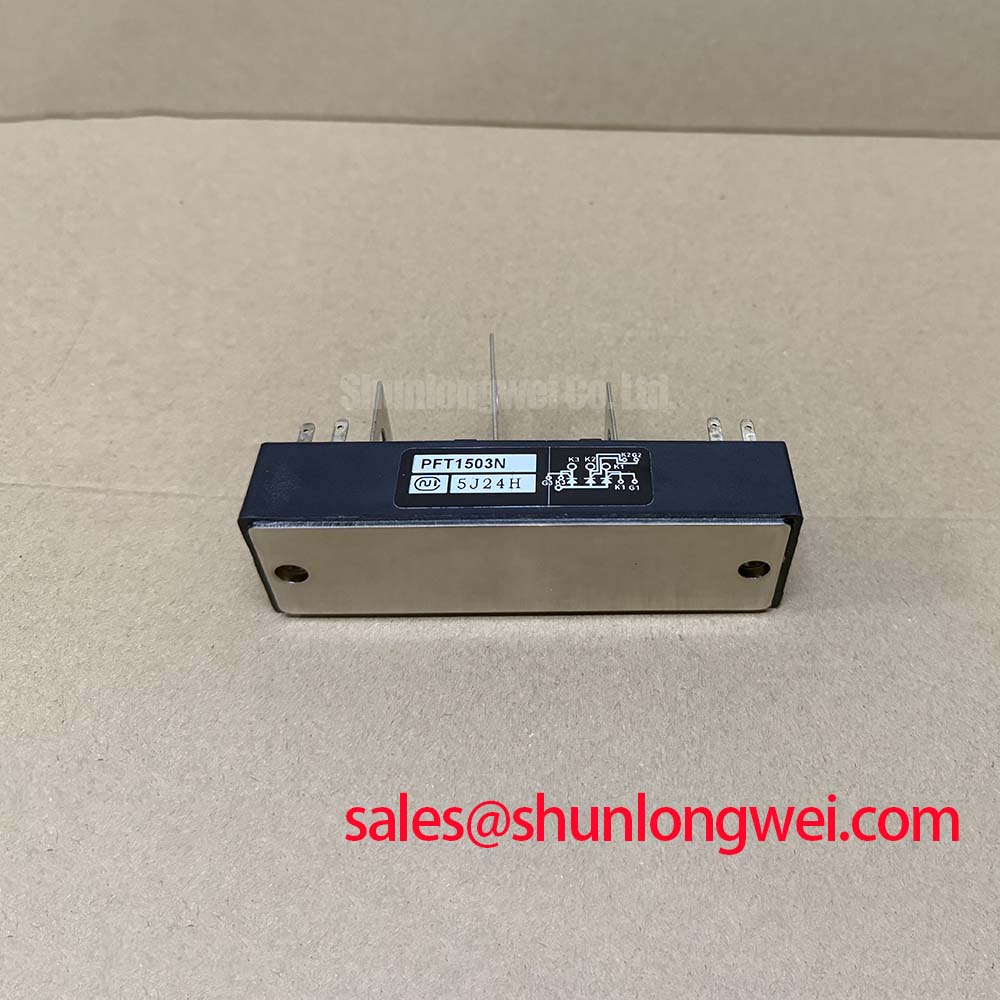
PFT1503N Thyristor Module: Technical Data & Application Guide for High-Reliability Power Control
The PFT1503N is a thyristor module engineered for exceptional thermal reliability in demanding industrial power control systems. Featuring core specifications of 300V | 150A | Tjmax 150°C, this component delivers two critical engineering benefits: enhanced system longevity and simplified thermal management. This module provides a robust solution for applications like industrial soft starters, where managing inrush current and thermal stress is critical for operational uptime. For high-current phase control systems demanding significant thermal headroom, the PFT1503N's 150°C maximum junction temperature makes it a definitive design choice.
Application Scenarios & Value
System-Level Benefits in Industrial Power Control and Conversion
The PFT1503N is optimized for high-current, line-frequency applications where precise control and long-term reliability are non-negotiable. Its robust design makes it a primary candidate for the core of industrial power conversion and control equipment. Key applications include:
- Motor Soft Starters: In large industrial motor applications, managing the inrush current during startup is crucial to prevent mechanical stress on equipment and electrical disturbances on the power line. The PFT1503N excels in this role, providing controlled voltage ramping through phase control. Its high surge current capability (ITSM) of 3200A ensures it can withstand the initial power-on stress, while its thermal characteristics manage the heat generated during the ramp-up period, ensuring operational stability.
- Controlled Rectifiers: For battery charging systems, welding power supplies, and DC power sources, the PFT1503N functions as the control element in a rectifier bridge. It allows for the regulation of the output DC voltage and current, providing the precision needed for sensitive processes.
- AC Voltage Controllers: In applications like industrial heating and lighting control, this module enables efficient power regulation. By controlling the firing angle of the thyristors, the module adjusts the RMS voltage delivered to the load, offering a more efficient alternative to resistive power control methods.
While the PFT1503N is optimized for 150A applications, systems with lower current needs could be served by modules like the MDD95-12N1B. For applications requiring slightly higher current handling, the SKKD162/16 provides an alternative path for evaluation.
Key Parameter Overview
Decoding Electrical and Thermal Specs for Reliable System Design
The performance of the PFT1503N is defined by a set of critical electrical and thermal parameters. The following table, based on the official datasheet, provides the data needed for system design and evaluation.
| Maximum Ratings (Tj = 25°C unless otherwise specified) | |||
|---|---|---|---|
| Parameter | Symbol | Value | Unit |
| Repetitive Peak Off-State Voltage | VDRM | 300 | V |
| Average Rectified Output Current (50Hz, Half Sine Wave, Tc=102°C) | IO(AV) | 150 | A |
| RMS On-State Current | IT(RMS) | 235 | A |
| Surge On-State Current (50Hz, 1 Pulse) | ITSM | 3200 | A |
| I Squared t (2ms to 10ms) | I²t | 51200 | A²s |
| Operating Junction Temperature Range | Tjw | -40 to +150 | °C |
| Peak Forward Voltage (ITM=450A, Tj=25°C) | VTM | 1.28 (Max) | V |
Download the PFT1503N datasheet for detailed specifications and performance curves.
Technical Deep Dive
Analyzing Thermal Resistance and its Impact on Long-Term Operational Stability
A critical, yet often overlooked, parameter for power modules is the thermal resistance from junction to case (Rth(j-c)). While not explicitly stated in all summary documents, this value is fundamental to the module's reliability. It quantifies how efficiently heat generated at the silicon die (the "junction") can be transferred to the module's baseplate (the "case"). Think of thermal resistance as the 'width' of a hallway for heat to escape. A low Rth(j-c) is like a wide, unobstructed corridor, allowing heat to move quickly from the hot silicon chip to the cooler module baseplate. A high Rth(j-c) would be a narrow, cluttered hallway, causing a 'traffic jam' of heat that raises the chip's temperature dangerously.
This efficient heat transfer is paramount for long-term operational stability. By minimizing the temperature rise at the junction for a given power dissipation, the PFT1503N can operate further away from its 150°C maximum limit. This thermal headroom is not just a safety margin; it is a direct contributor to the device's lifespan, as elevated temperatures accelerate semiconductor aging mechanisms. For design engineers, a module with superior thermal management characteristics simplifies heatsink selection, potentially allowing for more compact and cost-effective system designs without compromising reliability.
Frequently Asked Questions
Engineering Insights into the PFT1503N's Performance Characteristics
How does the 150°C maximum junction temperature (Tjmax) of the PFT1503N benefit an industrial system designer?
The 150°C Tjmax provides significant thermal headroom, which is a key factor for reliability. It allows the module to operate safely in high ambient temperature environments or under heavy load conditions without exceeding its limits. This robust thermal ceiling can enable more compact system designs by potentially reducing the required heatsink size and overall cooling system cost.
What is the primary benefit of the module's high surge current (ITSM) rating of 3200A?
This high ITSM rating indicates the module's ability to withstand large, non-repetitive current spikes, which are common in applications like motor starting or during fault conditions. It ensures the device's survival during unforeseen electrical events, preventing catastrophic failure and enhancing the overall robustness of the end equipment.