
Content last revised on September 10, 2026
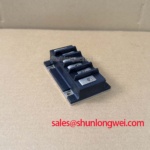
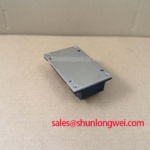
Mitsubishi QM100DX-H Transistor Module
Highlights & Key Specifications
Robust Power Control for Harsh Switching Environments
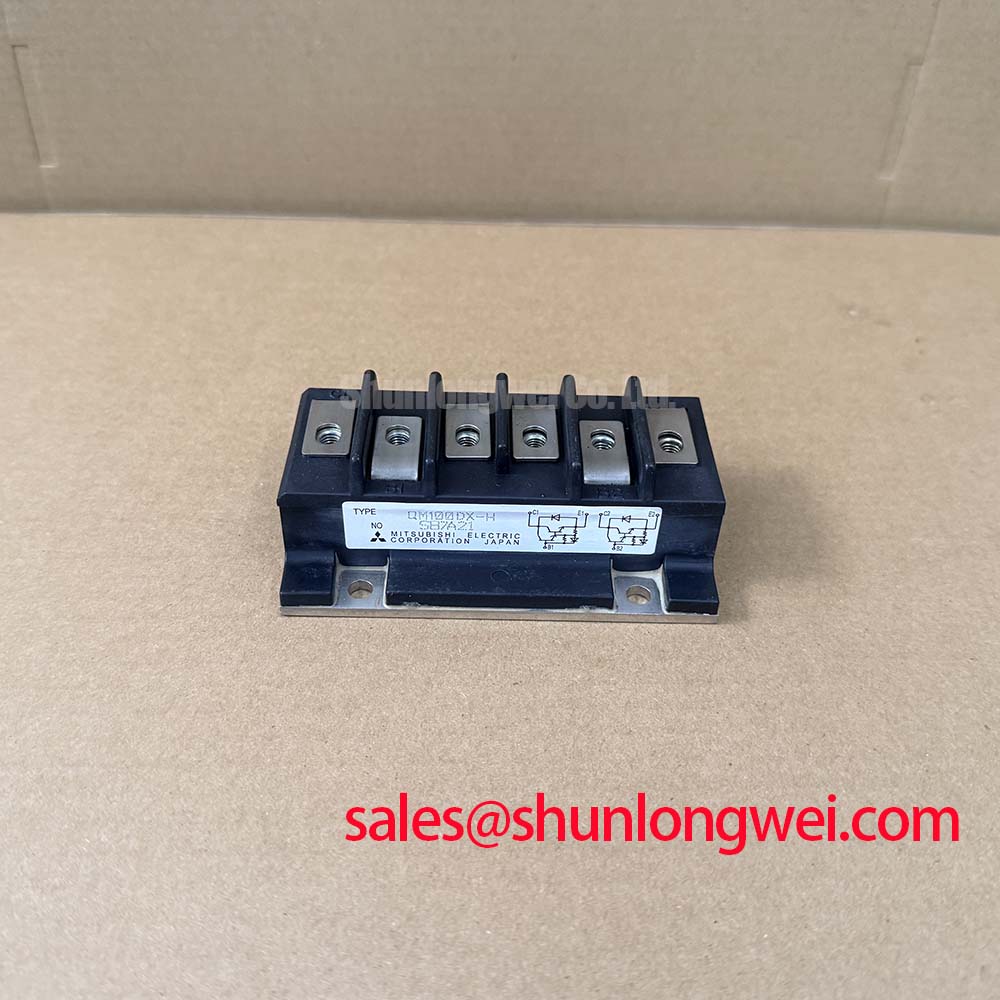
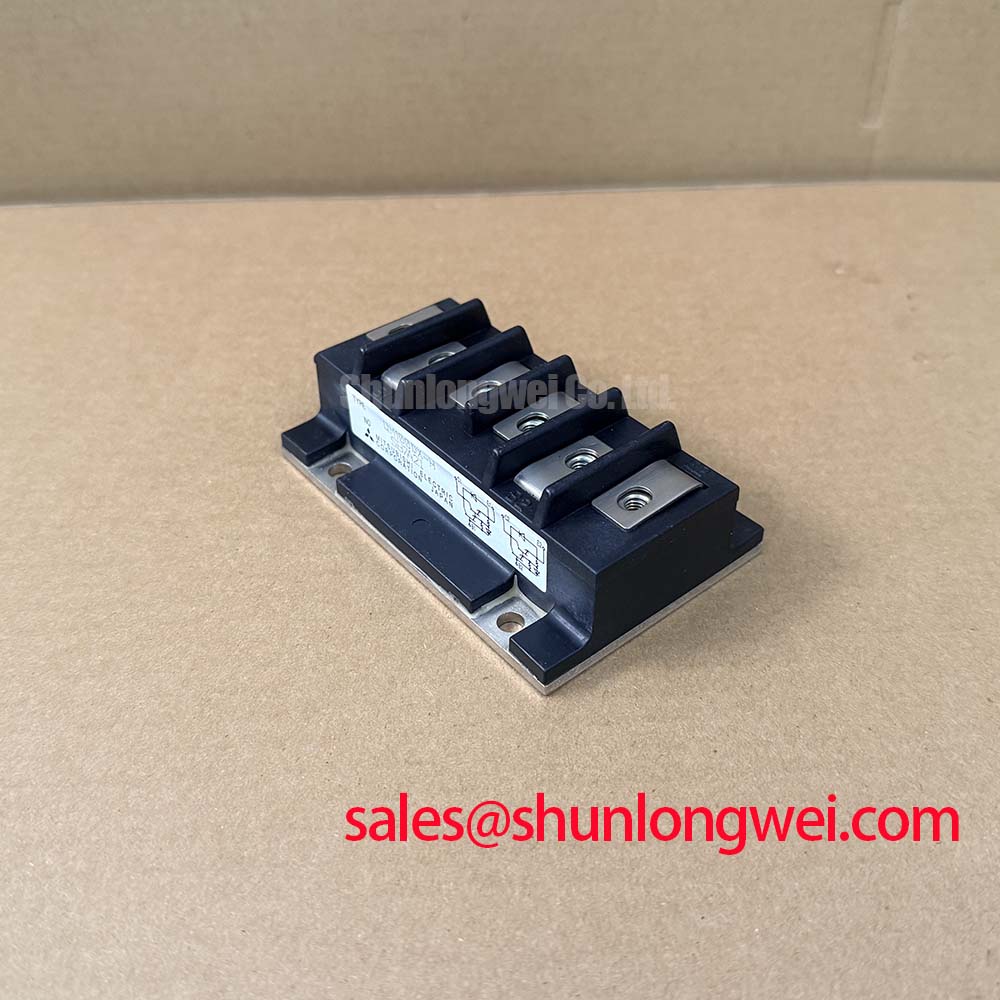
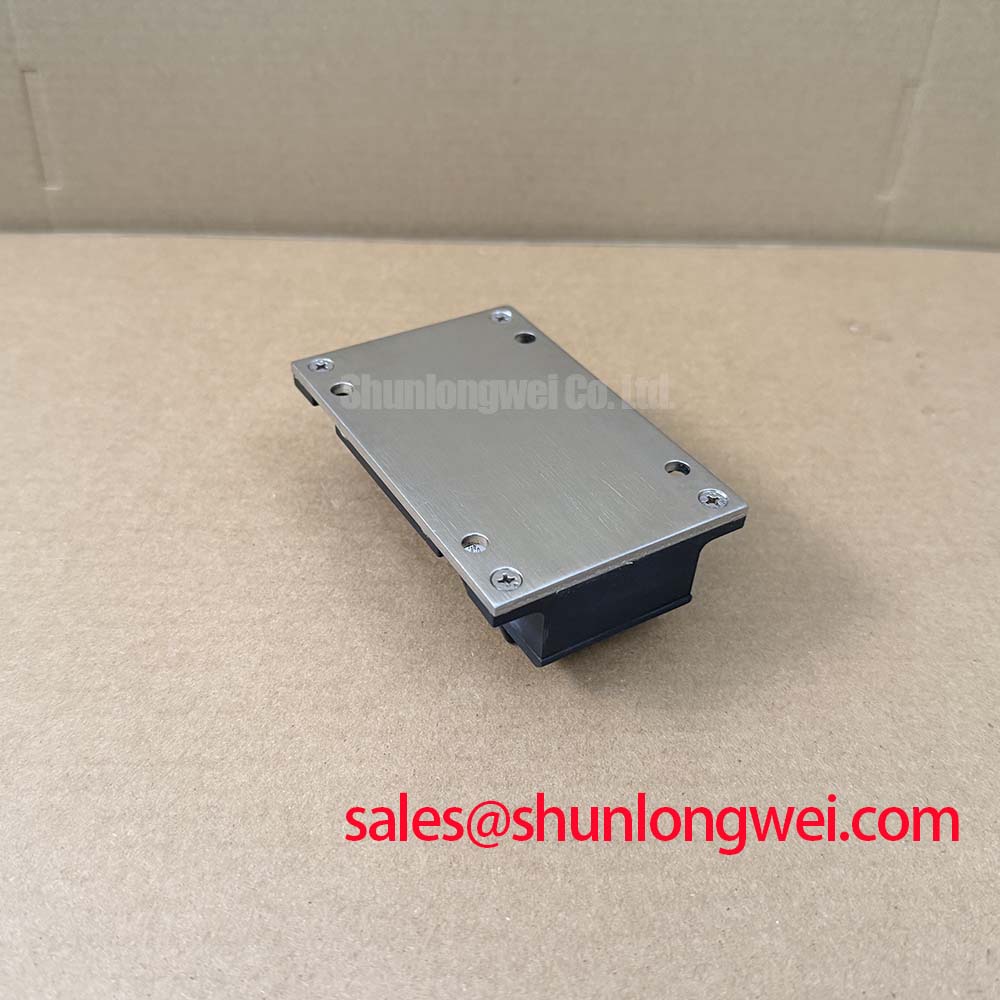
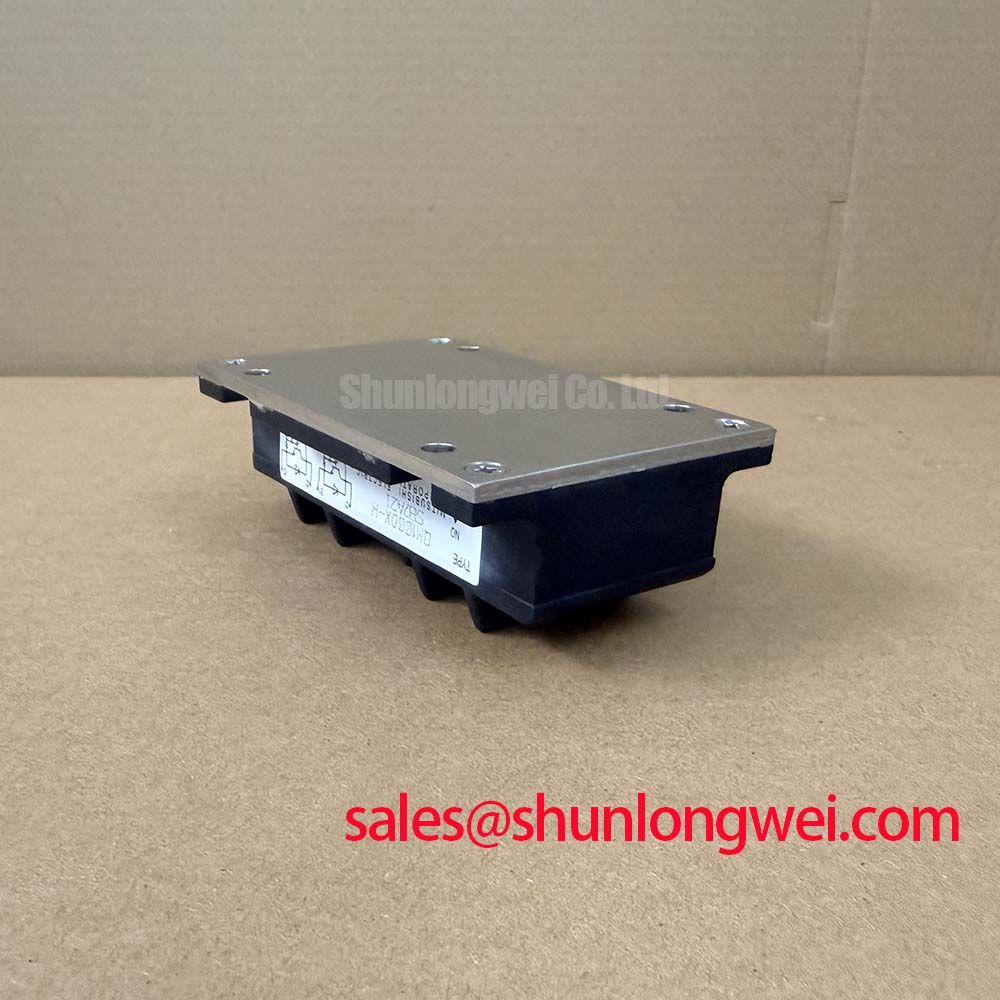
The Mitsubishi QM100DX-H is a high-performance insulated GTR Darlington transistor module designed to meet the demands of classic power switching systems. Incorporating dual-transistor topology and an insulated copper baseplate, this module provides an optimal blend of electrical isolation and thermal dissipation. It delivers a maximum collector-emitter voltage of 600V and a collector current of 100A, allowing for continuous and reliable operation in medium-voltage industrial environments.
Engineers can leverage this module to maintain system efficiency with its low switching losses and stable DC current gain. The integrated free-wheel diodes provide vital inductive load protection. For 600V motor drives prioritizing high thermal margin under continuous load, this 100A Darlington module is the optimal choice.
Application Scenarios & Value
Achieving Long-Term Reliability in Motor Controllers
Engineers often face the challenge of sourcing reliable replacement components for legacy industrial motor controllers without undergoing a complete system redesign. The Mitsubishi QM100DX-H serves as an ideal drop-in solution for servicing AC servo drives, CNC spindle controllers, and uninterruptible power supplies (UPS). In conveyor belt motors, transient starting currents frequently stress active components. The rugged collector surge current rating of this module ensures it absorbs startup transients without premature breakdown.
For systems undergoing upgrades or requiring varying current handles, other options exist within the same GTR family. While this 100A module meets moderate requirements, the related QM150DY-24 handles currents up to 150A, and the QM300HA-2H accommodates heavy industrial loads up to 300A. Designers can also evaluate the QM100DY-H for alternative dual-configuration layouts. Refer to the Field Engineers' Handbook for detailed diagnostic procedures when replacing these vintage GTR blocks.
Technical & Design Deep Dive
Analyzing Saturation Voltage and Parasitic Inductance
Understanding the internal electrical and thermal dynamics of the QM100DX-H is crucial for ensuring safe operating margins. The collector-emitter saturation voltage (VCE(sat)) is rated at a typical 2.0V at a collector current of 100A. Think of VCE(sat) like a narrow nozzle on a water pipe. Even when the valve is fully open, the constriction causes a pressure buildup, representing thermal losses. Minimizing this voltage drop directly reduces thermal dissipation at the junction.
Another critical metric is the module's low internal parasitic inductance, which measures under 15 nH. Think of parasitic inductance like water hammer in domestic plumbing. When a valve shuts rapidly, a high-pressure spike propagates back through the pipe. In high-speed switching, a fast turn-off creates a collector voltage spike. The low-inductance packaging acts like a shock absorber, keeping voltage overshoots well within the Safe Operating Area (SOA) and protecting the transistor from overvoltage breakdown.
What is the primary benefit of the baseplate? It minimizes thermal stress and reduces internal parasitic inductance. Which application benefits most from the module's integrated isolation? Industrial motor drives requiring safe, multi-phase chassis mounting. To configure optimal gate drives, consult official guidelines from Mitsubishi Electric. Selecting proper base drive currents ensures full saturation and minimizes overall switching losses.
Key Parameter Overview
Decoding the Specifications for Enhanced System Design
Below are the absolute maximum ratings and electrical characteristics for the Mitsubishi QM100DX-H power module. Careful attention should be paid to thermal resistance values during heatsink selection. For further analysis of thermal interfaces, refer to the guide on Why Rth matters.
| Parameter | Symbol | Rating / Value | Unit |
|---|---|---|---|
| Collector-Emitter Voltage | VCEX | 600 | V |
| Collector Current (DC) | IC | 100 | A |
| DC Current Gain (Typical) | hFE | 75 | - |
| Collector Power Dissipation | PC | 620 | W |
| Thermal Resistance (Junction-to-Case) | Rth(j-c) | 0.25 | °C/W |
| Isolation Voltage | Viso | 2500 | VRMS |
| Mounting Torque (M5 Screws) | - | 1.47 to 1.96 | N·m |
Review the comprehensive IGBT modules analysis to understand how legacy GTR modules compare to modern silicon alternatives in switching efficiency.
Frequently Asked Questions
Addressing Common Engineering Queries and Field Inquiries
Q1: How does the junction-to-case thermal resistance (Rth(j-c)) of 0.25 °C/W affect thermal design in vintage drive retrofits?
The thermal resistance of 0.25 °C/W dictates the temperature gradient between the active silicon junctions and the external case. Under high-load switching, this rating requires a heatsink thermal resistance of less than 0.15 °C/W to keep the junction temperature comfortably below the 125°C threshold.
Q2: Why is negative base bias recommended during the turn-off phase of the QM100DX-H?
Applying a negative base voltage (typically -5V to -15V) speeds up the removal of stored charge in the base region. This action suppresses tail currents, reduces switching losses, and prevents spurious turn-on events triggered by fast collector-emitter voltage transients (dv/dt).
Q3: Can the QM100DX-H be directly substituted with modern IGBT modules without circuit modifications?
No, direct replacement is not recommended without modifying the gate drive. The GTR module requires continuous base current drive, whereas modern IGBTs are voltage-controlled devices requiring gate voltage pulses. The driving circuitry must be adjusted to ensure correct switching levels.
Q4: What is the significance of the 2500 VRMS isolation rating for multi-phase designs?
This high isolation rating ensures the internal circuitry is completely isolated from the mounting baseplate. It allows multiple modules for different phases to be mounted on a single grounded heatsink, simplifying system mechanical design and enhancing operator safety.
Evaluating legacy power architectures requires balancing component ruggedness with thermal stability. Standardizing on validated GTR platforms like this module ensures long-term operational continuity for existing industrial infrastructure.