



Content last revised on September 10, 2026
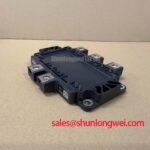
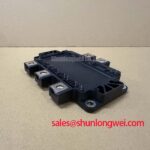
Semikron Danfoss SEMIX305TMLI12E4B: High-Efficiency 1200V 300A 3-Level TNPC IGBT Module
For high-frequency solar and UPS systems prioritizing switching efficiency, this 1200V TNPC module is the premier engineering choice. Optimized 3-Level TNPC switching efficiency and low stray inductance designed to minimize switching losses in high-frequency inverter systems. This high-density power module integrates advanced trench gate technology to achieve excellent thermal and electrical performance.
- 1200V | 300A | VCE(sat) 1.80V
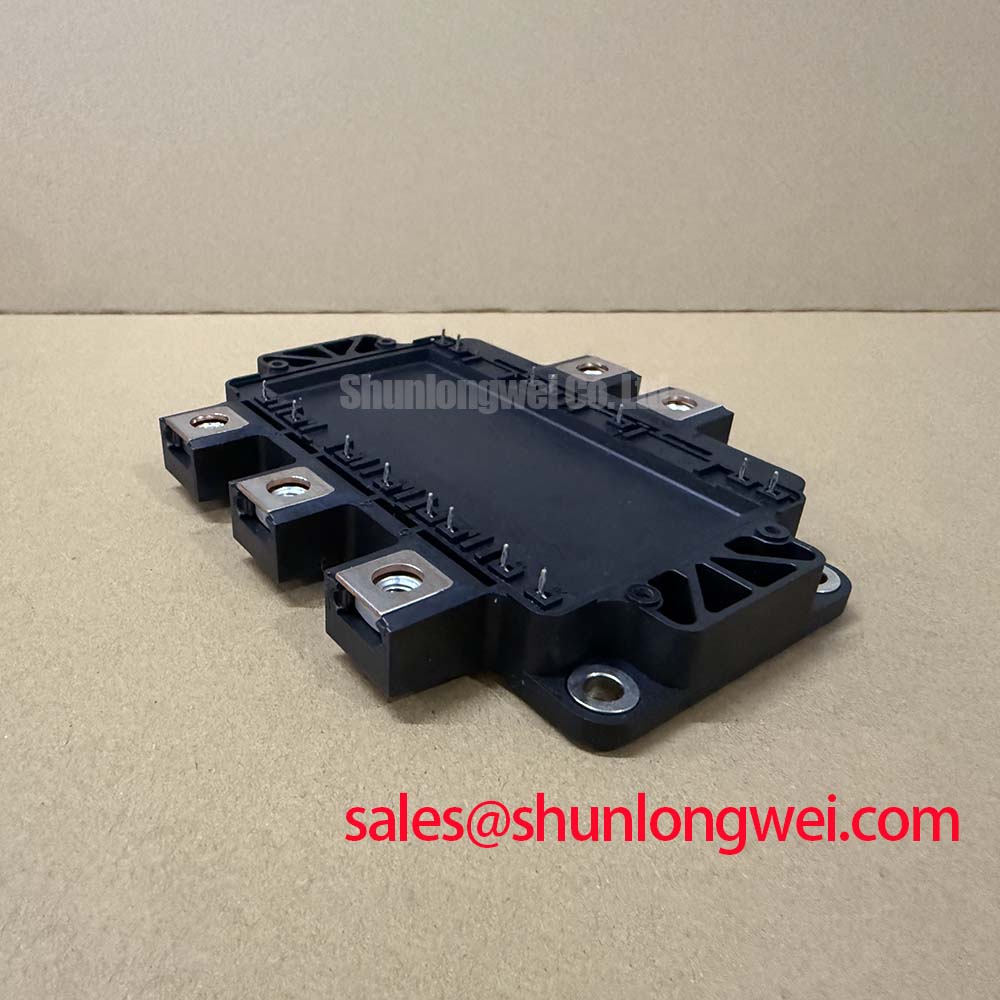
- Solderless PressFIT assembly reduces manufacturing time.
- Low-inductance package minimizes overvoltage overshoot.
By splitting the DC-link voltage, the 3-level TNPC design significantly reduces switching losses, allowing optimal thermal management up to 30kHz.
Key Parameter Overview
Decoding the Specs for Enhanced Thermal Reliability and Switching Performance
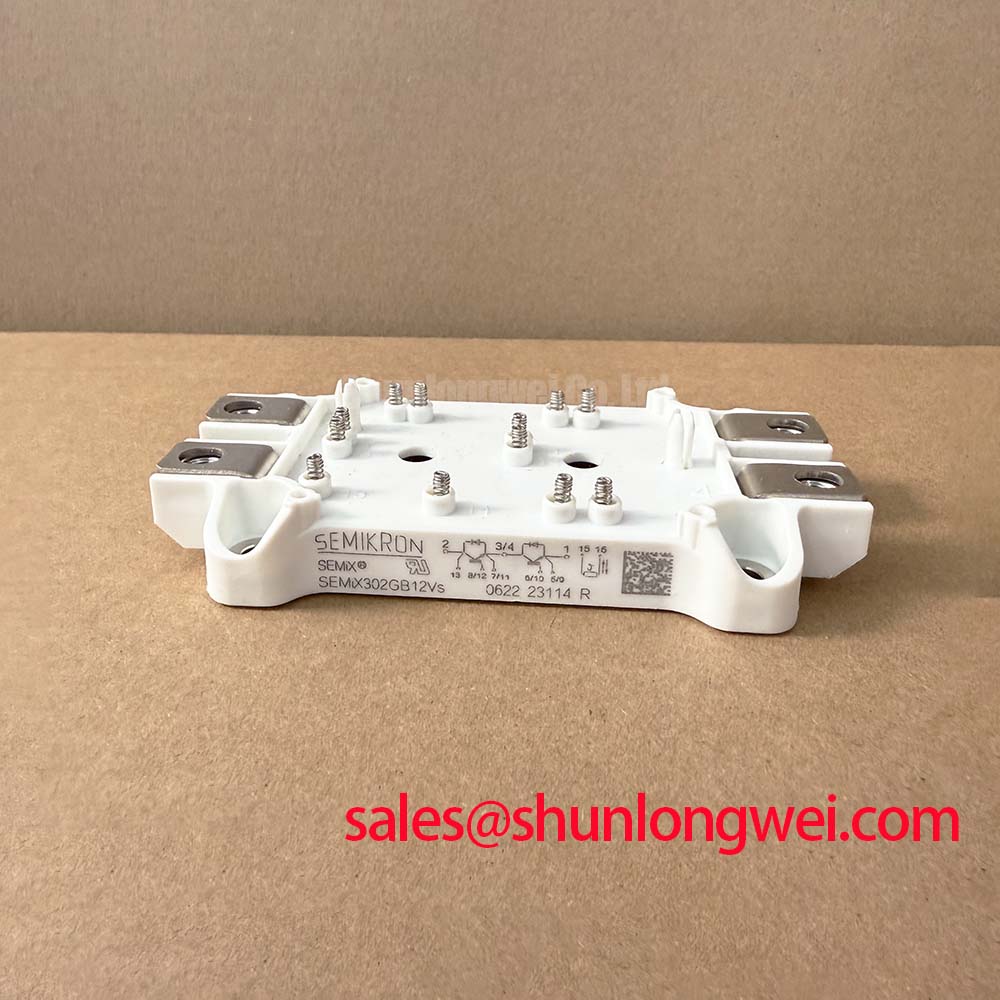
To support rigorous system evaluations, the critical technical specifications of the SEMIX305TMLI12E4B have been compiled directly from the official technical document. This configuration utilizes the SEMiX 5p housing style, optimizing electrical pathways to maximize power density.
| Parameter Description | Symbol | Typical Value / Rating |
|---|---|---|
| Collector-Emitter Voltage (Tj = 25°C) | VCES | 1200 V |
| Nominal Collector Current | ICnom | 300 A |
| IGBT On-State Saturation Voltage (Tj = 25°C) | VCE(sat) | 1.80 V |
| Diode Forward On-State Voltage (Tj = 25°C) | VF | 2.20 V |
| Module Stray Inductance | LCE | 42 nH |
| Maximum Junction Temperature | Tjmax | 175 °C |
| Integrated Temperature Sensor | NTC | Yes |
Download the SEMIX305TMLI12E4B datasheet for detailed specifications and performance curves.
Application Scenarios & Value
Optimizing System Efficiency and Cost in High-Power Converters
In high-efficiency grid-tied solar inverters, engineers struggle with thermal management when switching frequencies rise. The SEMIX305TMLI12E4B solves this by leveraging its 3-Level TNPC topology to split the switching stress across multiple devices, allowing it to easily handle continuous startup surge currents.
The module is equally effective in designing commercial UPS (Uninterruptible Power Supply) systems and energy storage systems (ESS). Its highly optimized switching behavior makes it a perfect fit for high-density power conversion platforms operating under stringent environmental conditions. By lowering internal power dissipation, engineers can scale down the physical size of heatsinks and magnetic filters, significantly reducing overall system volume.
For systems requiring alternative topologies or current ranges, related solutions such as the lower-current SEMIX151GB12E4V4 or the high-power half-bridge SEMIX453GB12E4S are also widely utilized in industrial drives and wind-to-grid converters to satisfy varied engineering specifications.
Technical & Design Deep Dive
A Closer Look at Solderless Assembly and Stray Inductance Control
To fully appreciate the mechanical and electrical integrity of this module, engineers must look beyond basic silicon ratings. Packaging technologies play a decisive role in defining how a power stage behaves during high-speed switching events. A comprehensive understanding of these packaging trade-offs is detailed in this engineer's ultimate guide to IGBT modules.
Think of the module's stray inductance of 42 nH as a narrow pipe in a water system. Just as a narrow pipe causes a high pressure spike (known as water hammer) when a valve is shut quickly, high stray inductance causes catastrophic overvoltage spikes when the IGBT switches off rapidly. By reducing internal inductance, the SEMIX305TMLI12E4B keeps voltage overshoot well within safe margins.
The solderless PressFIT signal pins function like high-retention structural rivets rather than brittle glued joints. While traditional solder joints are prone to thermal fatigue cracks under cyclic load stress, the PressFIT pins maintain constant mechanical pressure, guaranteeing long-term contact reliability under harsh environmental vibrations. This mechanical robustness is highly valuable in high-vibration environments, such as motor control and heavy-duty manufacturing lines. When integrating these modules, consulting resources on decoding IGBT datasheets can prevent common layout errors.
Frequently Asked Questions
Engineering Clarifications on Thermal and Electrical Integration
What is the main advantage of the 3-Level TNPC topology? It significantly reduces switching losses in high-frequency converters.
What is the primary benefit of solderless PressFIT pins? They eliminate thermal solder fatigue to ensure highly reliable connections.
How does the positive temperature coefficient of VCE(sat) affect parallel operation? The positive temperature coefficient of VCE(sat) (reaching 1.80V typ. at room temperature and rising with heat) naturally balances current sharing when paralleling multiple modules. As one module heats up, its conduction drop increases, diverting current to cooler modules and preventing thermal runaway.
What is the significance of the 42 nH stray inductance during turn-off? Low stray inductance directly reduces the amplitude of transient voltage spikes during high di/dt turn-off. This allows engineers to use simpler, lower-cost snubber circuits or completely eliminate them while maintaining a comfortable safety margin under the 1200V maximum rating.
As global energy demands shift toward high-frequency, compact power conversion, selecting components with optimized topologies and robust packaging becomes a cornerstone of long-term system reliability. Integrating the SEMIX305TMLI12E4B into next-generation designs from Semikron Danfoss ensures a competitive edge in power density, thermal efficiency, and manufacturing throughput.