

Content last revised on September 10, 2026
Semikron SKT1200/18E: Engineering High-Power Efficiency with 1800V Capsule Thyristors
Robust power control for heavy industrial loads through advanced double-sided cooling and hermetic pressure contact technology.
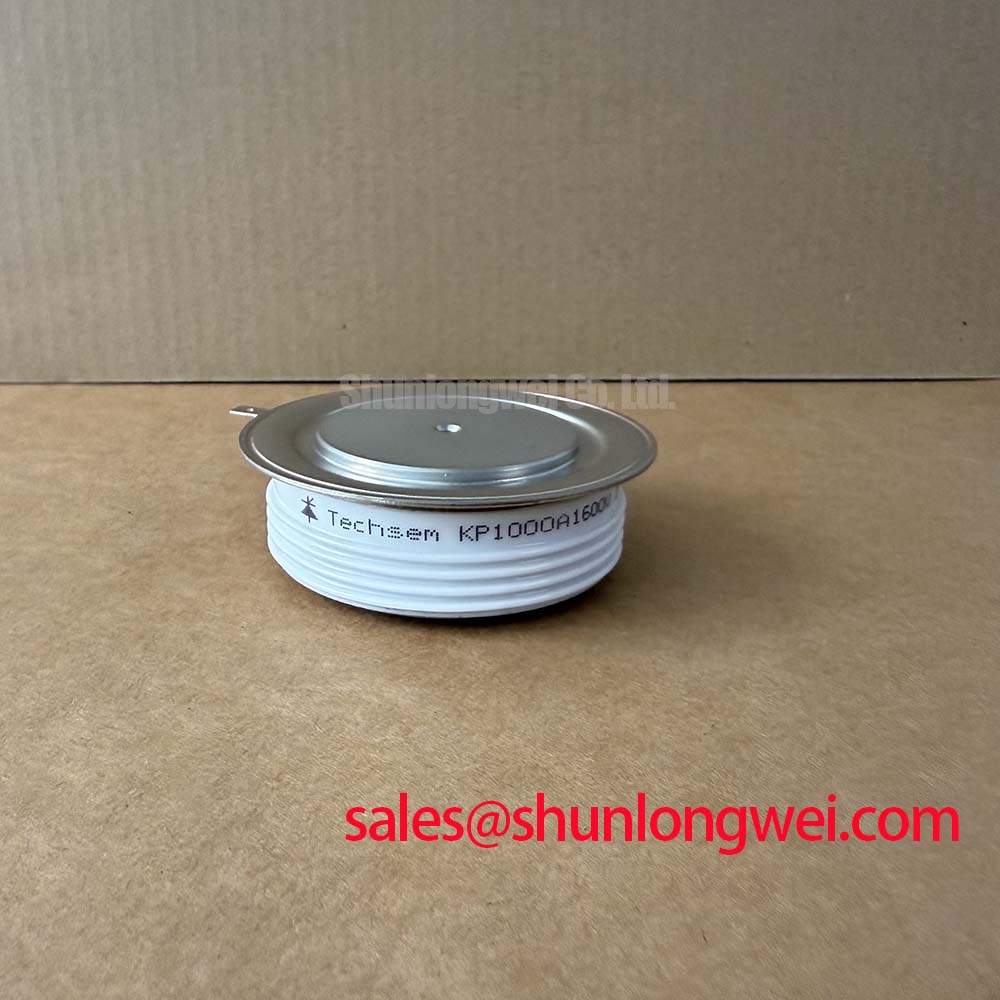
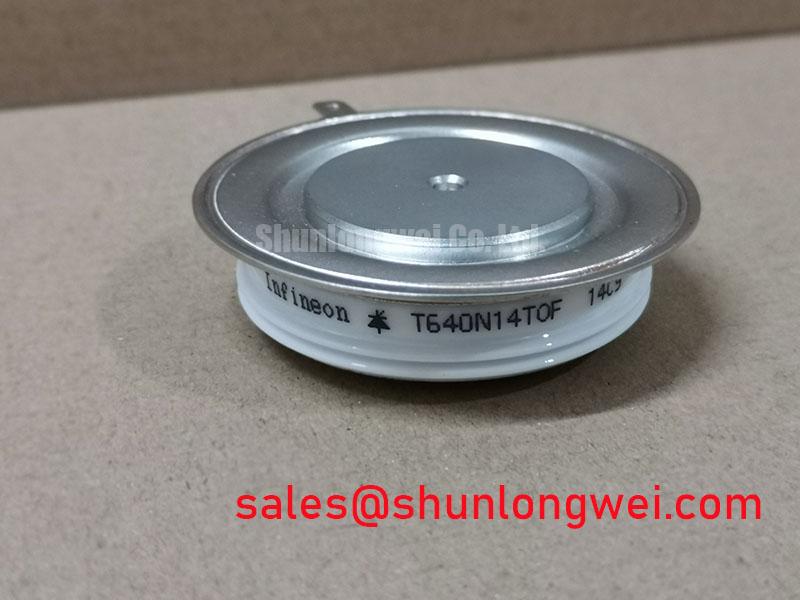
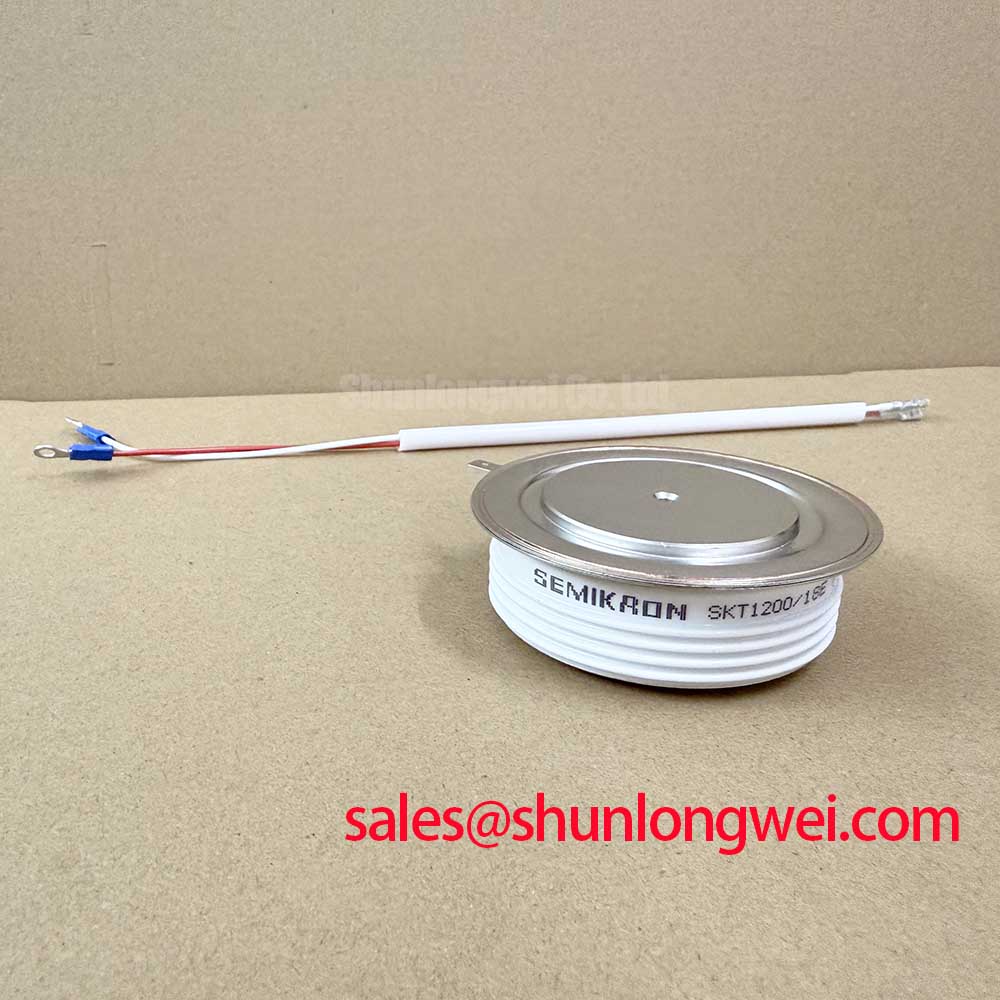
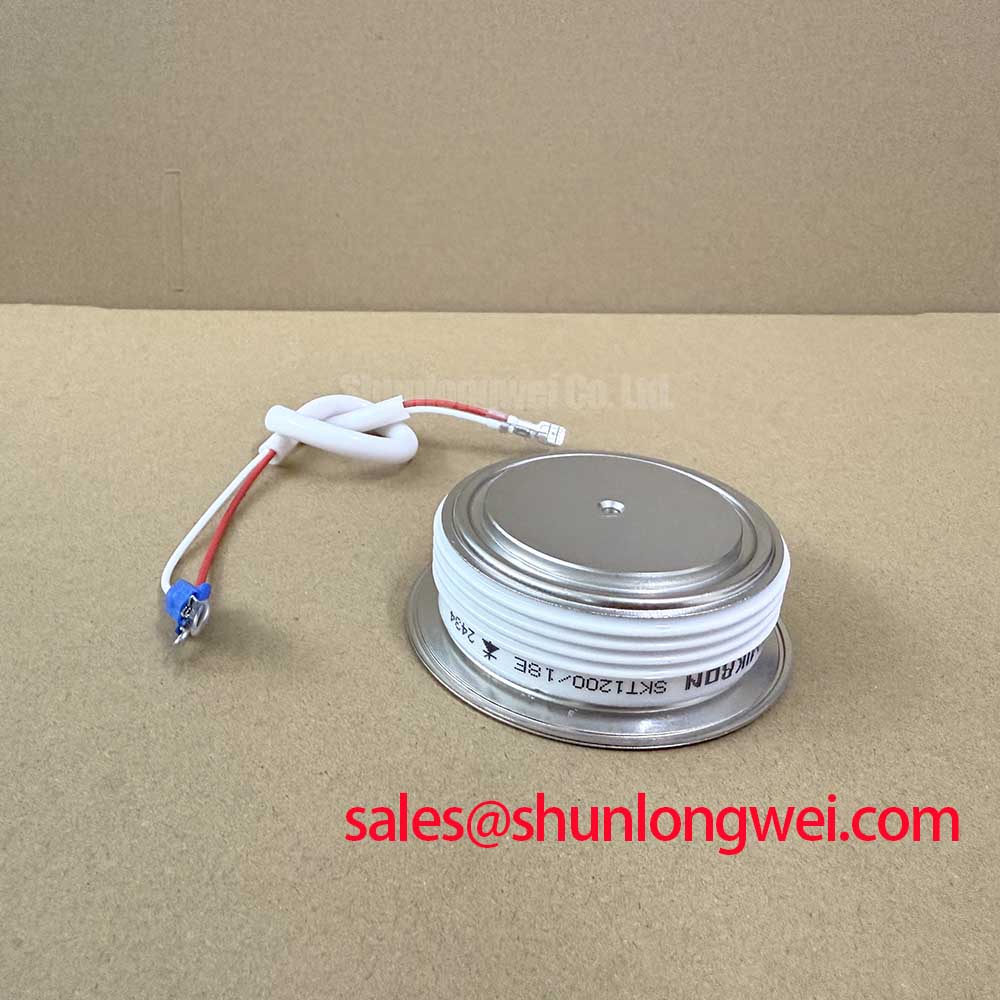
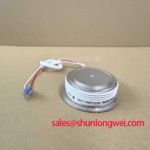
As power electronics systems scale into the multi-megawatt range, thermal reliability becomes the primary bottleneck for system longevity. The SKT1200/18E, a premier Capsule Thyristor (Phase Control Thyristor) from Semikron, is engineered specifically to address high-current demands while maintaining superior thermal stability. With a repetitive peak off-state voltage of 1800V and a mean on-state current of 1200A, this device provides the ruggedness required for demanding utility-grade applications. Engineers often ask: how does a capsule design outperform traditional modules in high-surge environments? The answer lies in its pressure contact technology, which eliminates solder fatigue and allows for double-sided cooling to maximize heat dissipation. For multi-megawatt motor drives requiring high-surge ruggedness, the 1200A capsule thyristor offers the most robust thermal management solution.
Key Parameter Overview
Decoding the Specs for Enhanced Thermal Reliability
The performance of high-power thyristors is defined by their ability to handle transient surges and steady-state thermal loads. The SKT1200/18E excels in these metrics, particularly in its I²t rating and thermal resistance.
| Technical Specification | Value / Rating | Engineering Impact |
|---|---|---|
| Repetitive Peak Reverse Voltage (Vrrm) | 1800V | Provides significant safety margin for 400V–690V AC line applications. |
| Mean On-state Current (Itav) | 1200A (at Tc=75°C) | Supports high-load industrial rectifiers and soft starters. |
| Surge On-state Current (Itsm) | 24000A (10ms) | Critical for surviving heavy starting torques or short-circuit events. |
| Virtual Junction Temperature (Tvj) | -40°C to +125°C | Ensures stable operation across a wide industrial temperature spectrum. |
| Mounting Force (F) | 22kN to 50kN | Required pressure for optimal electrical and thermal contact. |
Download the SKT1200/18E datasheet for detailed specifications and performance curves.
Application Scenarios & Value
Achieving System-Level Benefits in High-Power Industrial Drives
In modern heavy industries, the SKT1200/18E serves as a critical switching element where reliability is non-negotiable. Consider a high-fidelity engineering scenario involving a water treatment plant utilizing large centrifugal pumps. These pumps require massive starting currents that can exceed 600% of the nominal load. A soft starter utilizing the SKT1200/18E leverages the device's 24000A surge rating to handle these startup transients without compromising the device's lifespan. By controlling the firing angle, engineers can smoothly ramp up the voltage, reducing mechanical stress on the pump and electrical stress on the grid.
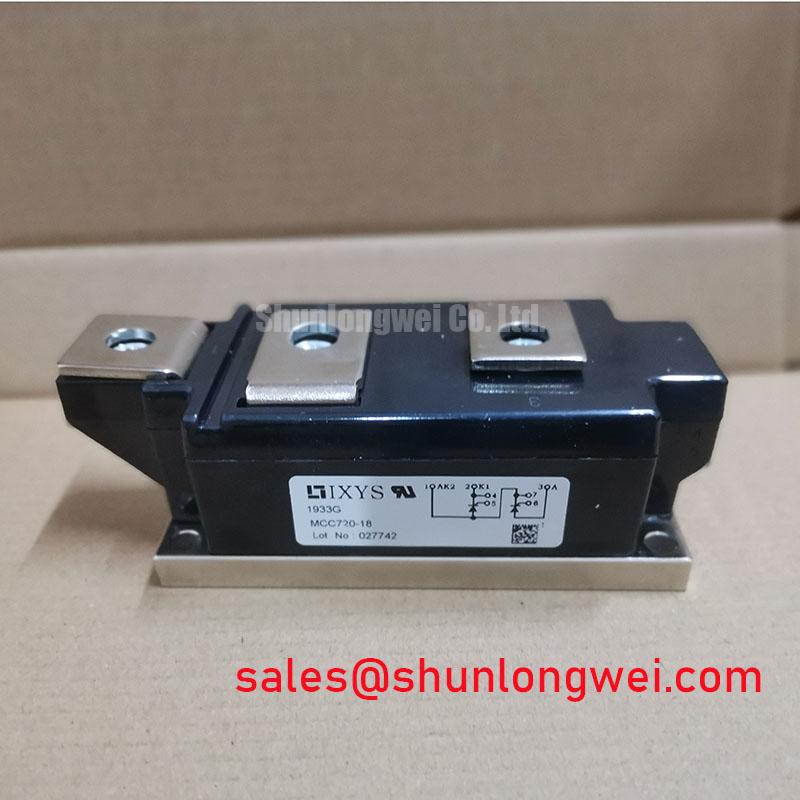
The choice of a capsule thyristor over a standard module often comes down to the environment. In electrochemical processes such as aluminum smelting or large-scale battery charging, where high-current rectifiers operate 24/7, the absence of solder layers in the SKT1200/18E eliminates the failure mode of thermal cycling-induced delamination. This directly translates to a lower Total Cost of Ownership (TCO). For systems with lower power requirements, such as secondary control loops, related products like the SKKH250/18E or SKKT250/18E offer integrated thyristor/diode solutions in a more compact module format.
Technical Deep Dive
The Engineering Logic of Pressure-Contact Capsule Design
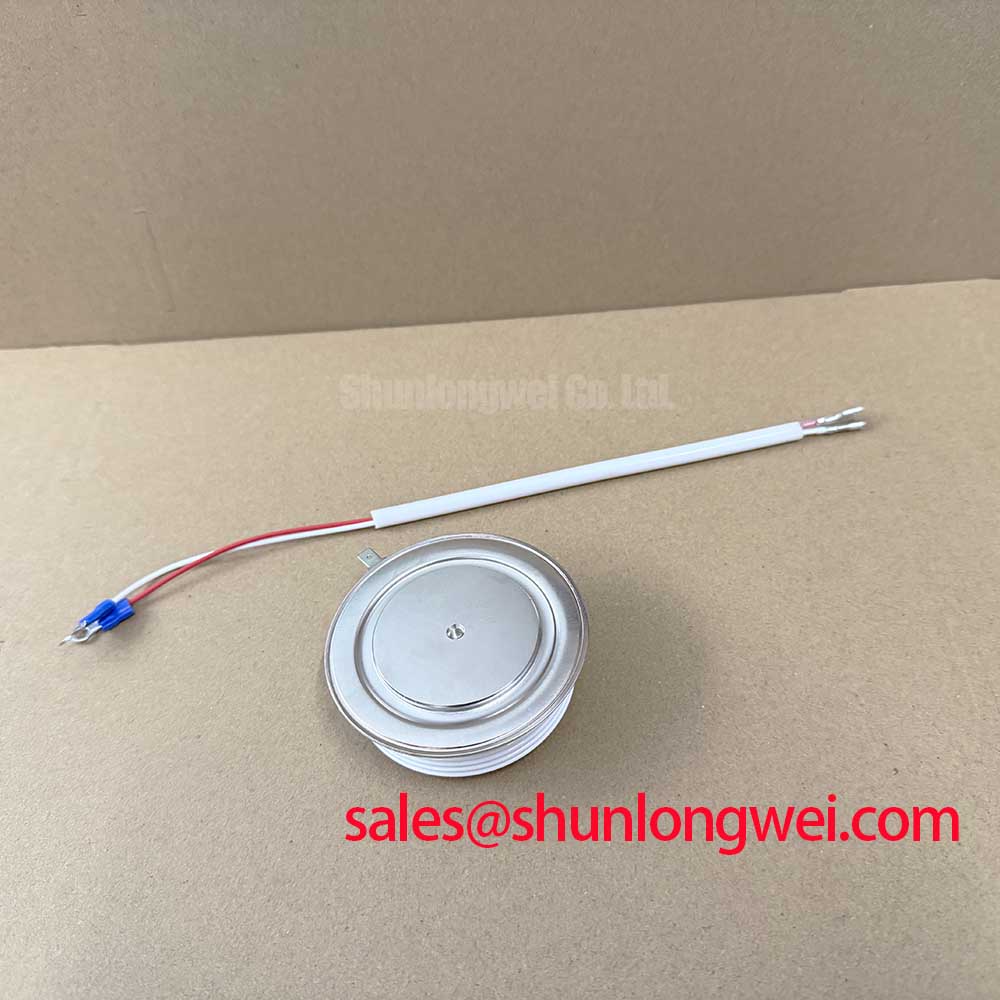
The internal architecture of the SKT1200/18E is a masterclass in high-power semiconductor packaging. Unlike modules that rely on wire bonding and solder interfaces, the capsule thyristor uses a pressure contact assembly. This can be compared to a high-performance brake caliper: constant, uniform mechanical force (between 22kN and 50kN) is applied to the silicon wafer, ensuring that both electrical current and heat flow across the entire surface area with minimal resistance.
This double-sided cooling capability is the device's strategic advantage. By making contact with heat sinks on both the anode and cathode sides, the thermal resistance (Rth) is significantly reduced compared to single-sided modules. Efficient thermal management is essential because, at 1200A, even millivolts of on-state voltage drop generate substantial heat. By effectively halving the thermal path, the SKT1200/18E allows for higher power density in the inverter or rectifier cabinet. Furthermore, the hermetic ceramic-to-metal seal protects the silicon from moisture and corrosive gases, meeting IEC 60747 standards for industrial reliability in harsh environments. Understanding these reliability factors is key to designing long-life power conversion stages.
Frequently Asked Questions
Why is the specified mounting force critical for the SKT1200/18E?
The mounting force of 22kN to 50kN is essential because the device relies on mechanical pressure for both its electrical connections and its thermal path. Insufficient force increases contact resistance, leading to localized overheating and potential "hot spots" that can destroy the silicon wafer under high-load conditions.
What are the primary benefits of the hermetic ceramic package in industrial settings?
The hermetic seal ensures that the semiconductor junction is isolated from atmospheric contaminants. This is particularly vital in applications like chemical plants or coastal installations, where salt spray or corrosive vapors could otherwise cause leakage currents or premature aging of the device.
How does the 1800V rating impact the selection of snubber circuits?
The 1800V repetitive peak voltage (Vrrm) provides a robust safety buffer for 690V AC lines. However, to prevent voltage transients (dv/dt) from exceeding the device's limits during switching, an appropriately rated snubber circuit is necessary to clamp overvoltage spikes and protect the thyristor junction.
What is the significance of the 24000A surge current rating for system design?
The 24000A (Itsm) rating defines the device's ruggedness during non-repetitive faults. In a short-circuit event, this rating allows the system's circuit breakers or fuses to act before the thyristor fails, ensuring that a single fault does not lead to a catastrophic failure of the entire power stage.
As global energy standards shift toward higher efficiency and the integration of large-scale renewable grids, the role of high-current phase control remains foundational. Selecting a device like the SKT1200/18E is not just about meeting a current specification; it is a strategic decision to prioritize system uptime and thermal headroom. By leveraging the physical advantages of the capsule package, engineers can design converters that are both more reliable and capable of handling the volatile load profiles of modern industrial infrastructure. For further information on manufacturing standards, visit the Semikron website.