Content last revised on September 10, 2026
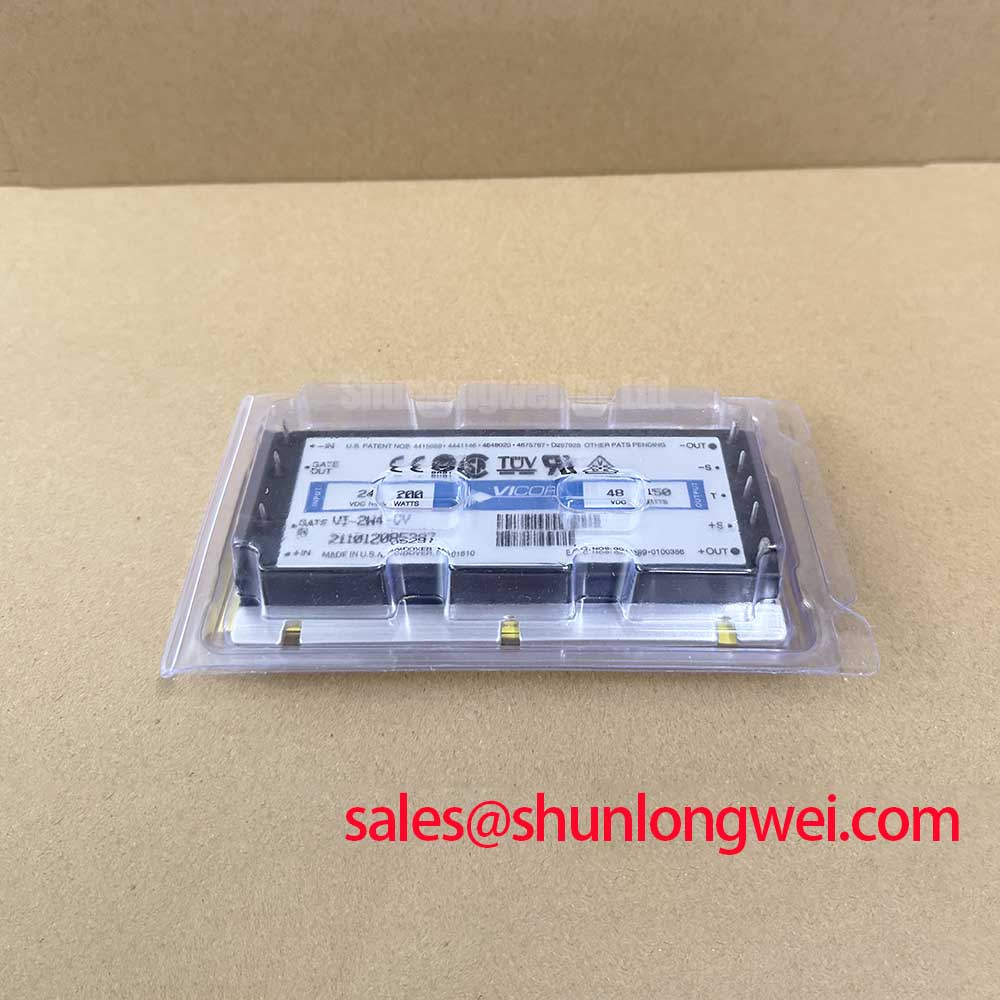
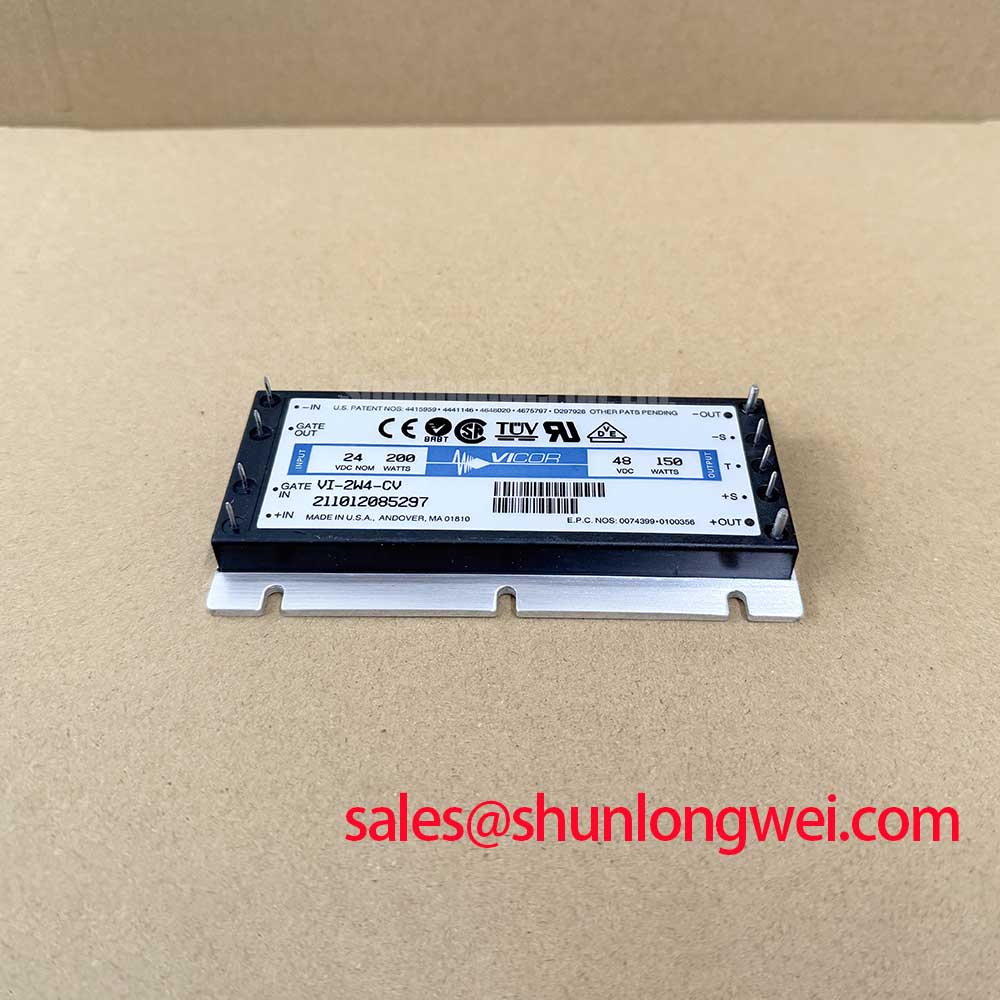
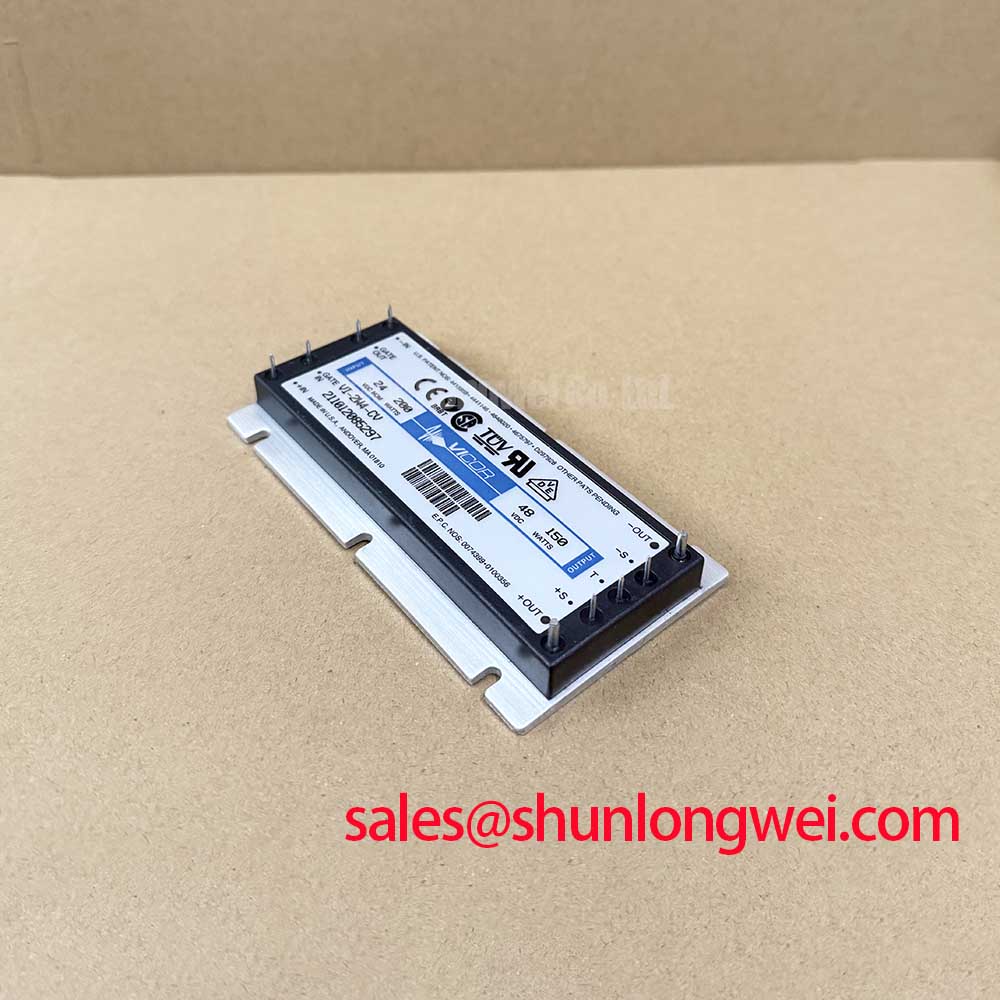
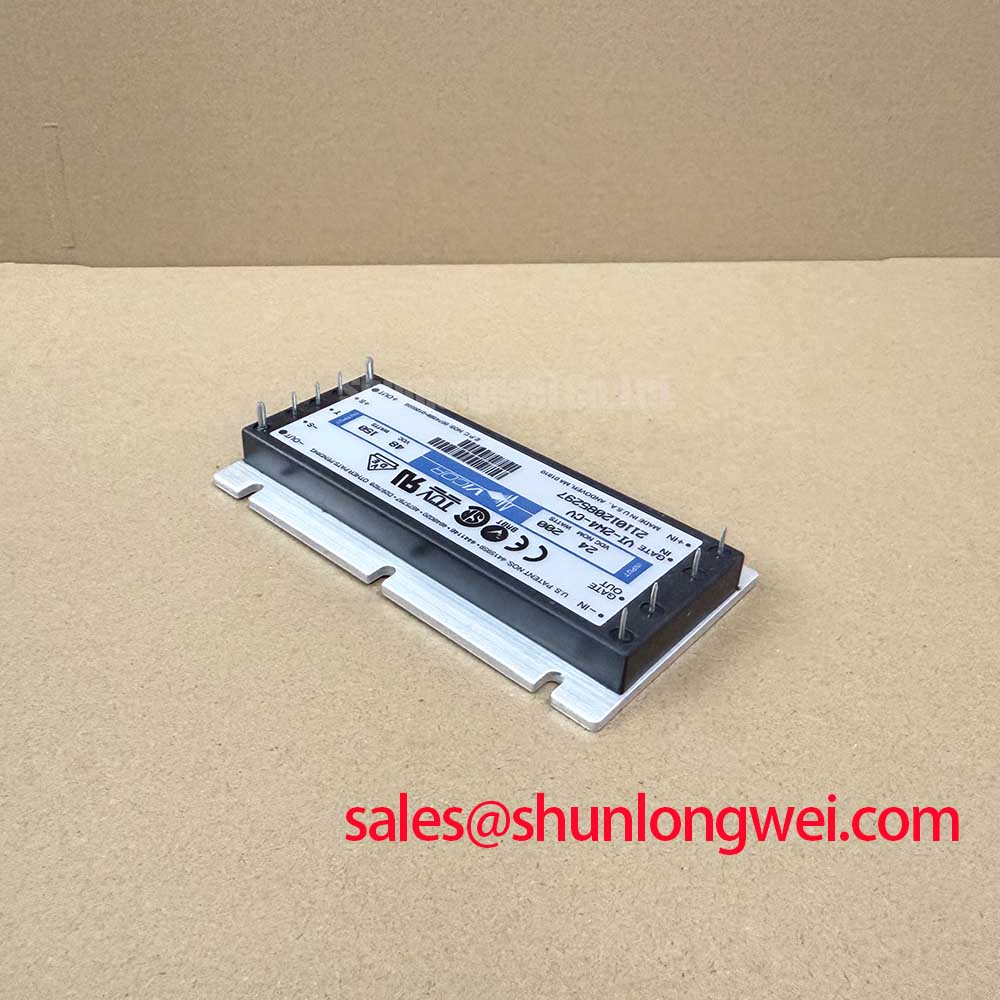
Vicor VI-2W4-CV DC-DC Converter
Introduction to High-Density Power Conversion
Engineered for Reliable 48V Bus Architectures and Industrial Power Conditioning
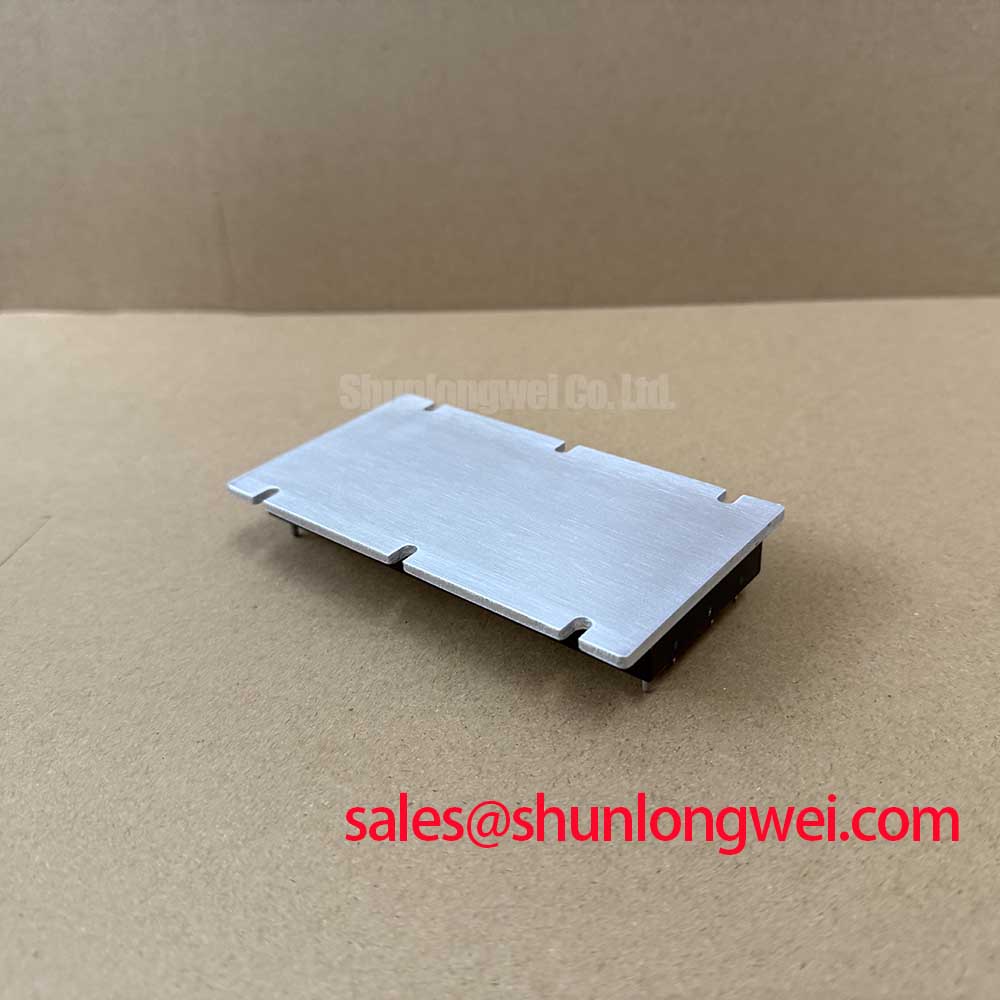
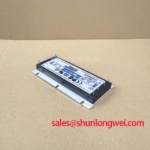
The Vicor VI-2W4-CV is a high-performance, isolated DC-DC Converter module that defines the standard for power density and modular reliability in the VI-200 series. Delivering a steady 48V DC output from a wide 36-76V DC input range, this 150W component is designed for engineers who prioritize thermal efficiency and electromagnetic compliance in constrained spaces. By utilizing proprietary Zero-Current Switching (ZCS) and Zero-Voltage Switching (ZVS) technology, it significantly reduces parasitic noise and switching losses. For 48V industrial systems requiring a robust power backbone, this 150W module provides the necessary isolation and stability to protect sensitive downstream electronics. This VI-2W4-CV ensures consistent performance across various load conditions, directly addressing the challenge of voltage regulation in fluctuating DC bus environments.
Key Parameter Overview
Decoding the Specifications for Enhanced System Reliability
The following technical data is derived from official Vicor documentation to support precise engineering evaluation. The VI-2W4-CV operates within the commercial temperature grade, making it suitable for standard industrial environments where cooling and space are managed through chassis mounting.
| Parameter | Technical Specification | Engineering Significance |
|---|---|---|
| Input Voltage Range | 36V to 76V DC (48V Nominal) | Accommodates standard telecom and industrial 48V battery systems. |
| Output Voltage | 48V DC | Provides stable power for high-voltage logic or motor control stages. |
| Output Power | 150W | Ideal for medium-power applications without excessive heat generation. |
| Isolation Voltage | 3,000Vrms | Ensures safety and signal integrity between input and output stages. |
| Product Grade | C-Grade (-10°C to +85°C) | Standard commercial/industrial thermal rating for reliable operation. |
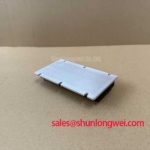
| Package Size | 4.6" x 2.4" x 0.5" (Full Brick) | Low-profile design facilitates high-density PCB or chassis mounting. |
Download the VI-2W4-CV datasheet for detailed specifications and performance curves.
Application Scenarios & Value
Achieving System-Level Efficiency in Telecommunications and Automation
For 48V bus architectures prioritizing thermal margin, this 150W module is the optimal choice. In telecom base stations, the VI-2W4-CV acts as a critical isolation barrier, converting fluctuating battery voltages into a clean 48V supply for power amplifiers and RF circuitry. The module's high 3,000Vrms isolation protects the control logic from lightning surges or switching transients often found in outdoor equipment deployments.
In industrial automation, engineers often face the challenge of voltage drops over long cable runs. By placing the VI-2W4-CV close to the load, a higher-voltage distribution can be stepped down locally with minimal loss. For systems integrating high-power motor drives, using a dedicated DC-DC converter ensures that the control electronics remain isolated from the high-current noise generated by components like the SKM300GA123D IGBT module. This separation is vital for maintaining IEC 61800-3 compliance and preventing system-wide failures due to electromagnetic interference.
Furthermore, in uninterruptible power supplies (UPS), the modular nature of the VI-200 series allows designers to parallel multiple units for N+1 redundancy. This scalability empowers procurement teams to standardize on a single part number while meeting various power requirements across different product lines. For even higher power density in smaller footprints, exploring IPM vs discrete IGBT architectures can further optimize the overall system footprint.
Technical & Design Deep Dive
The Impact of ZCS/ZVS Technology on Thermal Management
The core advantage of the VI-2W4-CV lies in its switching topology. Traditional PWM converters suffer from high "hard-switching" losses because they force current through the semiconductor while voltage is high. Think of hard-switching like a door being slammed shut while people are still trying to walk through; it creates noise, heat, and physical stress on the components. In contrast, Vicor’s Zero-Current Switching architecture functions like a synchronized athlete who only moves when the path is clear. By timing the switching events to coincide with the zero-crossing of the current waveform, the module virtually eliminates the energy "spike" that typically dissipates as heat.
This efficiency directly translates to a lower thermal resistance. Because less energy is wasted as heat, the VI-2W4-CV can operate in environments where airflow is limited. This is particularly beneficial when designing sealed medical HMI enclosures or outdoor digital signage, where external ventilation might introduce dust or moisture. Understanding thermal management is essential when integrating these bricks, as the baseplate temperature must be kept below 85°C to maintain the C-Grade reliability specified in the datasheet.
FAQ
How does the ZCS technology in the VI-2W4-CV affect my system’s EMI footprint?
Because the VI-2W4-CV switches at zero current, it generates significantly fewer high-frequency harmonics compared to traditional hard-switched converters. This simplifies the design of the input PFC stage and reduces the size of the required external EMI filters, helping your system meet FCC Part 15 or CISPR 22 standards more easily.
Can the output voltage of the VI-2W4-CV be adjusted for specific application needs?
Yes, the output can be trimmed within a range of 10% to 110% of the nominal 48V rating. This is useful for compensating for voltage drops in long wiring or for precisely matching the requirements of specialized LCD display backlights or sensitive sensors.
What is the primary benefit of its modular "brick" design?
Enhanced long-term reliability by eliminating solder fatigue through a encapsulated, robust package. The design also facilitates easier field replacement and upgrades compared to discrete component-based power supplies, lowering the Total Cost of Ownership (TCO).
Strategically, the VI-2W4-CV represents a mature, field-proven solution in an era where power density is increasingly non-negotiable. As industrial systems migrate toward 48V buses to reduce resistive losses, the reliability of the conversion stage becomes the linchpin of system uptime. This module provides a conservative, high-reliability path for engineers building for the long term.