Content last revised on September 10, 2026
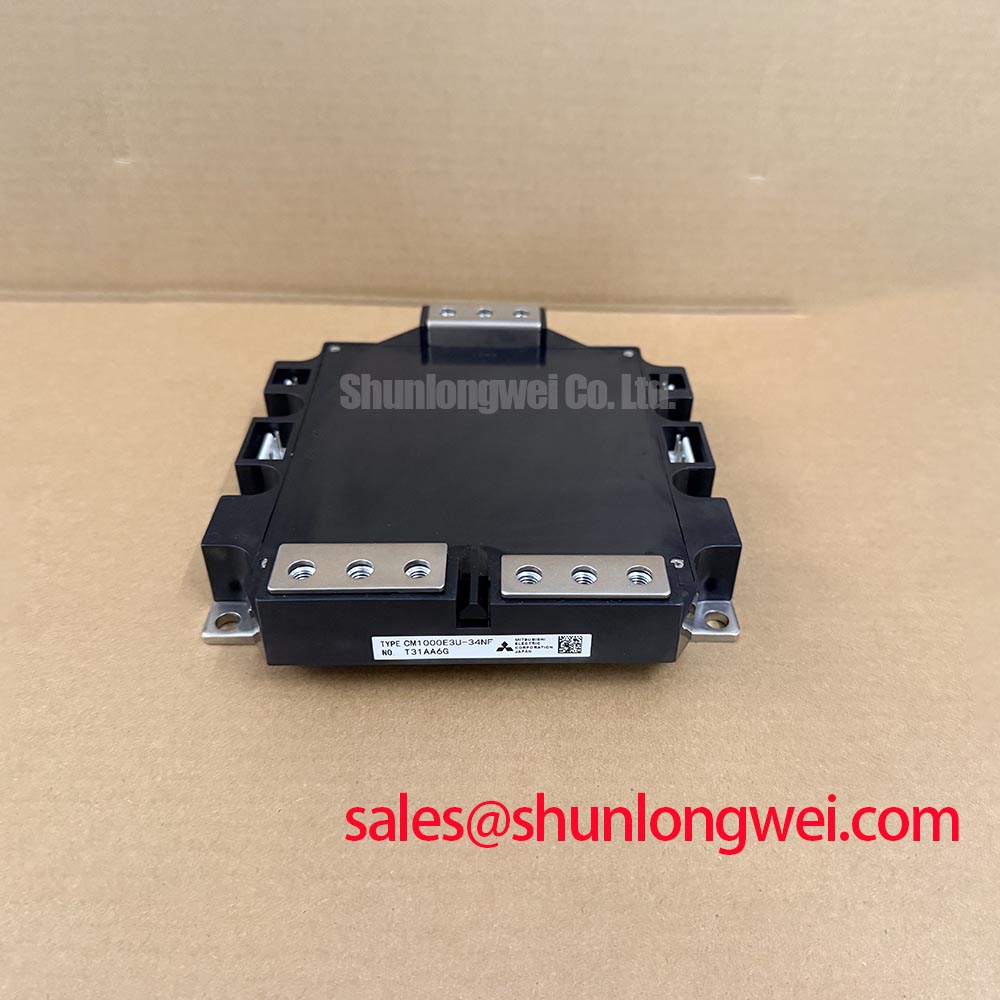
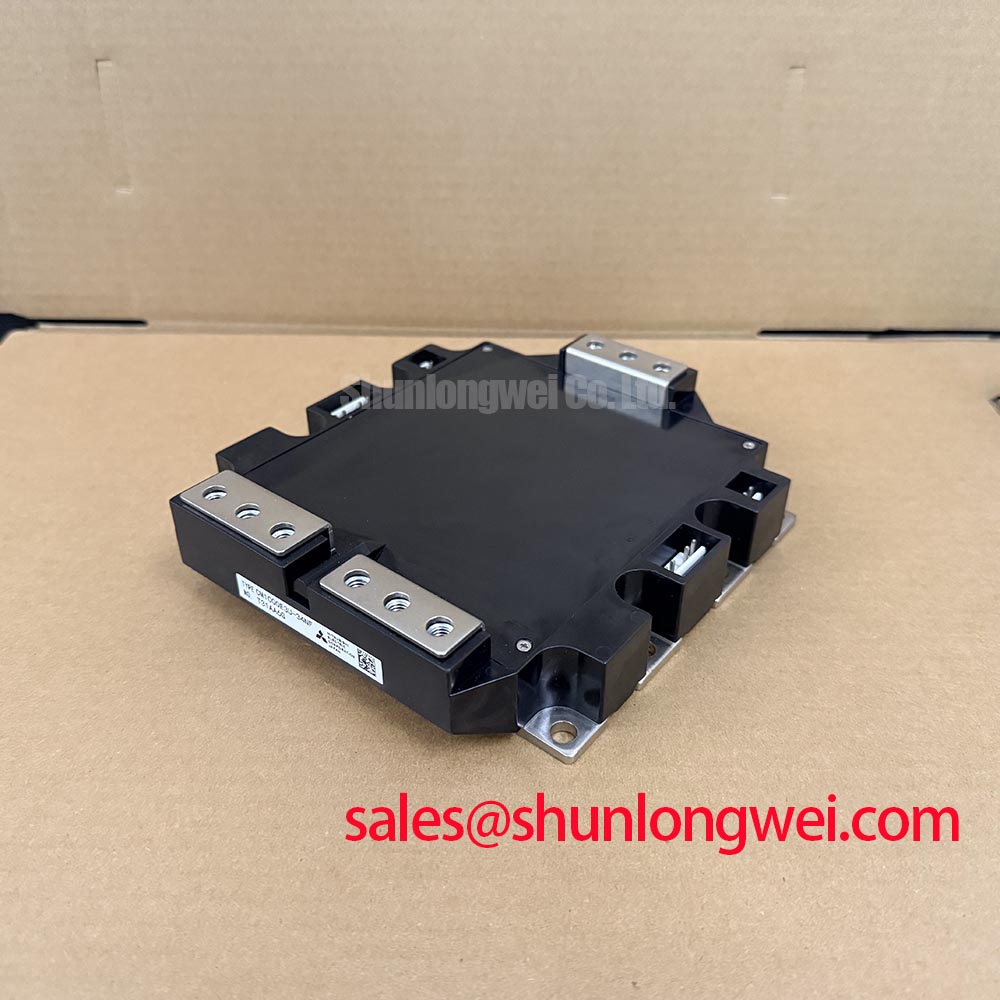
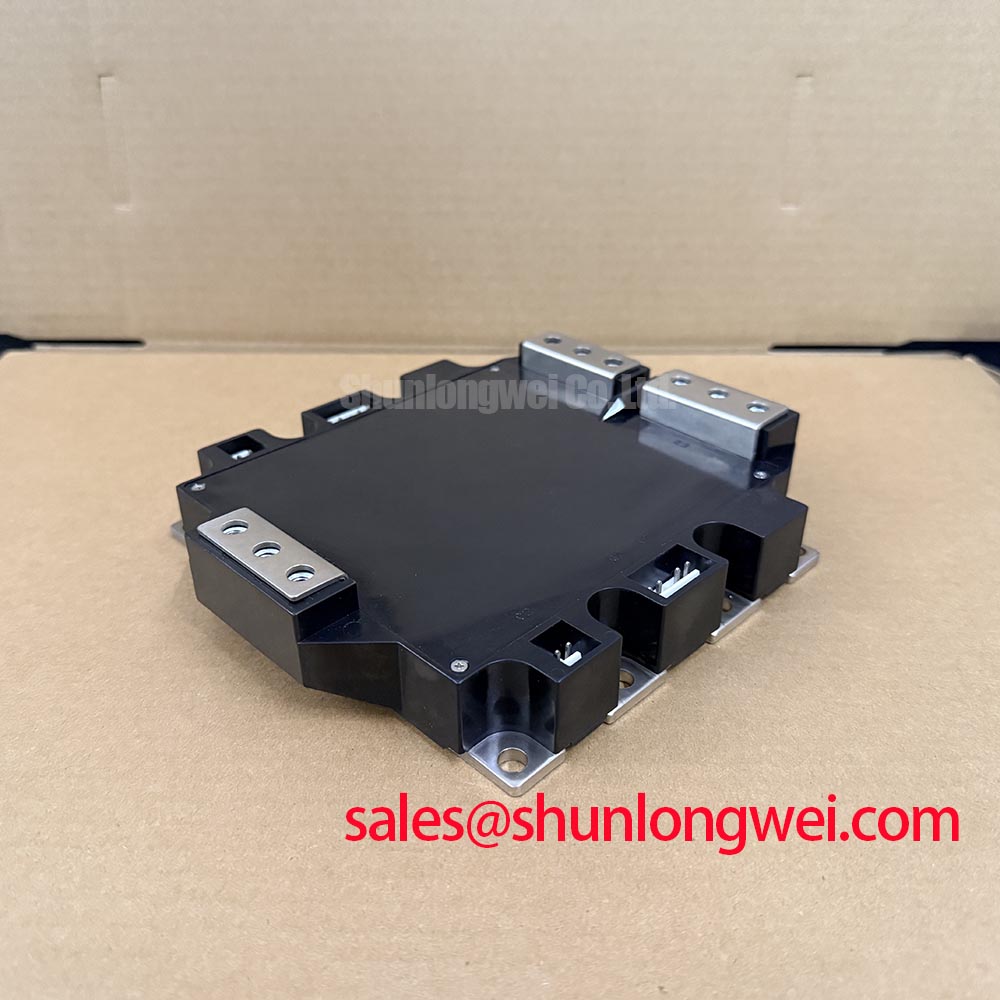
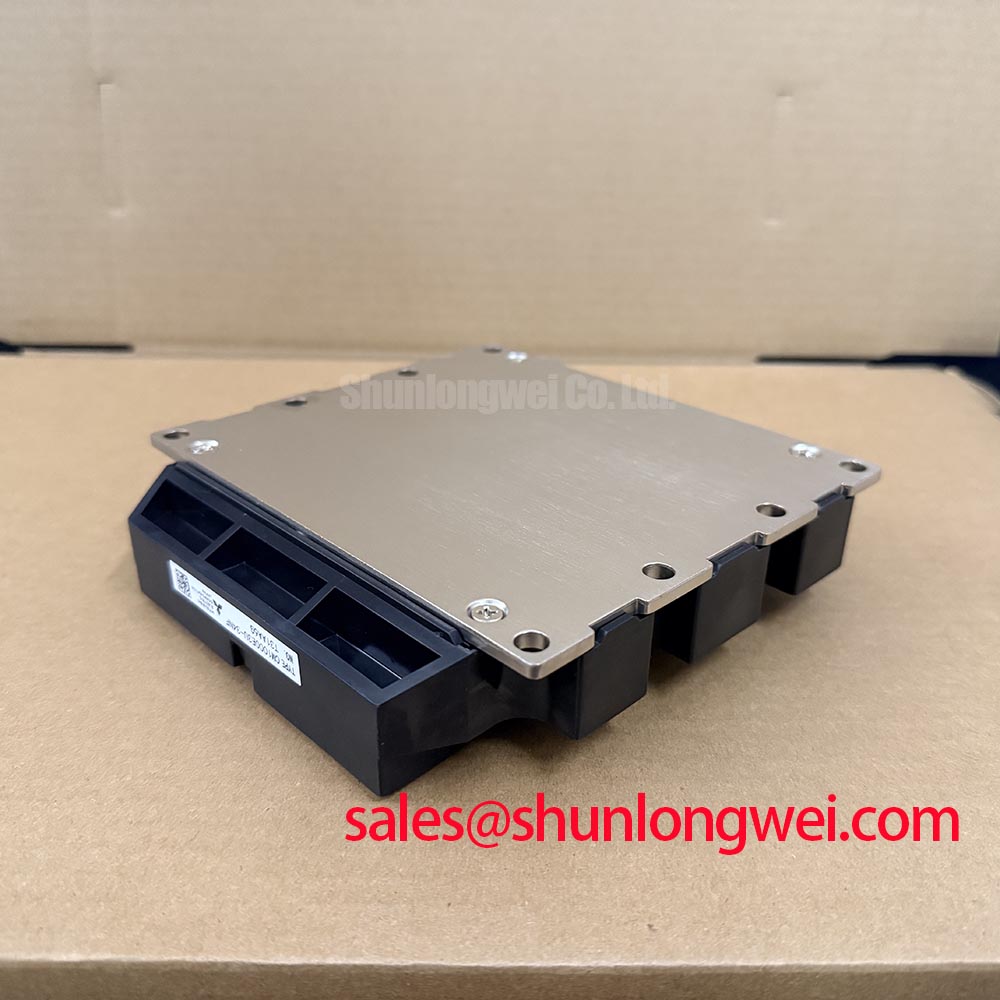
CM1000E3U-34NF | 1700V 1000A Single IGBT Module for High-Power Industrial Drives
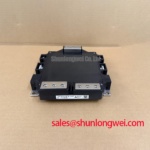
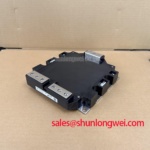
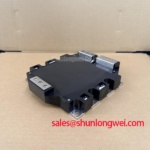
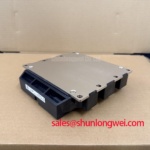
The Mitsubishi CM1000E3U-34NF is a high-power single IGBT module engineered for robust performance in demanding high-voltage industrial applications. It combines a formidable current handling capability with a high breakdown voltage, providing a foundational building block for next-generation power conversion systems. Key specifications include 1700V | 1000A | VCE(sat) 2.8V (typ). This module's design enables the development of multi-megawatt systems and is specifically optimized for reliability on 690V AC lines. What is the primary advantage of its 1700V rating? It ensures robust operation on 690V industrial AC lines. For large-scale Variable Frequency Drives (VFDs) prioritizing power throughput on these lines, this 1000A/1700V module is a cornerstone component.
Application Scenarios & Value
Enabling Megawatt-Scale Power Conversion for Heavy Industry
The CM1000E3U-34NF is engineered for deployment in high-power systems where reliability and efficiency are non-negotiable. Its primary application is in large-scale Variable Frequency Drives (VFDs) used to control multi-megawatt motors in sectors like mining, material handling, and industrial processing. In a scenario involving a heavy-duty conveyor system on a 690V AC industrial line, the challenge is to manage immense starting torque and continuous high current. The module's massive 1000A rating directly meets this power demand, while the 1700V collector-emitter voltage provides the critical safety margin to withstand transient voltage spikes common in these harsh inductive-load environments. How does the single chopper design benefit engineers? It offers maximum flexibility for custom inverter topologies.
This module is also a key enabler for high-capacity renewable energy systems, such as large solar and wind turbine inverters, where maximizing power throughput is essential for grid integration. Its robust thermal characteristics and proven reliability contribute to longer system uptime and reduced maintenance cycles. For systems requiring a dual-switch configuration in a different power class, the CM600DX-24T offers a half-bridge topology. For applications demanding even higher voltage ratings, components like the CM800HB-66H are available.
Key Parameter Overview
Critical Specifications for Efficiency and Thermal Design
The performance of the CM1000E3U-34NF is defined by several key parameters that directly influence system efficiency, thermal design, and overall reliability. These specifications provide engineers with the necessary data to model performance and optimize their power conversion architecture.
| Parameter | Value | Notes |
|---|---|---|
| Collector-Emitter Voltage (Vces) | 1700V | Provides substantial safety margin for 690V AC line applications. |
| Collector Current (Ic) | 1000A | Enables high power output, reducing the need for paralleling multiple devices. |
| Collector-Emitter Saturation Voltage (Vce(sat)) | 2.8V (typ) at Ic = 1000A | A lower value indicates reduced on-state power loss, leading to higher efficiency. |
| Total Power Dissipation (Pc) | 3900W | Defines the maximum heat the module can dissipate, a crucial input for heatsink design. |
| Thermal Resistance (Rth(j-c)) IGBT | 0.032 °C/W | Indicates efficient heat transfer from the semiconductor junction to the case. |
| Gate-Emitter Voltage (VGES) | ±20V | Defines the maximum allowable voltage for the gate drive circuit. |
Download the CM1000E3U-34NF datasheet for detailed specifications and performance curves.
Application Vignette
Deep Dive: Designing a Robust Inverter for a 500kW Industrial Motor Drive
Consider the design of a three-phase inverter for a 500kW industrial pump motor operating continuously. The primary engineering challenges are achieving over 98% efficiency to minimize operating costs and ensuring extreme reliability to prevent costly downtime. A design based on six CM1000E3U-34NF modules provides a direct solution.
The module's low VCE(sat) is central to meeting the efficiency target. Conduction losses, which are a product of VCE(sat) and collector current, are the dominant loss factor in this high-current application. A VCE(sat) of 2.8V at 1000A is a strong figure for a 1700V device. This efficiency can be thought of like fuel economy in a truck; a small percentage improvement in efficiency translates into significant energy savings over the 24/7 operational life of the pump. The module's robust Safe Operating Area (SOA) provides the resilience needed to handle potential overcurrent conditions during motor startup or fault events, acting as a critical safety buffer for the power stage.
By leveraging the high current rating of a single module, designers can avoid the complexities of paralleling smaller devices. This simplifies the gate drive circuitry, improves current sharing accuracy, and ultimately enhances the overall reliability of the inverter.
Frequently Asked Questions
Engineering Questions on the CM1000E3U-34NF
What is the primary advantage of the 1700V rating in an industrial application?
The 1700V rating provides the necessary voltage headroom for safe and reliable operation on 690V AC industrial power grids. This margin is critical to withstand voltage transients and overvoltages caused by switching inductive loads or line fluctuations, directly enhancing the long-term reliability of the equipment.
How does the VCE(sat) of 2.8V at 1000A influence thermal management?
The VCE(sat) is a direct measure of the voltage drop across the IGBT when it is fully on. A lower VCE(sat) means less power is converted into heat (conduction loss). With a value of 2.8V at 1000A, the conduction loss is 2800W. This figure is a primary input for calculating heatsink requirements. A lower loss allows for a smaller, more cost-effective thermal solution or provides greater thermal margin in high-ambient-temperature environments.
Why would a designer choose a single chopper configuration like the CM1000E3U-34NF over an integrated half-bridge module?
A single chopper configuration offers maximum design flexibility. Engineers can use them individually in applications like DC-DC converters or DC circuit breakers. For three-phase inverters, six single modules allow for a more optimized and potentially more compact mechanical layout and busbar design compared to three half-bridge modules. This flexibility can also simplify inventory for manufacturers producing various types of power converters.
What does the total power dissipation (Pc) of 3900W signify for system design?
The Pc rating of 3900W represents the maximum amount of heat the module can transfer to its heatsink under specified case temperature conditions. It is not the power the device can switch, but rather its thermal limit. Think of it as the cooling capacity of a radiator. Engineers must design a cooling system (heatsink, fans, etc.) capable of removing at least this much heat to keep the IGBT junction temperature within its safe operating limits, ensuring the module does not overheat and fail.
By integrating the CM1000E3U-34NF, engineering teams can build next-generation power converters that not only meet today's power demands but are also positioned for future increases in industrial automation and energy efficiency standards.