Content last revised on September 10, 2026
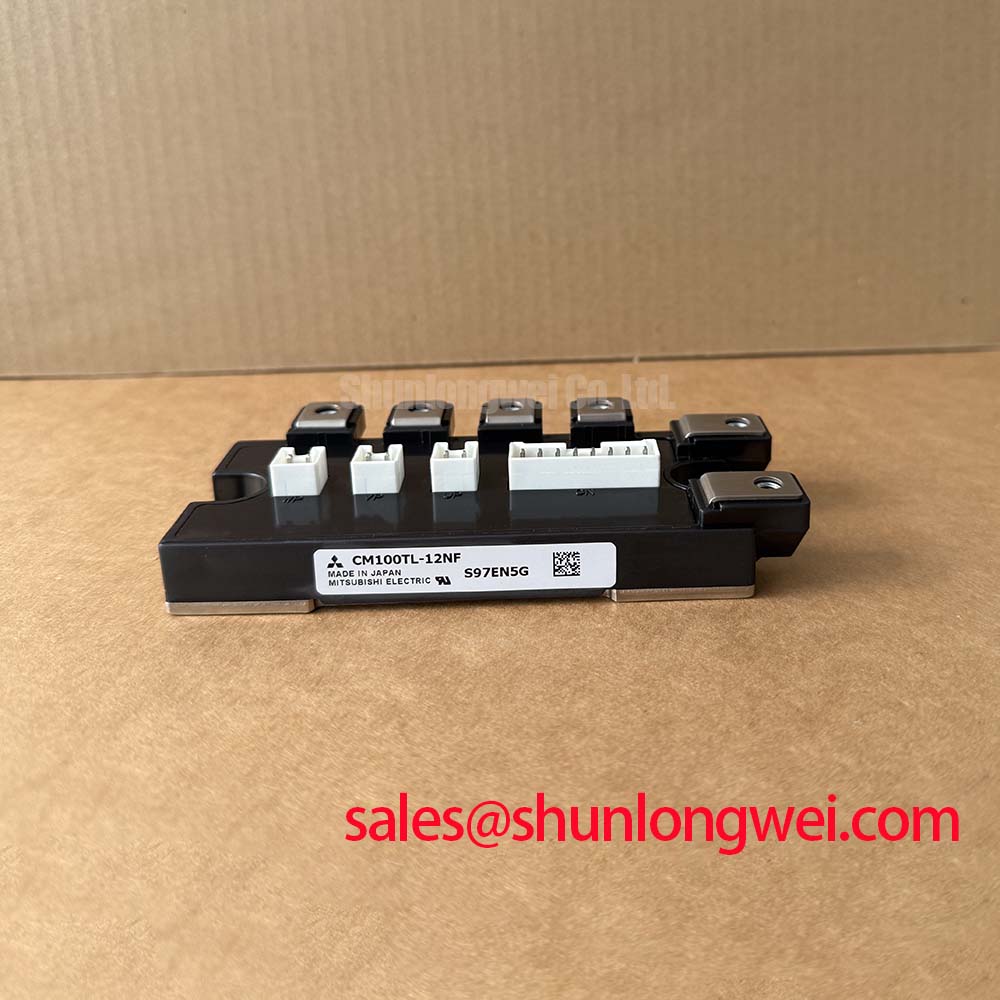
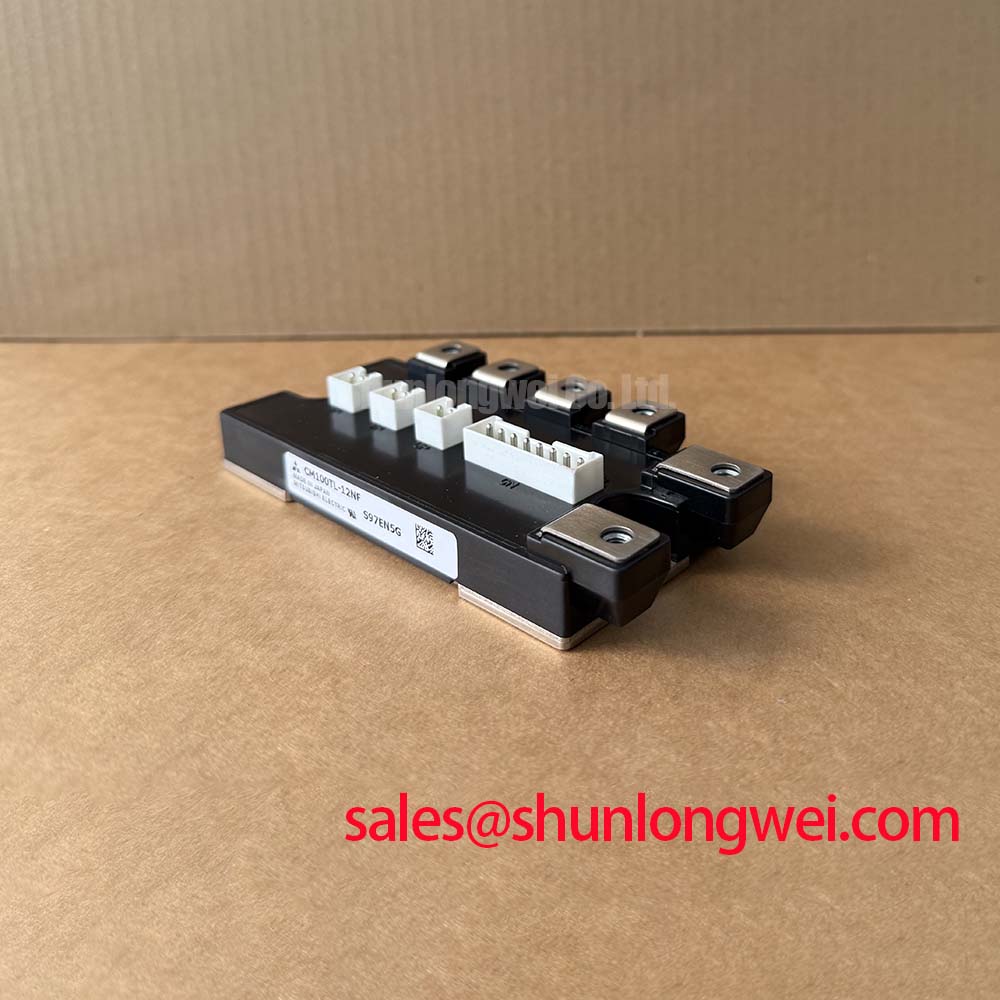
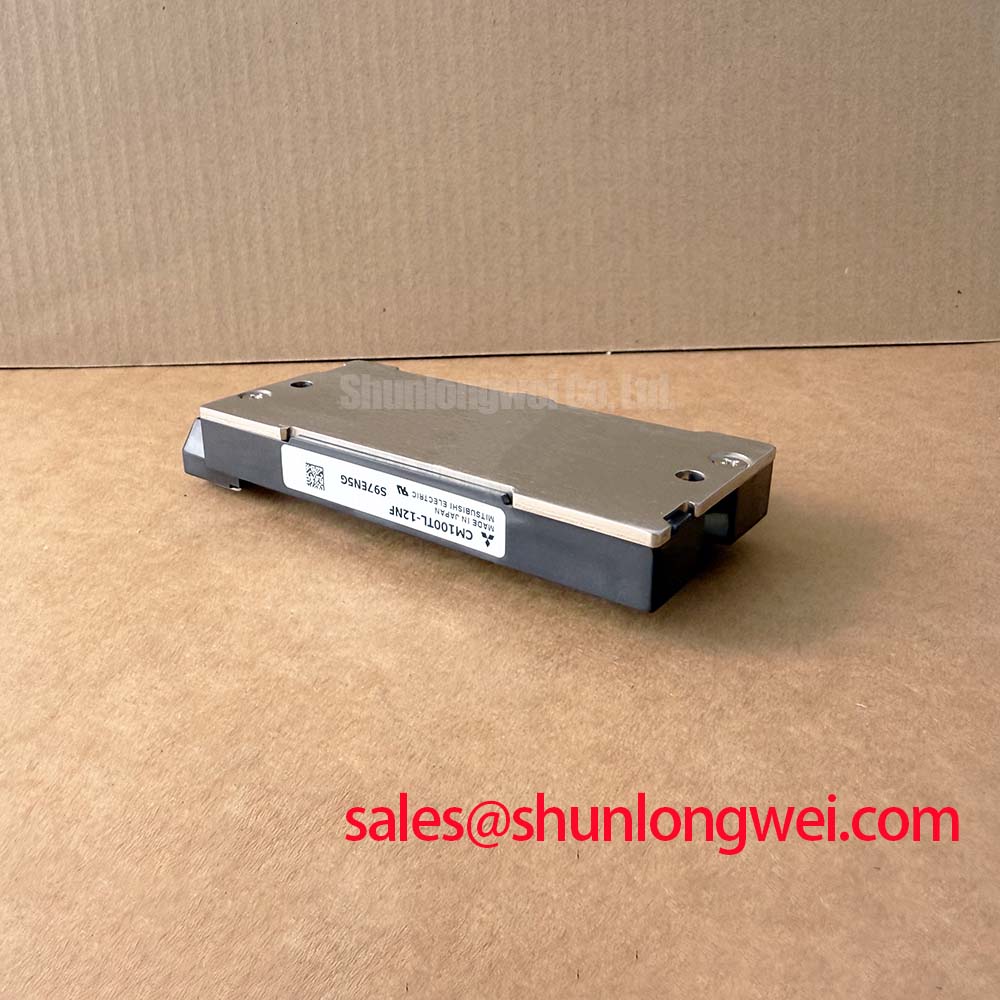
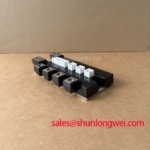
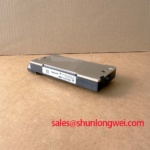
CM100TL-12NF Mitsubishi Electric 600V 100A IGBT Module
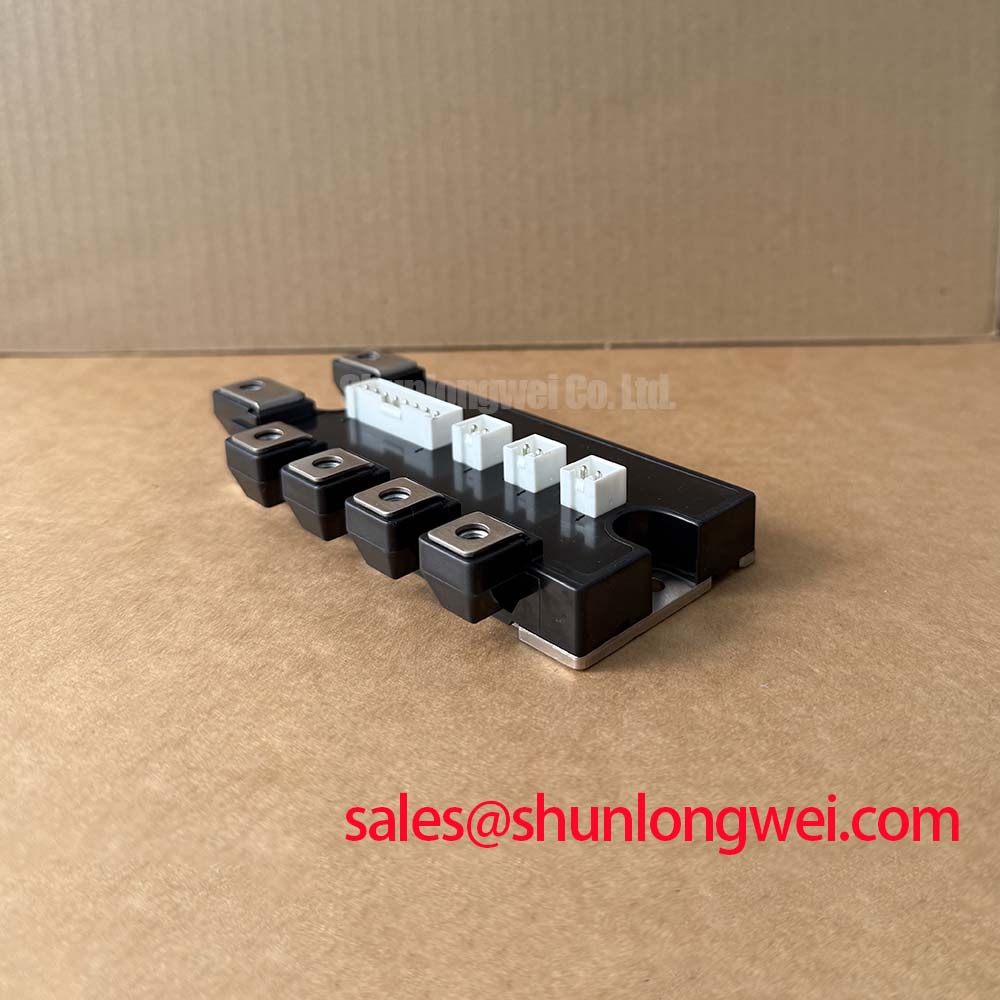
The CM100TL-12NF, manufactured by Mitsubishi Electric, represents a sophisticated 6-unit (3-phase bridge) IGBT module designed for high-efficiency power switching in industrial environments. Engineered with the sixth-generation NF-Series trench gate technology, this module provides a superior trade-off between collector-emitter saturation voltage and switching losses. A common engineering inquiry regarding the CM100TL-12NF is its performance under high switching frequencies; thanks to its optimized trench gate, it significantly reduces Eoff losses compared to earlier planar generations, ensuring cooler operation in compact enclosures. For 230V AC motor control systems requiring a 100A continuous current with tight thermal margins, the CM100TL-12NF is the industry-standard choice.
Key Parameter Overview
Decoding the Specs for Enhanced Thermal Reliability
Understanding the technical boundaries of the CM100TL-12NF is essential for optimizing the thermal management of Variable Frequency Drives (VFDs) and UPS systems. The module features an isolated baseplate, which simplifies heatsink mounting and electrical isolation requirements in multi-module configurations. To visualize the significance of the Vce(sat) parameter, think of it like the friction in a water valve; a lower Vce(sat) of 1.7V means less energy is lost as heat while the "valve" is fully open, allowing for higher efficiency during constant conduction phases.
| Technical Parameter | Official Specification | Engineering Impact |
|---|---|---|
| Collector-Emitter Voltage (Vces) | 600V | Optimized for 200V-240V AC line systems. |
| Collector Current (Ic) | 100A | Supports high-torque motor startup currents. |
| Vce(sat) (Typical at Tj=25°C) | 1.7V | Low conduction loss improves system efficiency. |
| Total Power Dissipation (Ptot) | 400W | Defines the ceiling for thermal design limits. |
| Thermal Resistance (Rth(j-c)) | 0.22 K/W | Ensures rapid heat transfer to the heatsink. |
Download the CM100TL-12NF datasheet for detailed specifications and performance curves.
Application Scenarios & Value
Achieving System-Level Benefits in High-Efficiency Power Conversion
The CM100TL-12NF is primarily deployed in 3-phase inverter stages where space and reliability are the primary constraints. In industrial conveyor belt systems, engineers often face the challenge of motor starting surge currents that can exceed nominal ratings. The 100A rating of this module, combined with its robust Short-Circuit Safe Operating Area (SCSOA), allows it to withstand these transient stresses without catastrophic failure. By integrating six IGBTs into a single low-profile package, designers can minimize parasitic inductance in the DC bus, which is critical for suppressing voltage spikes during high-speed switching.
For systems requiring even higher power densities, the related CM150RL-12NF offers a 150V current rating within a similar NF-series architecture. Conversely, when moving from discrete components to integrated power stages, developers may evaluate the PM100CSD120 for applications needing internal drive and protection logic. Proper IGBT reliability and testing protocols should always be followed to ensure the longevity of these modules in harsh electrical environments like Welding Power Supplies or Servo Drives.
Technical Deep Dive
A Closer Look at the Trench Gate Design for Long-Term Reliability
The transition to the Trench Gate structure in the CM100TL-12NF was a pivotal shift in IGBT structure and technology. In traditional planar IGBTs, the current flow is restricted by the horizontal layout of the gate, leading to higher resistance. The trench gate design essentially "buries" the gate vertically into the silicon. This can be compared to adding elevators to a high-rise building; it allows for high-density vertical traffic, moving more current through the same silicon area than a flat, "planar" hallway system could manage. This increased carrier density effectively lowers the Vce(sat) without increasing the chip size.
Furthermore, the CM100TL-12NF utilizes a specialized CSTBT™ (Carrier Stored Trench-Gate Bipolar Transistor) technology unique to Mitsubishi Electric. This technology optimizes the carrier distribution within the drift layer, ensuring that the Switching Loss remains linear and predictable even as junction temperatures rise. For engineers, this translates to a more stable Safe Operating Area (SOA), reducing the need for oversized cooling solutions and allowing for more compact Inverter designs. Mastery of decoding IGBT datasheets is vital here to calculate the precise junction temperature under variable load conditions.
Technical FAQ
How does the Rth(j-c) of 0.22 K/W directly impact heatsink selection for the CM100TL-12NF?
The thermal resistance of 0.22 K/W determines how efficiently heat moves from the junction to the module case. A lower resistance allows for a smaller temperature gradient between the chip and the heatsink. In practice, this means engineers can either use a smaller heatsink for the same power level or increase the switching frequency while keeping the junction temperature within safe limits.
What are the integration benefits of the 6-unit configuration in 3-phase systems?
The 6-unit bridge configuration significantly reduces the complexity of the PCB layout. By housing the entire 3-phase inverter stage in one isolated package, it eliminates the need for individual isolation washers and reduces the loop inductance between phases. This leads to cleaner switching waveforms and lower Electromagnetic Interference (EMI), which is crucial for compliance with IEC 61800-3 standards.
Why is the 600V Vces rating critical for 230V mains applications?
While the peak voltage of a 230V RMS line is approximately 325V, the 600V rating provides a necessary safety margin. This headroom accounts for the DC bus voltage (typically 350-400V) and the transient voltage spikes generated by stray inductance during turn-off. Without this margin, the risk of overvoltage breakdown during a Hard Switching event would be unacceptably high for industrial infrastructure.
From a strategic perspective, the CM100TL-12NF serves as a cornerstone for building reliable, high-uptime industrial infrastructure. Its combination of proven trench gate physics and robust mechanical packaging allows for a lower Total Cost of Ownership (TCO) by reducing maintenance intervals and improving energy conversion efficiency across the lifespan of the equipment.