

Content last revised on September 10, 2026
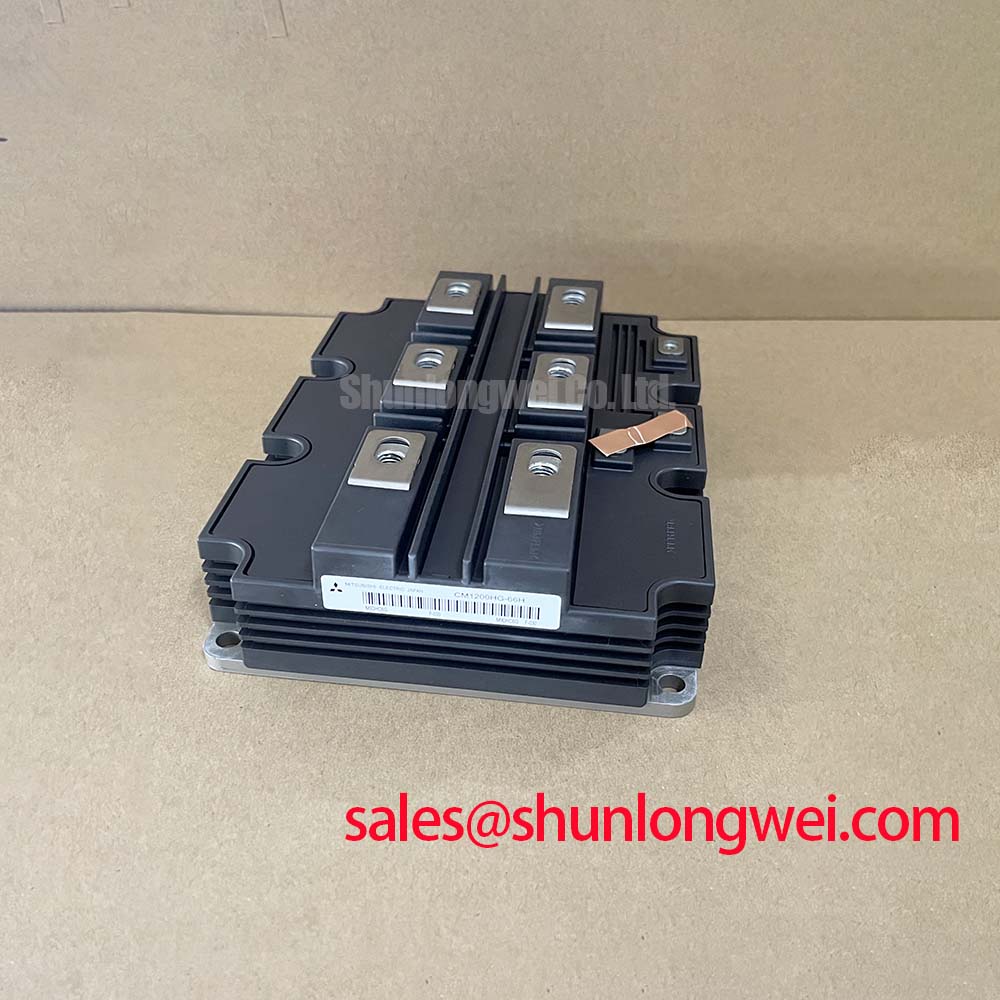
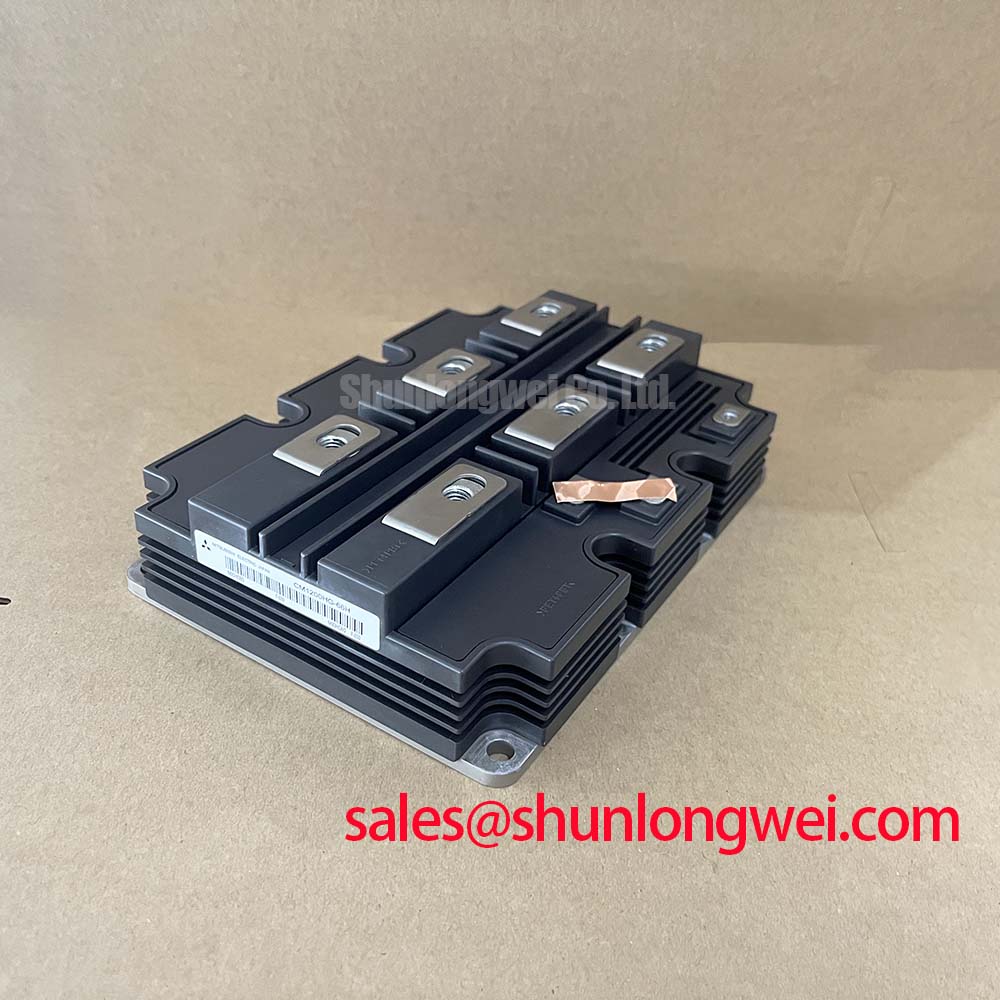
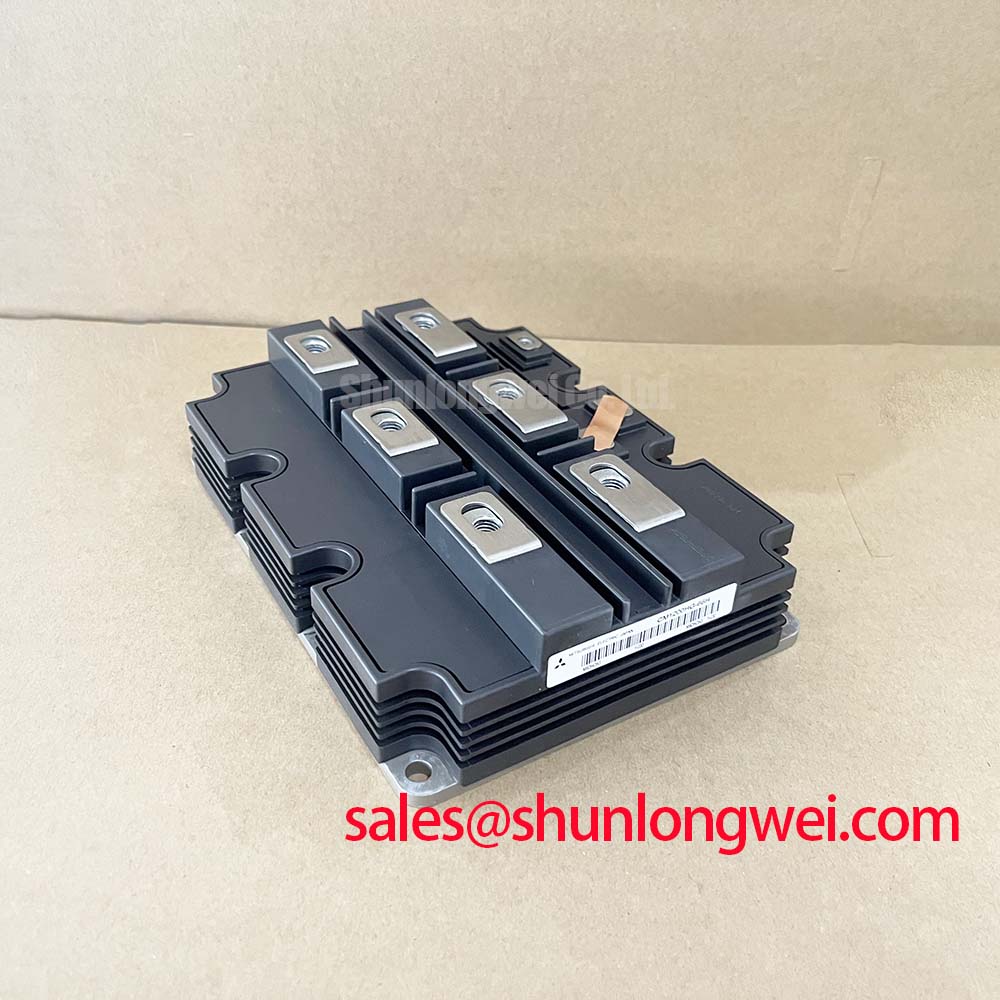
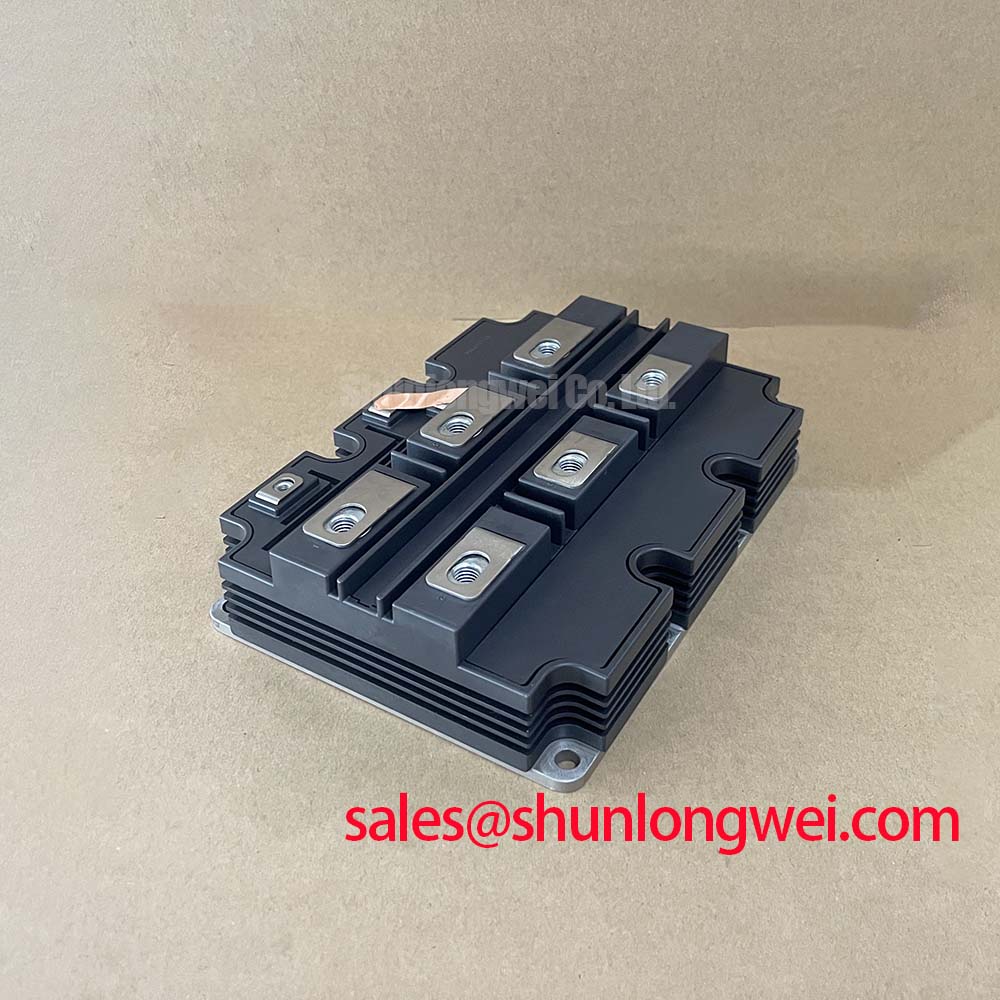
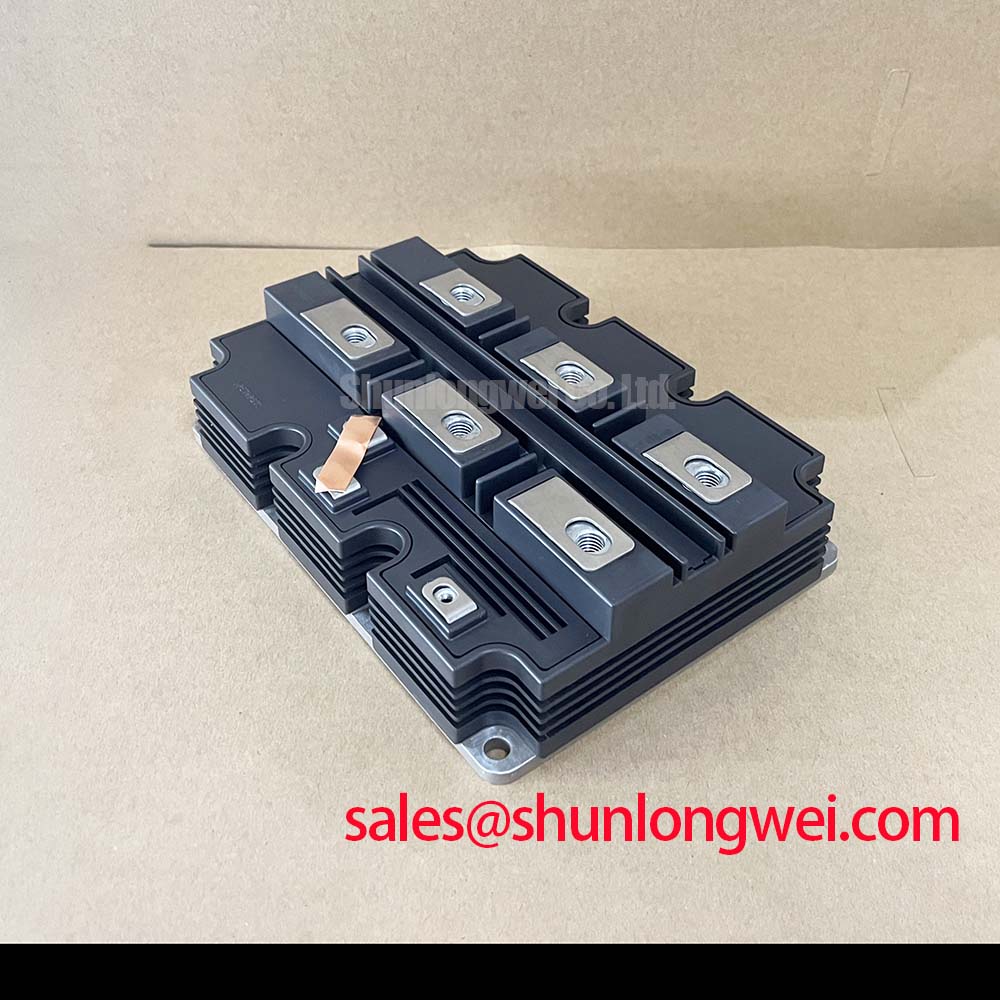
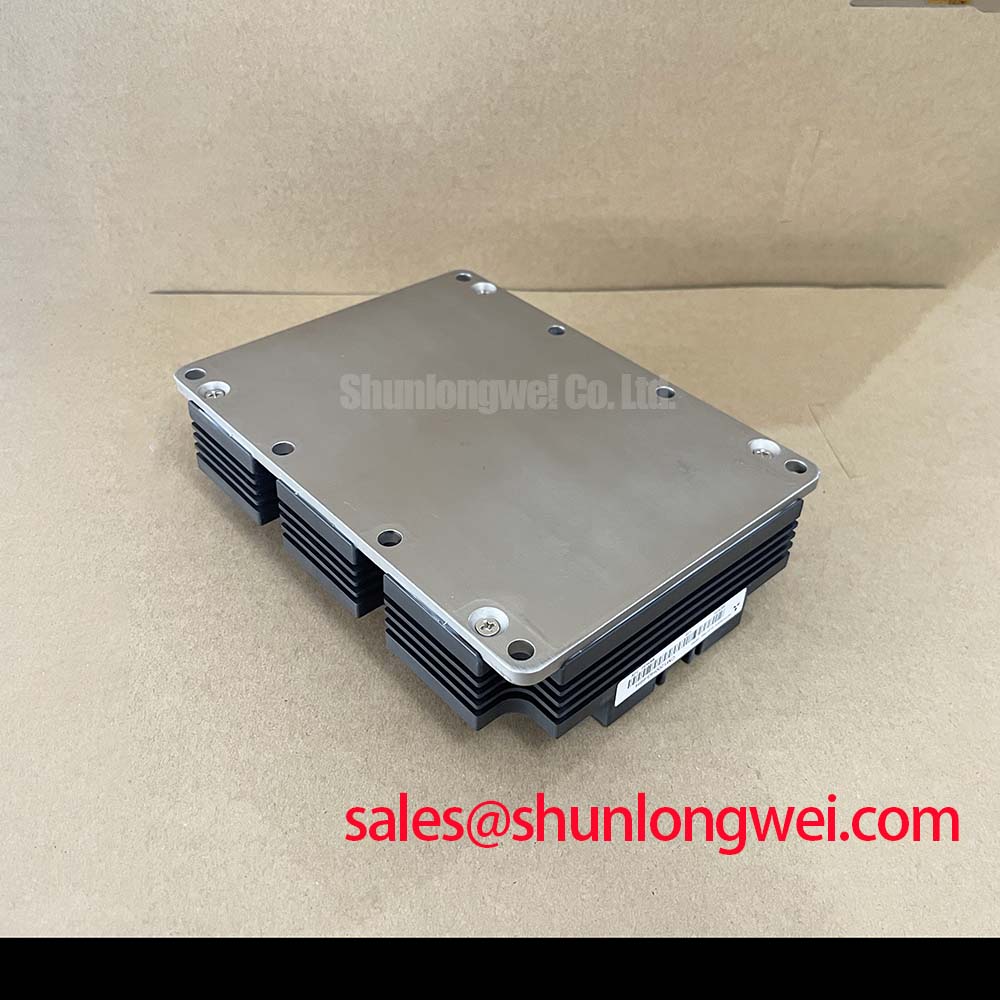
CM1200HG-66H Mitsubishi 3300V 1200A HVIGBT Module for Traction and High-Power Industrial Drives
High-Voltage Single-Switch HVIGBT Engineered for Thermal Headroom and Long-Cycle Reliability
The CM1200HG-66H from Mitsubishi Electric is a single-switch HVIGBT module delivering 3300V VCES and 1200A IC for traction converters, MV drives, and grid-tied power conversion. Designed around a planar-gate HVIGBT chipset with a matched free-wheeling diode, it targets designs where thermal margin and power-cycle endurance govern service life. Best fit: 1500–2200V DC-link traction and industrial inverters demanding rugged SOA and predictable VCE(sat) behavior at full load.
What is the primary benefit of the CM1200HG-66H configuration? Its single-switch HVIGBT topology simplifies series stacking and parallel scaling for multi-megawatt converters.
Application Scenarios & Value
Solving the Thermal Margin Challenge in Multi-Megawatt Traction Inverters
Engineers often face a brutal compromise in 3-level NPC traction inverters: pushing switching frequency for smaller filters while keeping junction temperature within a power-cycling envelope that promises a 30-year service life. The CM1200HG-66H attacks this directly. With a 3300V blocking class and 1200A nominal current, the module provides a 30–40% voltage headroom above typical 1500V DC-link operation, suppressing failure risk from cosmic-ray-induced events and switching overshoot during regenerative braking.
Typical deployments include:
- Railway traction converters (locomotives, metros, EMUs) for 1500V and 3000V catenary systems
- Medium-voltage motor drives for mining, steel rolling, and marine propulsion
- Wind turbine converters (DFIG and full-converter topologies) requiring high power cycling capability
- Static synchronous compensators (STATCOM) and FACTS devices for grid stability
- Induction heating and electrolysis power supplies above 1 MW
For systems demanding still higher current capability in the same 3300V class, the related CM1500HC-66R offers a 1500A variant. Designs targeting a lower current envelope can reference the CM800HB-66H for an 800A footprint. The dual-switch CM1200HC-66H is a closely related sibling in the same family.
Technical Deep Dive
Why Thermal Resistance and Power-Cycle Capability Define Field Reliability
The dominant aging mechanism in 3300V HVIGBT modules is bond-wire lift-off and solder fatigue under repetitive load cycling. Mitsubishi's HVIGBT platform addresses this through AlSiC baseplate construction and optimized substrate metallization, reducing CTE mismatch between silicon die, DBC substrate, and baseplate. The result is a quantifiable extension of power cycling capability—a parameter that directly translates to mean-time-between-failure in traction service.
Think of thermal resistance (Rth) like the cross-section of a heat-evacuation pipe: a lower value lets the same heat flux escape with less temperature rise. For this module, a tight junction-to-case path keeps ΔTj manageable during 100% regenerative braking pulses, where instantaneous power dissipation can spike 3–4× nominal.
A second analogy: VCE(sat) behaves like the on-state resistance of a hose carrying current. At 1200A nominal, even a 0.1V reduction in VCE(sat) trims conduction losses by 120W per switch—multiply by six switches and three phases, and the system saves over 2 kW continuously. That margin shrinks heatsinks, lowers cooling fan power, and reduces total cost of ownership across a fleet.
For deeper context on why Rth matters in HVIGBT thermal performance, the relationship between case-to-sink interface quality and module lifetime cannot be overstated. Designers should also consult gate-drive and thermal integration guidance when paralleling or series-stacking these devices.
Key Parameter Overview
Decoding the Specifications That Govern Inverter Headroom
| Parameter | Value | Engineering Significance |
|---|---|---|
| Collector-Emitter Voltage (VCES) | 3300 V | Suitable for 1500–2200V DC-link systems with cosmic-ray margin |
| Collector Current (IC) | 1200 A @ Tc=80°C | Supports multi-MW converter ratings without paralleling |
| Pulsed Collector Current (ICM) | 2400 A | 2× headroom for short-circuit and overload events |
| Gate-Emitter Voltage (VGES) | ±20 V | Standard HVIGBT gate-drive compatibility |
| Configuration | Single IGBT + FWD | Flexible for 2-level, 3-level NPC, and MMC topologies |
| Operating Junction Temp (Tj) | 150 °C | Defines worst-case thermal design point |
| Isolation Voltage | 6000 Vrms / 1 min | Meets MV converter insulation requirements |
Download the CM1200HG-66H datasheet for detailed specifications and performance curves.
Frequently Asked Questions
How does the 3300V VCES rating translate into practical DC-link design margin?
The 3300V class provides roughly 1.5× headroom over a 2200V DC link, absorbing switching overshoot and cosmic-ray-induced failure probability without derating.
What gate-drive considerations are unique to a 1200A single-switch HVIGBT?
Peak gate currents of 8–15A are typically required to slew the large input capacitance cleanly. Active Miller clamping and DESAT protection with sub-microsecond response are essential to keep RBSOA intact during fault events.
Can the CM1200HG-66H be paralleled for higher current converters?
Yes, but layout symmetry and matched VCE(sat) bins are critical. Differential stray inductance between paralleled modules should be held below 10% to ensure balanced dynamic current sharing.
Strategic Positioning
As rail electrification programs accelerate across Europe, India, and the Middle East, and as MV grid-support inverters scale to meet renewable integration mandates, the 3300V HVIGBT class remains the workhorse silicon platform. The CM1200HG-66H sits at a sweet spot: high enough current density to consolidate component count in multi-MW designs, yet conservative enough in switching speed to coexist with legacy filter and EMC architectures. For OEM teams balancing field reliability against bill-of-materials pressure, this module deserves a place on the qualification shortlist.