Content last revised on September 22, 2026
CM200TL-24NF Product Identification
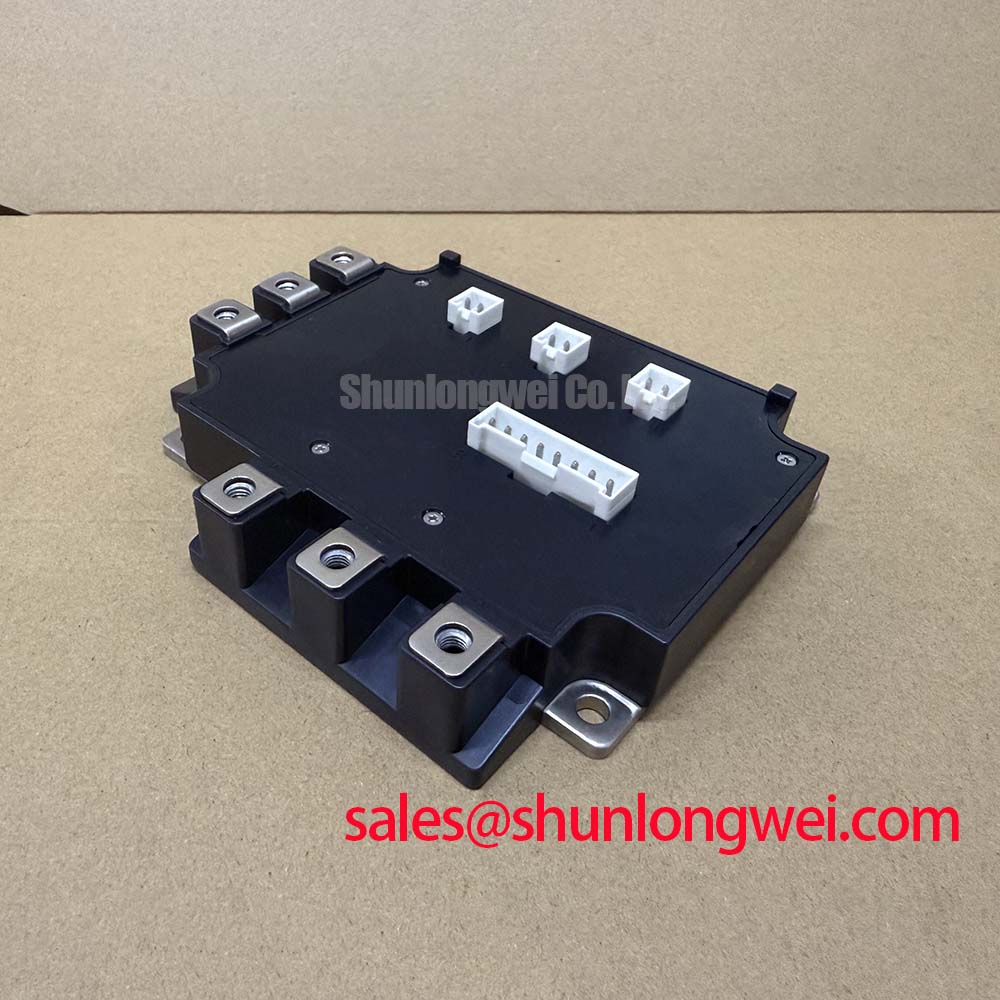
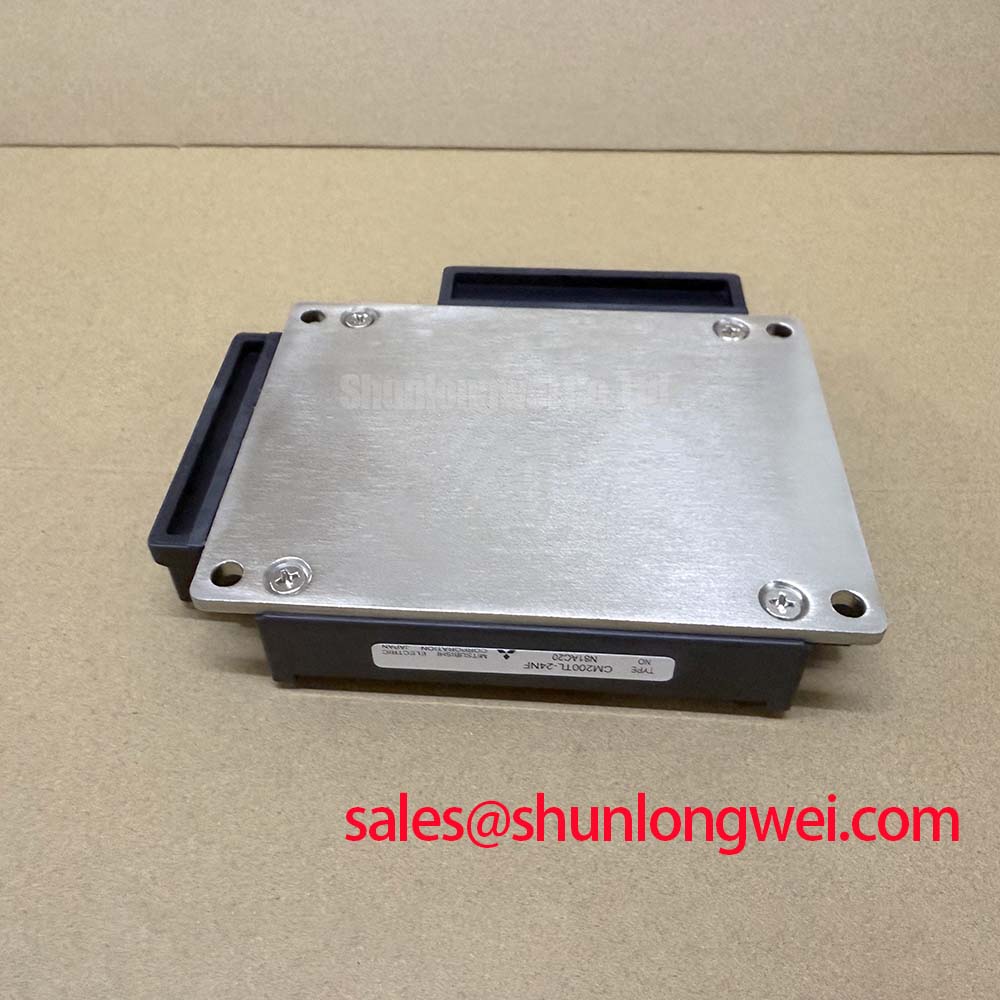
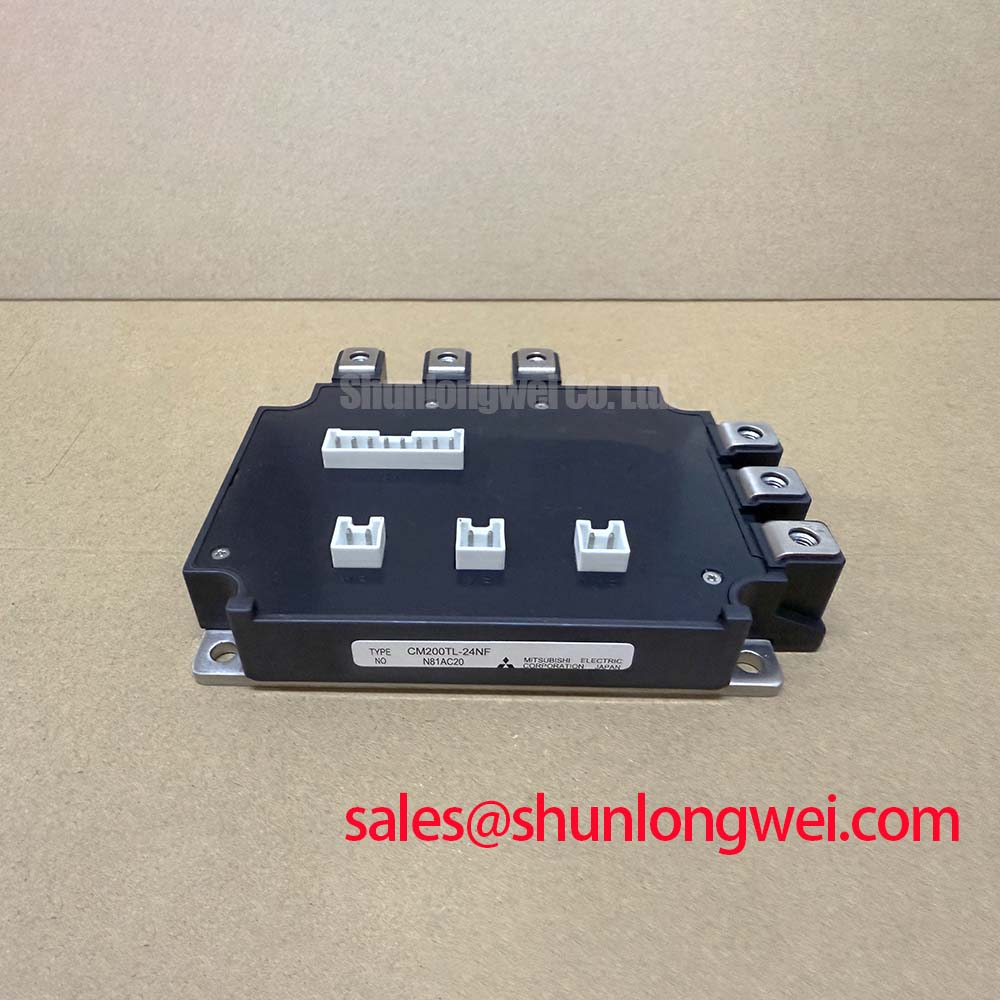
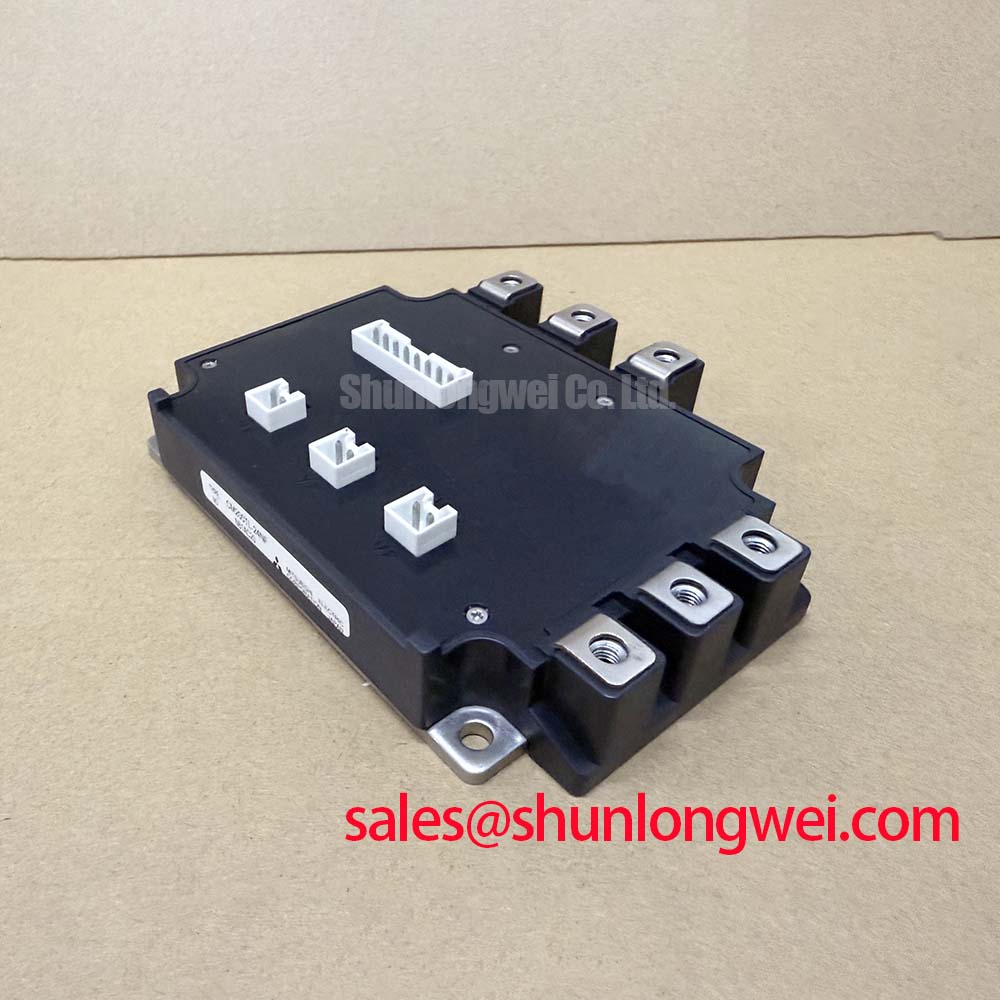
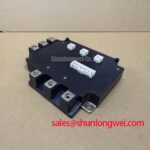
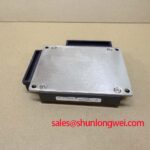
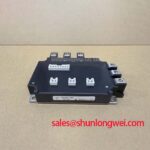
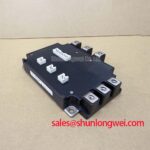
Before energizing a replacement position, verify the equipment nameplate boundary and compare the installed module marking against the required CM200TL-24NF designation, rated at 1200V and 200A. This Mitsubishi Electric power semiconductor is supplied in a Module package. These values are Official Datasheet Specifications and establish the electrical identity that must be preserved during repair evaluation, inverter service, and procurement review.
| Parameter | Specification | Status |
|---|---|---|
| Product model | CM200TL-24NF | Official identification |
| Manufacturer | Mitsubishi Electric | Manufacturer identification |
| Collector emitter voltage rating | 1200V | Official Datasheet Specification |
| Rated current | 200A | Official Datasheet Specification |
| Package | Module | Official Datasheet Specification |
For equipment repair, the voltage and current labels alone do not confirm interchangeability. The original inverter topology, terminal arrangement, gate driver connection, heat sink interface, protection thresholds, and switching waveform must remain subject to system-level verification. Mitsubishi Electric provides broader device and module technology information through its Power Semiconductors and High-Power Modules resource.
Benchtop Waveform Tuning: Mitigating Stress via Active Miller Clamp Implementation on CM200TL-24NF
Start waveform work with the DC link discharged, the motor or inductive load secured, and the gate drive measurement reference planned before probe clips are attached. The CM200TL-24NF is a 1200V, 200A IGBT module, but its published rating does not define the complete switching behavior of a specific inverter. Actual turn-on and turn-off stress depends on the driver circuit, busbar geometry, local decoupling, commutation path, load current, temperature, and the impedance of every connection surrounding the module.
An active Miller clamp is a Design Consideration for bridge legs where rapid collector voltage movement can capacitively influence the gate of the IGBT that is intended to remain off. During a switching transition, gate displacement current can flow through the gate network. If the off-state gate path is not sufficiently controlled, the inactive device can experience unwanted gate movement. In a half-bridge, that condition may contribute to cross-conduction stress. The purpose of an active Miller clamp is to provide a low-impedance gate-to-emitter path after the gate has been driven into the off state, rather than relying on a long or noise-sensitive return path.
The negative gate-bias range often discussed for industrial IGBT gate-drive systems must not be treated as an Official Specification of this module unless it is confirmed in the applicable Mitsubishi Electric device documentation and the original drive design. A driver using negative off-state bias requires a complete review of driver isolation, gate-emitter limits, desaturation protection behavior, start-up sequencing, and fault-state conditions. The system engineer should validate the selected bias during double-pulse testing and during realistic load transitions rather than transferring a value from another inverter platform.
Keep the driver output loop compact and place the driver return so that it follows the intended gate-emitter reference rather than a high-current power return. Long gate leads, shared return sections, and broad current loops can add inductive coupling that is invisible on a static continuity test. During a benchtop investigation, compare the commanded gate signal with the gate-emitter waveform at the module terminals. A waveform that appears stable at the controller connector can look substantially different at the power module when commutation current is present.
💡 Pro Tip: Route the DC-link and phase-current conductors with as much symmetry and loop-area control as practical, then verify turn-off peak voltage margins with properly referenced switching measurements.
If ringing appears, do not assign a single cause from one oscilloscope trace. Check probe grounding method, measurement bandwidth, driver return routing, local capacitor connection, and the physical distance between the driver and module. A low-inductance probing method is important because a long probe ground lead can create a misleading waveform. The gate resistor, clamp behavior, and dead-time settings should be adjusted only through controlled testing against the required current, bus voltage, and thermal condition.
For an inverter repair where adjacent devices are being assessed, the 1MBI200S-120 can be reviewed as a related power-device reference within a system topology. It should not be assumed to be electrically or mechanically interchangeable with the CM200TL-24NF. Pin configuration, switching characteristics, thermal interface, protection coordination, and control requirements require independent comparison.
CM200TL-24NF Circuit Protection & Reliability: Calibrating DC-Bus Operating Voltage Headroom Derating
The 1200V collector-emitter rating is an Official Datasheet Specification, not a statement that every DC-bus arrangement below that value has equal transient margin. The collector-emitter voltage seen by an IGBT during switching can exceed the nominal DC-link voltage because current commutation interacts with stray inductance and circuit impedance. A protection review should therefore examine measured device voltage at the module terminals, not only the value reported by the DC-bus monitor.
DC-bus headroom is a Design Consideration established from the complete converter assembly. Relevant conditions include supply tolerance, regenerative events, braking strategy, capacitor location, busbar construction, cable length, load current, switching transition speed, and protection reaction time. Designers should verify peak voltage against the 1200V rating under the highest credible system conditions. This work is especially relevant when a repaired traction inverter is returned to a forklift or material-handling vehicle where repeated acceleration, braking, and direction changes can alter the DC-link operating profile.
Thermal derating must also be treated as a system assessment. The 200A current rating identifies the device class, but it does not by itself establish allowable continuous or pulsed current in a particular enclosure. Power loss varies with conduction conditions and switching frequency, while thermal response depends on the heat sink, interface quality, airflow, ambient temperature, duty cycle, and the temperature of neighboring components. Switching-frequency ranges commonly encountered in industrial motor control require measured validation because a change in switching frequency changes the balance between conduction and switching losses.
Transient thermal impedance analysis can help engineers evaluate short-duration overload events without converting a short pulse into an assumed continuous rating. The applicable thermal network, heat sink path, case condition, and pulse profile must be taken from the original system design or relevant manufacturer documentation. It is not appropriate to infer junction-temperature margin from package appearance, heat-sink size, or a single surface temperature reading.
Altitude, terrestrial neutron exposure, single-event burnout behavior, and failure-in-time calculations are high-risk reliability subjects. No specific FIT rate, altitude limit, cosmic-ray susceptibility, lifetime figure, or voltage derating percentage is stated here for the CM200TL-24NF. For installations at elevated altitude or in critical-duty equipment, these topics require a Design Consideration supported by the applicable manufacturer data, environmental requirement, and system-level qualification plan. Mitsubishi Electric’s Global Semiconductor Device Technologies information is a useful starting point for reviewing the manufacturer’s broader technology context.
A practical protection review should include the response of overcurrent detection, DC-link overvoltage control, gate-driver fault handling, and thermal sensing. Inspect whether protection signals reference the correct power stage and whether the recorded fault sequence matches the measured switching waveform. A repeatedly triggered protection circuit can result from several interacting conditions, including load behavior, sensing noise, gate instability, or a genuine power-stage overload; it should not be diagnosed from one symptom alone.
When comparing a same-current-class option during a repair evaluation, 2MBI200UB-120 provides a neutral reference point for checking published voltage and current class. Any selection decision must still verify package dimensions, terminal map, topology, thermal mounting, driver compatibility, protection logic, and original equipment documentation.
Benchtop Waveform Tuning: Mitigating Stress via Auxiliary Emitter Return Trace Separation on CM200TL-24NF
A gate driver should reference the gate-emitter voltage at the point that most accurately represents the IGBT control terminals during current switching. In a high-current module installation, the main emitter path can carry substantial changing current. If the gate-drive return shares part of that path, voltage developed across shared parasitic inductance can be added to or subtracted from the driver’s intended gate command. This mutual coupling can alter switching behavior and can contribute to ringing, inconsistent turn-off, or unwanted gate movement.
Before assuming that an auxiliary emitter return is available or assigning a specific terminal function, the integrator should verify the CM200TL-24NF terminal designation from the original module documentation and inverter schematic. Terminal nomenclature, auxiliary connections, and package details cannot be inferred safely from current and voltage ratings. Where the documented module interface provides a dedicated control reference, separating that reference from the high-current emitter return is a Design Consideration intended to reduce shared-emitter inductance effects.
On the workbench, inspect the entire gate-drive loop rather than only the printed-circuit-board traces. Driver-to-module wiring, connector pins, soldered straps, screw joints, and return routing can all introduce inductance or resistance. The preferred arrangement is a compact paired gate and reference path that does not travel alongside a noisy phase-current conductor for unnecessary distance. Physical routing should be evaluated together with the DC-link capacitor connection because the commutation loop and gate loop interact during fast transitions.
Oscillation should be investigated through comparative measurements. Observe gate-emitter voltage at the power module, collector-emitter voltage, and load current with measurement equipment appropriate for switching-power work. Then compare results across controlled operating points. If a change in routing or driver reference improves waveform stability, confirm that the improvement remains present at the relevant current and temperature rather than accepting a low-power bench result as final evidence.
A separated auxiliary return does not replace a correct protection system. Gate-driver undervoltage behavior, fault shutdown, isolation coordination, and restart sequence remain system-controlled functions. Designers should also examine whether the control return remains well defined during rapid current reversal, regenerative braking, and fault turn-off. These conditions can expose coupling paths that do not appear during a simple no-load switching check.
For technicians resolving recurring gate-drive issues, the technical guidance in Precision Gate Drive Design can support a structured review of loop geometry, measurement reference, gate damping, and fault behavior. The final values and routing decisions must be verified on the actual inverter assembly, using its own voltage, current, thermal, and electromagnetic environment.
Benchtop Waveform Tuning: Mitigating Stress via Suppression of 2x VDC Voltage Doubling at CM200TL-24NF
Long motor cables can behave as transmission paths rather than simple conductors when subjected to rapid inverter switching edges. An impedance discontinuity between the inverter output, cable, and motor terminals can cause reflected voltage waves. Under particular cable and load conditions, the motor-side voltage can approach twice the incident step amplitude, producing substantial overvoltage relative to the nominal motor-terminal voltage. This is a system-level phenomenon and is not a CM200TL-24NF module specification.
The device-side concern is different but related. Reflected energy and altered current commutation can influence the voltage and current waveforms seen by the inverter bridge. The repair engineer should measure at appropriate locations, including the module-side switching node where safe and technically valid, rather than relying solely on readings taken at the motor terminals. Measurement setup matters: probe reference inductance, probe rating, bandwidth, and placement can materially affect the observed peak and ringing pattern.
Output reactors, dv/dt filters, sine-wave filters, cable-routing changes, and motor-terminal suppression methods are possible Design Considerations when a system exhibits cable-reflection stress. Their suitability depends on motor insulation requirements, cable length, inverter switching behavior, current demand, control-loop response, and the original equipment architecture. The system engineer should select and validate any suppression network through switching tests, thermal checks, and motor-performance evaluation. A filter should not be added solely because a voltage peak was measured with an uncertain probing arrangement.
Inspect the DC-link capacitor path and phase-output routing at the same time. A long or poorly coupled DC-link loop can increase switching overshoot at the module, while a long motor lead can create reflected voltage at the remote load. These are separate mechanisms that may appear in the same inverter event. Treating them independently helps avoid an incorrect repair action, such as changing the output cable arrangement when the principal stress is local commutation inductance.
For electric material-handling and forklift low-voltage traction systems, engineers often evaluate the CM200TL-24NF within a motor inverter assembly because its official rating is 1200V and 200A. Whether it is appropriate for a particular vehicle controller depends on the original topology, cooling arrangement, battery and DC-link conditions, motor cable installation, driver interface, and protection behavior. Confirm these items with measured waveforms and the original controller documentation before placing the repaired equipment back into service.