Content last revised on September 10, 2026
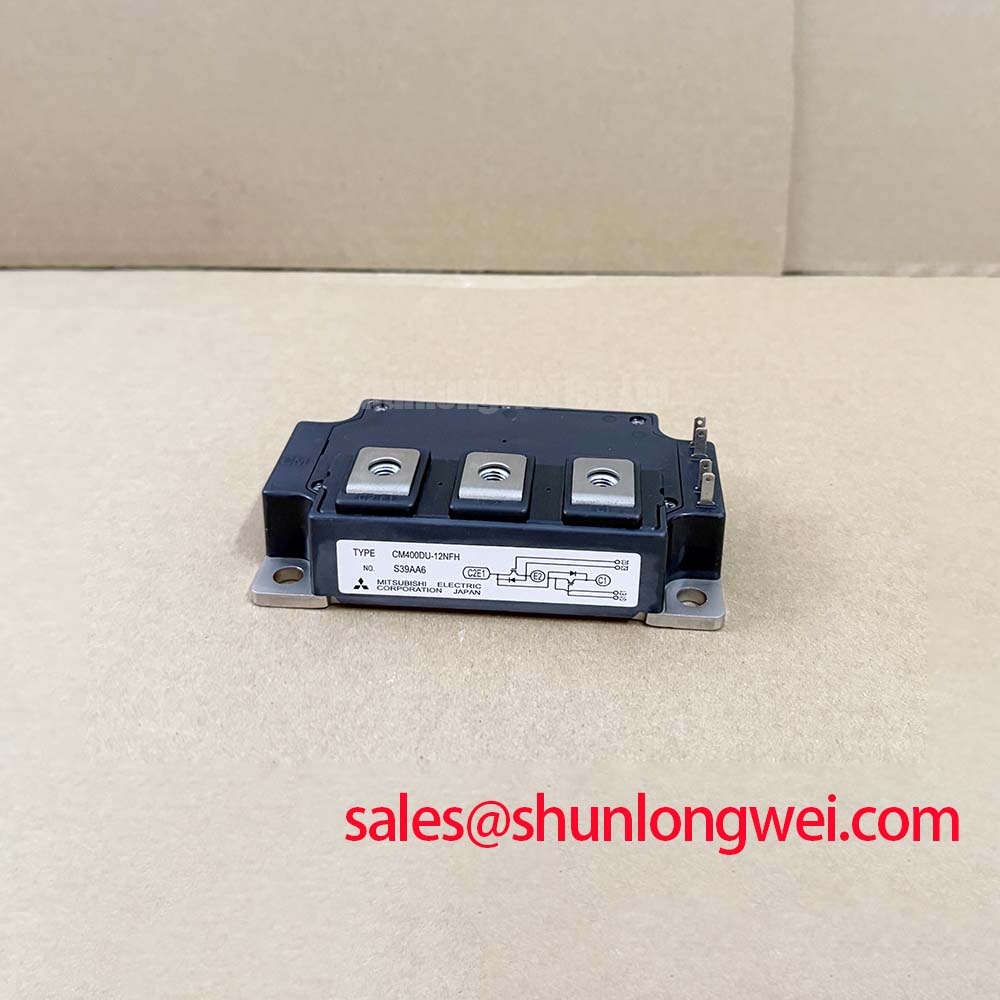
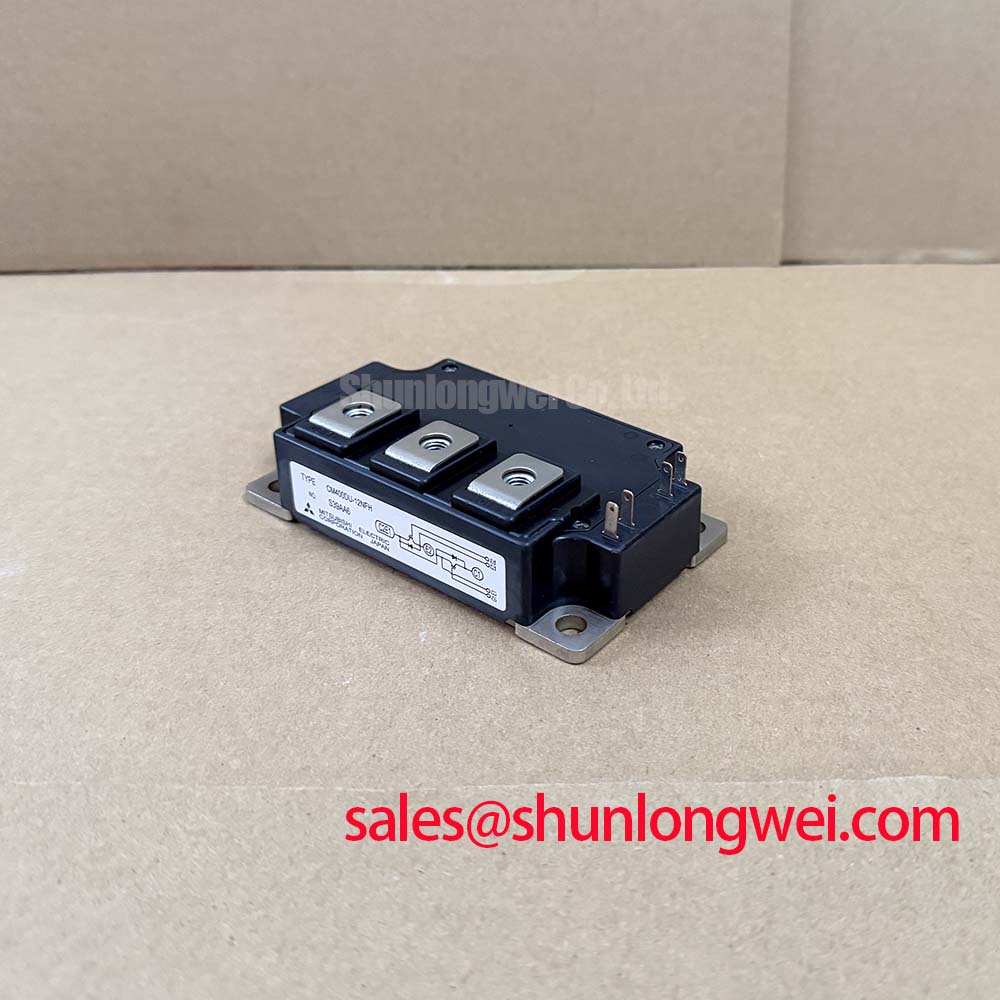
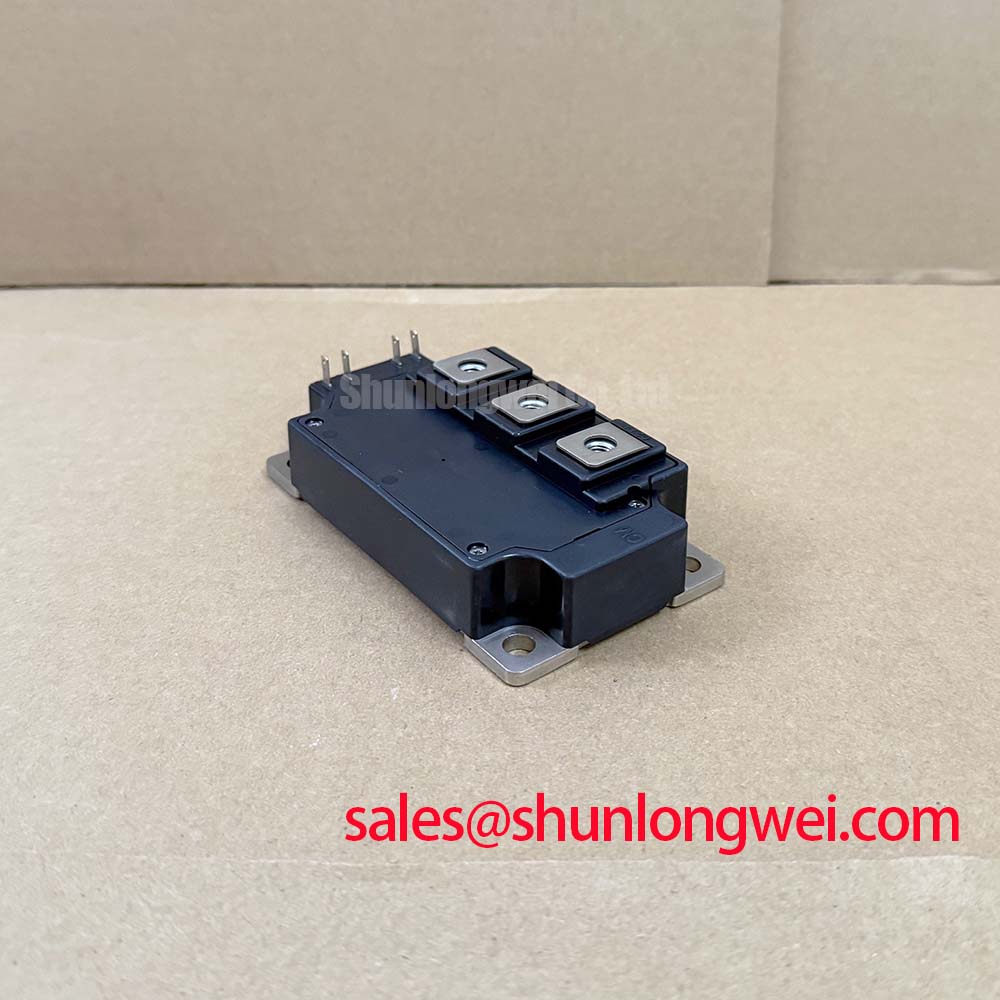
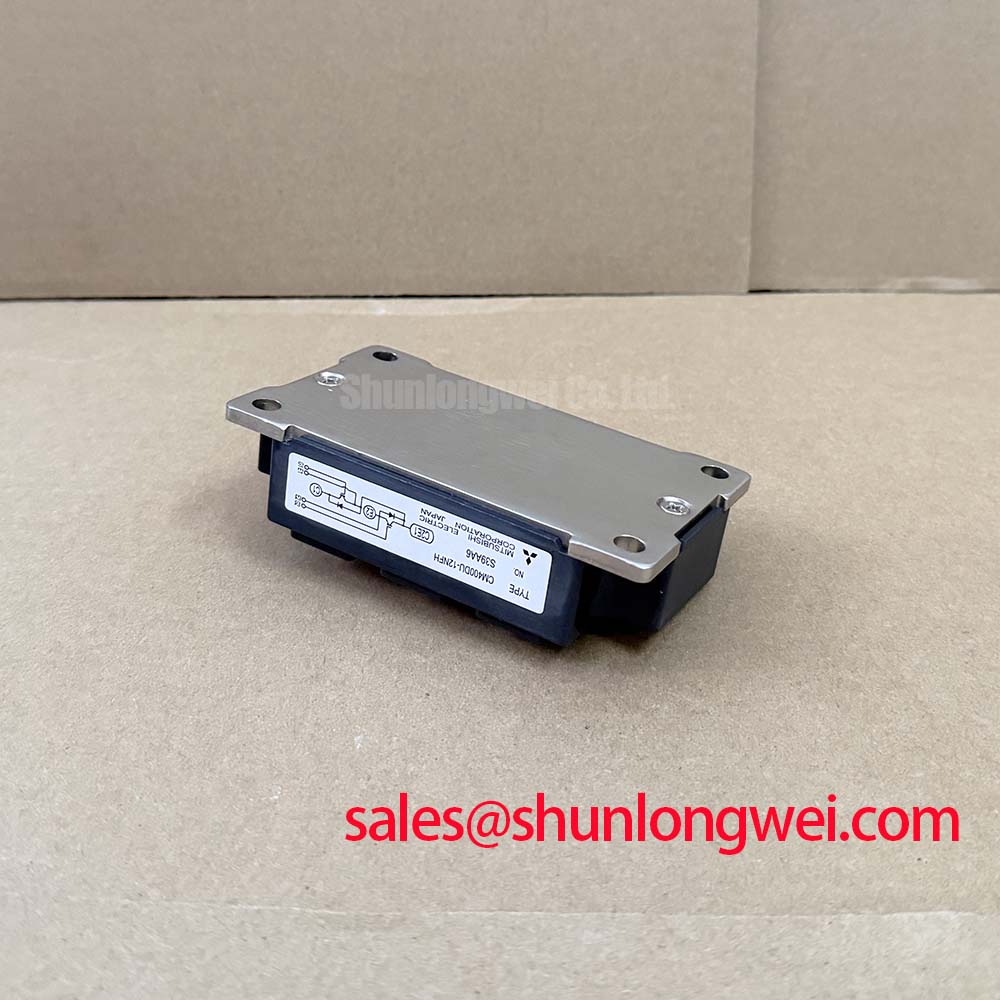
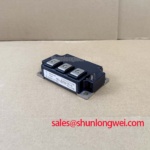
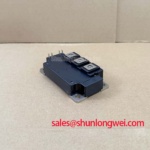
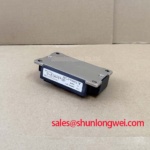
Mitsubishi CM400DU-12NFH 600V 400A High-Frequency IGBT Module
The Mitsubishi CM400DU-12NFH is a high-performance IGBT Module specifically engineered for high-frequency switching applications. Combining a 600V collector-emitter voltage with a 400A continuous collector current rating, this dual (half-bridge) module leverages Mitsubishi’s proprietary CSTBT™ (Carrier Stored Trench-Gate Bipolar Transistor) technology to drastically reduce switching losses. For high-frequency medical power supplies or induction heating systems requiring 600V/400A switching, the CM400DU-12NFH is the premier efficiency choice. What is the primary benefit of the NFH series compared to standard IGBTs? It significantly lowers turn-off and reverse recovery energy, enabling operation at carrier frequencies above 30kHz without compromising thermal stability.
Key Parameter Overview
Decoding the Specs for Enhanced Switching Efficiency
The technical architecture of the CM400DU-12NFH is centered on its ability to handle high power densities while maintaining low internal losses. Designers should note the VCE(sat) and switching energy parameters, as these dictate the thermal management requirements for the overall system. Understanding VCE(sat) is critical for calculating conduction losses, while the "H" designation in the part number signifies its optimization for high-frequency PWM environments.
| Technical Specification | Rated Value / Parameter | Engineering Impact |
|---|---|---|
| Collector-Emitter Voltage (VCES) | 600V | Ideal for 200V-400V DC link systems |
| Collector Current (IC) | 400A | High current handling in a compact Dual package |
| Technology Type | CSTBT™ (NFH Series) | Optimized for high-frequency (30kHz+) switching |
| VCE(sat) (Typical) | 1.7V (at Tj = 25°C) | Lowers conduction losses for improved efficiency |
| Isolation Voltage (Visol) | 2500V AC (1 min) | Ensures robust dielectric safety for industrial use |
| Configuration | Dual (Half-Bridge) | Simplifies inverter and converter circuit topology |
For a deeper understanding of how these specifications influence system architecture, engineers can consult this practical guide to decoding IGBT datasheets. Download the CM400DU-12NFH datasheet for detailed specifications and performance curves.
Application Scenarios & Value
Achieving System-Level Benefits in High-Frequency Power Conversion
Engineers often face the challenge of balancing carrier frequency and heat dissipation. In many Variable Frequency Drive (VFD) or medical imaging systems, higher switching frequencies are required to reduce the size of passive components (like inductors and capacitors) and to minimize audible noise. However, standard modules often suffer from excessive switching losses at these speeds. The CM400DU-12NFH solves this by using the "Ultra-Fast" recovery characteristics of the NFH series, acting like a high-performance athlete whose recovery time is drastically shortened, allowing for more frequent bursts of activity without overheating.
In the context of Medical Imaging (MRI/X-Ray) power stages, the low Eoff (turn-off loss) of this module allows for cleaner pulse modulation with minimal electromagnetic interference (EMI). While this module is ideal for high-speed switching at 600V, systems requiring higher voltage handling might consider the related CM600DX-24T for 1200V applications. Conversely, for lower current designs, the CM300DU-12NFH offers similar high-frequency benefits at 300A.
Key applications include:
- Induction Heating: Leveraging high-frequency switching to improve energy transfer efficiency.
- Medical Power Supplies: Reducing output ripple and transformer size.
- High-Speed UPS: Ensuring rapid response times and high power density.
- Solar Inverters: Optimizing MPPT stages that require high-frequency PWM.
Technical & Design Deep Dive
The Physics of Loss Suppression in CSTBT™ Technology
The Mitsubishi CM400DU-12NFH employs the CSTBT™ structure, which is a significant advancement over standard trench-gate designs. By incorporating a "carrier storage" layer, the module maintains a high carrier concentration near the emitter side during the on-state, which leads to a lower VCE(sat) without the typical penalty of increased switching time. Imagine a water pipe (the IGBT) where the VCE(sat) is the pressure drop; the CSTBT™ technology ensures that the valve opens wide and closes instantly, reducing energy waste at both stages.
Furthermore, the NFH series utilizes an optimized free-wheeling diode with soft-recovery characteristics. This is vital in preventing high-frequency oscillations and voltage spikes during turn-off, which can otherwise lead to insulation failure in motors or EMI compliance issues. Integrating this module into a design helps meet IEC 61800-3 standards for EMC by providing a more controlled switching transition. For more information on module selection, refer to this in-depth analysis of IGBT modules and their internal structures.
Frequently Asked Questions
How does the NFH series "Ultra-Fast" diode impact the gate drive design for the CM400DU-12NFH?
The fast recovery of the diode reduces the peak reverse recovery current (Irr), which in turn lowers the turn-on energy (Eon) of the complementary IGBT. This allows designers to use slightly higher gate resistance (Rg) to tune dV/dt without incurring massive switching penalties, offering a wider window for EMI management.
What is the maximum switching frequency recommended for the CM400DU-12NFH?
While traditional IGBTs are often limited to 15-20kHz due to thermal constraints, the CM400DU-12NFH is optimized for frequencies between 20kHz and 40kHz. The actual limit is defined by the cooling system's ability to dissipate the total power loss (conduction + switching).
Does the 600V rating provide enough margin for 480V AC line applications?
Generally, no. For 480V AC lines, the rectified DC bus typically reaches 650V-680V. The CM400DU-12NFH is rated for 600V and is specifically intended for 200V-240V AC systems where the DC bus remains below 400V-450V. For 480V lines, 1200V modules like the CM400HA-24H are standard.
How does the Rth(j-c) of this module affect heatsink sizing in high-density power converters?
With a low junction-to-case thermal resistance, the CM400DU-12NFH efficiently transfers heat to the baseplate. This high thermal conductivity allows for smaller heatsinks or higher current operation within the same footprint, directly enabling higher system power density in space-constrained enclosures.
The adoption of the Mitsubishi CM400DU-12NFH represents a strategic investment in system efficiency and reliability. By utilizing CSTBT™ technology, engineers can achieve higher switching speeds with lower losses, effectively future-proofing their power electronics designs against evolving energy regulations and performance requirements.