Content last revised on September 10, 2026
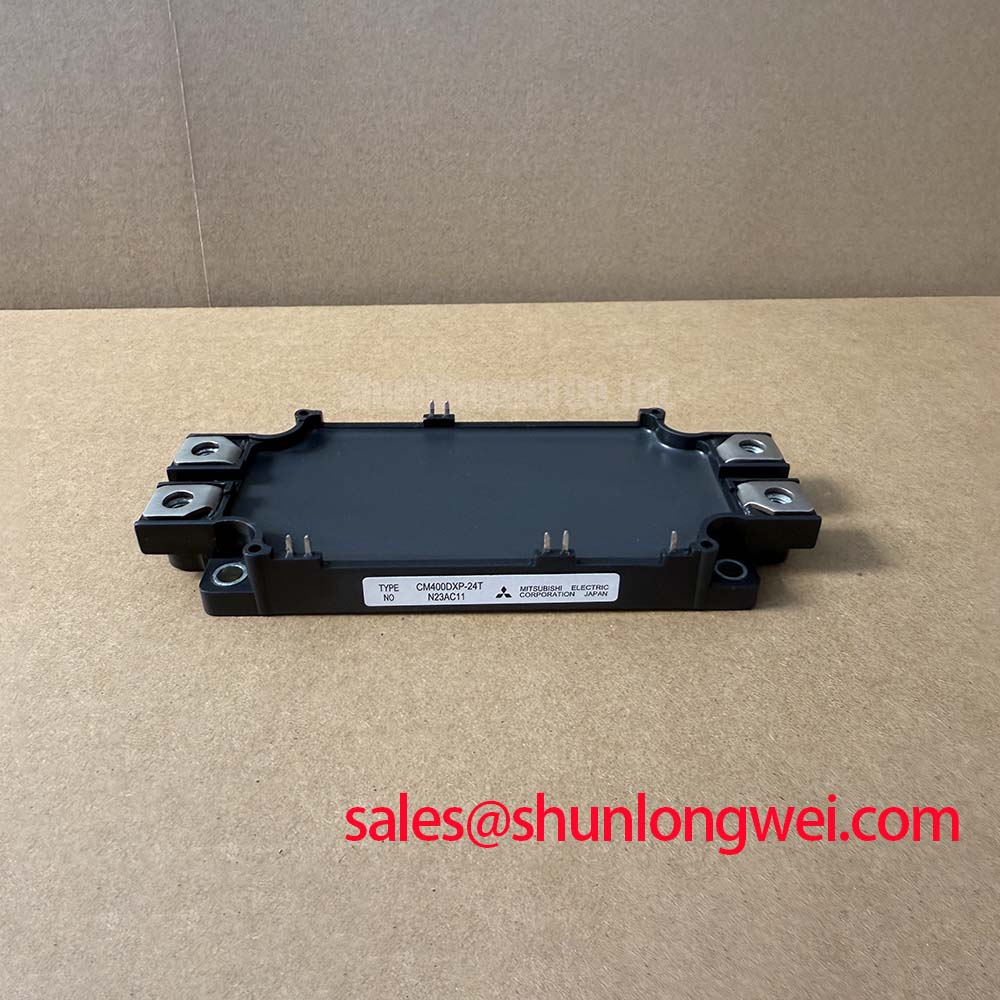
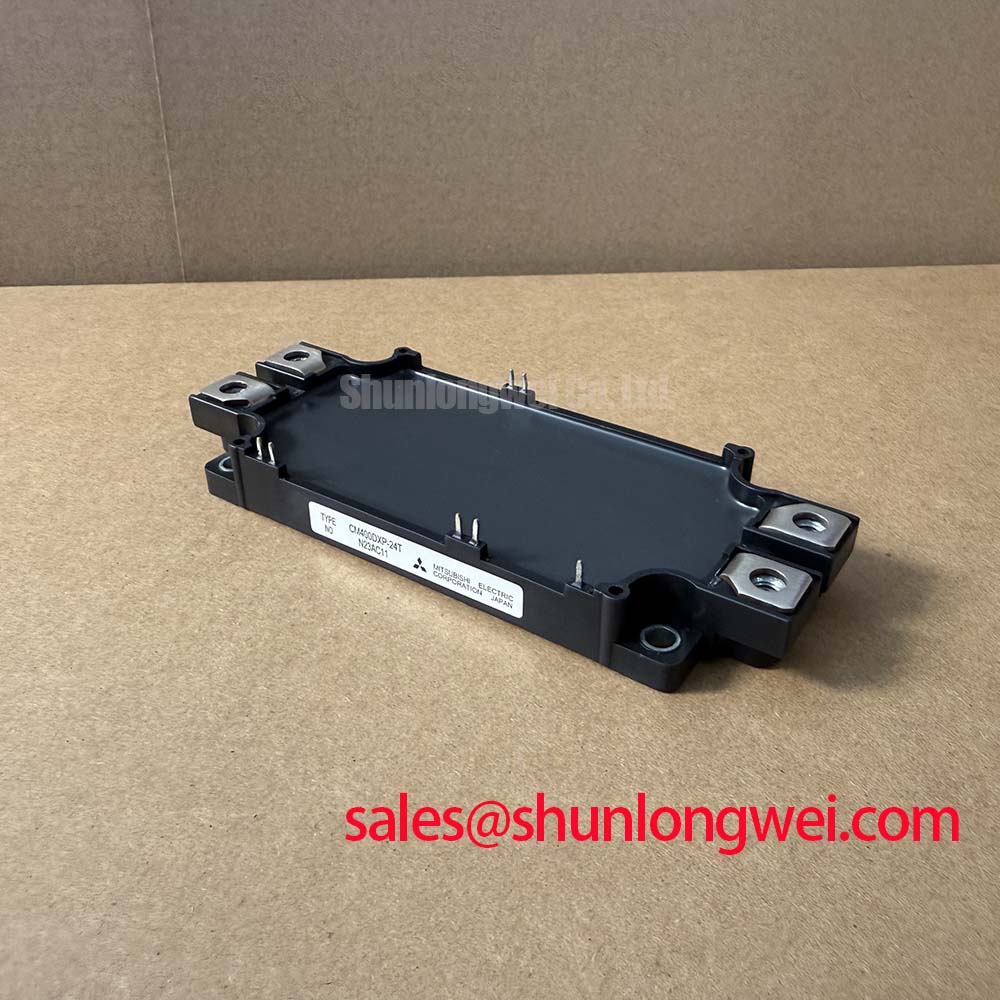
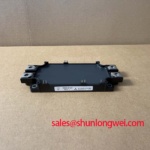
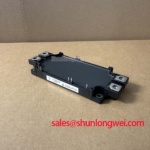
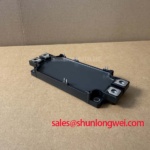
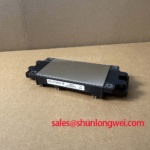
Mitsubishi CM400DXP-24T 1200V 400A Dual IGBT Module Engineering Insights
How do power electronics engineers successfully navigate the trade-off between increasing switching frequencies and managing the resultant thermal overhead in high-density 400A inverter designs? The Mitsubishi CM400DXP-24T addresses this fundamental challenge by utilizing 7th-generation CSTBT™ (Carrier Stored Trench-Gate Bipolar Transistor) technology, specifically optimized to minimize both steady-state and transient losses.
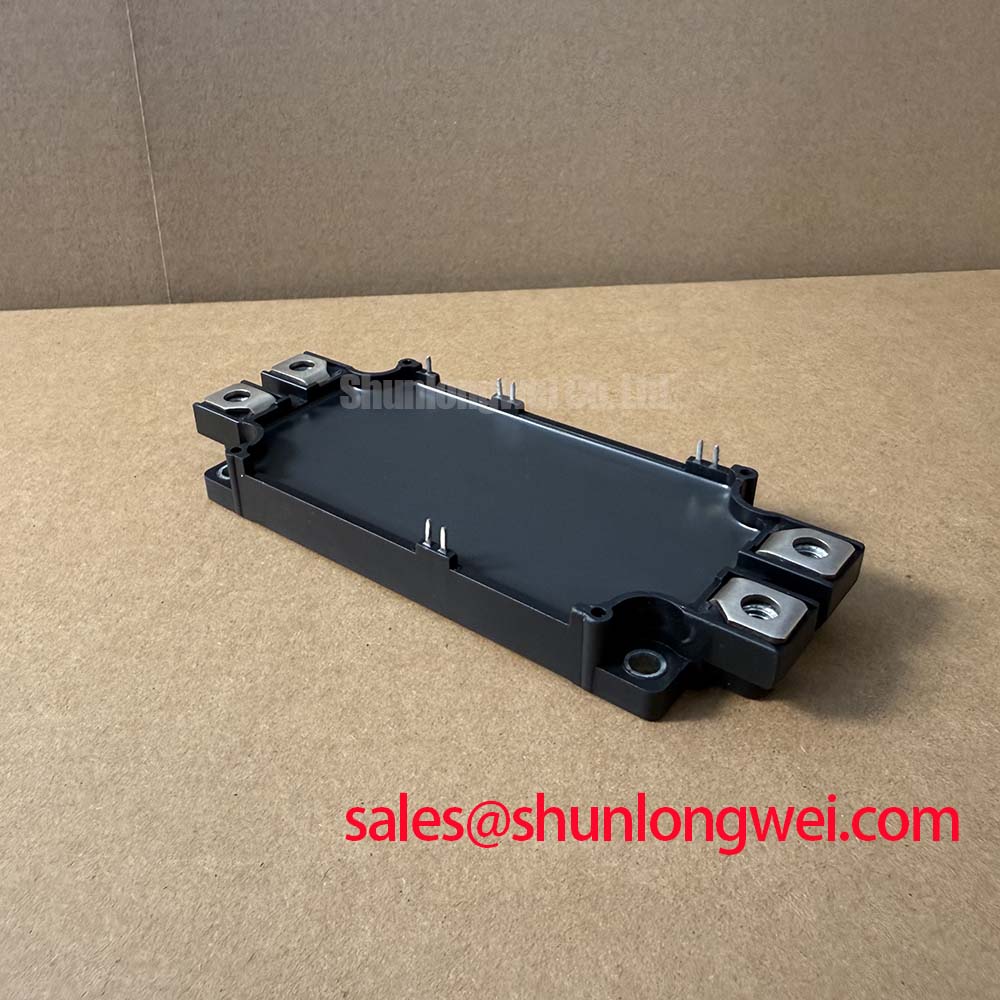
As a 1200V | 400A dual IGBT module housed in the industry-standard NX package, the CM400DXP-24T provides a robust platform for Variable Frequency Drives (VFD) and Servo Drive systems. Its design prioritizes switching efficiency and loss reduction, offering a Vce(sat) of typically 1.8V at 125°C, which directly translates to lower junction temperatures under heavy load conditions. What is the primary benefit of its CSTBT structure? It significantly reduces the collector-emitter saturation voltage while maintaining a high short-circuit withstand capability. For industrial motor control systems prioritizing thermal margin without sacrificing switching speed, the CM400DXP-24T represents the optimal 400A power building block.
Frequently Asked Questions
Engineering for Reliability and Performance
How does the 7th-generation CSTBT™ technology in the CM400DXP-24T impact overall system-level power density?
The CSTBT™ chip structure allows for a thinner wafer design which reduces the internal stored charge. This leads to a lower Vce(sat) and reduced switching losses (Eon/Eoff). By decreasing the total power dissipation, engineers can utilize smaller heatsinks or increase the output current density within the same physical footprint, effectively boosting the power-to-volume ratio of the converter.
Does the CM400DXP-24T require a negative gate drive voltage to ensure robust turn-off in high-noise industrial environments?
While the 7th Gen T-series exhibits improved dv/dt controllability, utilizing a Negative Gate Voltage (typically -5V to -15V) is recommended for 400A modules to prevent parasitic turn-on caused by Miller capacitance during high-speed switching. This is particularly critical in applications following IEC 61800-3 EMC standards where electrical noise is prevalent.
Key Parameter Overview
Functional Spec Groups for System Integration
The following technical data is derived from the official Mitsubishi 7th Gen NX-Series T-series documentation to support engineering evaluation.
| Category | Parameter Description | Typical Value / Rating |
|---|---|---|
| Absolute Maximums | Collector-Emitter Voltage (Vces) | 1200V |
| Absolute Maximums | Continuous Collector Current (Ic) | 400A (at Tc=106°C) |
| Electrical Specs | Saturation Voltage (Vce(sat)) | 1.8V (at Tj=125°C, Ic=400A) |
| Electrical Specs | Gate-Emitter Threshold Voltage (Vge(th)) | 5.4V to 6.6V |
| Thermal Specs | Thermal Resistance (Rth(j-c)) - IGBT | 0.053 K/W |
| Dynamic Specs | Turn-off Switching Loss (Eoff) | 42.0 mJ (at Tj=150°C) |
Download the CM400DXP-24T datasheet for detailed specifications and performance curves.
Technical Deep Dive
Advanced Loss Suppression via MPT Chip Technology
The core innovation within the CM400DXP-24T lies in its Micro-Pattern Trench (MPT) technology. To understand the impact, consider an analogy: traditional IGBT structures are like a multi-lane highway where cars (charge carriers) take time to clear the lanes during a red light (turn-off), causing a traffic jam (tail current/switching loss). The 7th Gen CSTBT™ technology functions like an intelligent lane management system that keeps carriers "stored" precisely where they are needed for low conduction loss, but clears them with surgical precision during the switching transition. This effectively reduces the "congestion" of charge, allowing the CM400DXP-24T to switch faster with less energy dissipated as heat.
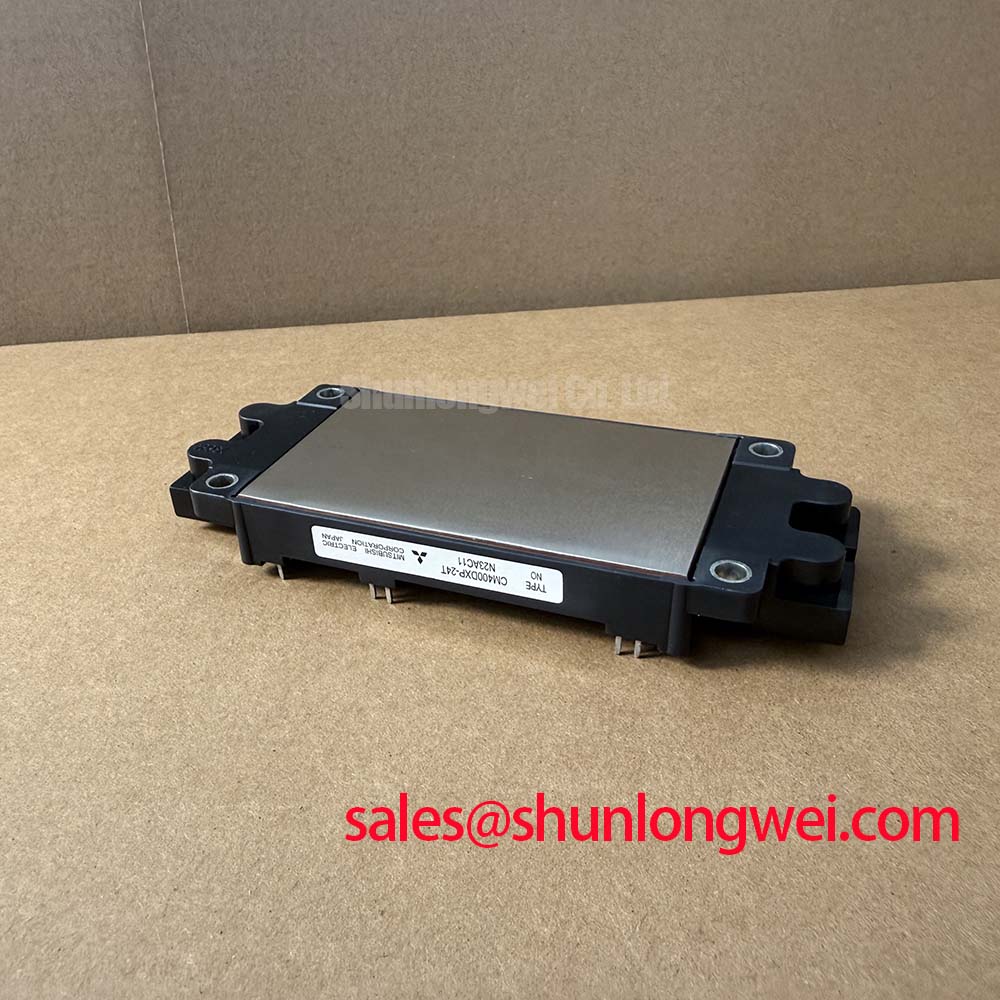
Furthermore, the Mitsubishi 7th Gen package technology incorporates a highly integrated Thermal Management strategy. The module utilizes an insulated metal substrate (IMS) with a baseplate design that achieves an exceptionally low junction-to-case thermal resistance (Rth(j-c)) of 0.053 K/W. This allows the 400A of current to be handled with significantly less thermal stress on the silicon compared to previous generations, enhancing the Power Cycling Capability and extending the operational lifespan of the end equipment in harsh industrial settings.
Application Scenarios & Value
Achieving System-Level Benefits in High-Frequency Power Conversion
Engineers often face the challenge of Thermal Management when designing UPS systems or Solar Inverters where high efficiency is non-negotiable. In a 150kW industrial inverter stage, the low conduction loss profile of the CM400DXP-24T reduces the total heat load, often allowing for a more compact air-cooled solution rather than expensive liquid cooling. The Kelvin Emitter terminal configuration further enhances performance by separating the power path from the control signal path, minimizing the impact of stray inductance on the gate drive signal.
Common application scenarios include:
- Variable Frequency Drives (VFD): Providing precise torque control for industrial motors while minimizing harmonic distortion.
- Servo Drive Systems: Facilitating high-dynamic response in robotics and CNC machinery through fast, low-loss switching.
- Uninterruptible Power Supplies (UPS): Ensuring high-efficiency energy conversion in double-conversion topologies.
- Wind-to-Grid Conversion: Managing fluctuating power inputs with high SCSOA (Short Circuit Safe Operating Area) ruggedness.
For systems requiring even higher current handling within the same technology family, the CM600DX-24T offers a Vces of 1200V with a 600A rating. For designers looking to explore the differences between various power architectures, understanding the IGBT vs MOSFET vs BJT trade-offs is essential for selecting the correct topology for 1200V line applications.
Strategic decision-making in power electronics often depends on balancing initial component costs with long-term reliability. By selecting the CM400DXP-24T, procurement teams support a design that reduces the Total Cost of Ownership (TCO) through improved energy efficiency and reduced system maintenance requirements.