Content last revised on September 10, 2026
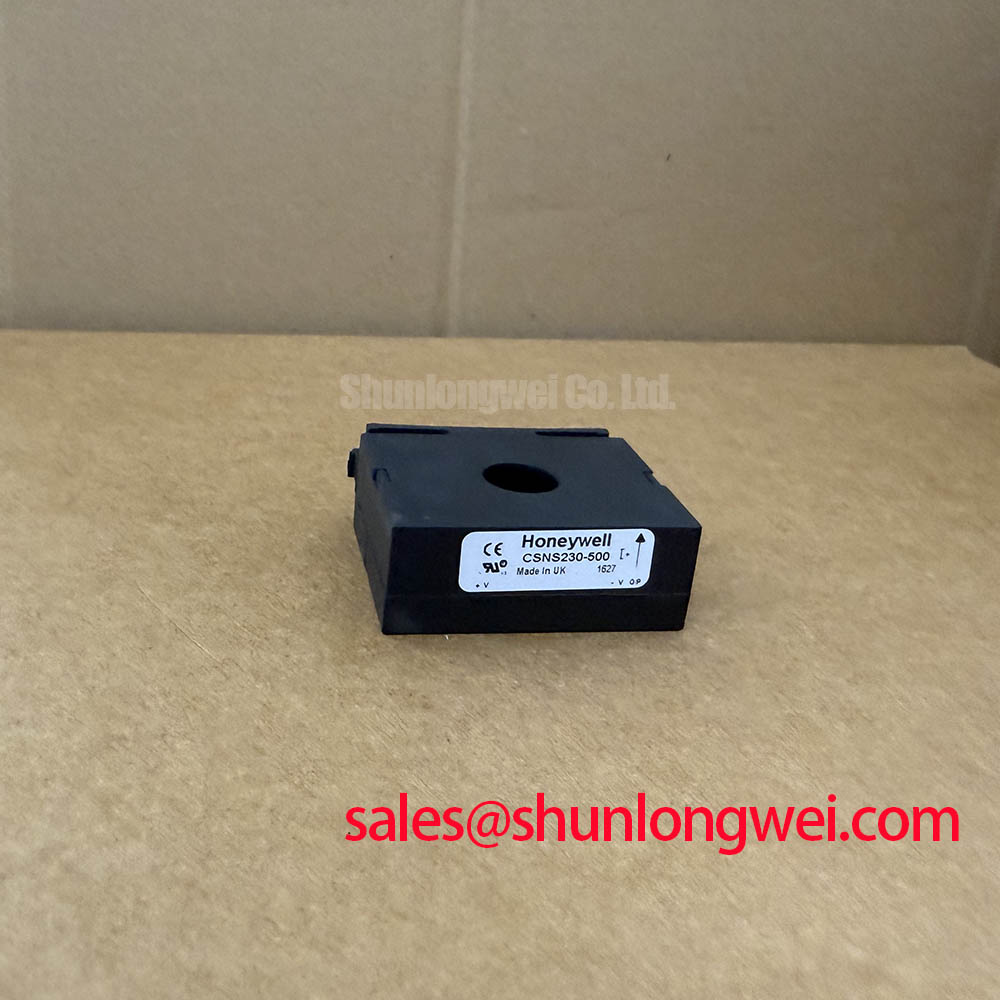
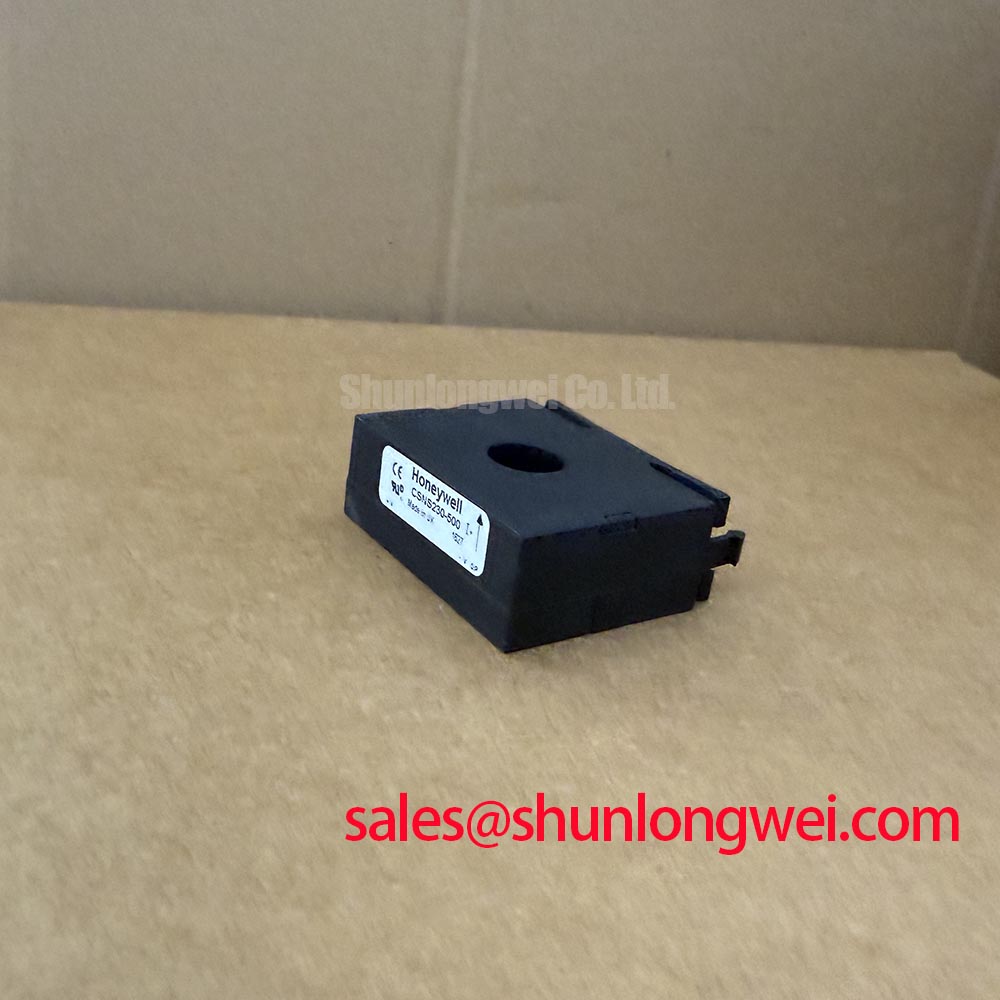
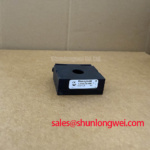
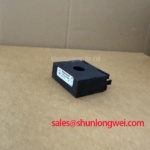
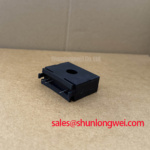
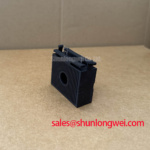
CSNS230-500 Honeywell: High-Precision 320A Closed-Loop Current Sensor
Delivering sub-microsecond response and high-fidelity closed-loop accuracy for real-time power control and protection. The Honeywell CSNS230-500 boasts a ±320A measurement range, ±0.5% accuracy, and a remarkable < 0.5 µs response time. This industrial current transducer enables precise torque control and eliminates false trips in heavy-duty automated setups.
Application Scenarios & Value
Securing System-Level Control in High-Power Motor Drives
For servo drives prioritizing minimal torque ripple, this 320A module is the optimal choice. Engineers often face the challenge of delayed feedback when managing rapid current spikes in high-frequency switching environments. The CSNS230-500 tackles this directly by offering a response time of < 0.5 µs, ensuring that the control circuit reacts instantaneously to any load anomalies. In applications like heavy-duty Variable Frequency Drives (VFD) and automated robotics, the ability to continuously monitor up to ±320A (AC/DC) translates directly to smoother motor operation. For designers integrating comprehensive protection into a PWM control stage, this closed-loop sensor eliminates the dangerous blind spots associated with slower open-loop alternatives. While this model is ideal for precision 320A setups, systems requiring heavier switching currents can pair such sensors with related components like the CM400HA-24A module.
Technical Deep Dive
Decoding the Closed-Loop Architecture for Zero-Delay Feedback
The foundational engineering advantage of the CSNS230-500 lies in its 2000-turn coil and closed-loop operating principle. What is the primary benefit of its closed-loop design? It actively prevents magnetic core saturation, ensuring uncompromising fidelity. Unlike open-loop sensors that merely register the induced magnetic field, a closed-loop system actively drives a proportional current into the secondary winding to perfectly nullify the primary magnetic flux.
Think of this magnetic compensation like active noise-canceling headphones: instead of merely muffling the ambient noise, it generates an exact opposite signal to create a completely silent baseline, revealing only the pure audio. In power electronics, this zero-flux condition maintains strict linearity when tracking complex, non-sinusoidal waveforms generated by high-speed EV inverters. Another way to view this mechanism is like a dynamically balanced mechanical scale. It does not just measure the weight passively; it constantly applies an exact counterweight to remain perfectly level, guaranteeing that the ±0.5% accuracy is sustained regardless of severe temperature fluctuations within its -40°C to 85°C operating bracket. Its current-based output format also inherently resists electrical noise over long cable runs, ensuring streamlined mechanical integration.
Key Parameter Overview
Critical Specifications for High-Fidelity Feedback Integration
| Specification Category | Parameter | Highlighted Value |
|---|---|---|
| Electrical Range | Maximum Sensing Current | ±320A (AC/DC) |
| Performance | Response Time | < 0.5 µs |
| Precision | Accuracy | ±0.5 % |
| Environmental | Operating Temperature | -40°C to 85°C |
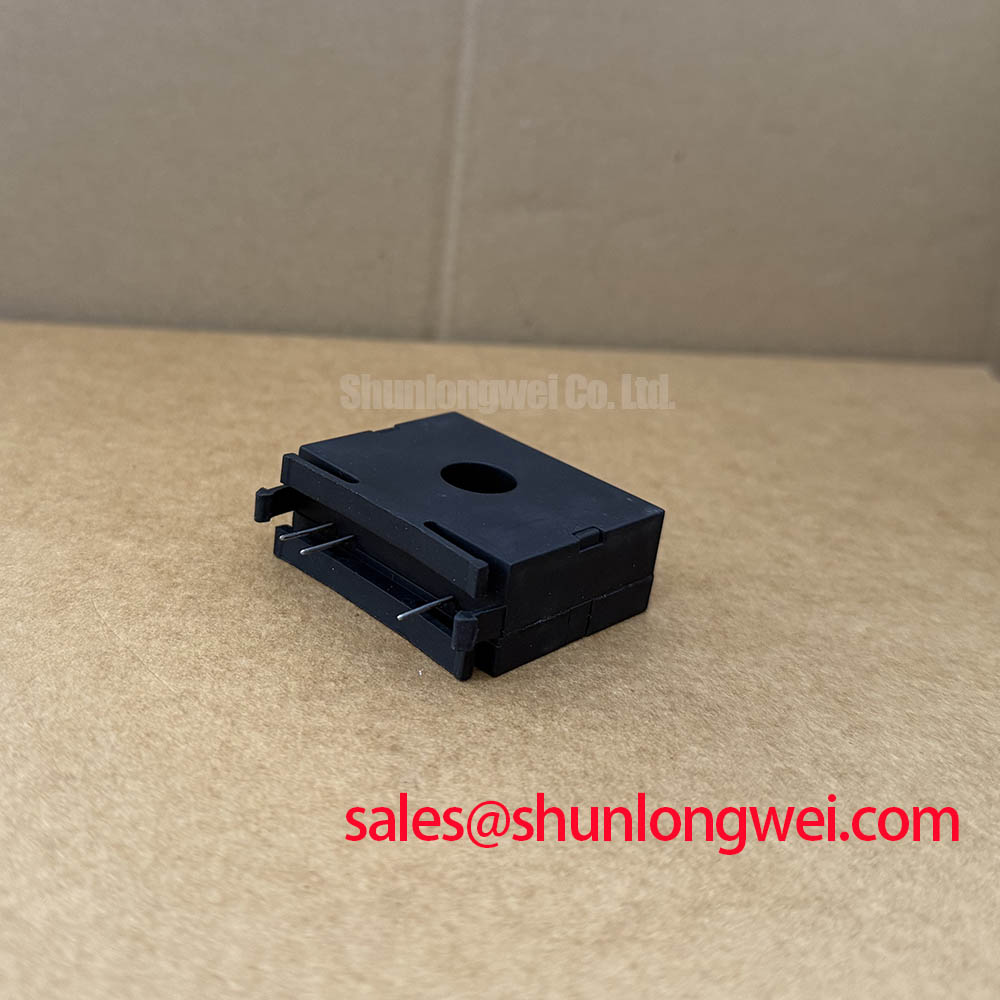
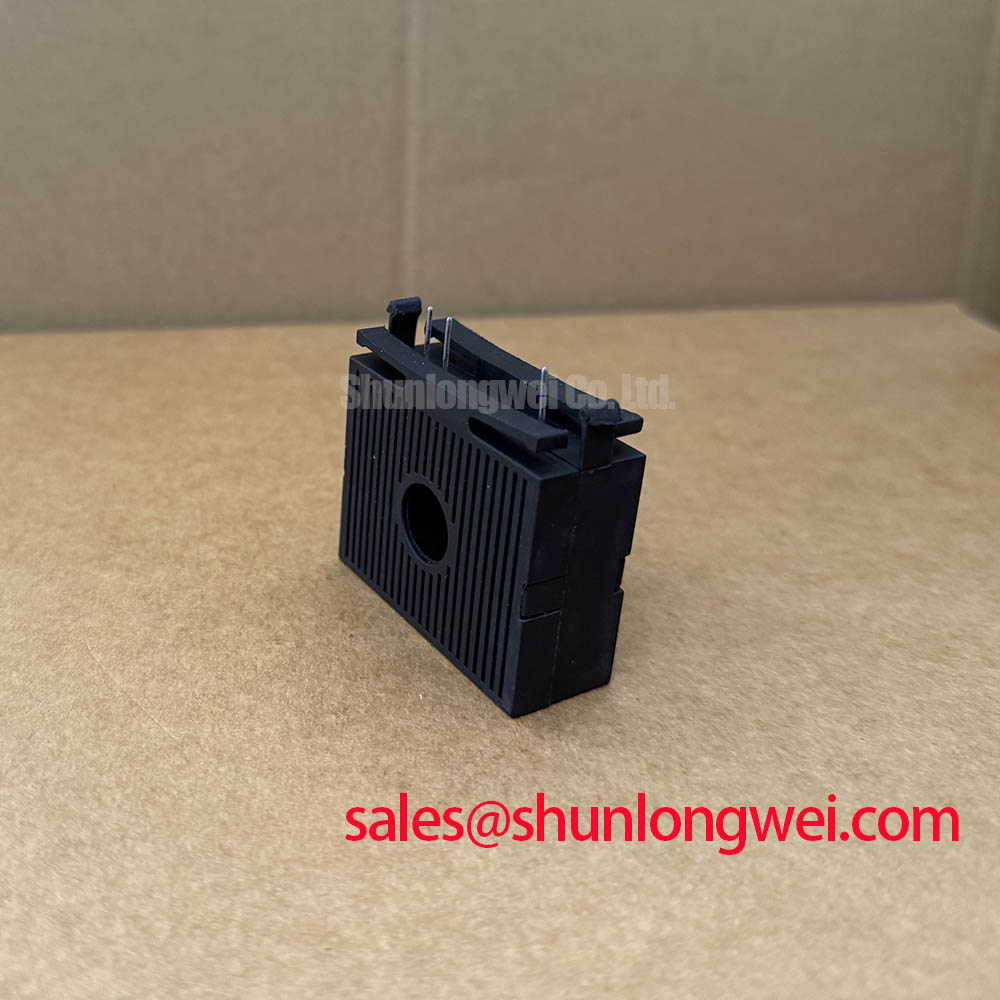
| Mechanical | Mounting / Pinout | Panel / Molex (3-way) |
Download the CSNS230-500 datasheet for detailed specifications and performance curves.
Frequently Asked Questions
Expert Answers to Critical Integration Inquiries
- How does the < 0.5 µs response time of the CSNS230-500 improve inverter safety?
In fast-switching drive systems, a sub-microsecond response ensures the current feedback reaches the logic controller almost instantly. This eliminates the catastrophic lag that could otherwise allow a brief overcurrent spike to exceed the safe operating area of the primary power semiconductors. - Why is a closed-loop architecture preferred over open-loop for 320A loads?
Closed-loop sensors utilize a secondary coil to magnetically compensate the primary current. This prevents magnetic core saturation and provides a highly linear, temperature-stable current output, which is mandatory for achieving the ±0.5% accuracy required in advanced torque ripple minimization strategies. - Can the CSNS230-500 be mounted directly in harsh outdoor enclosures?
Yes, its robust panel-mount design and wide -40°C to 85°C operating temperature make it highly resilient to extreme thermal cycling, ensuring uncompromising fidelity in unconditioned industrial control cabinets or renewable energy installations.
From a broader design perspective, integrating high-fidelity sensing components like the CSNS230-500 is foundational to the future of industrial power electronics. As next-generation systems push towards higher efficiency and tighter regulatory compliance, uncompromising real-time data acquisition forms the strategic backbone of resilient, automated infrastructure.