Content last revised on June 4, 2026
High-Capacity Power Rectification: An Analysis of the Infineon DD350N12K Diode-Diode Module
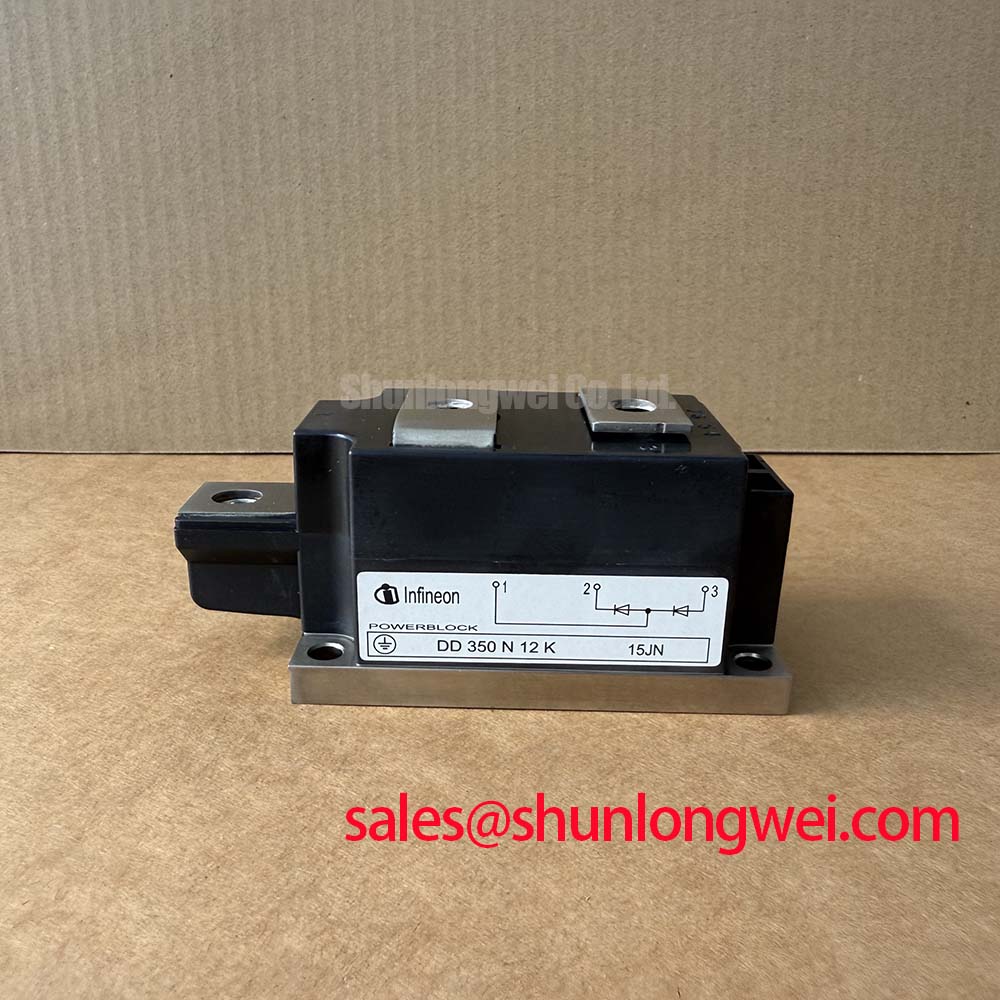
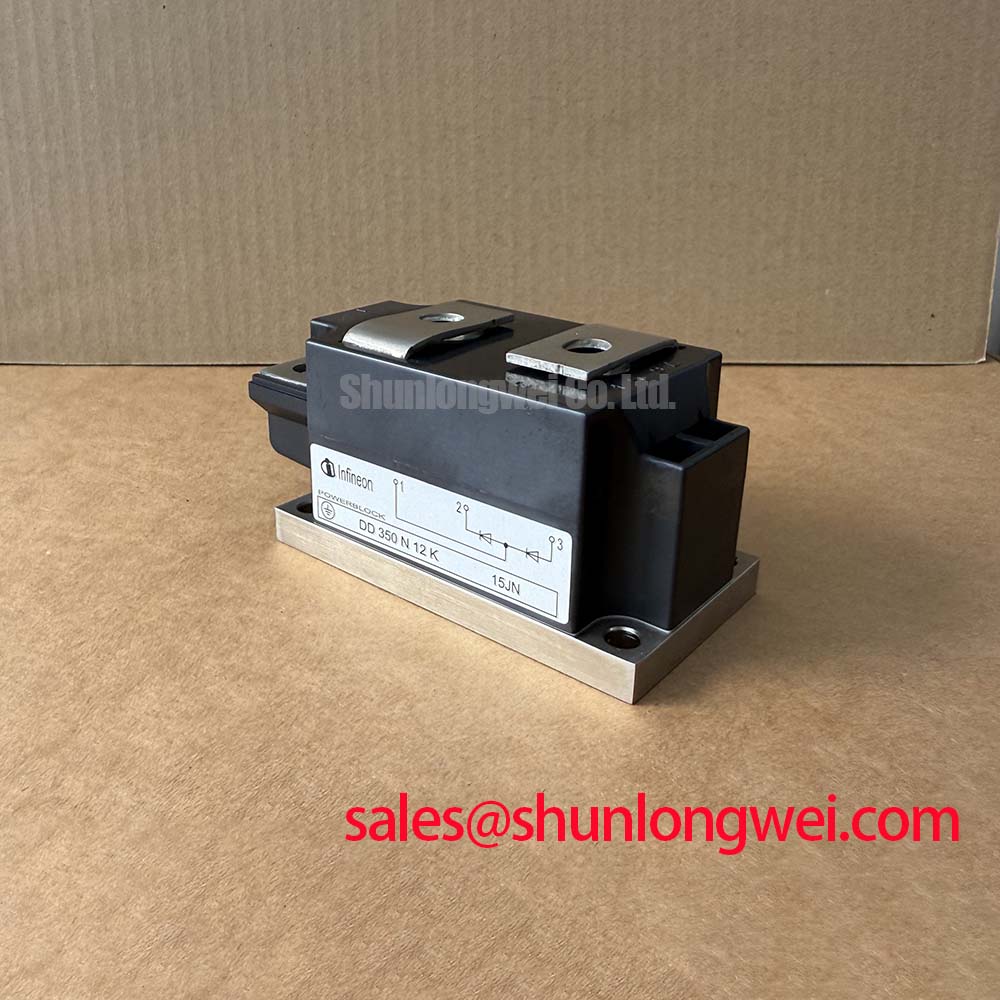
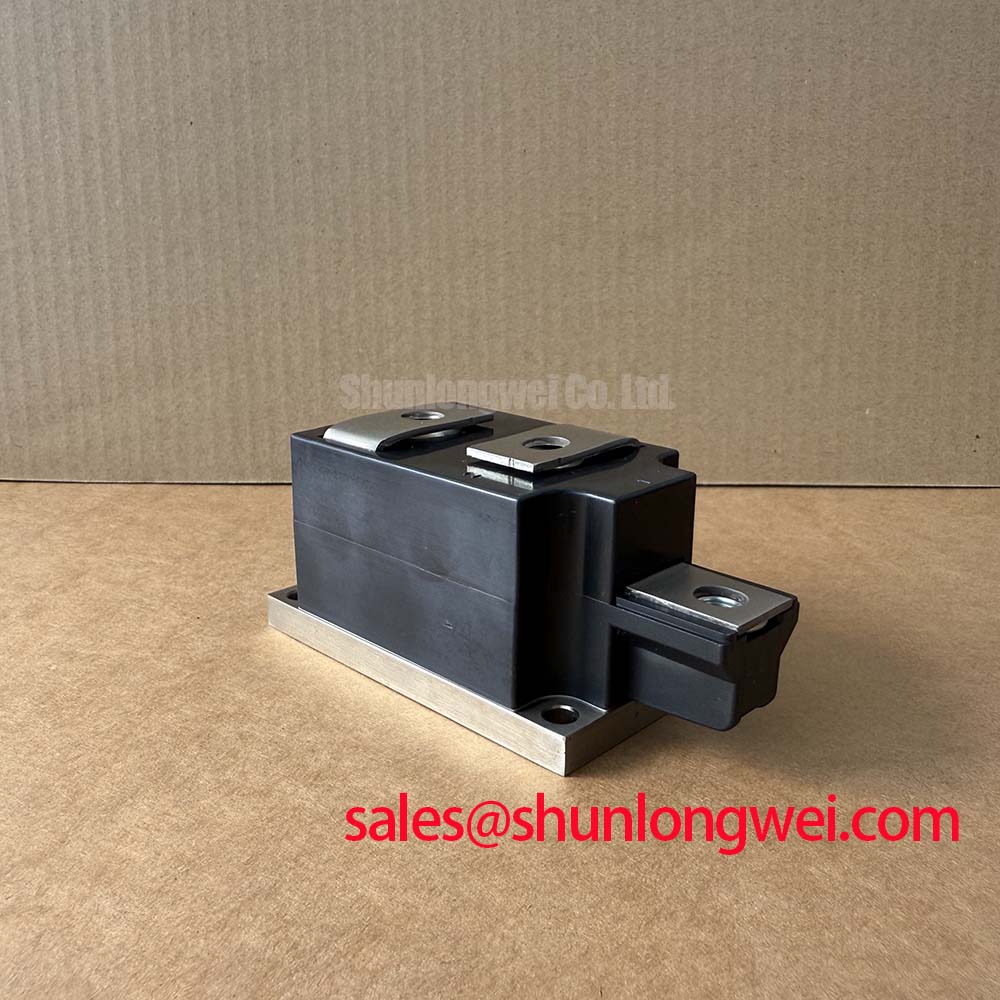
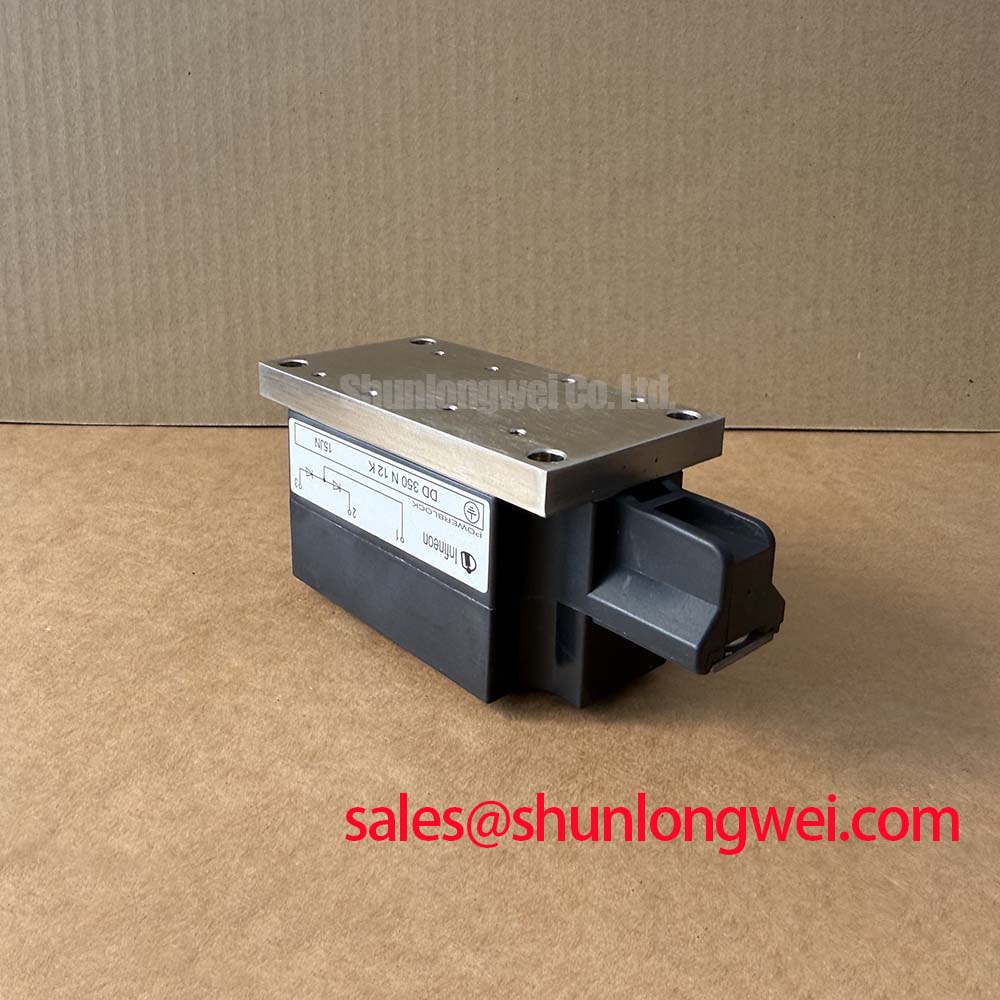
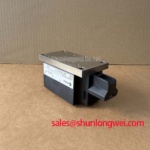
The Infineon DD350N12K, a flagship member of the Diode-Diode Module family, serves as a high-reliability cornerstone for industrial power systems requiring robust rectification. Featuring a repetitive peak reverse voltage of 1200V and a maximum average on-state current of 350A, this module is specifically engineered to handle high-current loads while maintaining long-term stability. Its pressure-contact technology provides superior power cycling capability compared to standard solder-based alternatives. For engineers prioritizing thermal margin in 400V industrial networks, this 1200V module offers the necessary headroom for safe, efficient operation.
What is the primary technical advantage of the DD350N12K pressure-contact design? It significantly enhances long-term reliability by eliminating solder fatigue, which is the leading cause of failure in high-power cycling applications. This makes it an ideal fit for variable frequency drives (VFDs) and heavy-duty power supplies where load fluctuations are constant.
Application Scenarios & Value
Optimizing System Efficiency in Heavy-Duty Industrial Drives
Engineers often face the challenge of managing thermal stress in rectification stages of high-power converters. The Infineon DD350N12K addresses this by utilizing an optimized package that facilitates efficient heat transfer. In a typical Variable Frequency Drive (VFD) application, the 350A current rating allows for the handling of significant motor startup surges without exceeding safe junction temperatures. When integrated into a three-phase bridge configuration, these modules provide the Galvanic Isolation required for safety compliance in IEC 61800-3 standard environments.
In addition to motor control, this module is a standard selection for Uninterruptible Power Supplies (UPS) and large-scale battery charging infrastructures. While the DD350N12K is ideal for mid-to-high power requirements, systems requiring more compact footprints with lower current demands might consider the SKKD162/16, which provides a lower current rating but similar 1200V blocking capability. Conversely, for high-frequency switching stages requiring active control rather than passive rectification, the FF400R12KE3 offers 1200V IGBT performance to complement the DD350N12K in the DC bus stage.
Technical & Design Deep Dive
The Engineering Significance of Pressure-Contact Reliability
Unlike lower-power modules that rely on wire-bonding and soldering, the DD350N12K utilizes Infineon proprietary pressure-contact technology. Think of a solder joint like a glue bond that can crack under repeated heating and cooling; in contrast, pressure contact is like a heavy-duty industrial clamp. This physical pressure maintains electrical and thermal contact regardless of the thermal expansion coefficients of the internal materials. This structural integrity directly translates to a lower Thermal Resistance ($R_{thjc}$) and a much higher Power Cycling Capability.
From a circuit protection perspective, the 350A rating is supported by a high non-repetitive surge current ($I_{FSM}$), which acts as a "safety buffer" during downstream short-circuit events. Understanding IGBT and Diode failure modes is critical for designing robust protection circuits. By utilizing the DD350N12K, designers can simplify their snubber networks due to the module's predictable soft-recovery characteristics, which help mitigate electromagnetic interference (EMI) during high-speed switching transitions in the inverter stage.
Key Parameter Overview
Specifications and Performance Metrics
| Technical Parameter | Value / Rating | Engineering Significance |
|---|---|---|
| Repetitive Peak Reverse Voltage ($V_{RRM}$) | 1200V | Provides a safety margin for 400V/480V line voltages. |
| Max. Average On-state Current ($I_{FAVM}$) | 350A (at $T_C = 100°C$) | Defines the continuous power handling capacity of the module. |
| Surge Current ($I_{FSM}$) | 10,500A (at 10ms) | Critical for selecting fuses and surviving fault conditions. |
| Package Type | 50mm Module | Standardized industrial footprint for easy replacement and mounting. |
| Junction Temperature ($T_{vj}$) | -40°C to +150°C | Ensures operational stability in extreme industrial climates. |
Download the DD350N12K datasheet for detailed specifications and performance curves.
Frequently Asked Questions
How does the pressure-contact technology in the DD350N12K benefit high-vibration applications?
In environments like mining or rail transit, mechanical vibration can cause solder fatigue in standard modules. The pressure-contact design ensures that internal connections remain constant and secure, significantly reducing the risk of intermittent failures or increased electrical resistance over time.
What are the cooling requirements for operating the DD350N12K at its full 350A rating?
Achieving the full 350A rating requires an optimized heatsink design to maintain the case temperature ($T_C$) below 100°C. Designers should calculate the total power loss (conduction + switching) and select a heatsink with a Thermal Resistance that accounts for ambient temperature and airflow conditions. Proper thermal management is essential to prevent thermal runaway.
Is the 1200V rating sufficient for 690V industrial power grids?
No. For 690V systems, a module with a 1200V rating does not provide enough margin for voltage transients and spikes. Engineers should look for 1600V or 1700V rated components to ensure long-term reliability in higher-voltage environments. The DD350N12K is optimized for 380V-480V AC rectification stages.
Can the DD350N12K be used in anti-parallel configurations for soft starters?
Yes, the series-connected diode configuration is highly suitable for soft starter bypass circuits and AC switches. Its high surge current handling is particularly valuable during the high-torque starting phase of induction motors.
As the industrial sector moves toward higher power densities and stricter efficiency requirements, the DD350N12K remains a vital component for resilient power conversion. By selecting high-specification modules from established brands like Infineon, procurement and engineering teams can minimize total cost of ownership (TCO) through reduced downtime and longer maintenance cycles. The transition toward intelligent power infrastructure relies on the physical robustness of the rectification stage, a domain where the DD350N12K provides proven, data-backed performance.