Content last revised on September 10, 2026
Optimizing High-Frequency Power Conversion with the FM100HY-10
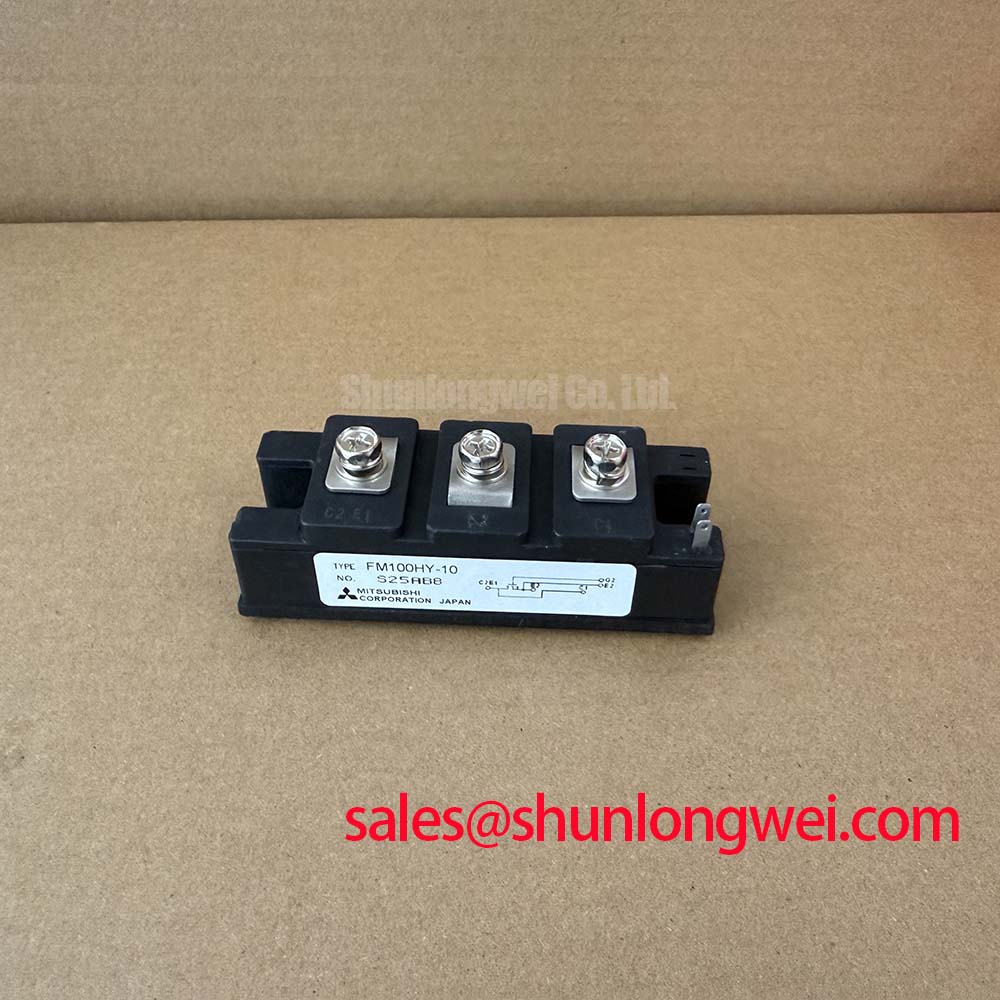
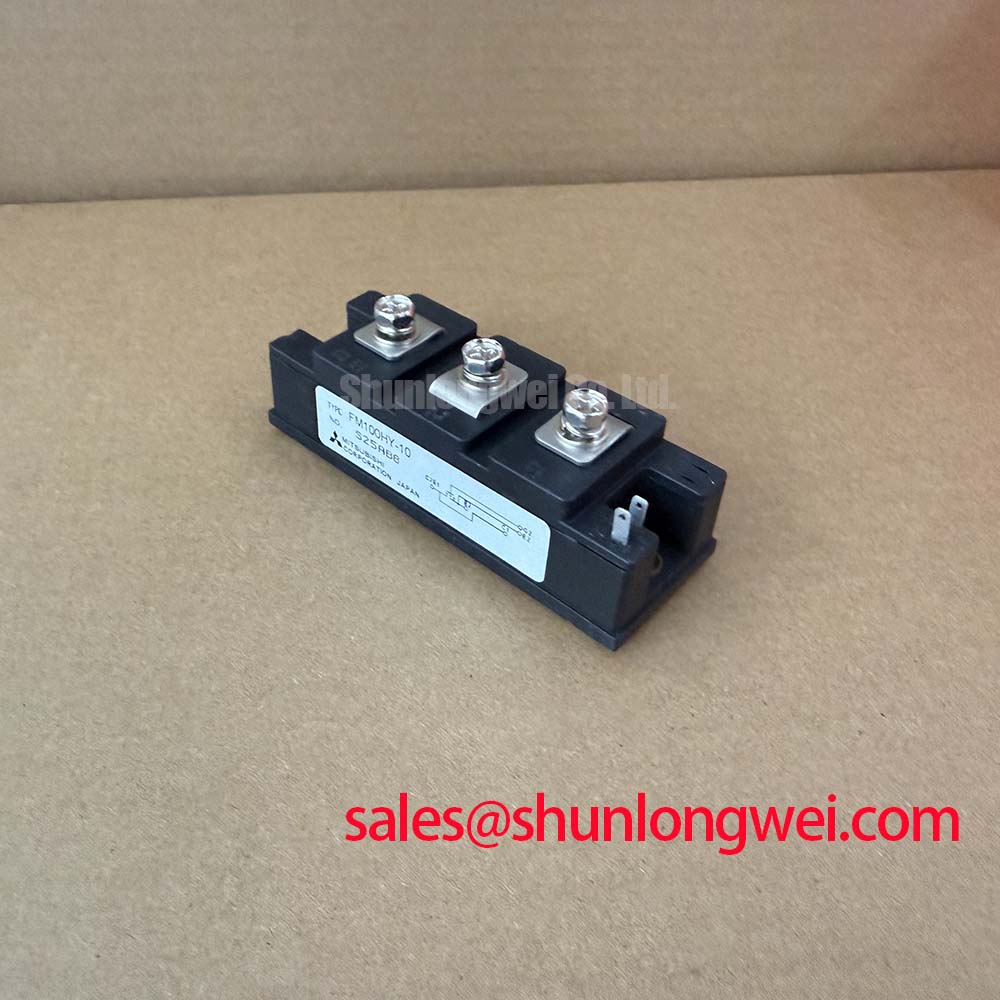
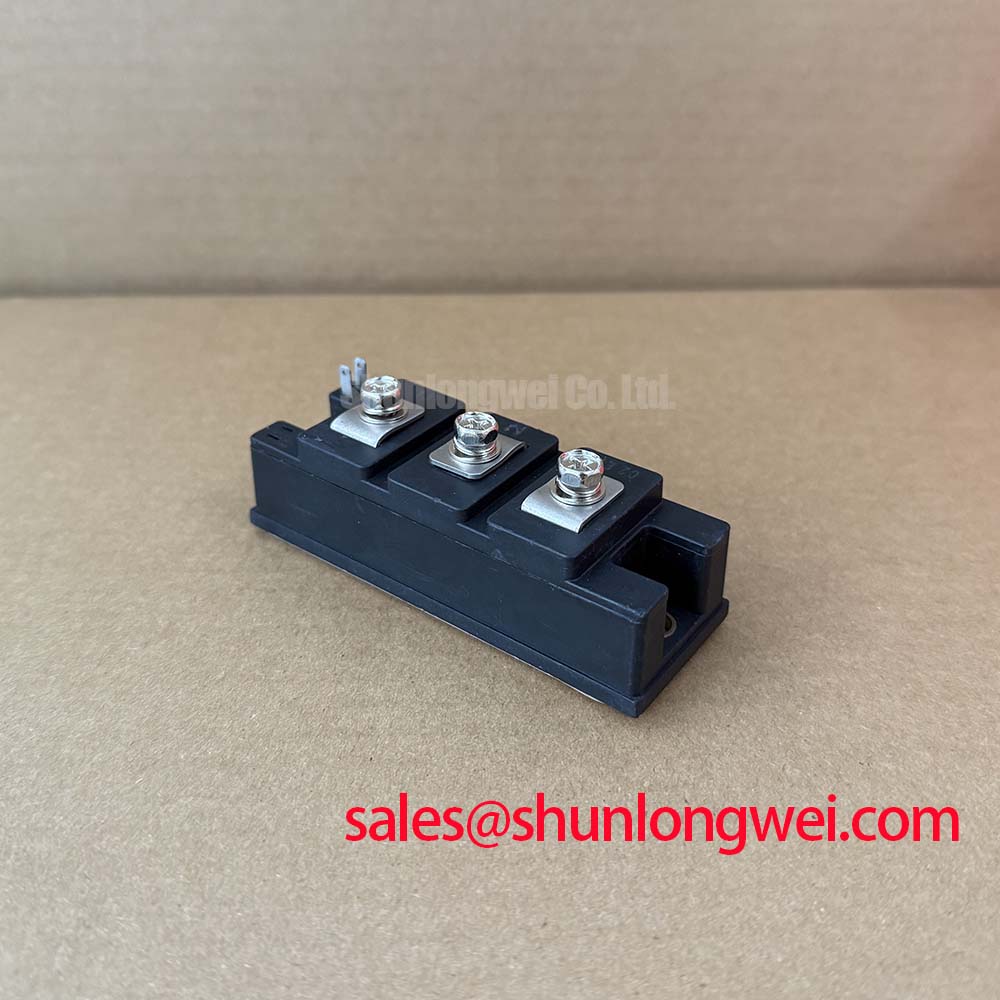
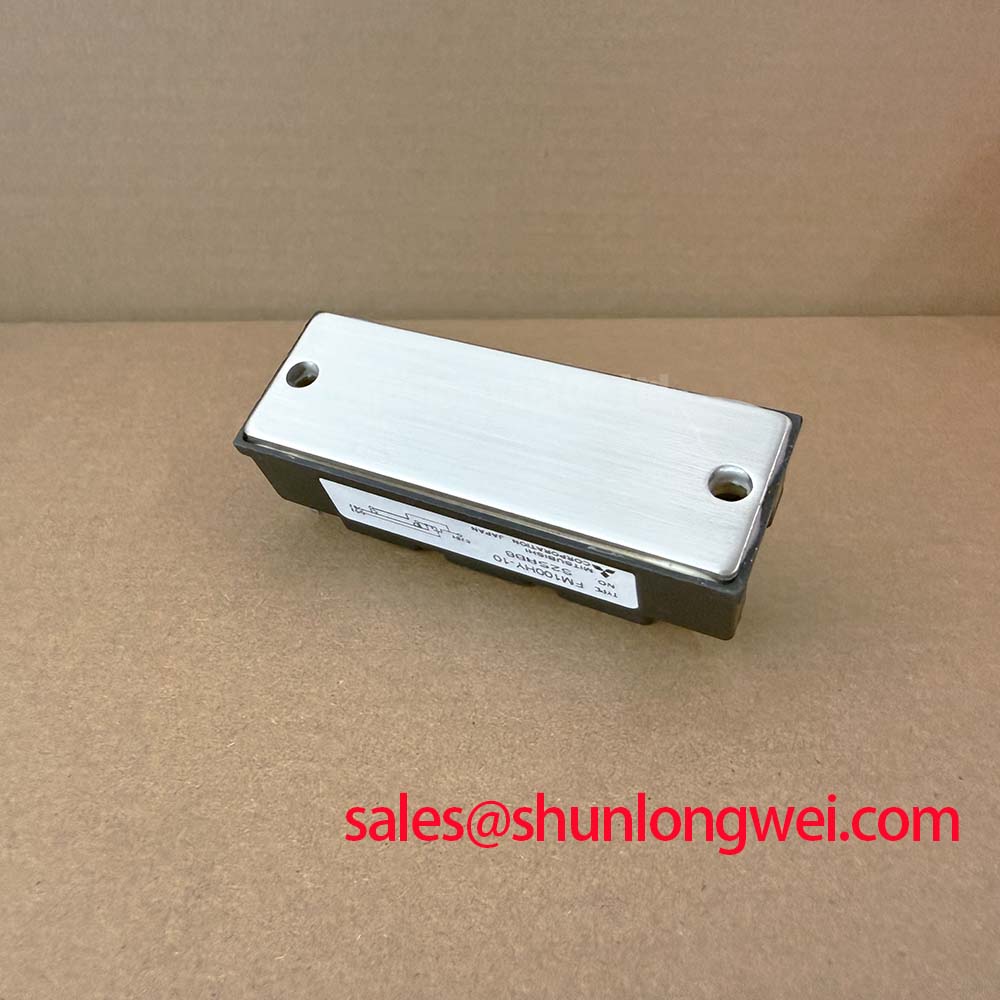
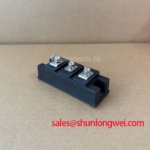
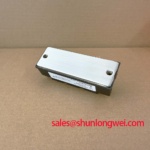
The Mitsubishi FM100HY-10 is a high-performance Fast Recovery Diode Module engineered to enhance switching efficiency in demanding power electronic architectures. Combining a 500V reverse voltage rating with a 100A average forward current capacity, this module serves as a critical building block for minimizing reverse recovery losses. Its isolated mounting base and compact dual-element configuration empower designers to achieve higher power densities while maintaining superior thermal reliability. For high-frequency inverter designs prioritizing minimal recovery losses, the 500V 100A FM100HY-10 provides a robust, low-inductance solution.
Application Scenarios & Value
Achieving System-Level Efficiency in High-Frequency Power Conversion
Engineers often face the challenge of excessive heat generation and electromagnetic interference (EMI) when operating power supplies at high switching frequencies. The FM100HY-10 addresses this directly through its optimized trr (Reverse Recovery Time) characteristics. In a high-fidelity engineering scenario, such as an Uninterruptible Power Supply (UPS) or a high-frequency Welding Power Supply, the diode's ability to transition quickly from a conducting to a non-conducting state significantly reduces the "turn-on" energy dissipated in the associated IGBT or MOSFET. By integrating this module as a free-wheeling diode, system designers can push switching frequencies higher without compromising the Thermal Management of the entire power stage.
The FM100HY-10 is frequently utilized in PWM Inverters where low forward voltage drop (VF) is essential for conduction efficiency. Its isolated baseplate simplifies the mechanical layout, allowing multiple modules to share a single heatsink without the need for additional external insulation layers. While this 500V module is ideal for 400V DC bus systems, for applications requiring higher current handling at similar voltages, the related QM150DY-H offers different recovery profiles that might suit specific snubbing requirements.
Technical & Design Depth Analysis
A Closer Look at the Fast Recovery Architecture for Reduced Switching Stress
The core technological advantage of the FM100HY-10 lies in its Fast Recovery silicon structure. Unlike standard rectifiers, this module is optimized to handle the rapid $di/dt$ transitions found in modern switch-mode power supplies. A key parameter is the soft recovery characteristic, which prevents high-voltage spikes during the diode's turn-off phase. This "softness" is a critical factor in EMI suppression, reducing the need for bulky and expensive filtering components. By maintaining a low Reverse Recovery Charge (Qrr), the Mitsubishi FM100HY-10 ensures that the energy returned to the circuit during switching is kept to an absolute minimum.
From a packaging perspective, the isolated mounting base provides an AC 2000V isolation voltage, which is essential for meeting international safety standards like IEC 60664. This electrical isolation is achieved using high-thermal-conductivity ceramic substrates, which minimize the Thermal Resistance (Rth(j-c)) between the semiconductor junction and the cooling surface. Understanding how packaging dictates thermal performance is vital for engineers calculating the maximum permissible power dissipation in harsh industrial environments.
Key Parameter Overview
Decoding the Specs for Enhanced Thermal Reliability
| Technical Specification | Value | Engineering Significance |
|---|---|---|
| Repetitive Peak Reverse Voltage (VRRM) | 500V | Provides safety margin for 300-400V DC links. |
| Average Forward Current (IF(AV)) | 100A | Rated for sustained high-current operation at Tc=100°C. |
| Reverse Recovery Time (trr) | Ultra-Fast | Minimizes switching energy loss in PWM applications. |
| Isolation Voltage (Viso) | 2000V AC | Ensures safe isolation between power terminals and chassis. |
Frequently Asked Questions
How does the fast recovery time of the FM100HY-10 affect the selection of the main switching transistor?
The fast recovery time (trr) reduces the peak current stress on the main transistor (e.g., an IGBT) during its turn-on phase. Because the diode clears stored charge rapidly, there is less "overlap" current, which lowers the overall switching losses and allows the transistor to run cooler.
What are the primary benefits of the isolated mounting base for industrial HMI and power systems?
The isolated base allows the FM100HY-10 to be mounted directly onto a grounded heatsink. This eliminates the need for mica washers or thermal pads that add thermal resistance, thereby improving the efficiency of the Thermal Management system and reducing assembly complexity.
Can the FM100HY-10 be used in parallel for higher current applications?
Yes, but like all power semiconductors, care must be taken regarding circuit layout and inductance. Ensuring symmetrical current paths is critical to prevent one module from carrying more load than the other due to slight variations in forward voltage (VF).
Does the FM100HY-10 require a snubber circuit in high-speed switching environments?
While the FM100HY-10 features soft-recovery characteristics to minimize oscillations, a well-designed Snubber Circuit is still recommended to manage stray inductance and prevent voltage overshoots that could exceed the 500V VRRM rating.
What is the primary benefit of its low reverse recovery charge?
Lower Qrr directly correlates to reduced switching energy dissipation. Think of it as a "cleaner" switch; less energy is wasted fighting the diode's transition, which translates to higher overall efficiency in Variable Frequency Drives (VFDs).
From a technical standpoint, the Mitsubishi FM100HY-10 represents a balanced approach to high-frequency rectification, where the trade-offs between speed and voltage ruggedness are expertly managed. For procurement and engineering teams, selecting this module is a strategic decision toward achieving long-term reliability in power conversion platforms where thermal headroom is at a premium.