Content last revised on September 10, 2026
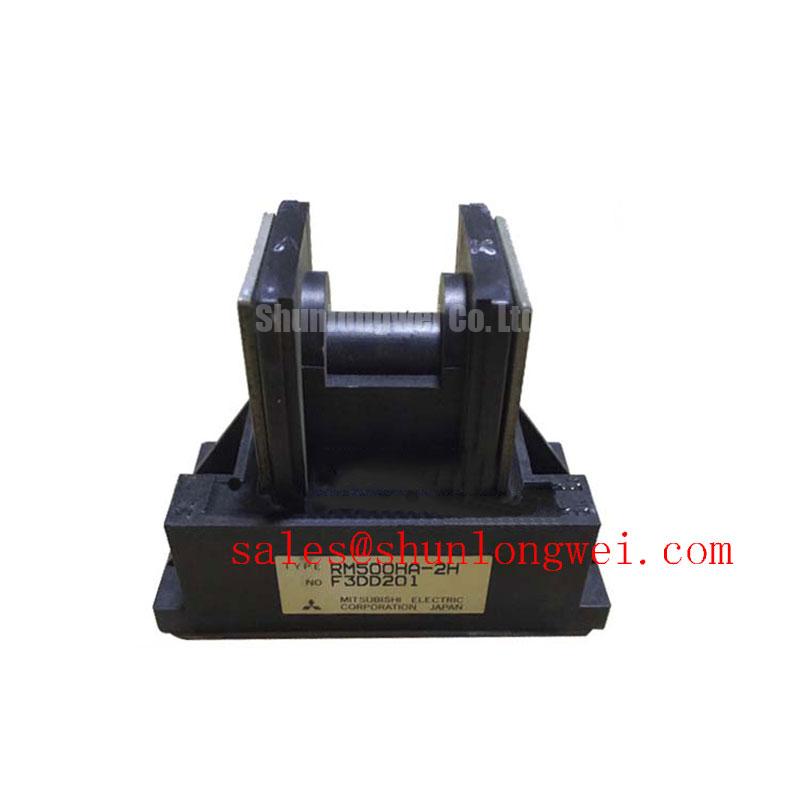
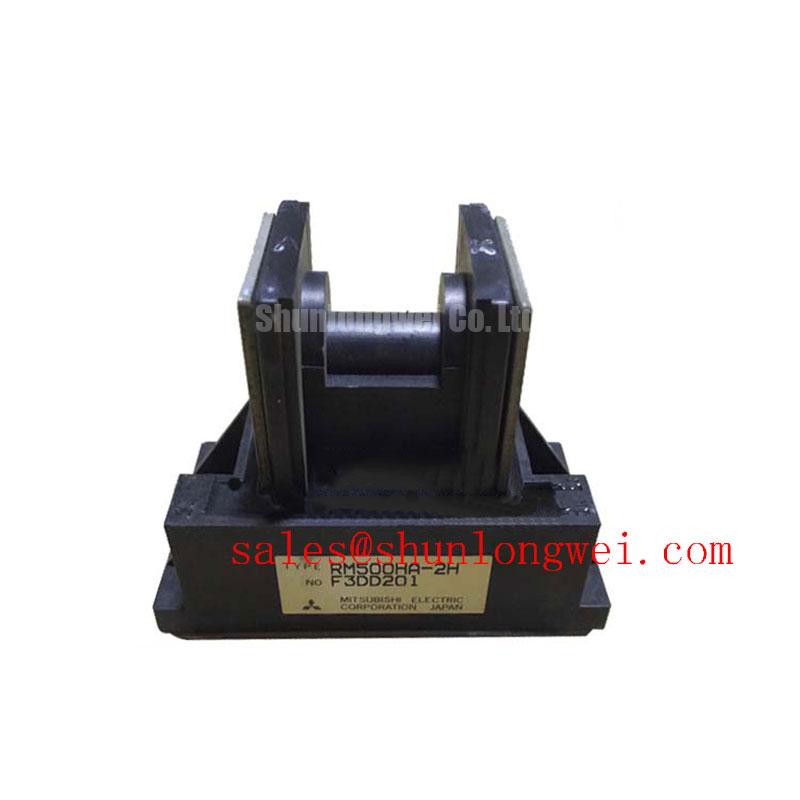
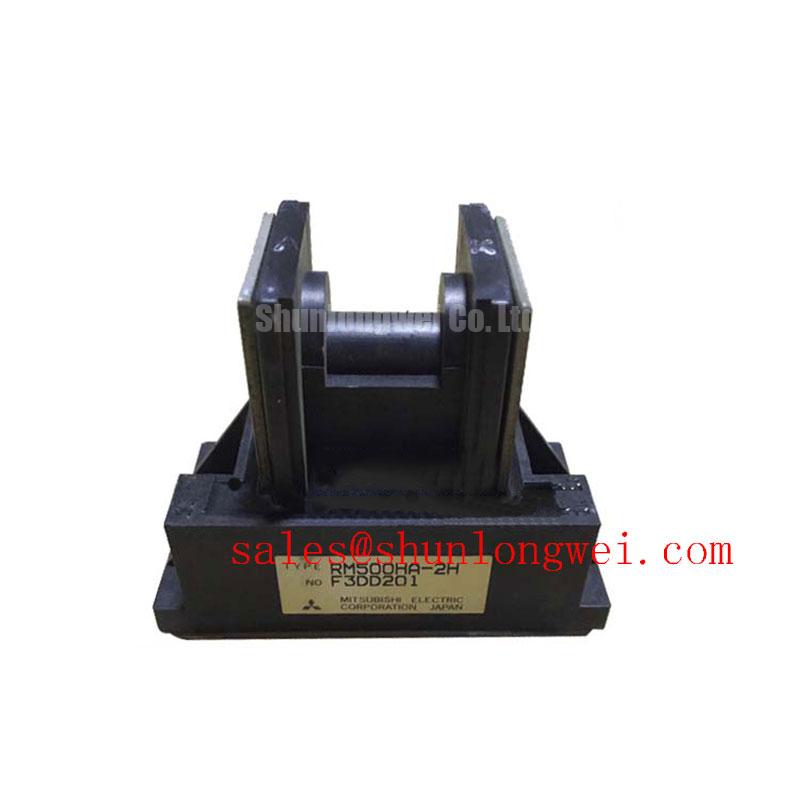
Mitsubishi RM500HA-M Rectifier Module: Powering Industrial Rectification with High Current Reliability
The RM500HA-M is an industrial-grade single-diode rectifier module designed to deliver robust, high-current power conversion with minimal thermal bottlenecking in demanding line-frequency applications. It features a single-diode configuration housed in an insulated package to simplify multiple module installations. Operating at a repetitive peak reverse voltage of 400V and an average forward current of 500A, it provides high electrical durability.
What is the primary benefit of this design? It minimizes thermal resistance, allowing for highly compact heatsink configurations.
What is the peak surge capability? The module safely tolerates non-repetitive surge currents up to 10000A.
Key Parameter Overview
Decoding the Specs for Enhanced Thermal Reliability
| Parameter | Symbol | Rated Value | Engineering Significance |
|---|---|---|---|
| Repetitive Peak Reverse Voltage | VRRM | 400V | Provides necessary voltage blocking headroom in low-voltage industrial AC systems. |
| Average Forward Current | IF(AV) | 500A | Supports continuous heavy-duty current delivery (rated at Tc=78°C). |
| Non-Repetitive Peak Surge Current | IFSM | 10000A | Protects the circuit against transient overcurrent surges during start-up. |
| I2t for Fusing | I2t | 4.2 x 10⁵ A2s | Enables precise coordination with fast-acting industrial protection fuses. |
| Peak Forward Voltage | VFM | 1.25V | Minimizes conduction losses at a peak current of 1500A. |
| Junction-to-Case Thermal Resistance | Rth(j-c) | 0.12 °C/W | Defines the efficiency of heat transfer to the system heatsink. |
| Isolation Voltage | Viso | 2500V | Ensures high-voltage isolation between the active silicon and baseplate. |
Download the RM500HA-M datasheet for detailed specifications and performance curves.
Application Scenarios & Value
Achieving High-Power Reliability in Industrial Rectification
For low-voltage, high-current industrial power supplies prioritizing thermal safety margin, this 400V 500A rectifier module is the optimal choice. In high-fidelity engineering scenarios, such as electroplating power supplies and heavy industrial welding equipment, system designers face severe electrical stress. The massive peak surge rating of 10000A allows the module to withstand sudden load changes without degrading the internal semiconductor junction. High current applications generate significant heat, making thermal efficiency critical to avoiding premature component wear.
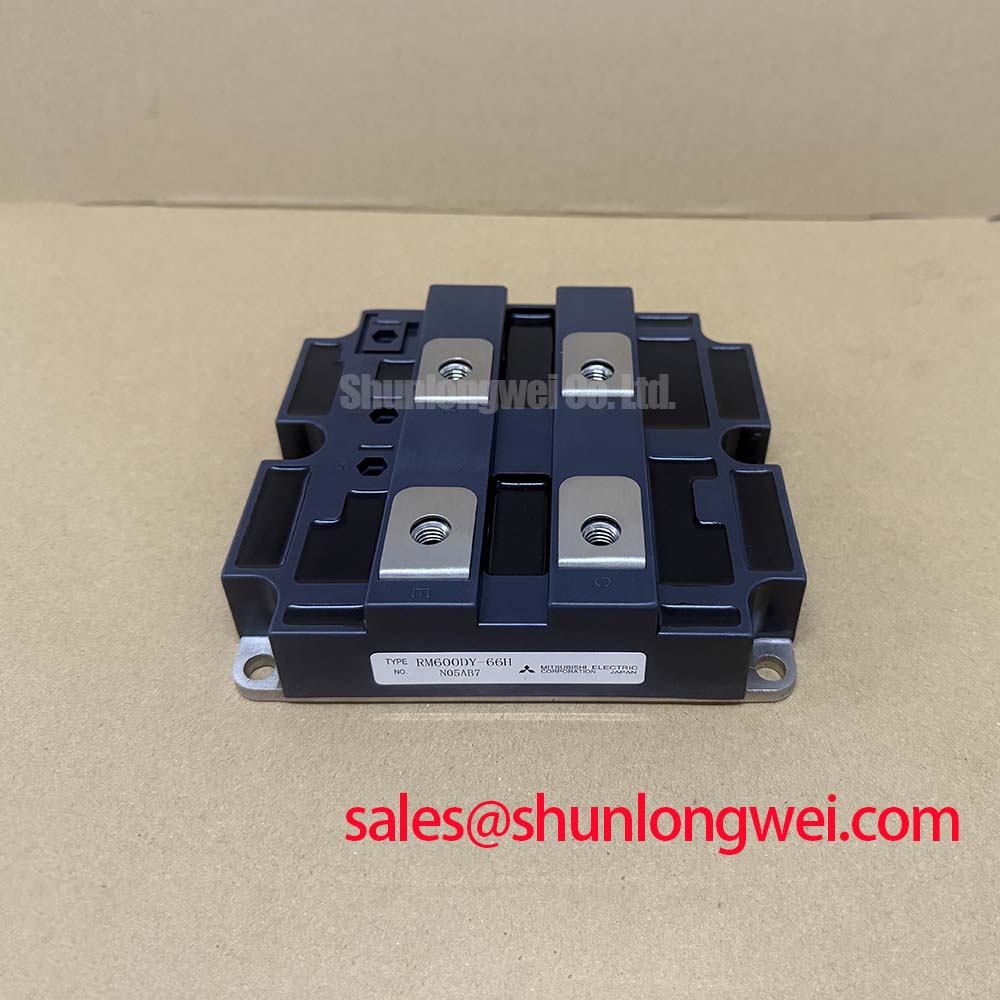
Designing effective protection circuits requires precise fuse coordination. The RM500HA-M features an I2t rating of 4.2 x 10⁵ A2s. This specification allows engineers to select protective fuses that clear overcurrent faults before the diode reaches its thermal limit. When navigating a power semiconductor selection guide, sizing the thermal margins correctly is essential. While this module is optimized for low-voltage lines, related systems utilizing higher voltage ranges might look to the RM50TC-2H, or employ the RM600DY-66S for advanced switching configurations.
Technical & Design Deep Dive
Analyzing Thermal Management and Surge Ruggedness in Single-Arm Packages
Thermal resistance is the thermal equivalent of traffic congestion. A low thermal resistance of 0.12 °C/W acts like an open highway. It allows heat energy to flow freely from the silicon junction to the heatsink. This design avoids localized thermal bottlenecks. In addition, the peak surge rating of 10000A functions like a structural levy during a flood. It allows the silicon structure to absorb brief, massive surges of energy without collapsing. Managing thermal resistance in power modules remains a key design criterion for high-reliability systems.
The module features an insulated package where the copper baseplate is electrically isolated from the internal diode. This isolation voltage is rated at 2500V AC. Consequently, multiple modules can share a single heatsink without causing electrical short circuits. This layout simplifies mechanical packaging and reduces assembly volume. This structural integrity reflects the high packaging standards typical of Mitsubishi power semiconductors. The design ensures long-term stability in systems like DC battery chargers and AC motor drives.
Frequently Asked Questions
Addressing Common Engineering Queries on Installation and Thermal Performance
How does the 10kA surge current rating affect fuse selection?
The peak surge current rating of 10000A combined with the I2t rating of 4.2 x 10⁵ A2s dictates the fuse clearing curve. Engineers must select a semiconductor fuse with an I2t rating below the module's limit to ensure the fuse melts before the diode junction sustains damage.
Why is the 0.12 °C/W thermal resistance rating critical for continuous operation?
A low junction-to-case thermal resistance of 0.12 °C/W limits the temperature rise of the silicon junction. Under a continuous load of 500A, efficient thermal transfer prevents the junction temperature from exceeding the maximum rating of 150°C, maintaining system reliability.
Can the RM500HA-M be used directly in a 3-phase 380V input rectifier bridge?
No, this module is rated at 400V repetitive peak reverse voltage. A 3-phase 380V AC system peak line-to-line voltage exceeds 530V. Therefore, a higher voltage module rated for at least 1200V is required to prevent reverse voltage breakdown.
Selecting the appropriate rectifier is a strategic decision that directly influences the longevity and operational efficiency of high-power systems. Ensuring sufficient thermal margins and correct fuse coordination guarantees stable operation over years of service.