Content last revised on September 10, 2026
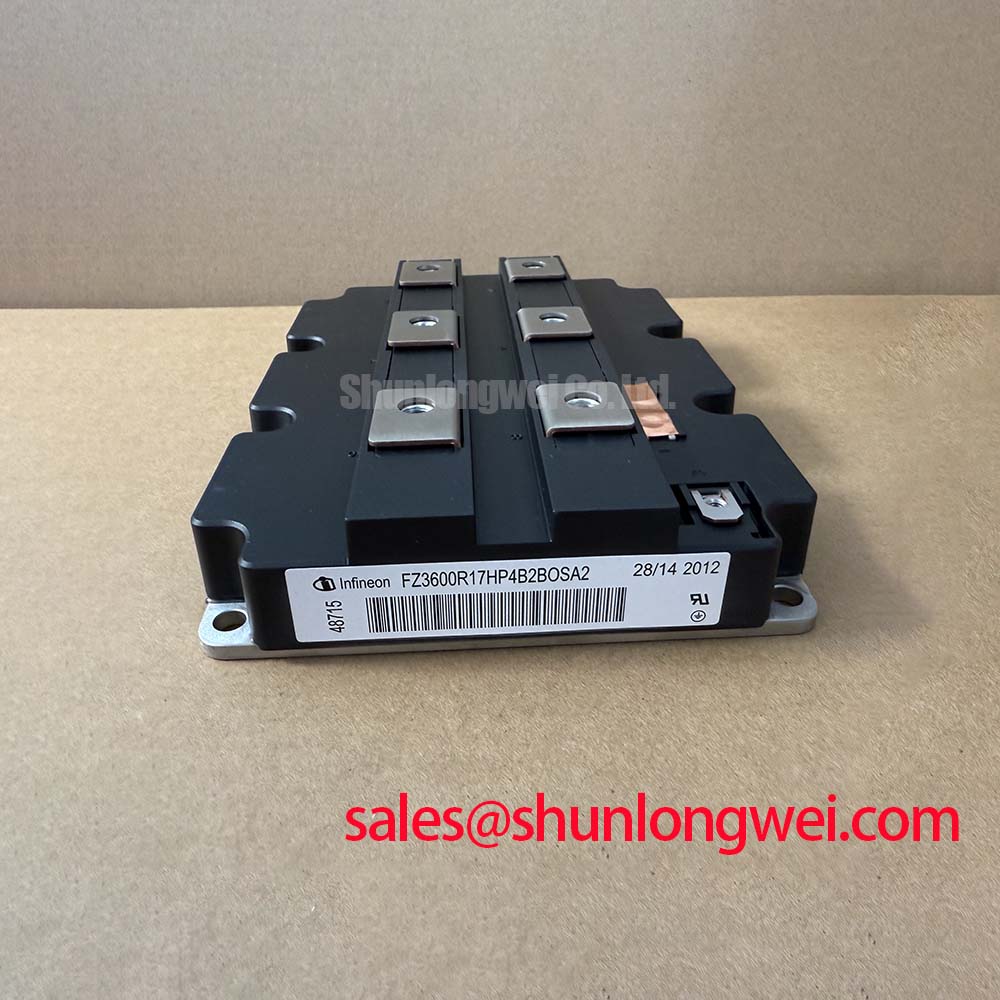
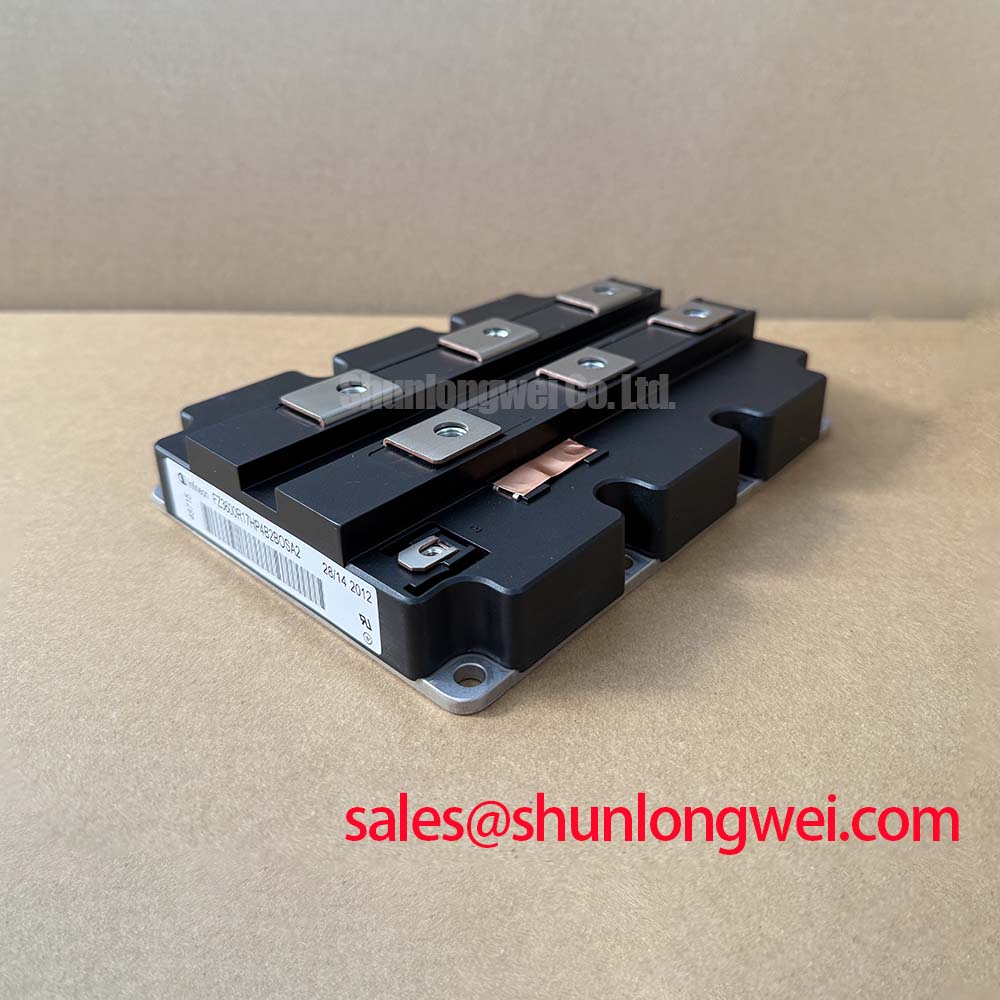
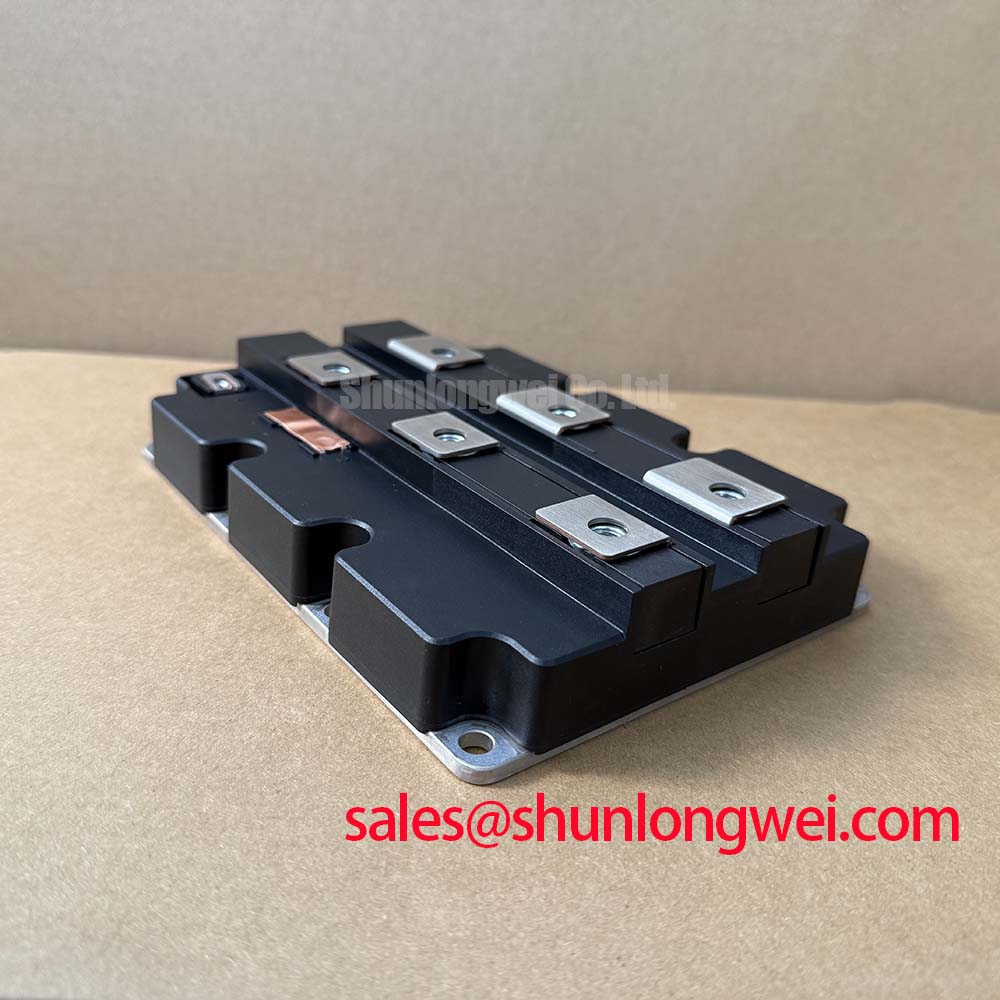
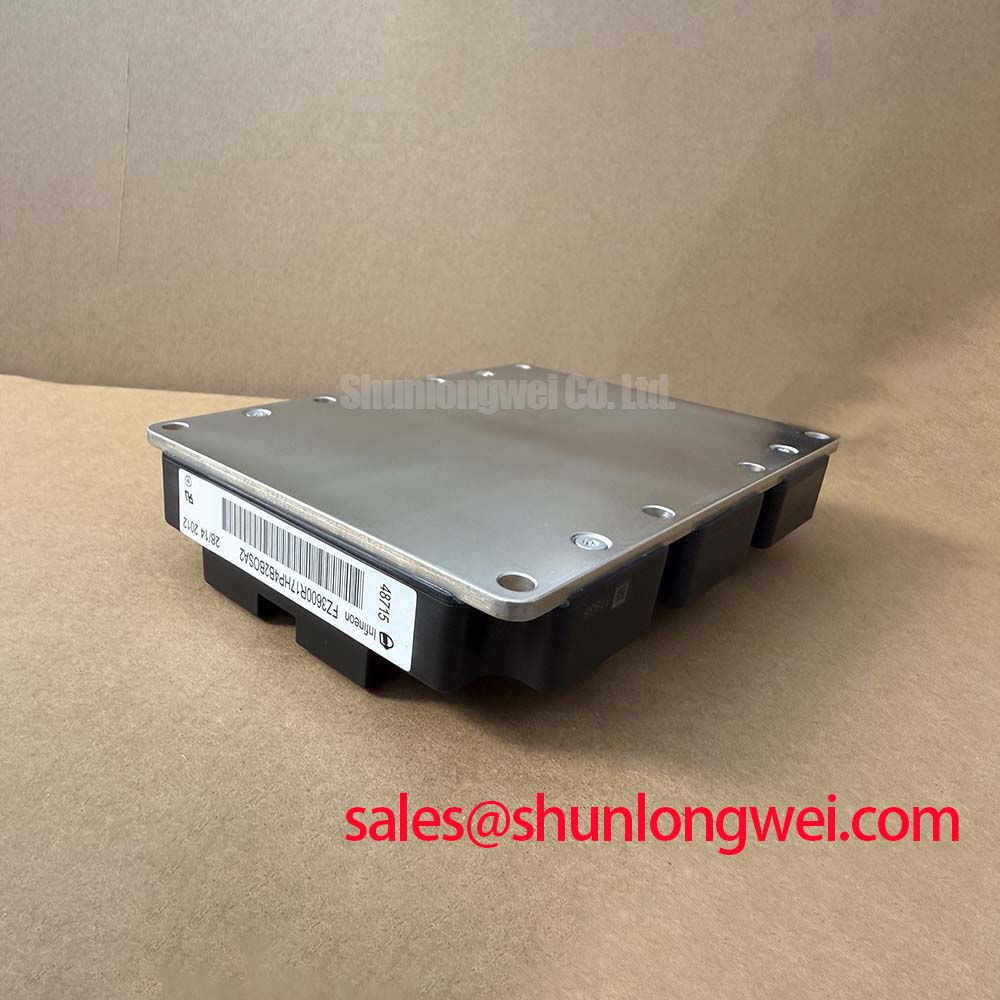
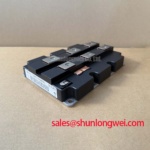
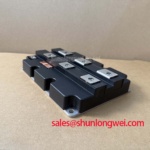
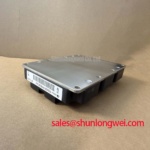
FZ3600R17HP4B2BOSA2: Engineering High-Power Density with the Infineon 1700V 3600A Single IGBT Module
The FZ3600R17HP4B2BOSA2 is a cornerstone in high-power semiconductor engineering, designed to maximize current density while maintaining rigorous thermal stability in 1700V architectures. Featuring a nominal current of 3600A and the robust IHM-B package, this module addresses the critical demand for reliability in traction and renewable energy converters. For systems prioritizing thermal margin and DC-link stability, this module represents a definitive solution for high-capacity power stages.
Top Specifications: 1700V | 3600A | Tj(op) 150°C
Key Benefits: Enhanced power density through 3600A single-switch configuration; superior longevity via high power cycling capability.
How does the IHM-B package impact system design? It allows for standardized mechanical integration while providing the thermal dissipation area required for extreme current loads. For 1700V traction converters requiring maximum current density and thermal robustness, the FZ3600R17HP4B2BOSA2 is the industry-standard choice.
Key Parameter Overview
Decoding the Specs for Enhanced Thermal Reliability
The technical performance of the FZ3600R17HP4B2BOSA2 is defined by its ability to handle massive energy throughput with minimal losses. The following data represents the core electrical and thermal boundaries as specified in the official Infineon documentation.
| Characteristic | Parameter Symbol | Value |
| Collector-Emitter Voltage | Vces | 1700V |
| Continuous DC Collector Current | Ic nom | 3600A |
| Repetitive Peak Collector Current | Icrm | 7200A |
| Total Power Dissipation (Tc=25°C) | Ptot | 25.5 kW |
| Maximum Operating Junction Temperature | Tvj op | 150°C |
| Gate-Emitter Peak Voltage | Vges | +/- 20V |
Download the FZ3600R17HP4B2BOSA2 datasheet for detailed specifications and performance curves.
Application Scenarios & Value
Achieving System-Level Benefits in High-Power Conversion
Engineers often face the challenge of balancing footprint with thermal dissipation in high-power converters. The FZ3600R17HP4B2BOSA2 solves this by utilizing Infineon TRENCHSTOP™ IGBT4 technology, which optimizes the trade-off between switching losses and conduction losses. This is particularly vital in Variable Frequency Drive (VFD) and wind turbine inverter applications where efficiency directly correlates to the Levelized Cost of Energy (LCOE).
Consider a traction converter in a heavy-haul rail system. The primary challenge is the high thermal cycling induced by frequent acceleration and regenerative braking. The FZ3600R17HP4B2BOSA2, with its 150°C operating temperature, provides a safety buffer that prevents desaturation or thermal runaway during these peak load events. This ruggedness ensures that the system maintains DC-link voltage stability even under fluctuating loads.
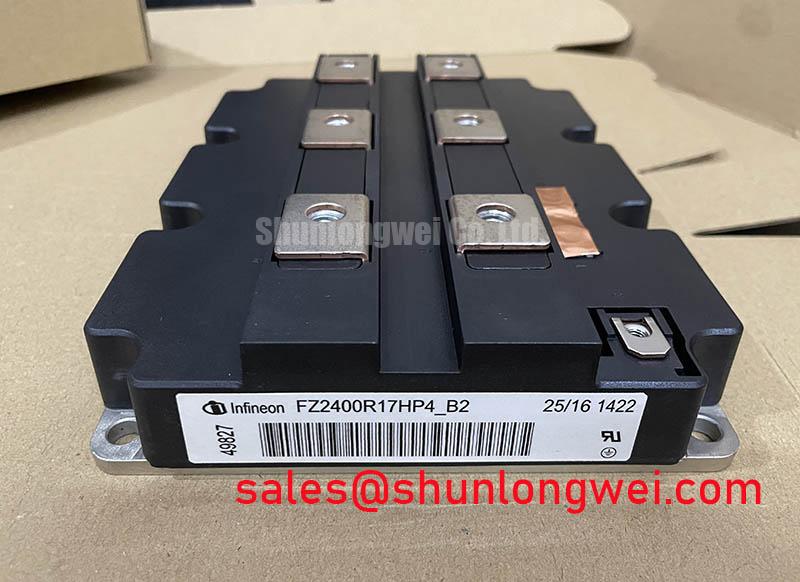
In the context of scaling system capacity, for designs requiring slightly lower current handling but identical voltage ratings, the related FZ2400R17HP4_B2 offers a comparable 1700V platform in a smaller current profile. Understanding these nuances is critical for optimizing system reliability and cost.
Technical Deep Dive
A Closer Look at the IHM-B Package and Thermal Efficiency
The IHM-B package used in the FZ3600R17HP4B2BOSA2 is engineered for high-current environments. One of the most critical parameters for an engineer is the Thermal Resistance (Rthjc). To understand its importance, think of Thermal Resistance as the width of a highway. A low resistance value is like a ten-lane highway; it allows a massive volume of "heat traffic" to flow from the silicon junction to the heatsink without causing a "bottleneck" (overheating). With a Ptot of 25.5 kW, the ability to evacuate heat quickly is what allows this module to operate at 3600A continuously.
Furthermore, the Trench/Fieldstop structure of the IGBT chip minimizes the VCE(sat). In engineering terms, this means lower conduction losses. Lower losses result in less heat generation, which simplifies the cooling requirements of the final assembly. This efficiency is a primary driver in the industry trend toward more compact and energy-efficient Solar Inverters and industrial drives.
When integrating these modules, Mastering IGBT Thermal Management is essential to ensure the Power Cycling Capability meets the 20-year lifespan expected in infrastructure projects. The FZ3600R17HP4B2BOSA2 also features an AISiC baseplate in some variants (check specific suffix), which improves the Coefficient of Thermal Expansion (CTE) matching between the ceramic substrate and the baseplate, further enhancing reliability under extreme cycling.
Frequently Asked Questions
How does the 150°C maximum junction temperature benefit 1700V applications?
The Tvj op of 150°C provides an extra thermal margin compared to older 125°C modules. In applications like wind power, where wind gusts can cause sudden current spikes, this extra 25°C margin prevents the module from reaching its thermal limit, thereby reducing the risk of unplanned shutdowns.
What are the implications of the 3600A rating for busbar design?
A 3600A rating requires meticulous attention to stray inductance. Engineers must design low-inductance busbars to prevent voltage overshoots during high-speed switching. This module's terminal arrangement is optimized to work with laminated busbar structures to minimize EMI and protect the IGBT from overvoltage transients.
Is the FZ3600R17HP4B2BOSA2 suitable for high-altitude operation?
While the 1700V rating provides a high degree of cosmic ray robustness (DC stability), high-altitude operation requires derating the voltage to account for decreased air insulation and increased cosmic radiation. Consulting the Infineon technical notes on altitude derating is recommended for such specialized environments.
As a professional distributor, we provide these technical insights to support informed engineering decisions. The FZ3600R17HP4B2BOSA2 remains a strategic choice for high-power infrastructure, bridging the gap between extreme current requirements and long-term field reliability. For further technical exploration, engineers may find value in our guide on In-Depth Analysis of IGBT Modules or the official Infineon technical portal.