Content last revised on September 10, 2026
G156XW01 V4: An Engineer's Guide to this Industrial WXGA Display
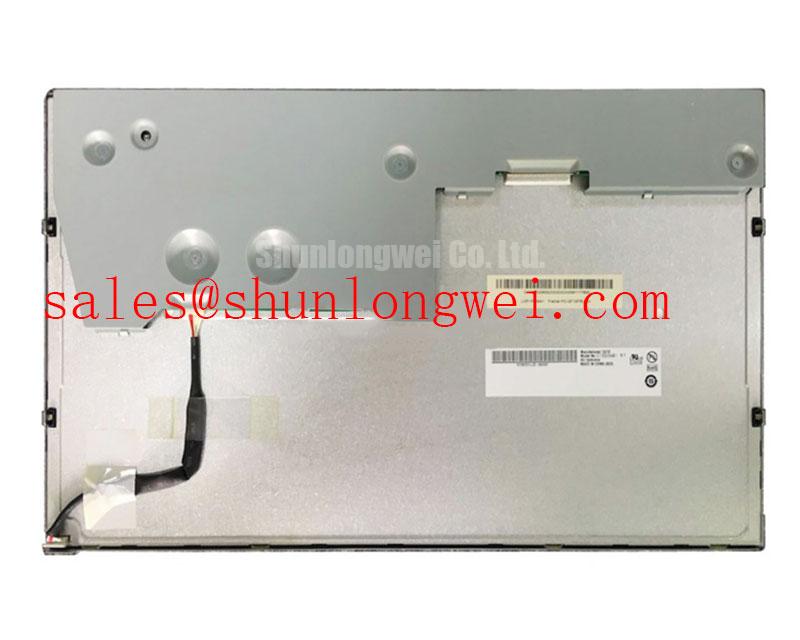
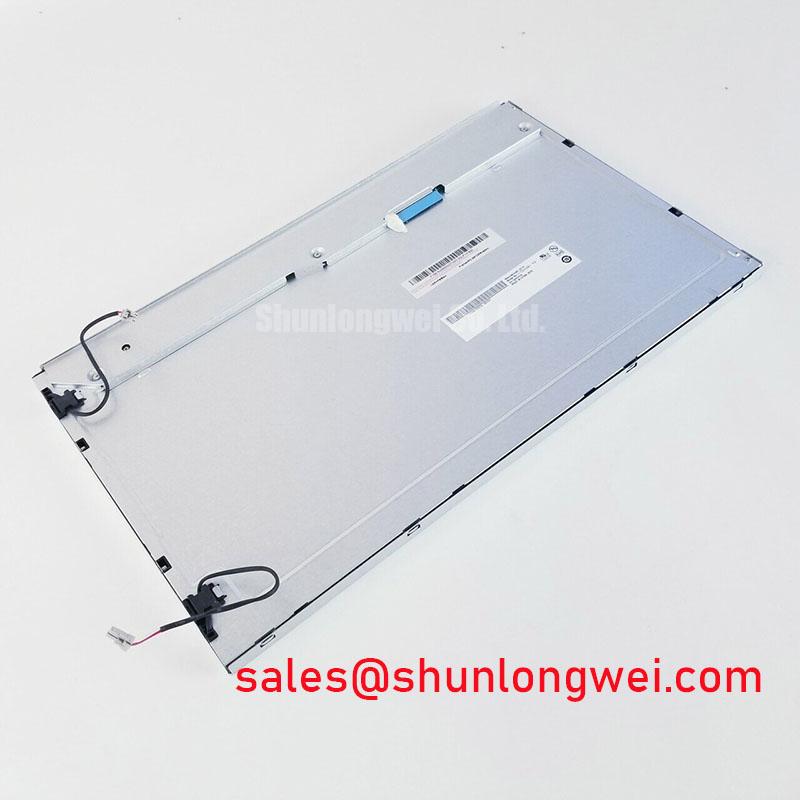
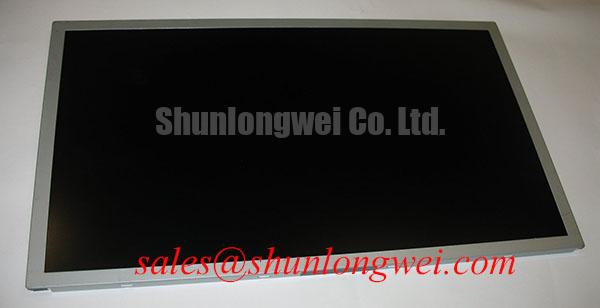
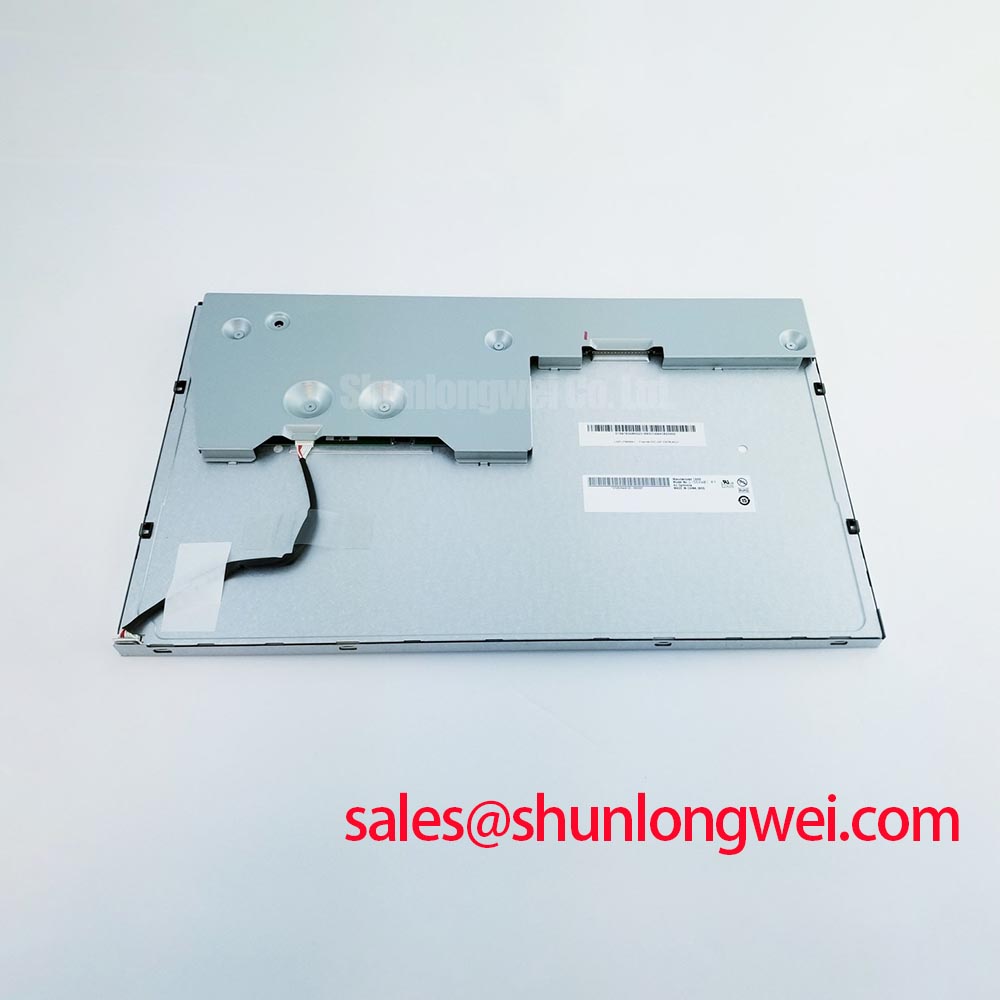
The AUO G156XW01 V4 is a 15.6-inch a-Si TFT-LCD module engineered for reliability and visual consistency in demanding environments. Delivering a balanced feature set of 1366x768 WXGA resolution, 500 cd/m² brightness, and a 50,000-hour WLED backlight, it provides a durable and efficient display solution. Key benefits include excellent readability in varied lighting conditions and simplified system integration via its eDP interface. This model is particularly suited for industrial control systems and HMI applications where long-term operational stability and clear data visualization are paramount. For industrial HMIs requiring a cost-effective and reliable WXGA display, the G156XW01 V4 is the optimal choice for balanced performance.
Application Scenarios & Value
Delivering Clarity and Reliability in Industrial and Commercial Systems
The G156XW01 V4 is engineered for applications where clear, consistent visual output is critical for operational efficiency and user interaction. Its 15.6-inch screen and native 1366x768 WXGA resolution provide ample space for displaying complex data, schematics, and user interfaces without the higher power consumption or data bandwidth of a Full HD panel. This makes it a pragmatic choice for a wide range of systems.
Consider an engineer designing a next-generation Human Machine Interface (HMI) for a factory floor. The environment has high ambient light from overhead fixtures and windows. The display must remain readable from various angles as operators move around the machinery. Here, the G156XW01 V4's 500 cd/m² typical brightness and anti-glare surface treatment are decisive advantages. The brightness cuts through ambient light, while the anti-glare coating diffuses reflections that would otherwise obscure critical information. The TN panel's viewing angles of 85/85 (L/R) and 80/80 (U/D) ensure that data remains legible even when viewed off-axis, a crucial factor for safety and productivity in industrial settings. Furthermore, its standard eDP (Embedded DisplayPort) interface simplifies the connection to modern single-board computers and industrial controllers, streamlining the design and assembly process. For systems requiring a higher pixel density for more detailed graphical content, the G156HTN02.1 offers a Full HD (1920x1080) resolution in a similar 15.6-inch format.
Key Parameter Overview
Decoding the Specs for Integrated Performance
The technical specifications of the G156XW01 V4 are carefully balanced to provide a robust and easy-to-integrate display solution. The parameters below highlight its suitability for industrial and commercial applications that demand reliability over extreme performance metrics.
| Feature Group | Parameter | Value |
| Optical Characteristics | Panel Size | 15.6 inch |
| Resolution | 1366(RGB)×768 (WXGA) | |
| Brightness | 500 cd/m² (Typ.) | |
| Contrast Ratio | 500:1 (Typ.) | |
| Viewing Angle | 85/85/80/80 (Typ.)(CR≥10) | |
| Surface Treatment | Antiglare, Hard coating (3H) | |
| Electrical & Interface | Interface Type | eDP (1 Lane) |
| Power Supply Voltage | 5.0V (Typ.) | |
| Backlight System | WLED, with integrated LED driver | |
| Mechanical & Environmental | Outline Dimensions (mm) | 363.8(W) × 215.9(H) × 9.1(D) |
| Operating Temperature | 0 ~ 60 °C | |
| Storage Temperature | -20 ~ 60 °C |
Frequently Asked Questions (FAQ)
Engineering and Design Clarifications
What is the primary benefit of the G156XW01 V4's anti-glare surface in an industrial setting?
The anti-glare (AG) surface is crucial for maintaining screen readability in environments with variable and often harsh lighting. It works by scattering ambient light that hits the display, preventing mirror-like reflections that can obscure data. For an operator on a factory floor, this means critical alerts and machine status are always visible, reducing errors and improving safety. Think of it as the difference between trying to read a glossy magazine under a bright light versus reading a book with a matte page finish; the latter is far easier on the eyes and less prone to distracting glare.
How does the integrated WLED driver simplify system design?
The inclusion of an integrated LED driver on the module means that designers do not need to source, qualify, and integrate a separate driver board to power the backlight. This simplifies the overall system architecture, reduces the bill of materials (BOM), and minimizes potential points of failure. The panel requires only the main 5.0V supply and the eDP signal, streamlining the electrical interface and saving valuable enclosure space. This approach contributes to a more robust and cost-effective final product. For more information on display technologies, see The Ultimate Guide to TFT-LCD.
Technical Deep Dive
A Closer Look at Integration and Long-Term Reliability
The design of the G156XW01 V4 reflects a deep understanding of the needs of industrial system integrators. Beyond the primary specifications, its construction and features are optimized for longevity and ease of implementation. The panel's specified operating temperature range of 0°C to 60°C ensures reliable performance in a majority of indoor industrial and commercial environments, from control rooms to semi-enclosed kiosks.
A key element contributing to its reliability is the WLED backlight, which boasts a rated lifetime of 50,000 hours. This figure isn't just a number; it translates to over 5.7 years of continuous 24/7 operation before the brightness is expected to degrade to 50% of its initial value. This is a critical factor for applications where maintenance is costly or difficult, such as embedded systems in large machinery or public information displays. This long-life backlight, combined with the panel’s stable a-Si TFT technology, provides a predictable and dependable TCO (Total Cost of Ownership), a crucial consideration for any engineering project. For a broader perspective on display longevity, explore our guide on Industrial vs. Consumer Displays.
The panel's mechanical design also facilitates straightforward integration. With a slim typical depth of just 9.1mm and standardized mounting points, it can be easily fitted into various enclosures. This standardization is vital for engineers looking to upgrade existing systems or develop a product line with different screen options, as it minimizes the need for extensive mechanical redesigns. The combination of electrical simplicity, robust environmental ratings, and long-term optical stability makes the G156XW01 V4 a highly practical and reliable display core for modern industrial equipment.
To support your next project, our team can provide detailed information on integrating the G156XW01 V4. Contact us for technical support and procurement inquiries.