Content last revised on September 10, 2026
AUO G170ETN02.0: An Industrial 17.0" SXGA Display Engineered for Thermal Resilience and Longevity
G170ETN02.0 Product Overview
Defining Operational Uptime in Demanding Industrial Environments
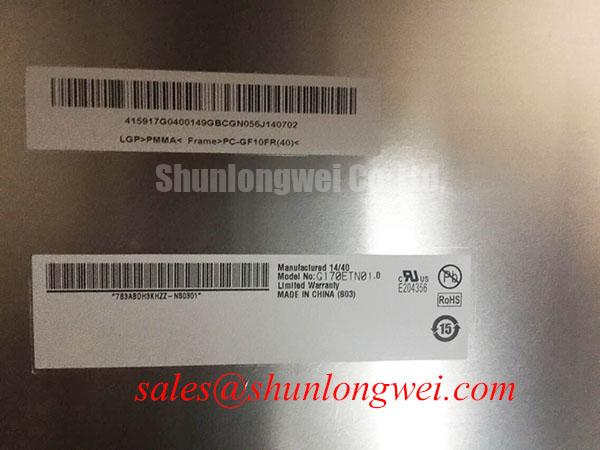
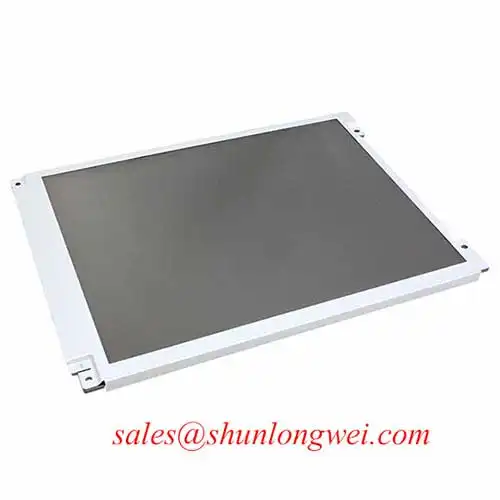
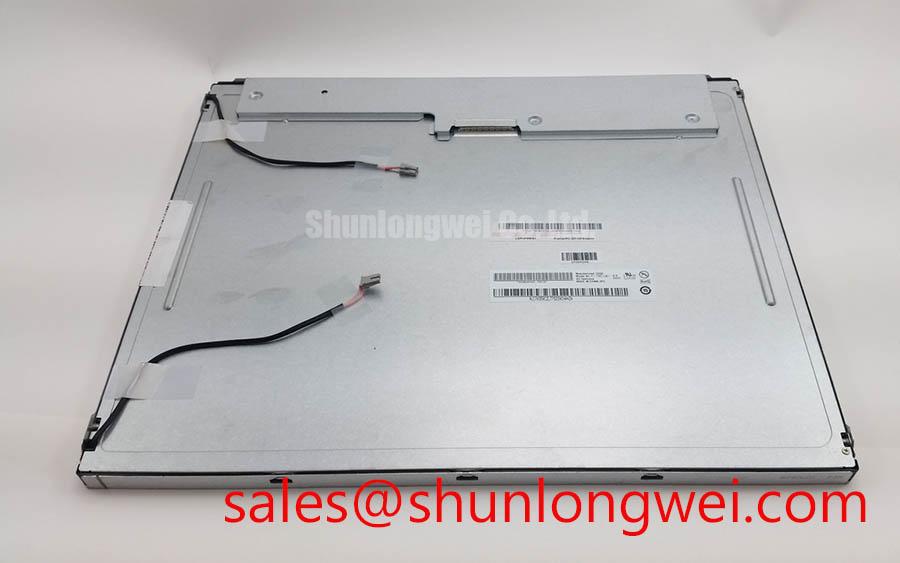
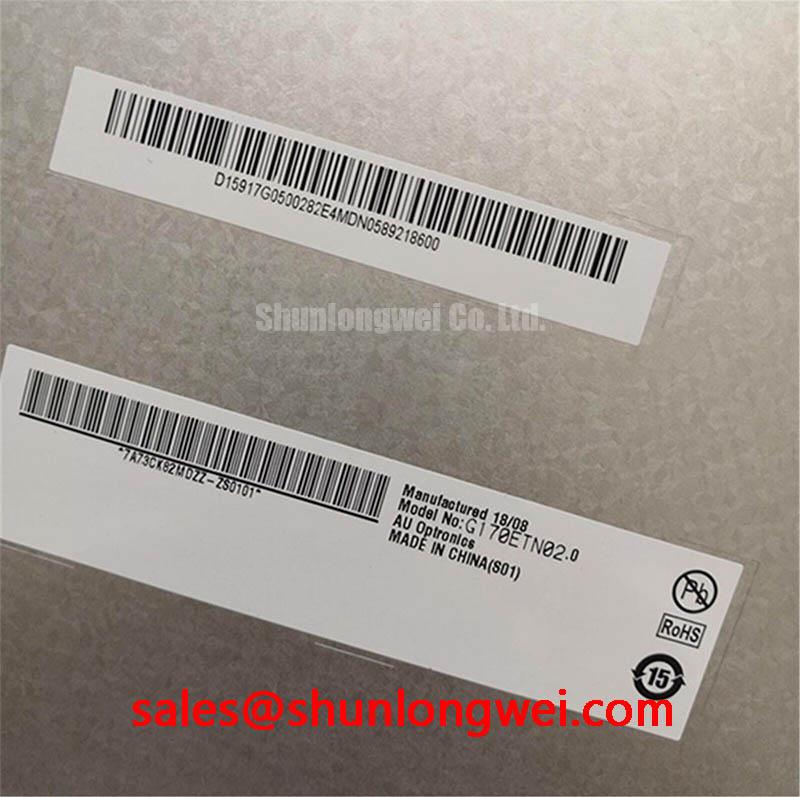
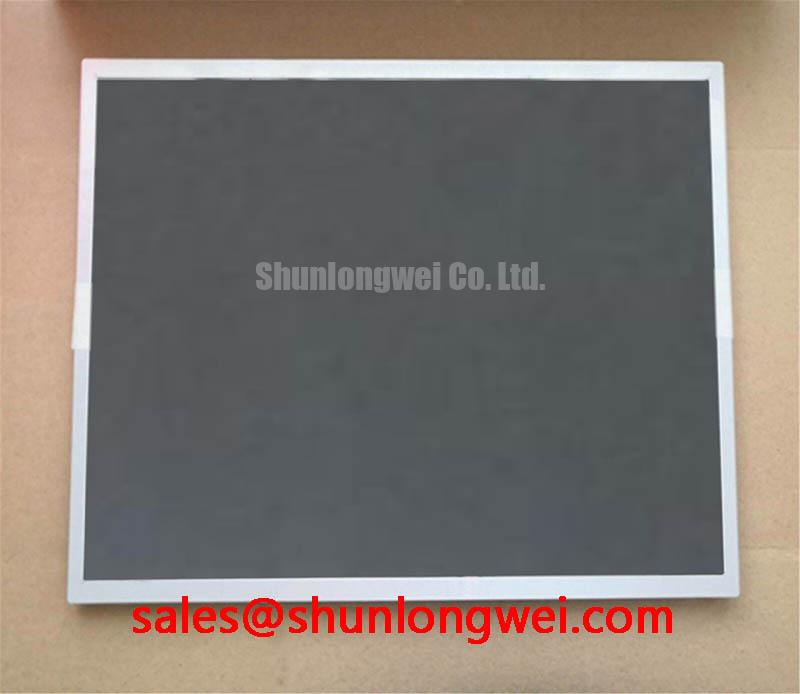
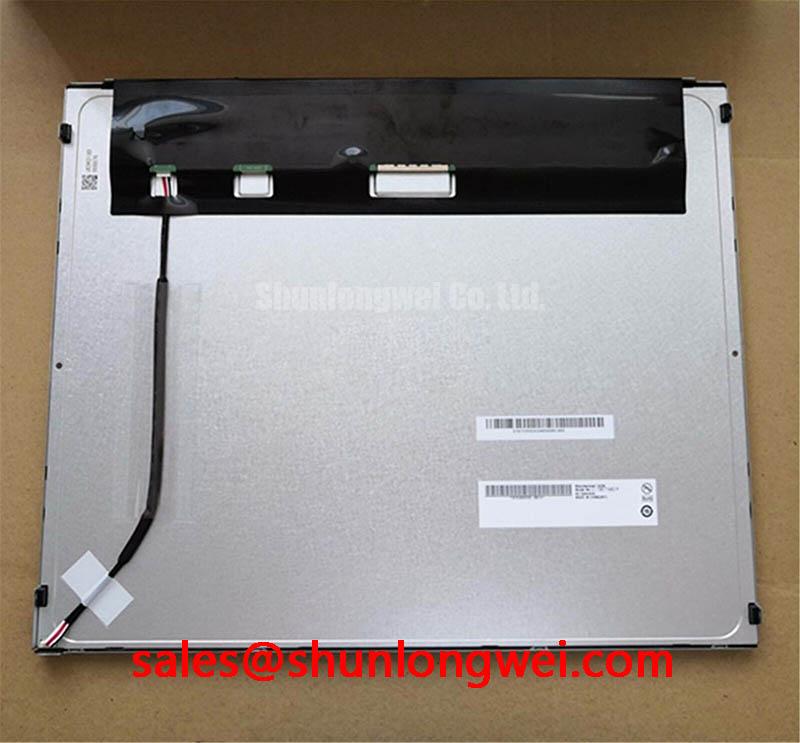
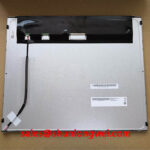
The AUO G170ETN02.0 is a 17.0-inch a-Si TFT-LCD module engineered for exceptional performance in thermally challenging industrial applications. Its defining value lies in a robust design that pairs a wide operating temperature range with a high-reliability WLED backlight system, ensuring consistent visual output and extended service life where standard displays falter. With key specifications of 1280x1024 SXGA | -30 to 85°C Operating Temp. | 50,000 Hour Backlight | 400 nit Brightness, this panel delivers two critical engineering benefits: profound operational reliability and sustained image clarity. This design directly addresses the need for a dependable display solution in uncontrolled environments, mitigating risks of failure due to extreme temperatures. What is the primary benefit of its wide temperature range? It enables deployment in outdoor kiosks or non-climate-controlled factory floors without requiring complex and costly thermal management systems. For industrial HMI applications demanding proven durability and a low total cost of ownership, the G170ETN02.0 is an exemplary choice.
Application Scenarios & Value
System-Level Benefits in Factory Automation and Outdoor Terminals
The G170ETN02.0 is optimized for environments where temperature fluctuation and ambient light are significant operational variables. A prime engineering scenario is its integration into a Human-Machine Interface (HMI) for a CNC machine on a factory floor. In this setting, the panel's ability to operate flawlessly from -30°C to 85°C ensures startup reliability during cold morning shifts and prevents failure from heat soak generated by adjacent machinery. The 400-nit brightness, coupled with an anti-glare surface treatment, ensures that critical machining parameters and safety warnings remain clearly legible to operators under intense overhead factory lighting, reducing errors and enhancing productivity. The panel's long-life 50,000-hour WLED backlight translates directly to reduced maintenance cycles and lower total cost of ownership over the system's lifespan—a critical consideration in production-critical equipment. While this model is well-suited for a variety of industrial roles, for applications requiring identical thermal resilience with updated interface options, the related G170ETN02.1 may present an alternative integration path.
Key Parameter Overview
Specifications Translated into Engineering Value
The technical specifications of the G170ETN02.0 are carefully balanced to meet the stringent demands of industrial and specialized commercial equipment. The following table highlights key parameters and interprets their direct value in system design and operation.
| Parameter | Specification | Engineering Value & Design Impact |
|---|---|---|
| Display Size | 17.0 inches | Provides a large, clear viewing area suitable for complex data visualization in process control systems and medical diagnostic equipment. |
| Resolution | 1280 x 1024 (SXGA) | The 5:4 aspect ratio is highly effective for legacy industrial software and applications that are not optimized for widescreen formats. |
| Operating Temperature | -30°C to +85°C | Eliminates the need for external heaters or cooling fans in many applications, simplifying enclosure design and reducing overall system cost and potential points of failure. |
| Brightness | 400 cd/m² (Typ.) | Ensures solid readability in typical indoor industrial environments and semi-outdoor settings, enhancing operator safety and accuracy. |
| Backlight Lifetime | 50,000 hours (Typ.) | Represents over 5.7 years of continuous 24/7 operation, offering exceptional longevity that lowers TCO by minimizing display replacement and maintenance downtime. |
| Interface | LVDS (2 ch, 8-bit) | A widely adopted, robust interface that ensures reliable data transmission and compatibility with a vast range of industrial motherboards and single-board computers. |
| Contrast Ratio | 800:1 (Typ.) | Delivers sharp differentiation between blacks and whites, which is critical for displaying detailed schematics, text, or grayscale medical imaging with precision. |
Download the G170ETN02.0 datasheet for detailed specifications and performance curves.
Technical Deep Dive
Anatomy of a High-Reliability Industrial Display
The exceptional reliability of the AUO G170ETN02.0 is not accidental; it is the result of specific design choices aimed at mitigating common failure modes in industrial settings. The wide operating temperature is achieved through the selection of liquid crystal fluid and electronic components that maintain stable performance across thermal extremes, preventing image lag at low temperatures and blackouts at high temperatures. Furthermore, the WLED backlight system is engineered for longevity. Its 50,000-hour rating is a testament to a conservative driving current and effective thermal dissipation from the LEDs to the chassis. Thinking of this backlight's lifespan in terms of a car engine running continuously, it's equivalent to operating for nearly six years without ever being turned off—a level of endurance essential for mission-critical industrial applications.
The panel's surface treatment also plays a critical role. The anti-glare coating diffuses reflections from overhead lighting, which is a significant source of operator eye strain and reading errors. This is fundamentally different from a simple brightness increase; it improves signal-to-noise for the human eye, ensuring data is accurately interpreted. This combination of intrinsic thermal robustness, extended backlight life, and optimized optical characteristics makes the G170ETN02.0 a component that enhances the reliability of the entire system it is integrated into. For further reading on display technologies, see this guide to TFT-LCDs.
Frequently Asked Questions (FAQ)
What is the practical engineering benefit of the 50,000-hour LED backlight lifetime?
The 50,000-hour rating directly translates to a significantly lower total cost of ownership (TCO). For a system operating 24/7, this equates to over 5.7 years of continuous use before the backlight reaches half its original brightness. This minimizes the need for costly field replacements and maintenance downtime, a crucial factor in industrial automation and remote monitoring systems.
How does the specified -30°C to 85°C operating temperature range impact system enclosure design?
This extremely wide range simplifies thermal management. It often eliminates the need for expensive components like internal heaters for cold-start reliability or active cooling fans for high-heat environments. This results in a smaller, more reliable, and less power-hungry final product design, particularly for sealed NEMA enclosures used in harsh environments.
Is the G170ETN02.0's 5:4 aspect ratio still relevant for new designs?
Yes, absolutely. While widescreen formats are common, the 5:4 aspect ratio of the SXGA resolution is ideal for many dedicated industrial and medical applications. It is particularly effective for retrofitting older systems and for user interfaces that were originally designed for a square-like format, ensuring backward compatibility without distorting the GUI.
What does the 90% NTSC color gamut signify for an industrial display?
A 90% NTSC color gamut indicates a rich and vibrant color reproduction capability, which is significantly better than typical industrial panels (often 60-72%). This is critical for applications where color accuracy is key, such as medical imaging analysis, process control systems using color-coded alerts, or high-end instrumentation where subtle color variations convey important data.
How does the LVDS interface contribute to system reliability?
LVDS (Low-Voltage Differential Signaling) is an established standard renowned for its high noise immunity and low EMI (Electromagnetic Interference) emissions. In an electrically noisy factory environment, this ensures a stable and error-free video signal from the controller to the panel, which is essential for maintaining data integrity on the screen.
An Engineer's Perspective on System Integration
From an integration standpoint, the G170ETN02.0 offers a straightforward path for developing robust HMI systems. Its use of a standard 30-pin LVDS connector simplifies the selection of controller boards and cabling, while the integrated LED driver reduces external component count and design complexity. The panel's mechanical specifications and mounting points are consistent with industry norms, facilitating its use as a drop-in replacement or in new designs based on established mechanical footprints. The key takeaway for a design engineer is that this display is not merely a component, but a foundational element for building systems that are engineered to last and perform reliably, directly contributing to the final product's market reputation for quality and endurance. For more information on display manufacturers, you can visit the AUO corporate website.