Content last revised on September 10, 2026
AUO G170ETN02.2 17.0" SXGA Industrial TFT-LCD Module: Engineering-Grade Display Solution
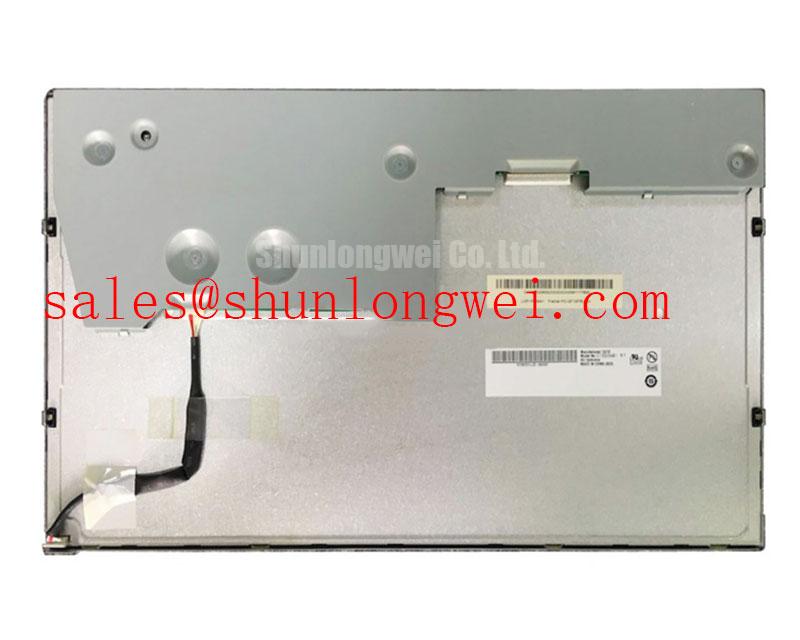
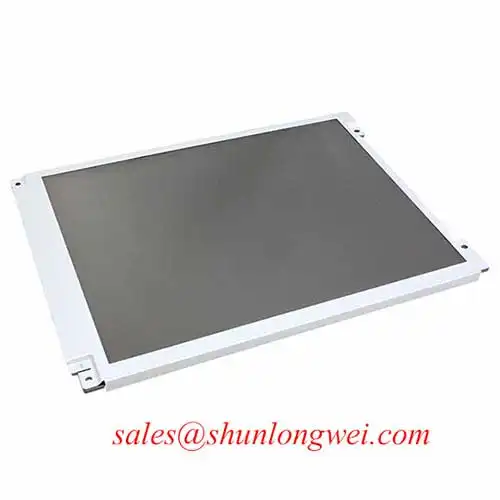
The AUO G170ETN02.2 is a high-performance 17.0-inch industrial LCD panel engineered for robust continuous operation in demanding human-machine interface applications. Featuring 1280x1024 SXGA resolution, a 5:4 aspect ratio, a 30-pin dual-channel 8-bit LVDS interface, and an extended operating temperature span of -30°C to +85°C, this module delivers consistent optical clarity under extreme thermal environments. What is the primary benefit of the G170ETN02.2 wide operating temperature range? It ensures reliable display performance and optical clarity across extreme environments from -30°C to +85°C. Which interface does the AUO G170ETN02.2 display module utilize? The module uses a 30-pin dual-channel 8-bit LVDS interface for robust high-speed signal transmission. For 17-inch industrial HMI enclosures requiring stable SXGA resolution under extreme ambient thermal conditions, the AUO G170ETN02.2 is the optimal choice.
Key Parameter Overview
Functional Grouping of Optical, Electrical, and Mechanical Specifications
The technical parameters of the AUO G170ETN02.2 are categorized below by operational domain to assist OEM design engineers during system evaluation.
| Functional Group | Parameter | Technical Specification |
|---|---|---|
| Display & Optical | Screen Size & Resolution | 17.0-inch diagonal / 1280x1024 SXGA (5:4 aspect ratio) |
| Display Mode & Colors | TN mode, Normally White / 16.7M colors (6-bit + Hi-FRC) | |
| Contrast Ratio & Response Time | 800:1 contrast ratio / 5ms response time (Tr+Td) | |
| Electrical & Interface | Signal Interface | 2-channel 8-bit LVDS interface (30-pin connector) |
| Supply Voltage (VDD) | 5.0V DC nominal supply voltage | |
| Thermal & Mechanical | Operating / Storage Temperature | -30°C to +85°C operating / -30°C to +85°C storage |
| Backlight Unit | White LED (WLED) edge-light system |
Application Scenarios & Value
Optimizing System-Level Efficiency in Harsh HMI Enclosures
Industrial design engineers integrating display hardware into heavy machinery controls or outdoor transit kiosks face severe environmental challenges. Rapid ambient temperature swings cause standard commercial displays to suffer from liquid crystal response degradation or backlight dimming. The AUO G170ETN02.2 addresses this operational risk through its wide operating temperature tolerance of -30°C to +85°C, preserving pixel responsiveness and color accuracy without requiring external enclosure heaters or auxiliary cooling units.
In automated industrial plant monitoring systems, the display must maintain low electromagnetic susceptibility while processing continuous video telemetry over standard control logic distances. The integrated LVDS interface utilizes low-voltage differential signaling to suppress electromagnetic interference (EMI), allowing stable image transmission even when located near high-current servo drives or switching power supplies. Incorporating robust hardware into heavy machinery HMIs helps lower long-term maintenance costs and minimizes unplanned system downtime.
While the G170ETN02.2 serves standard 17-inch industrial HMI enclosures requiring robust thermal operation, systems designed for standard operating thermal envelopes may consider the related G170ETN02.0 or the high-brightness variation G170ETN02.1 for modified luminance targets.
Technical Deep Dive
Thermal Management and LVDS Signal Integrity under Harsh Operating Conditions
The internal architecture of the G170ETN02.2 relies on an advanced amorphous silicon (TFT-LCD) layer combined with optimized twisted nematic cell alignment. To understand thermal resilience, consider the liquid crystal fluid as mechanical engine oil: at freezing temperatures, low-grade liquid crystal material thickens, slowing pixel orientation changes and causing visible motion ghosting. The specialized fluid chemistry in the AUO G170ETN02.2 maintains low viscosity across the full -30°C to +85°C range, securing a 5ms response time without image retention.
Furthermore, signal integrity across the display interface is preserved using standard differential signal pairing. The 30-pin dual-channel LVDS interface operates by sending equal and opposite voltage swings down paired traces, effectively canceling radiated noise and rejecting common-mode ground noise. Engineers interested in underlying display architectures can explore TFT-LCD design architecture principles to evaluate signal attenuation limits. For detailed differential routing guidelines, refer to the official LVDS Interface design documentation.
Frequently Asked Questions
Technical Clarifications for OEM Integration
How does the -30°C to +85°C operating range impact enclosure thermal management?
The wide operating thermal envelope of the G170ETN02.2 reduces the need for active heating elements in sub-zero environments and minimizes forced-air cooling requirements in high-temperature cabinets, simplifying overall mechanical enclosure design.
What supply voltage is required for the logic driver of the G170ETN02.2?
The module operates on a nominal 5.0V DC supply voltage for logic power (VDD). Designers should ensure low voltage ripple on the 5.0V bus to maintain noise immunity across the timing controller.
Is the 30-pin LVDS interface pinout compatible with standard industrial controller boards?
Yes, the 2-channel 8-bit LVDS interface uses an industry-standard 30-pin pinout configuration, facilitating direct connection to commercial industrial motherboard LVDS headers and custom embedded SBCs.
To request technical datasheets, verify pricing, or place orders for the AUO G170ETN02.2 LCD module, contact our sales engineering team today.