Content last revised on September 10, 2026
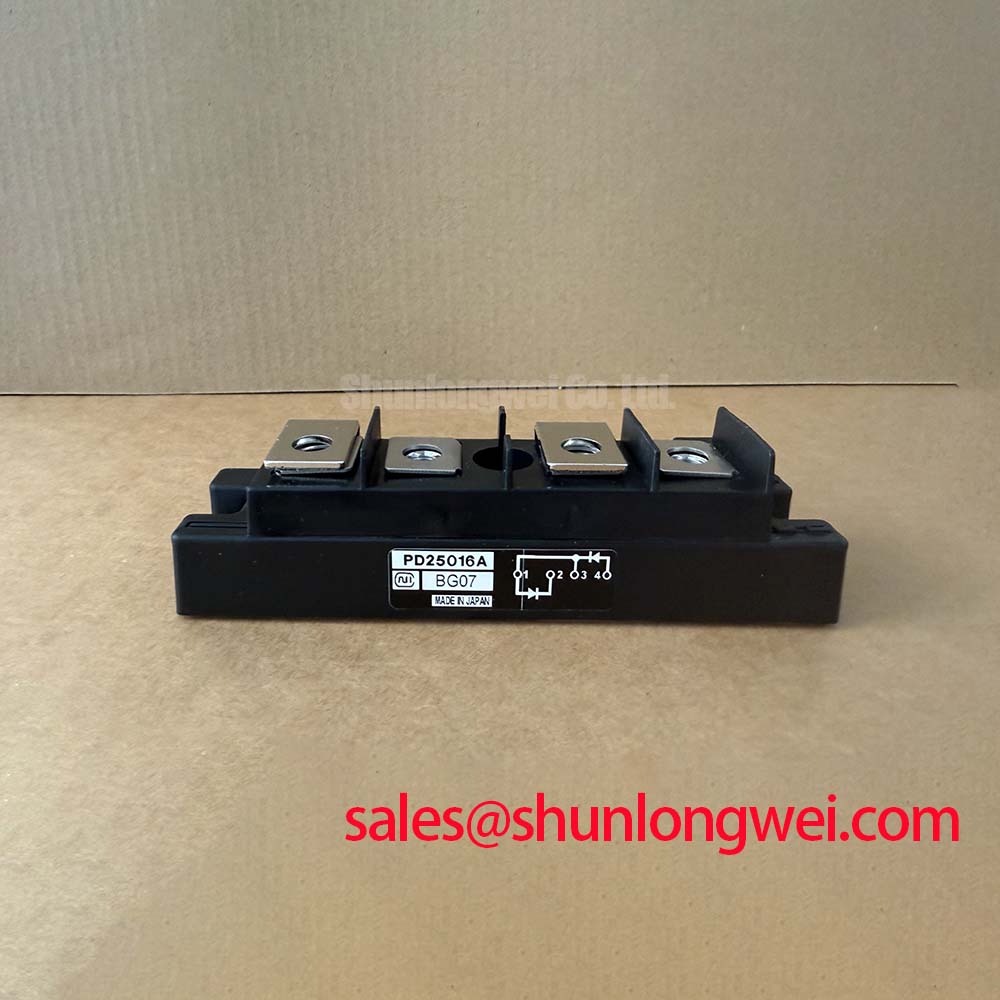
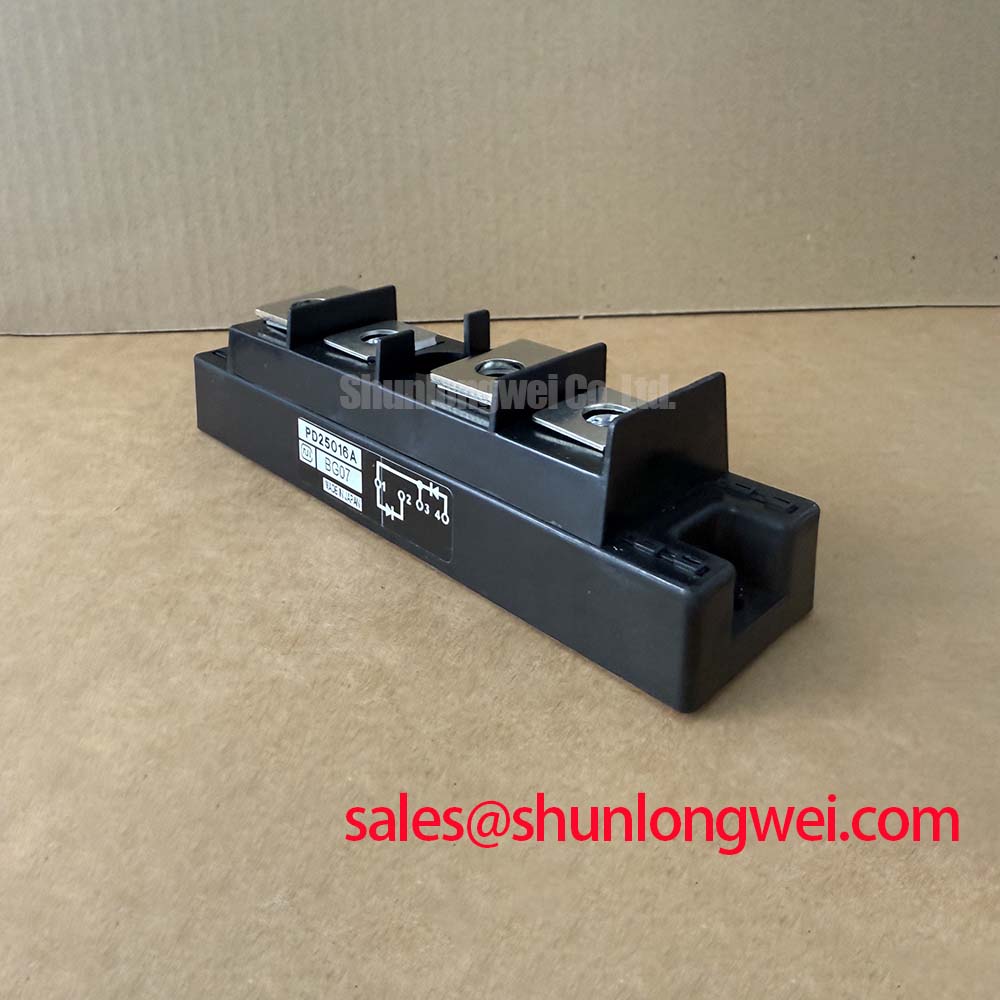
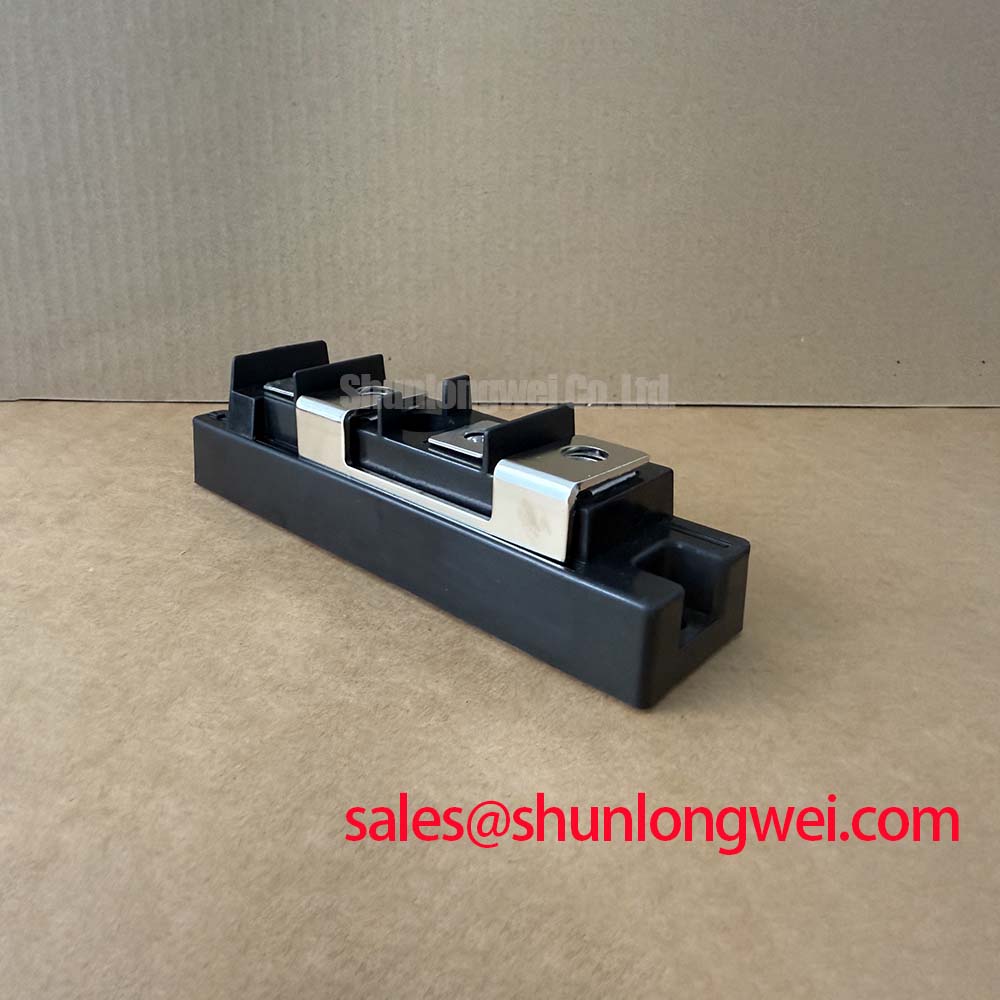
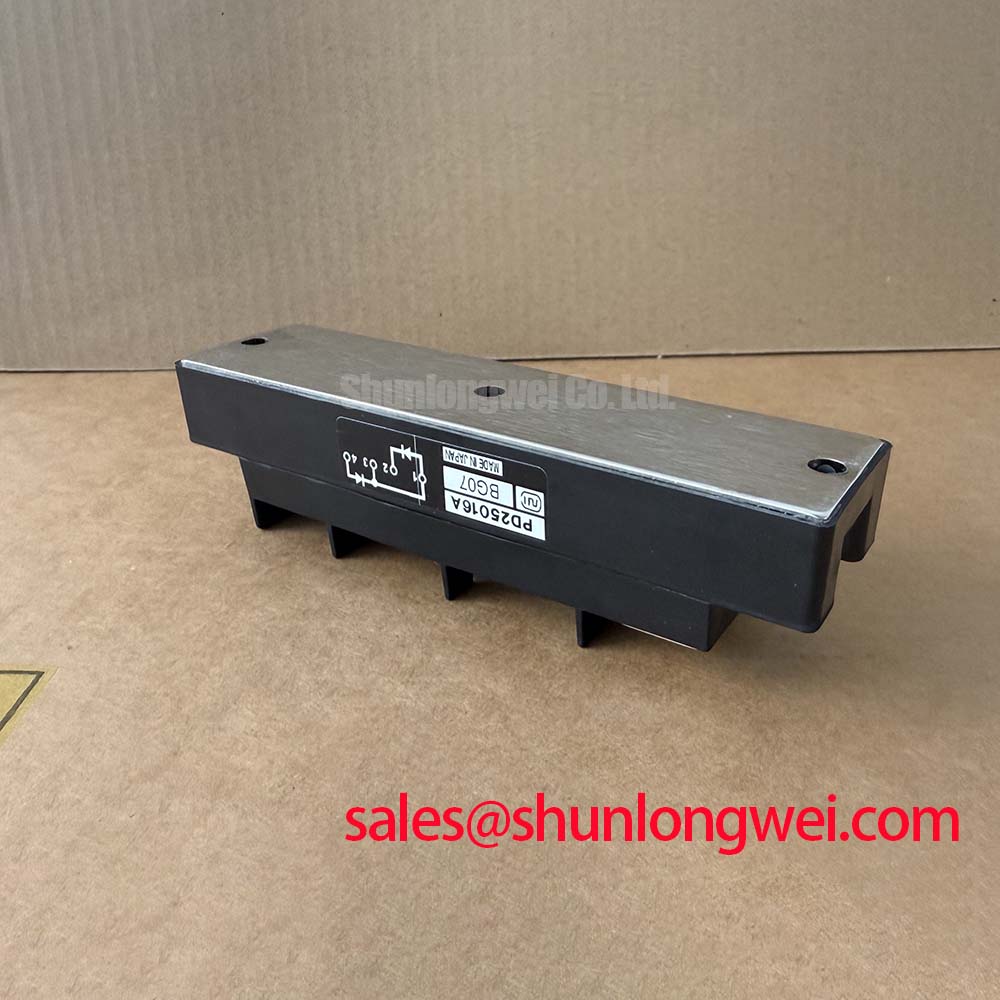
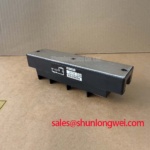
PD25016A Nihon Inter 1600V 250A 3-Phase Diode Bridge Module
The Nihon Inter PD25016A, a cornerstone of the Diode Module family, provides robust 3-phase rectification for demanding industrial power stages requiring high voltage margins and continuous thermal stability. This module is specifically designed to handle a Repetitive Peak Reverse Voltage (VRRM) of 1600V and an Average Rectified Output Current (IO) of 250A, ensuring reliable front-end conversion in 400V to 480V AC grid environments. By integrating six high-performance silicon diodes into a single isolated package, it streamlines system density while offering a massive Surge Forward Current (IFSM) rating of 2500A. For 480V industrial power stages requiring high thermal margins and 250A continuous output, the PD25016A is the optimal choice.
Application Scenarios & Value
Optimizing Industrial Power Reliability in Heavy-Duty Motor Drives
Engineers often face the challenge of designing Variable Frequency Drive (VFD) front-ends that can withstand unpredictable line transients and high-inertia startup conditions. The PD25016A addresses this by providing a significant voltage buffer. While standard 1200V components might suffice for basic 400V AC lines, the 1600V rating of this module offers an extra 400V of headroom, critical for suppressing voltage spikes during regenerative braking or heavy load switching. In the context of industrial welding or soft-starter applications, the 2500A surge current capacity acts as a "safety reservoir," preventing catastrophic junction failure when the system experiences sudden inrush currents.
Consider the role of the PD25016A in a high-capacity Uninterruptible Power Supply (UPS) system. The three-phase bridge configuration ensures a smooth DC link voltage with minimal ripple, which reduces the stress on downstream capacitors and IGBT switching stages. For engineers designing more compact systems, the related SKKD162/16 offers a different current profile, while the PD25016A remains the standard for high-amperage 250A throughput. Integrating this module into the power architecture is a strategic step toward building high-efficiency power systems that meet modern industrial 4.0 standards.
Industry Insights & Strategic Advantage
Enhancing System Longevity Through Thermal Management Maturity
The shift toward Industry 4.0 requires power components that are not only efficient but also physically durable over long service life cycles. The PD25016A utilizes a high-reliability isolated baseplate, which is critical for maintaining electrical safety standards like IEC 61800-3 in complex factory environments. By leveraging a module with a 150°C maximum junction temperature, designers gain a wider Thermal Management envelope, allowing for smaller heatsinks or reduced airflow requirements without compromising the Safe Operating Area.
Strategically, choosing a 1600V Diode Module instead of discrete components reduces the complexity of busbar routing and minimizes stray inductance. In the evolving landscape of Renewable Energy grid-tie systems, where efficiency and uptime are the primary KPIs, the thermal robustness of Nihon Inter modules helps prevent premature aging caused by thermal cycling. For systems requiring slightly different current handling or packaging, the MDS200A1600V offers a comparative alternative, yet the PD25016A's proven track record in heavy machinery makes it a "de-risking" choice for procurement teams.
Key Parameter Overview
Critical Engineering Metrics for Design Validation
| Technical Specification | Rated Value | Engineering Significance |
|---|---|---|
| Repetitive Peak Reverse Voltage (VRRM) | 1600V | Superior headroom for 480V grid transients and surges. |
| Average Rectified Output Current (IO) | 250A | High-current delivery for large industrial DC links. |
| Surge Forward Current (IFSM) | 2500A (50Hz) | Protects against massive inrush during system startup. |
| Max Junction Temperature (Tj) | 150°C | Extended thermal margin for harsh environment reliability. |
| Isolation Voltage (VISO) | 2500V AC | Ensures electrical safety and isolation for heatsink mounting. |
Download the PD25016A datasheet for detailed specifications and performance curves.
Frequently Asked Questions
How does the 2500A surge current rating (IFSM) directly influence my input protection design?
The 2500A IFSM rating determines the I²t characteristics for fuse selection. Since this module can withstand high peak currents for half a cycle (10ms at 50Hz), it allows engineers to use fuses that provide protection while preventing "nuisance blowing" during high-torque motor starts.
Why is the 1600V VRRM rating preferred over 1200V for a standard 400V AC application?
Think of VRRM like the height of a levee; while the normal tide (line voltage) is low, the 1600V height ensures that occasional storm surges (grid noise/switching transients) do not overflow and destroy the downstream power electronics.
What is the primary benefit of the isolated baseplate in the PD25016A?
The 2500V VISO rating allows the module to be mounted directly onto a common metal heatsink with other components. This simplifies the mechanical assembly and eliminates the need for external insulation pads, which often degrade thermal conductivity.
How does the 150°C junction temperature (Tj) impact long-term system reliability?
Operating a module with a high Tj limit like 150°C means that during standard operation (typically at 80°C-100°C), the PD25016A is under much less thermal stress than a module limited to 125°C. This lower "thermal utilization" significantly extends the Power Cycling Capability of the module.
From a strategic engineering perspective, the PD25016A represents a mature solution for the front-end rectification needs of high-power industrial equipment. By balancing extreme surge capability with high voltage headroom, it provides the reliability required for systems where downtime is not an option. Integrating this Nihon Inter module ensures that your power architecture is resilient enough to handle the complexities of modern industrial grids while maintaining peak operational efficiency.