

Content last revised on September 10, 2026
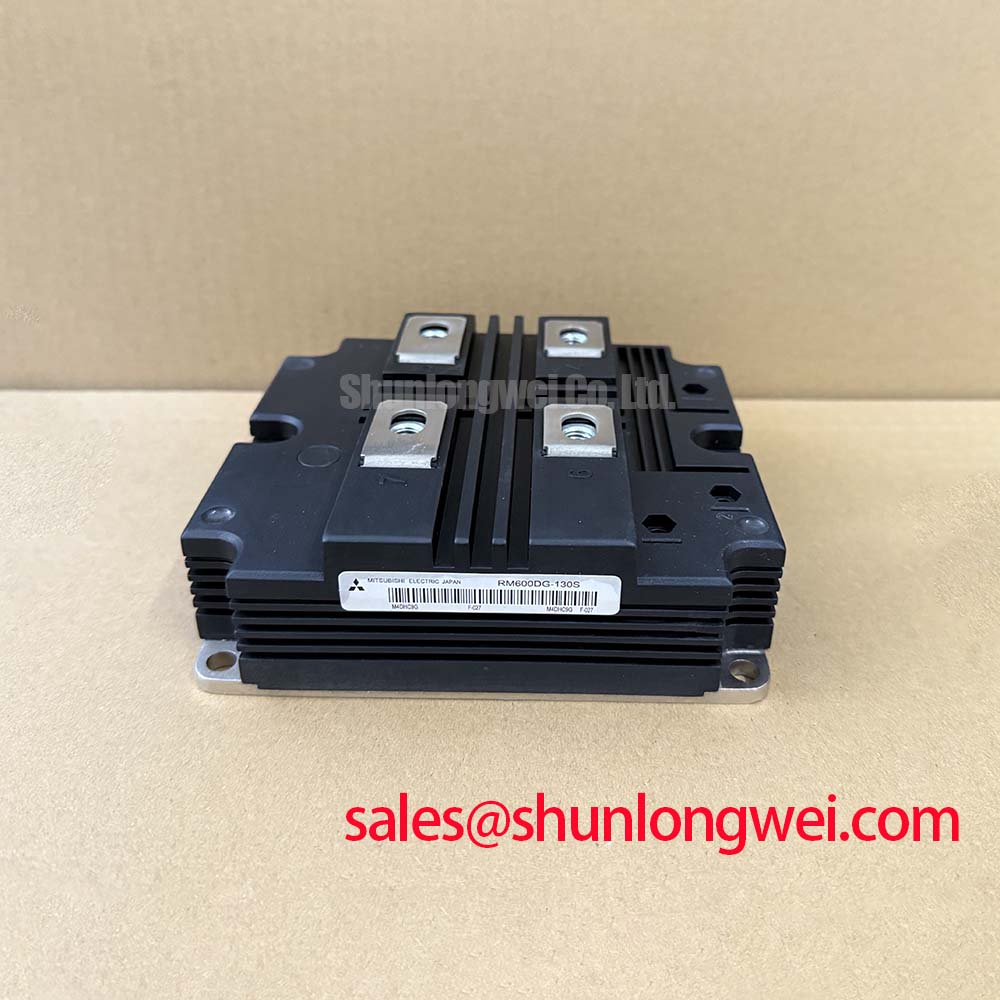
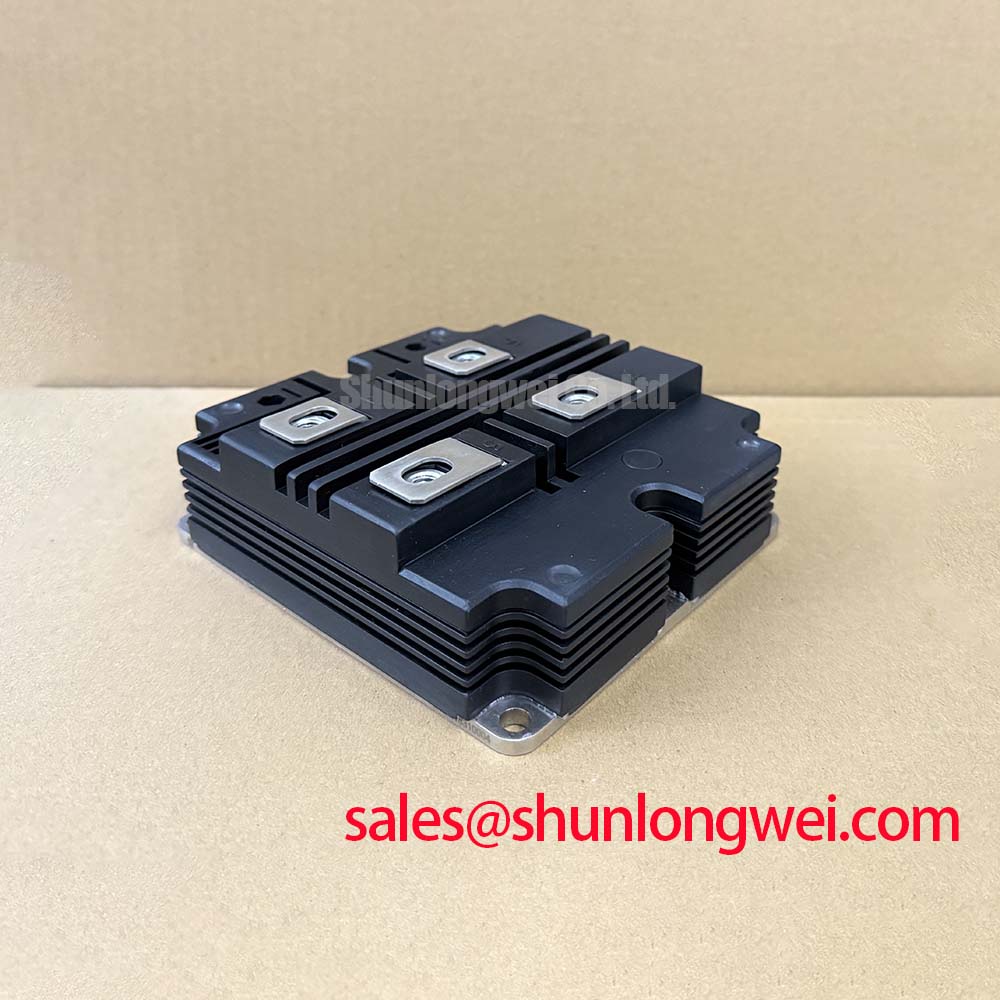
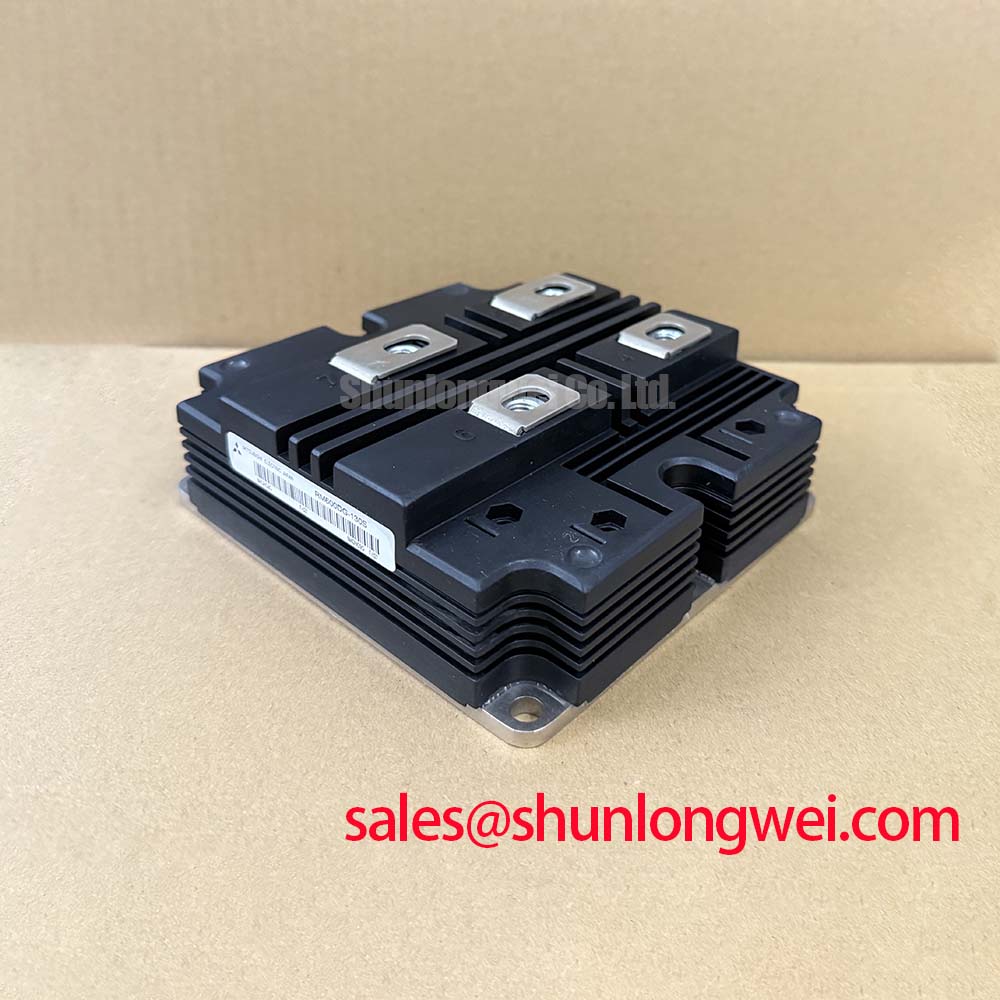
Mitsubishi RM600DG-130S 650V 600A Fast Recovery Diode Module
The Mitsubishi RM600DG-130S is a high-performance Fast Recovery Diode (FRD) module engineered for high-frequency power conversion systems where switching efficiency and thermal stability are non-negotiable. By optimizing the reverse recovery characteristics, this module significantly reduces power loss during high-speed operation, providing a robust solution for demanding industrial environments.
650V | 600A | trr ≤ 0.5μs
This module enables high-frequency efficiency by minimizing reverse recovery charge, directly reducing the switching stress on paired power transistors. Engineers frequently query how the soft-recovery behavior of the RM600DG-130S influences electromagnetic interference (EMI); the answer lies in its tailored junction structure which suppresses voltage spikes during turn-off. For 400V-class systems requiring high current density and minimal thermal overhead, the RM600DG-130S stands as the industry-standard choice.
Key Parameter Overview
Decoding Technical Specifications for Optimized Thermal Design
The RM600DG-130S is defined by its ability to handle massive current loads while maintaining low forward voltage drops. These parameters are critical for calculating total system dissipation and heatsink requirements in high-duty-cycle applications.
| Characteristic | Symbol | Value | Unit |
|---|---|---|---|
| Repetitive Peak Reverse Voltage | VRRM | 650 | V |
| Average Forward Current | IF(AV) | 600 | A |
| Forward Voltage Drop (Max) | VFM | 1.50 | V |
| Reverse Recovery Time (Max) | trr | 0.50 | μs |
| Thermal Resistance (Junction to Case) | Rth(j-c) | 0.06 | °C/W |
| Isolation Voltage | Visol | 2500 | V |
Download the RM600DG-130S datasheet for detailed specifications and performance curves.
Application Scenarios & Value
Driving Performance in High-Frequency Power Electronics
For 400V DC bus systems prioritizing thermal margin, this 650V module is the optimal choice for freewheeling and rectification. In a high-frequency induction heating furnace, the diode must switch at rates exceeding 20kHz. The RM600DG-130S addresses the challenge of "recovery-induced heating" by utilizing its low reverse recovery charge ($Q_{rr}$). If a standard diode were used in this scenario, the accumulated heat from switching losses would lead to catastrophic thermal runaway; however, the 0.5μs trr of the RM600DG-130S ensures the module remains within its Safe Operating Area.
This diode module is frequently paired with high-power IGBTs in high-efficiency power systems to act as a freewheeling diode. For engineers designing systems with higher voltage requirements, such as 3300V traction inverters, the RM600DY-66S provides a necessary upward migration in voltage capability. The integration of the RM600DG-130S into Uninterruptible Power Supplies (UPS) and large-scale welding equipment leverages its 2500V isolation to ensure safety and EMI compliance in compact chassis designs.
Technical & Design Deep Dive
Advanced Soft-Recovery Logic for Reduced System Noise
The engineering significance of the RM600DG-130S extends beyond its current rating to its "softness factor." Think of the diode’s turn-off phase like a high-speed car braking; a standard diode stops abruptly, causing a "jolt" (voltage spike), whereas the RM600DG-130S is designed to decelerate smoothly. This soft-recovery characteristic is vital because it prevents high-frequency oscillations that interfere with control circuitry.
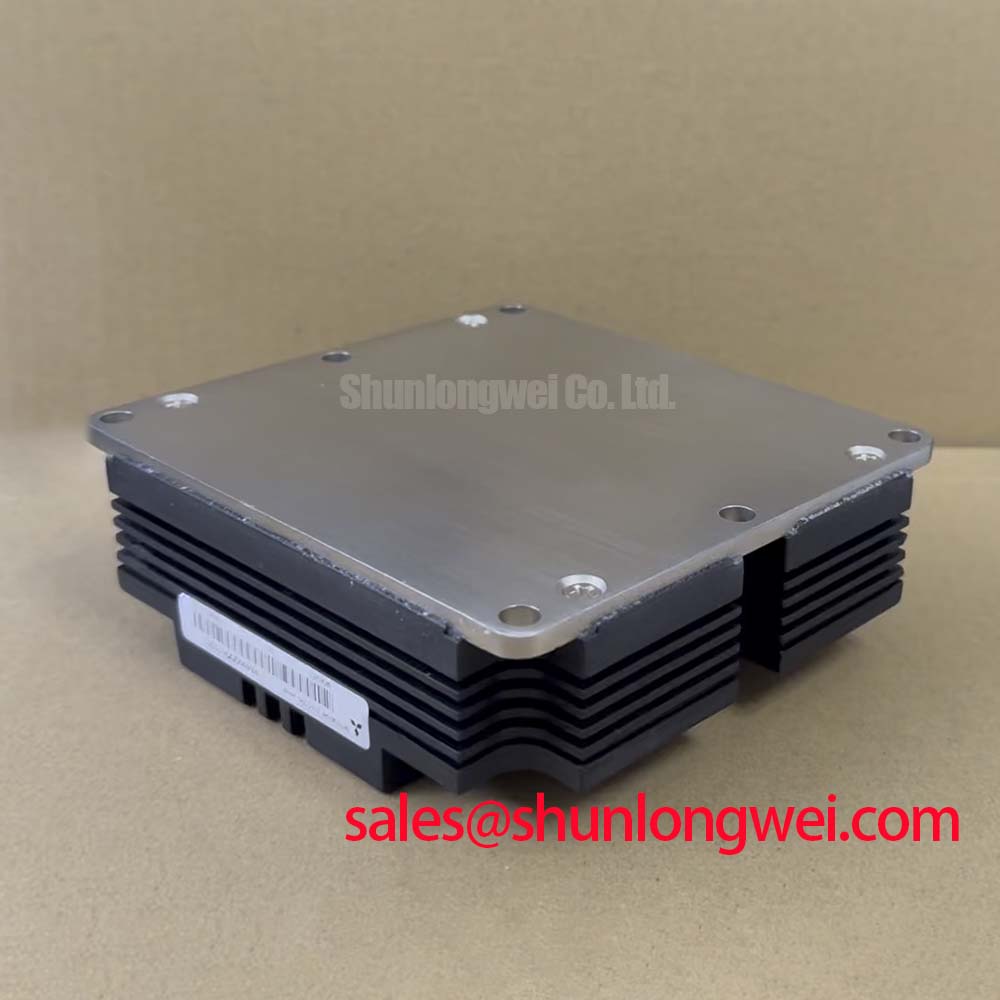
By maintaining a low Rth(j-c) of 0.06 °C/W, the module allows for efficient heat transfer to the cooling plate. This is achieved through a specialized ceramic isolation layer that balances electrical insulation with high thermal conductivity. Understanding thermal resistance is essential when operating at the 600A limit, as even minor increases in case temperature can shift the forward voltage characteristics, affecting current sharing in parallel configurations.
Industry Insights & Strategic Advantage
Future-Proofing Heavy Industry Through Efficient Rectification
As global industrial standards shift toward Industry 4.0 and carbon neutrality, the demand for high-efficiency power conversion has never been higher. The RM600DG-130S represents a mature, highly reliable Si-based technology that bridges the gap between traditional slow-rectifiers and expensive wide-bandgap solutions. In massive renewable energy plants, these modules serve as the backbone of the DC rectification stage, where long-term reliability is prioritized over the extreme speeds of GaN or SiC.
Strategic adoption of such modules allows manufacturers to comply with strict energy efficiency regulations without the complexity of redesigning for new semiconductor materials. The reliability of Mitsubishi’s manufacturing process ensures consistent performance across thousands of cycles, a critical factor for wind-to-grid conversion and heavy industrial drives.
Frequently Asked Questions
Engineering Guidance for the RM600DG-130S
How does the 0.06 °C/W thermal resistance influence heatsink selection?
The ultra-low Rth(j-c) means that for every 100W of power dissipated, the junction temperature rises only 6°C above the case temperature. This allows engineers to use smaller heatsinks or operate at higher ambient temperatures while maintaining a safe junction temperature, ultimately increasing power density.
What is the primary benefit of the soft-recovery design in this module?
It significantly reduces the $dv/dt$ and $di/dt$ during the reverse recovery phase. This minimizes the need for heavy snubber circuits and reduces high-frequency EMI, which is essential for maintaining signal integrity in sensitive Servo Drive control loops.
Can the RM600DG-130S be used in 480V AC rectification?
While the 650V VRRM provides some margin for a 480V line, it is generally considered tight for industrial transients. For 480V systems, engineers often look for 1200V-rated modules to provide a robust safety buffer against line surges.
Why is trr ≤ 0.5μs critical for high-frequency welding power supplies?
In welding, high-frequency switching is used to stabilize the arc. A trr of 0.5μs ensures that the diode can turn off fast enough to prevent "shoot-through" currents, which would occur if the diode remained conductive when the opposing switch turned on.
As a professional distributor, we facilitate the engineering evaluation process by providing verified data for the RM600DG-130S. Our technical team supports OEM procurement by ensuring that these specifications align with your specific system reliability requirements.