Content last revised on October 3, 2025
SDM400GAL124D: 1200V IGBT for Thermal Stability & Reliability
A Foundation for Enduring Power Systems
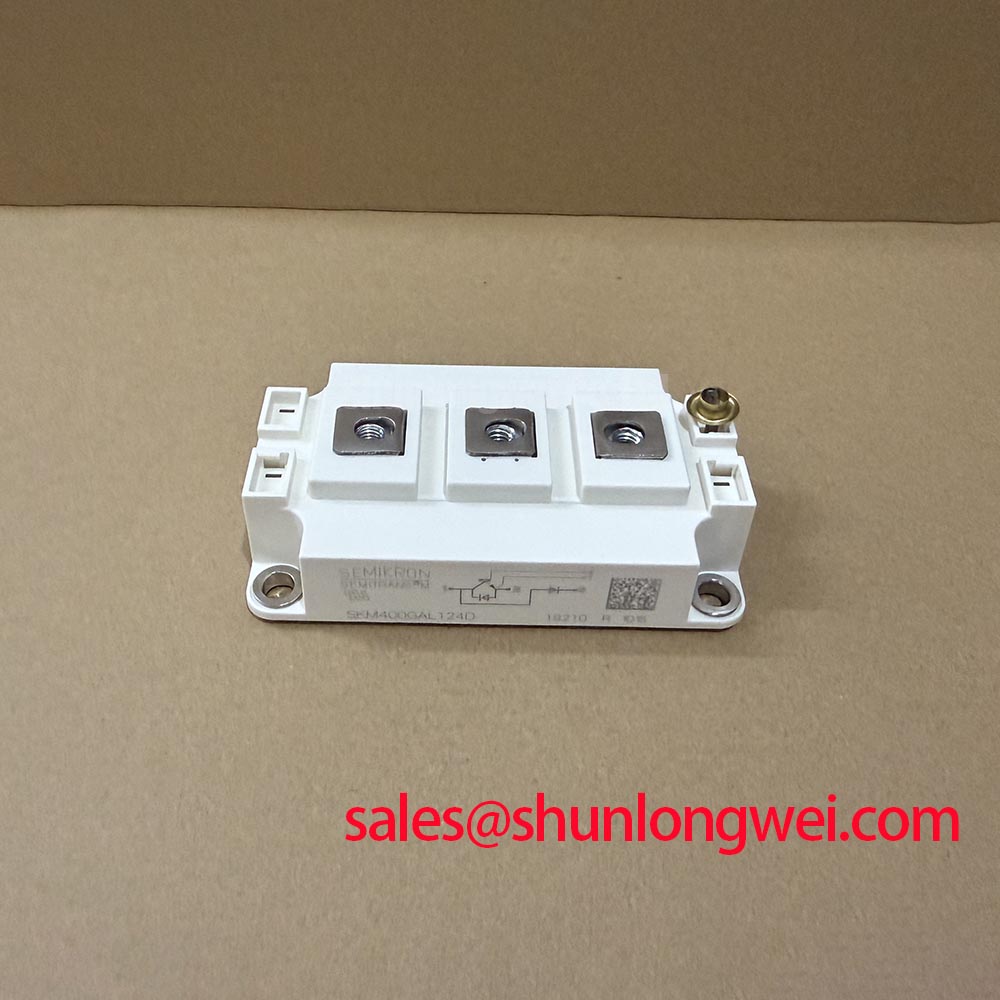
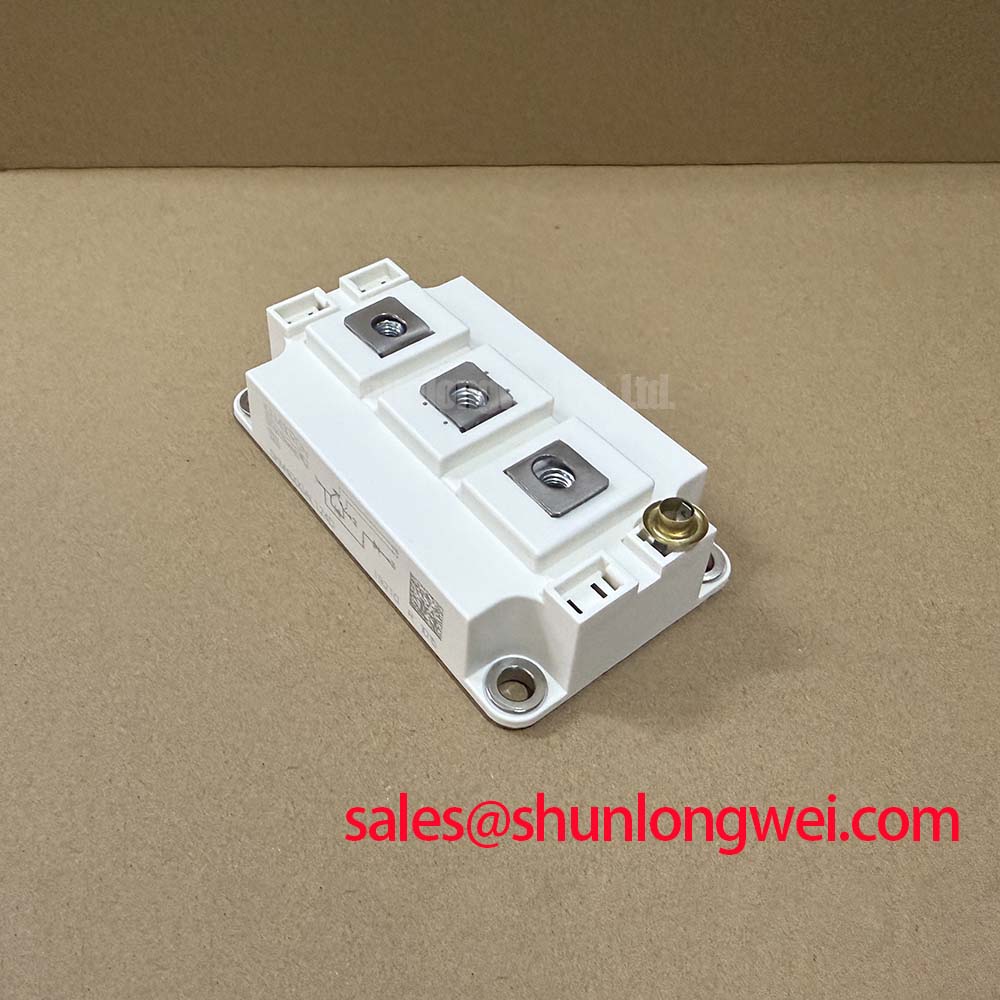
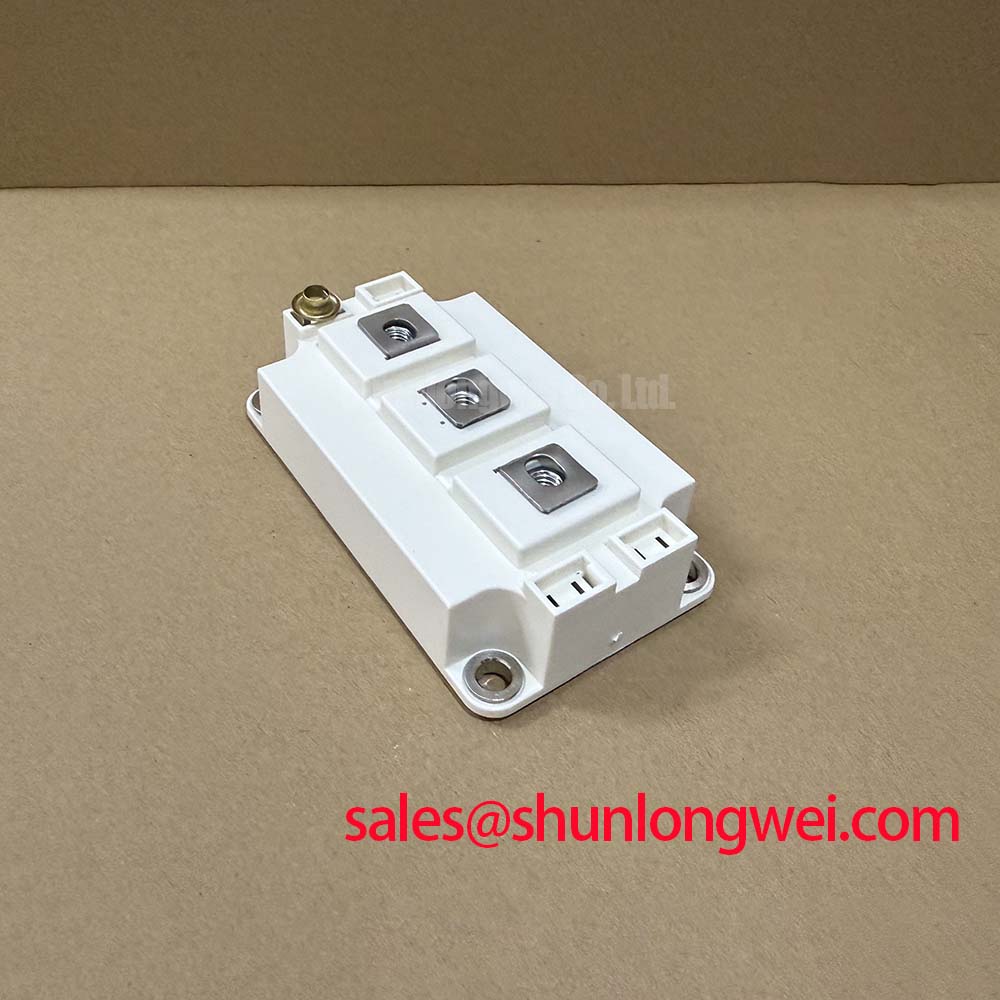
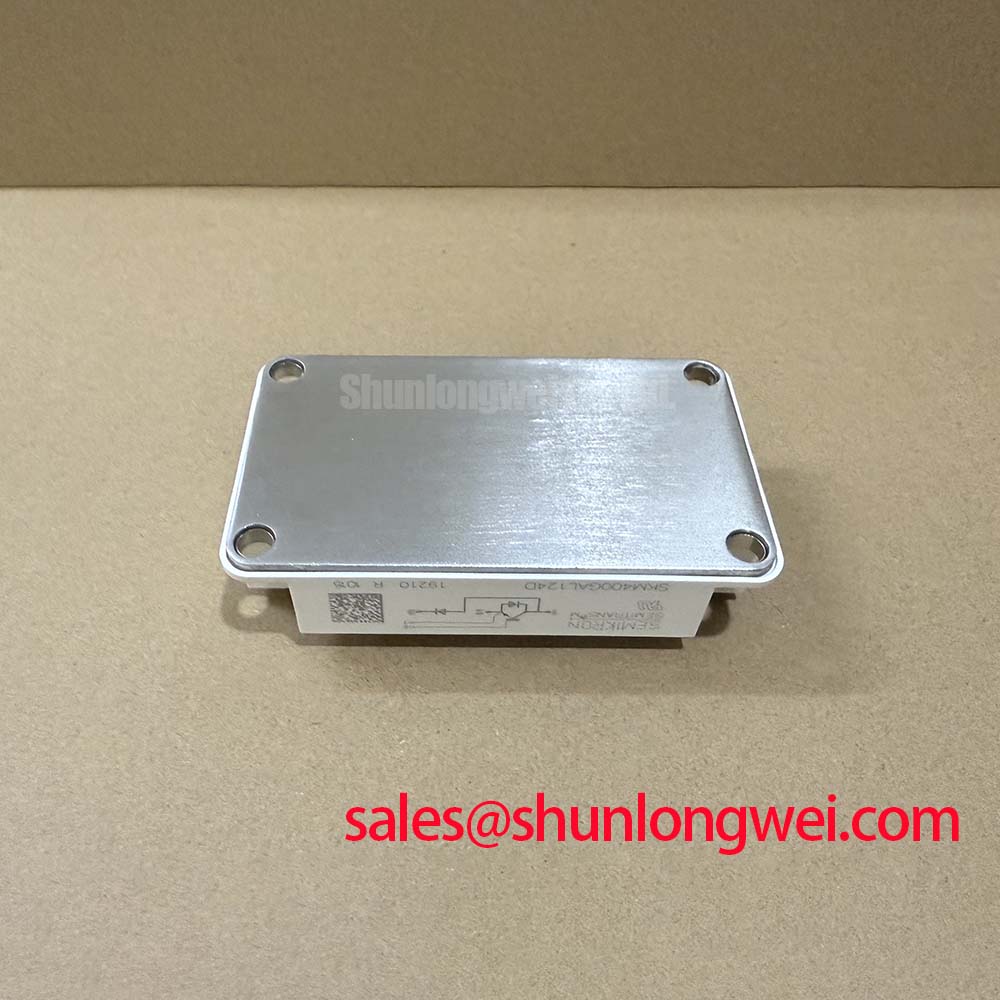
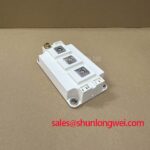
In high-power applications like industrial motor drives and renewable energy systems, managing heat is a primary factor in determining long-term reliability. The Starpower SDM400GAL124D is a single-switch IGBT module engineered for superior thermal performance and extended operational lifespan under strenuous conditions. With key specifications of 1200V | 400A | Rth(j-c) 0.1 K/W, this device offers exceptional heat dissipation and robust construction. Its design delivers two primary engineering benefits: superior thermal performance and an enhanced operational lifespan. For engineers wondering how efficiently this module dissipates heat, its exceptionally low thermal resistance from junction to case (0.1 K/W for the IGBT) provides a direct path for waste heat, simplifying thermal design and improving system durability.
Meeting Modern Power Density and Longevity Demands
The push towards more compact and powerful inverters places significant stress on power components. Increased power density inevitably leads to higher thermal loads. The SDM400GAL124D directly addresses this challenge through its advanced thermal design. The module's low thermal resistance is not merely a number; it is a critical enabler for designers aiming to meet stringent efficiency standards like IE3/IE4 for motors. By effectively evacuating heat from the semiconductor junction, the module maintains a lower operating temperature, which in turn preserves its electrical efficiency and significantly slows down aging mechanisms. This focus on thermal management supports the creation of power conversion systems with a lower total cost of ownership, driven by reduced needs for oversized cooling systems and fewer maintenance cycles over the product's lifetime.
Datasheet-Verified Performance Metrics for System Evaluation
Technical evaluation requires verified data. The parameters for the SDM400GAL124D are based on the manufacturer's official documentation, providing a solid foundation for your design and simulation work. For a deeper understanding of how thermal characteristics influence system reliability, explore our guide on unlocking IGBT thermal performance.
Interpreting Key Specifications
- Thermal Resistance (Rth(j-c)): The SDM400GAL124D specifies a very low thermal resistance for the IGBT at 0.1 K/W and 0.17 K/W for the diode. This metric acts like the width of a highway for heat. A lower value signifies a wider, less restrictive path for thermal energy to travel from the active silicon die to the module's baseplate. This superior heat transfer capability is fundamental to keeping the junction temperature low, directly contributing to the device's reliability and longevity.
- Short-Circuit Withstand Time (tsc): This module is rated for a minimum of 10 microseconds of short-circuit withstand time at Tj = 150°C. This is a crucial safety parameter, defining the duration the IGBT can survive a direct short-circuit event before catastrophic failure. This 10µs window provides essential time for protection circuits to detect the fault and safely shut down the system, preventing cascading damage. You can learn more about this critical safety feature from resources on Short-Circuit Withstand Time.
| Electrical Characteristics (IGBT) | |
|---|---|
| Collector-Emitter Voltage (Vces) | 1200V |
| Continuous Collector Current @ Tc=100°C (Ic) | 400A |
| Collector-Emitter Saturation Voltage @ Ic=400A, Tj=125°C (VCE(sat)) | 1.90V (Typ.) |
| Gate-Emitter Voltage (VGES) | ±20V |
| Thermal and Mechanical Characteristics | |
| Thermal Resistance, Junction-to-Case (IGBT) | 0.1 K/W (Max) |
| Thermal Resistance, Junction-to-Case (Diode) | 0.17 K/W (Max) |
| Operating Junction Temperature (Tvjop) | -40°C to +150°C |
| Isolation Voltage (Visol) | 4000V (AC, 1 minute) |
Note: These parameters are provided for reference. For complete and verified data, please download the official SDM400GAL124D datasheet.
Deployment Scenarios Where Thermal Endurance is Critical
The robust thermal design of the Starpower SDM400GAL124D makes it a strong candidate for power conversion systems where operational stability and a long service life are non-negotiable. Its characteristics provide distinct advantages in several key areas.
- Variable Frequency Drives (VFDs): In VFDs, especially those in continuous operation or harsh industrial environments, the module's high power cycling capability and low thermal resistance help prevent premature failure from thermal fatigue.
- Solar Inverters: Central solar inverters experience fluctuating power generation based on sunlight, leading to thermal cycling. The SDM400GAL124D's design helps ensure reliable energy conversion day after day.
- Uninterruptible Power Supplies (UPS): For data centers and critical infrastructure, the reliability of a UPS is paramount. This module's durable construction and stable thermal performance provide the assurance needed for these systems.
- Welding Power Supplies: The high-current pulses and demanding duty cycles in welding applications benefit from the module's low conduction losses (VCE(sat)) and ability to manage thermal spikes effectively.
For high-power servo systems where precision and uptime are key, the SDM400GAL124D also offers the required robustness. What is the main benefit of its low VCE(sat)? Lower conduction losses, which translates to higher system efficiency. Given its 400A rating and excellent thermal dissipation, this module is the optimal choice for high-reliability inverters up to 150kW where managing component temperature is a primary design constraint.
Field Perspective: Reliability in High-Cycle Operations
Consider a material handling system with robotic arms that are constantly starting, stopping, and lifting heavy loads. The servo drives in such a system subject their IGBTs to thousands of power and thermal cycles per hour. In this environment, a module like the SDM400GAL124D, with its specified high power cycling capability, is engineered to withstand the mechanical stresses induced by these temperature fluctuations. This design consideration helps to mitigate common failure modes like bond wire lift-off and solder layer cracking, contributing to reduced downtime and a more predictable maintenance schedule for the entire automated system. For further reading on preventing common issues, see our analysis on IGBT failure modes.
Data-Informed Component Selection: SDM400GAL124D Profile
When evaluating power modules, it is essential to compare them based on the specific requirements of your application. The SDM400GAL124D offers a well-defined set of features centered on thermal stability. For systems that may require higher current handling, a module such as the SKM500GA124D provides a nominal current of 500A. The selection between these two would depend on a trade-off analysis: the SDM400GAL124D is optimized for 400A systems with a focus on maximizing thermal headroom and reliability, while the SKM500GA124D would be considered for designs where pushing past the 400A threshold is a primary requirement. This decision should be guided by a thorough analysis of the system's load profile and cooling capacity.
An Engineering Analysis of the Module's Core Construction
The performance of the SDM400GAL124D is rooted in its fundamental design and the technologies it employs. Two key constructional features contribute to its overall reliability and ease of integration.
4th Generation Trench Gate Field-Stop Technology
This module utilizes an advanced IGBT die structure. The "Trench Gate" design allows for a higher channel density, which helps to reduce the on-state voltage drop (VCE(sat)). The "Field-Stop" layer is crucial for achieving a better trade-off between VCE(sat) and switching losses (Eoff), especially at the 1200V rating. This combination results in a device that is more efficient in both conducting and switching states, reducing the total waste heat generated.
Isolated Copper Baseplate
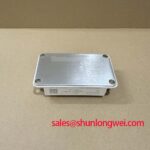
The module is built on an isolated copper baseplate, which offers two distinct engineering advantages. First, copper's high thermal conductivity ensures efficient heat spreading from the die to the baseplate. Second, the built-in isolation (rated to 4000V) simplifies the mechanical assembly process. Engineers do not need to procure and install separate, fragile thermal insulating pads, which reduces assembly time, lowers part count, and eliminates a potential point of thermal failure. This integrated approach enhances both the thermal performance and the mechanical ruggedness of the final system.
Procurement and Technical Documentation
To facilitate your design and evaluation process, we encourage you to review the official datasheet. It contains the complete set of electrical and thermal characteristics, package dimensions, and application guidelines necessary for accurate system modeling and layout. Please use the link below to access the documentation and support your procurement decisions with definitive technical data.