




Content last revised on September 10, 2026
Fuji Electric 1MBI600PX-140: A High-Current 1400V IGBT Module Engineered for Thermal Efficiency and System Reliability
Introduction: High-Power Performance Defined by Low Losses
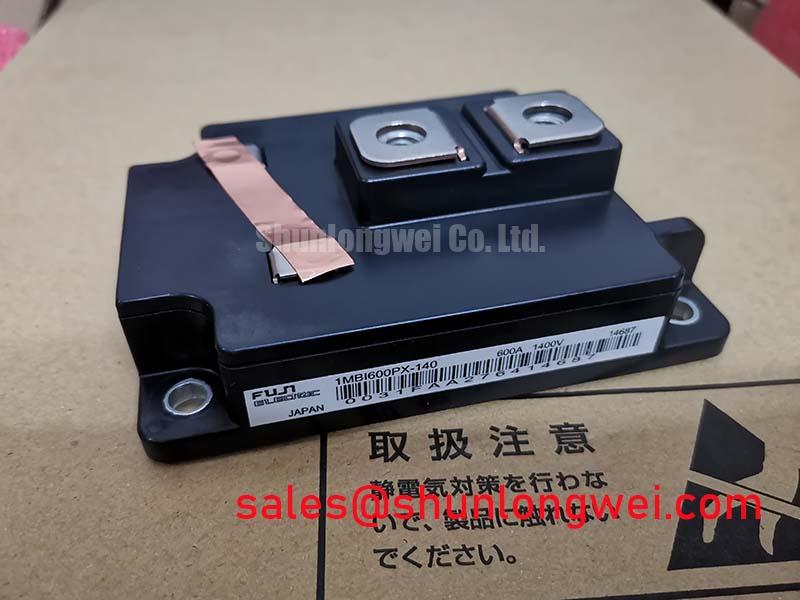
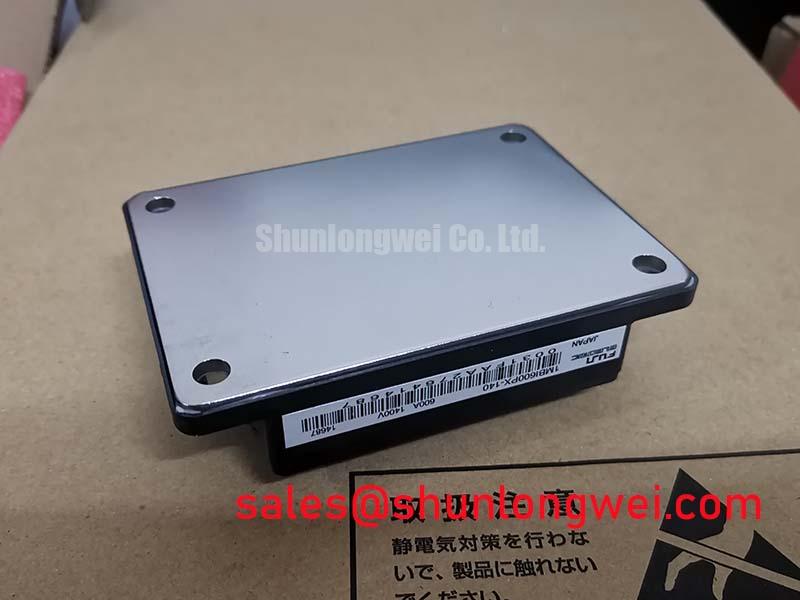
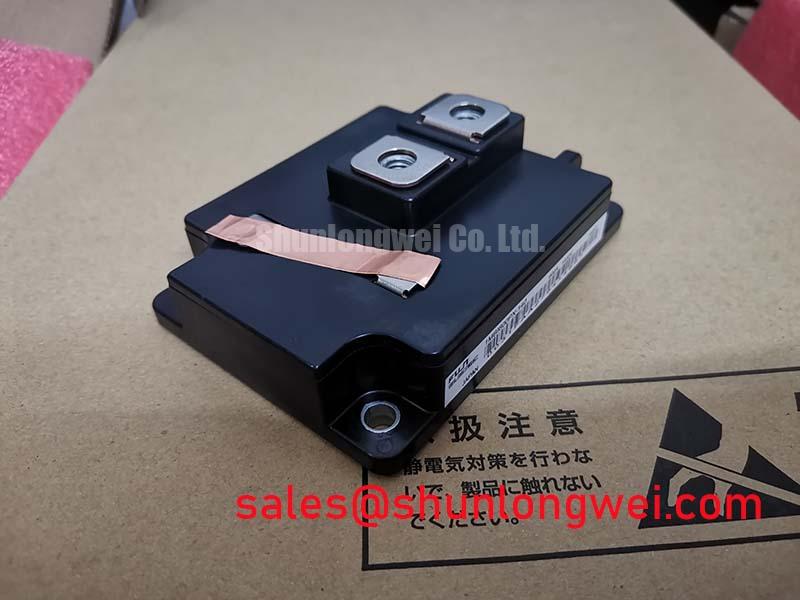
The Fuji Electric 1MBI600PX-140 is a high-power single IGBT module engineered for applications demanding robust performance and high operational efficiency. It delivers a formidable combination of 1400V | 600A | Vce(sat) of 2.7V (max), providing substantial design margin for high-power systems. Key engineering benefits include significantly reduced conduction losses and enhanced thermal stability. This module directly addresses the challenge of managing heat in high-current applications by minimizing waste heat generation at the source, simplifying overall thermal design. For high-power industrial drives and inverters where efficiency and long-term reliability are paramount, the 1MBI600PX-140's low-loss characteristic makes it a strategically sound choice.
Key Parameter Overview
Decoding the Specs for Enhanced Thermal Performance
The specifications of the 1MBI600PX-140 are tailored for demanding, high-power switching applications. The balance between its high voltage and current ratings and its low conduction loss metrics is central to its value in modern power conversion systems.
| Parameter | Symbol | Test Conditions | Value |
|---|---|---|---|
| Collector-Emitter Voltage | Vces | - | 1400V |
| Gate-Emitter Voltage | Vges | - | ±20V |
| Continuous Collector Current (DC) | Ic | Tc = 80°C | 600A |
| Pulsed Collector Current | Icp | 1ms pulse | 1200A |
| Collector-Emitter Saturation Voltage | Vce(sat) | Ic = 600A, Vge = 15V | 2.7V (Max) |
| Forward Voltage (FWD) | Vf | If = 600A | 2.9V (Max) |
| Thermal Resistance (Junction-to-Case, IGBT) | Rth(j-c) | - | 0.042 °C/W |
| Operating Junction Temperature | Tj | - | +150°C |
Download the 1MBI600PX-140 datasheet for detailed specifications and performance curves.
Application Scenarios & Value
System-Level Benefits in High-Power Motor Drives and Inverters
The 1MBI600PX-140 is optimized for high-power conversion systems where efficiency and robust thermal performance are critical design drivers. Its primary applications include large-capacity industrial equipment.
- Industrial Motor Drives: In high-power Variable Frequency Drive (VFD) systems controlling motors upwards of 250 kW, minimizing power loss is essential. The low Vce(sat) of this module directly reduces conduction losses, which are a dominant factor at high currents. This translates to lower operating temperatures, simplified heatsink requirements, and improved system reliability.
- Renewable Energy Inverters: For large-scale solar inverters and wind turbine converters, maximizing energy yield is the ultimate goal. The high efficiency enabled by the 1MBI600PX-140 ensures that more of the generated power is delivered to the grid instead of being dissipated as heat. Its 1400V rating provides a safe operating margin for systems connected to high voltage DC buses.
- Uninterruptible Power Supplies (UPS): In data centers and industrial facilities, large UPS systems must operate reliably and efficiently. The 600A current handling capacity allows this module to serve as the core switching component in high-kVA UPS inverters, providing dependable power with minimal energy waste.
While the 1MBI600PX-140 is specified for 1400V applications, for systems requiring a standard 1200V blocking voltage, the related 1MBI600PX-120 offers a comparable current rating within that voltage class.
Technical Deep Dive
The Engineering Impact of Low Vce(sat) on Thermal Design
The Collector-Emitter Saturation Voltage, or VCE(sat), is a critical parameter that defines the voltage drop across the IGBT when it is fully turned on. The maximum rating of 2.7V for the 1MBI600PX-140 at its nominal 600A current is a key performance indicator. This value has a direct, calculable impact on conduction power loss (Pcond ≈ Vce(sat) × Ic), which is a primary source of heat generation in the module.
What is the primary benefit of a low Vce(sat)? It directly enhances system efficiency and simplifies thermal management. Think of Vce(sat) as an unavoidable "energy tax" paid every time current flows through the switch. A lower tax means less energy is diverted from the load and wasted as heat. For a system designer, this reduction in generated heat can lead to a smaller, lighter, or lower-cost heatsink, potentially eliminating the need for more complex liquid cooling solutions and increasing the overall power density of the final product.
Frequently Asked Questions (FAQ)
What is the direct engineering benefit of the 1MBI600PX-140's low Vce(sat) value?
Its primary benefit is reduced conduction power loss. At 600A, a lower Vce(sat) significantly decreases the amount of heat the module generates during operation, which improves overall inverter efficiency and can reduce the cost and size of the required cooling system.
How does the 1400V blocking voltage rating influence its application suitability?
The 1400V Vces rating provides a substantial safety margin for systems with high DC bus voltages, commonly found in industrial applications or renewable energy systems. This enhances the module's resilience against voltage spikes and transients on the power line, contributing to long-term system reliability.
Given its high current rating, what are the key considerations for the gate drive circuit?
A 600A IGBT module requires a robust gate driver capable of supplying high peak currents to charge and discharge the gate capacitance quickly and efficiently. This ensures clean switching transitions and minimizes switching losses. A driver with a Kelvin Emitter connection is recommended to mitigate the effects of stray inductance in the emitter path for optimal performance.
Strategic Component Selection
Meeting Demands for Higher Power and Efficiency
Selecting the 1MBI600PX-140 from Fuji Electric is a strategic decision for projects where power density, energy efficiency, and operational robustness are key competitive advantages. This IGBT module provides the foundational performance required to develop next-generation power conversion equipment that is more compact, more efficient, and more reliable. Its design addresses core engineering challenges in the high-power sector, enabling designers to meet increasingly stringent energy standards and market expectations for long-term value.