


Content last revised on August 28, 2026
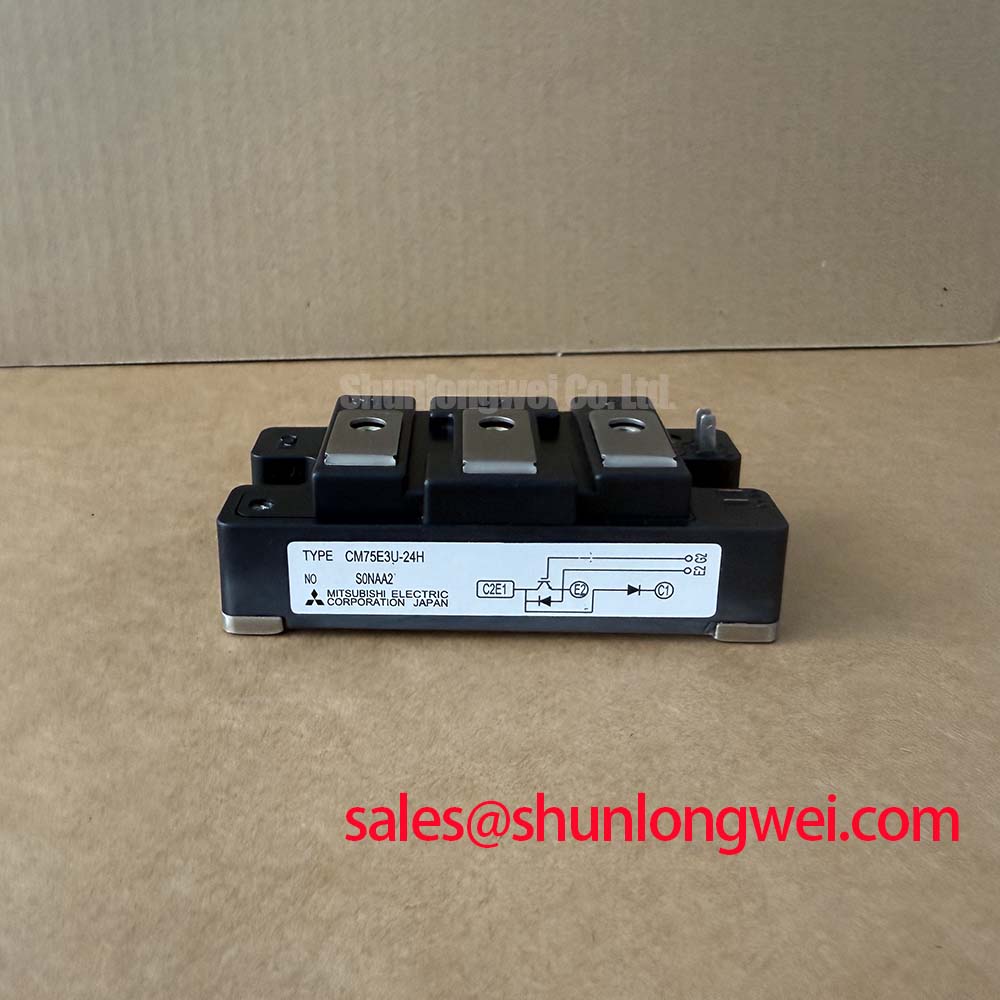
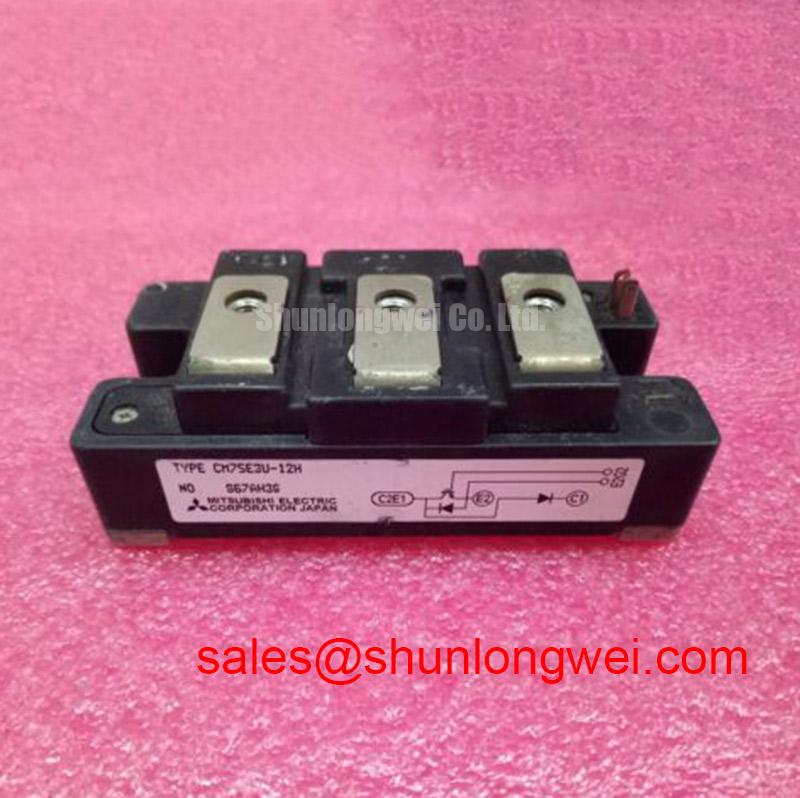
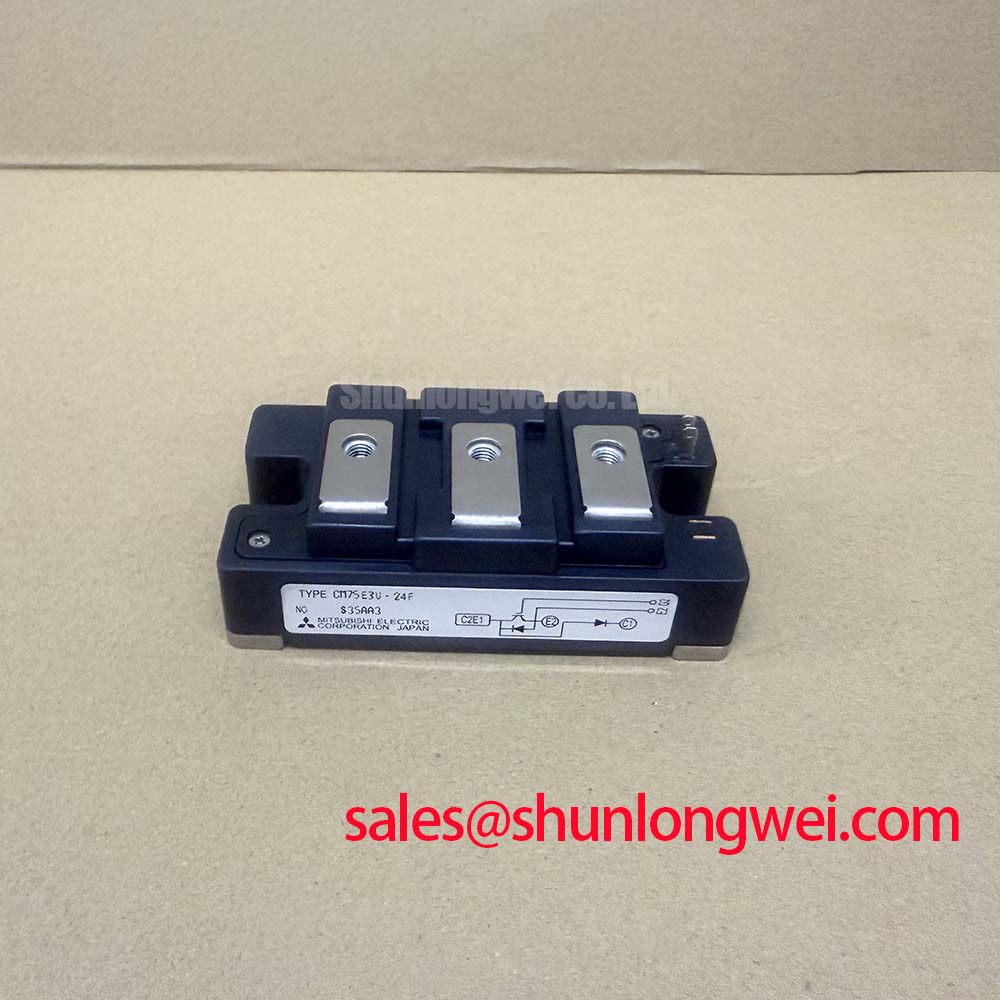
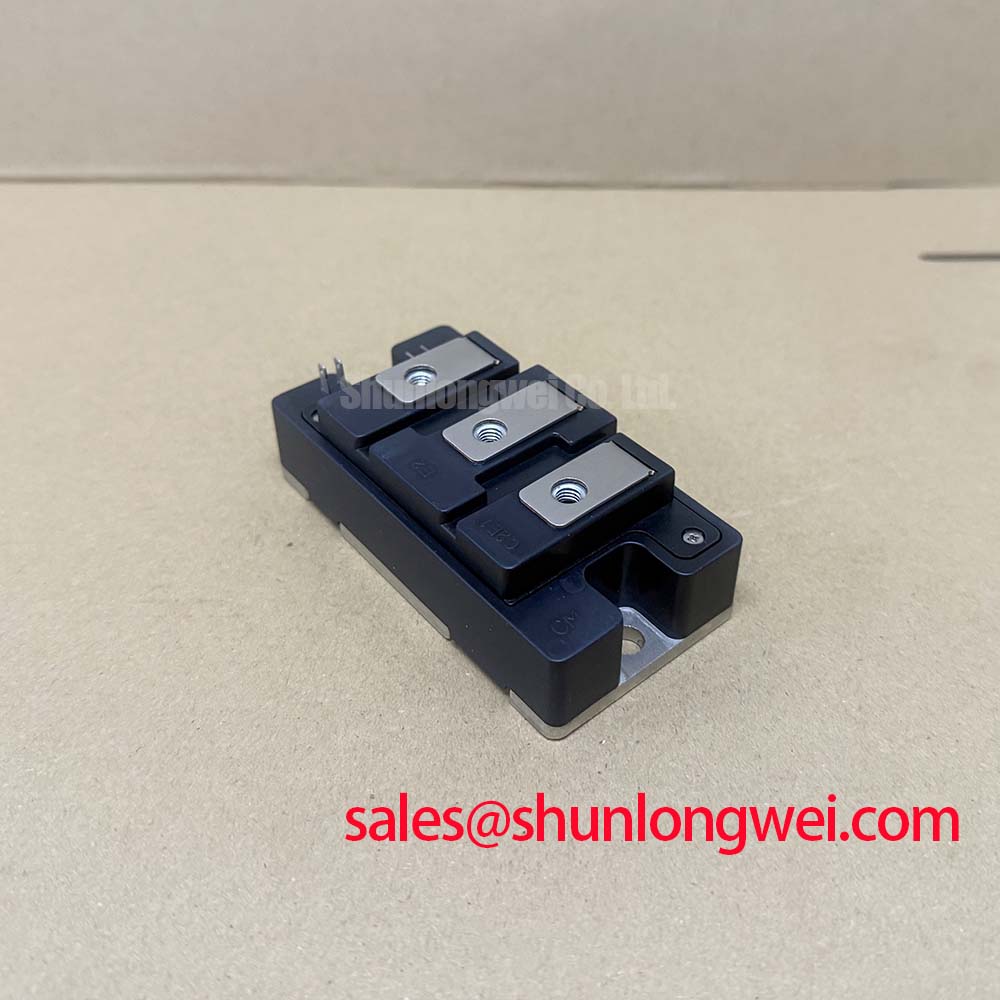
Mitsubishi CM75E3U-24F IGBT Module: 1200V 75A F-Series
Engineered for superior thermal management, the Mitsubishi CM75E3U-24F F-Series IGBT Module ensures long-term reliability in demanding applications. This component delivers robust power switching by focusing on efficient heat dissipation, a cornerstone of system longevity. Featuring top specifications of 1200V | 75A | Rth(j-c) 0.25°C/W, it provides key benefits like simplified thermal design and enhanced operational stability. For engineers questioning how to simplify heatsink assembly while ensuring electrical safety, the module's integrated insulated baseplate provides a direct solution, eliminating the need for extra isolation layers and improving thermal transfer.
Strategic Thermal Design for Industrial Longevity
In modern power electronics, particularly within the industrial sector, the trend is towards higher power density and greater operational efficiency. This evolution places immense stress on thermal management systems. The design philosophy behind the Mitsubishi CM75E3U-24F directly addresses this challenge. Its architecture is optimized to facilitate efficient heat transfer from the IGBT junction to the heatsink. This focus on thermal performance is not just about preventing overheating; it's a strategic approach to extending the service life of both the component and the end system, such as a Variable Frequency Drive (VFD). By maintaining lower operating temperatures, the module mitigates thermally induced failure mechanisms, supporting the move towards more durable and dependable industrial automation and power conversion equipment.
Core Applications Demanding Thermal Stability
The CM75E3U-24F is specified for high-power switching applications where consistent performance under thermal load is a primary engineering requirement. Its robust thermal characteristics make it a suitable component for a range of industrial systems.
- Industrial Motor Drives: In VFDs and Servo Drives, the module's ability to handle continuous power cycles while efficiently managing heat is critical for precise motor control and long-term operational reliability.
- Uninterruptible Power Supplies (UPS): For high-availability systems, the module's stable thermal performance ensures that the UPS can deliver clean, reliable power without succumbing to thermal stress during critical load conditions.
- Welding Power Supplies: The high peak currents and demanding duty cycles inherent in welding applications require components that can dissipate heat rapidly. The low thermal resistance of this module is advantageous in these designs.
- General Purpose Inverters: The module serves as a foundational building block for various power conversion tasks that require a balance of efficiency and durability. For systems requiring higher current handling, the related CM150DU-24F offers a 150A rating in a similar voltage class.
What is the main advantage of its low thermal resistance? It allows for smaller heatsink designs or greater power throughput, directly impacting system cost and size. For applications requiring robust thermal headroom and 75A continuous current, this module's design provides an optimal foundation.
Key Specifications for Thermal Performance Analysis
The following parameters are central to evaluating the CM75E3U-24F for your power system design. This data is extracted from the official manufacturer's datasheet, which is available for download to support your engineering assessment.
| Parameter | Symbol | Value |
|---|---|---|
| Collector-Emitter Voltage | VCES | 1200 V |
| Collector Current (DC) | IC | 75 A |
| Collector-Emitter Saturation Voltage | VCE(sat) | 2.70 V (Typical) |
| Thermal Resistance (Junction to Case, IGBT) | Rth(j-c) | 0.25 °C/W |
| Maximum Junction Temperature | Tj max | 150 °C |
| Isolation Voltage | Viso | 2500 Vrms |
Download the full Datasheet for complete electrical characteristics and performance graphs.
A Closer Look at the Thermally-Optimized Architecture
A deeper analysis of the CM75E3U-24F reveals design choices tailored for reliability. The core of its thermal efficiency lies in its low junction-to-case Thermal Resistance. This parameter, Rth(j-c), acts like a bottleneck for heat flow; the lower the value, the wider the path for heat to escape the semiconductor chip. With a value of 0.25 °C/W, this module provides an efficient conduit for thermal energy, enabling the junction to remain cooler under a given electrical load. For further reading on this critical parameter, explore this guide on Why Rth Matters in Unlocking IGBT Thermal Performance.
Furthermore, the module incorporates an electrically isolated base. This feature simplifies mechanical assembly by allowing the module to be mounted directly onto a grounded heatsink without additional, often thermally-inefficient, insulating pads. This direct mounting path not only streamlines manufacturing but also enhances the overall thermal integrity of the assembly, contributing to predictable and stable system operation over its intended lifespan.
Data for Your Design: CM75E3U-24F in Context
To aid in the design evaluation process, this section provides a factual comparison based on key datasheet parameters. This information is intended to empower engineers and procurement specialists by presenting objective data for analysis. Your final selection should be based on a comprehensive review of your specific application requirements, including thermal, electrical, and mechanical constraints.
Parameter Comparison:
- Mitsubishi CM75E3U-24F:
- VCES: 1200V
- IC: 75A
- VCE(sat) (typ): 2.70V
- Rth(j-c) (IGBT): 0.25 °C/W
- Topology: Single Switch
- For systems where a half-bridge configuration is preferred, consider a part like the BSM75GD120DN2, which offers a 1200V, 75A rating in a dual-switch topology.
The choice between different modules often involves trade-offs. The single-switch topology of the CM75E3U-24F offers maximum flexibility for custom inverter leg designs or chopper applications. When evaluating alternatives, it is crucial to analyze not just the primary ratings but also the thermal resistance and saturation voltage, as detailed in our guide to Decoding IGBT Datasheets.
Future-Proofing Designs with Thermally Resilient Components
As industrial systems become more interconnected and autonomous, the demand for components that guarantee maximum uptime and minimal maintenance will only intensify. The engineering focus on thermal robustness in components like the Mitsubishi CM75E3U-24F is a direct response to this future. By selecting power modules that are fundamentally designed for efficient heat management, design engineers are not just solving today's power conversion challenges but are also building a foundation for the next generation of reliable, high-performance industrial machinery and infrastructure.