Content last revised on September 10, 2026
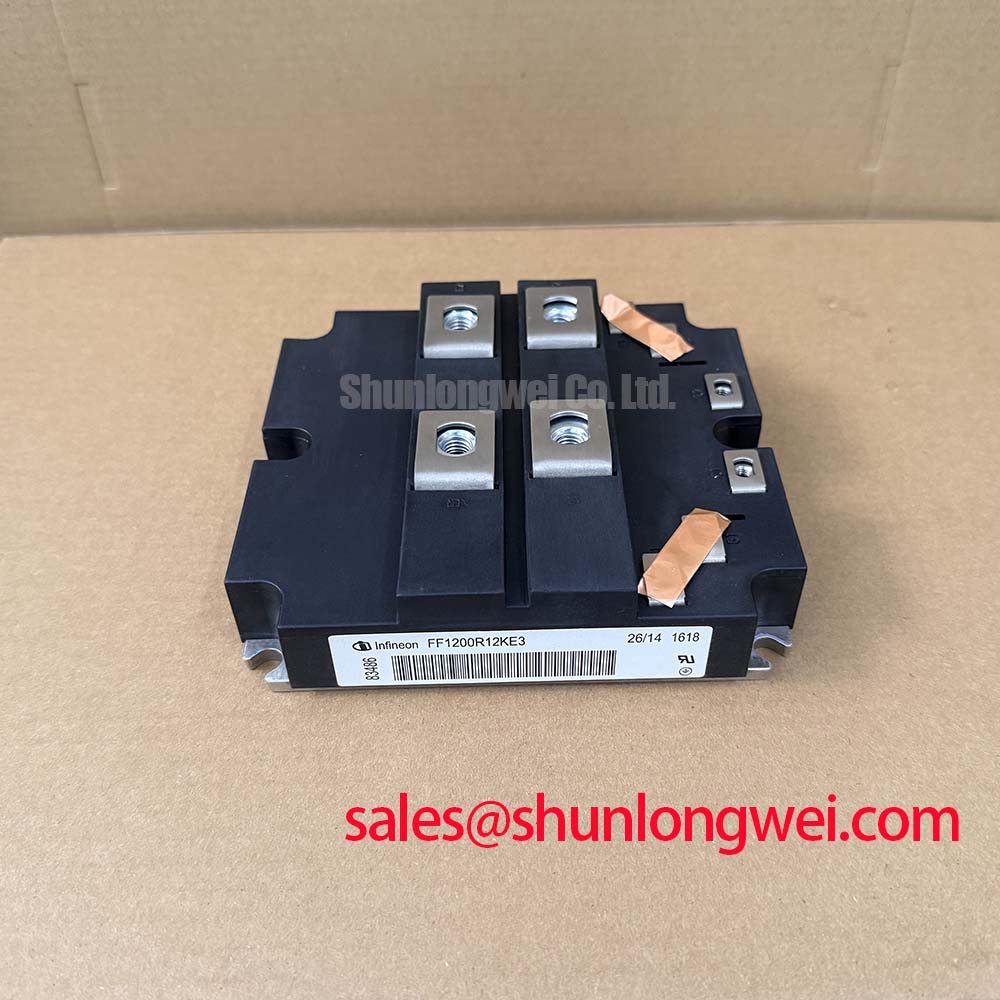
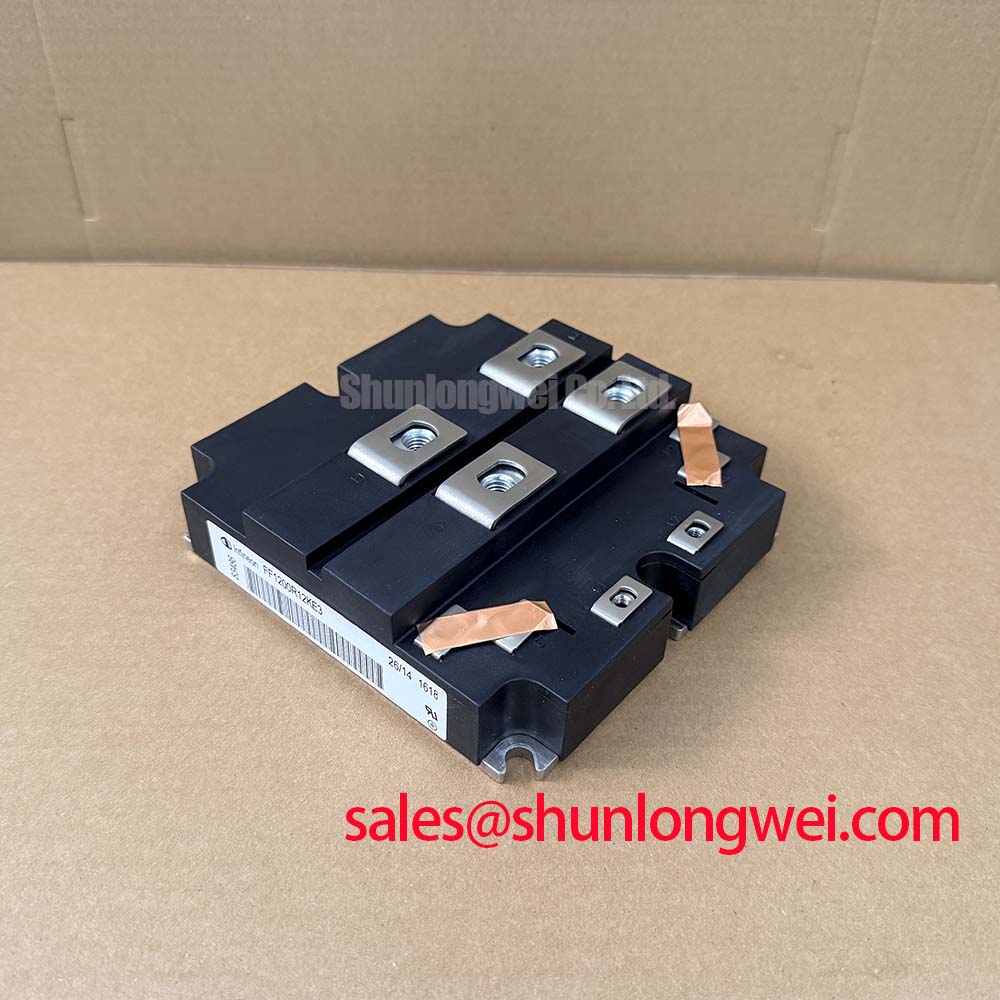
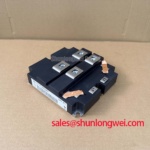
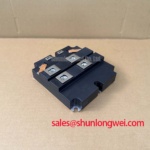
FF1200R12KE3: Empowering MW-Scale Converters with IHM 130mm Trench 3 Technology
The FF1200R12KE3 is a highly integrated 1200V, 1200A dual IGBT Module optimized for heavy-duty industrial switching, significantly lowering conduction losses via an advanced Trench IGBT3 architecture. By delivering a low Vce(sat) of 1.7V and an exceptional Rth(j-c) of 0.013 K/W, this component minimizes thermal stress while enhancing inverter power density. What is the primary benefit of the Trench IGBT3 architecture? It dramatically reduces conduction losses, enabling higher current densities in power converters. For 690V industrial drives demanding substantial thermal headroom, this 1200A module with its CTI > 400 copper baseplate is the optimal choice.
Key Parameter Overview
Highlighting Critical Specs for Thermal and Switching Integrity
To fully evaluate the integration potential of the FF1200R12KE3, engineers must prioritize the interaction between its current-handling capacity and thermal impedance. The table below outlines the core specifications that govern its behavior in continuous, high-load operations.
| Technical Specification | Rated Value | Engineering Impact |
|---|---|---|
| Collector-Emitter Voltage (Vces) | 1200V | Provides sufficient overvoltage margin for 400V to 690V industrial bus networks. |
| Continuous DC Collector Current (Ic) | 1200A | Facilitates megawatt-scale power conversion without requiring extensive component paralleling. |
| Collector-Emitter Saturation Voltage (Vce(sat)) | 1.7V (typical) | Substantially decreases static power dissipation during the active conduction phase. |
| Thermal Resistance Junction to Case (RthJC) | 0.013 K/W | Ensures rapid heat extraction, prolonging semiconductor lifespan under cyclic loading. |
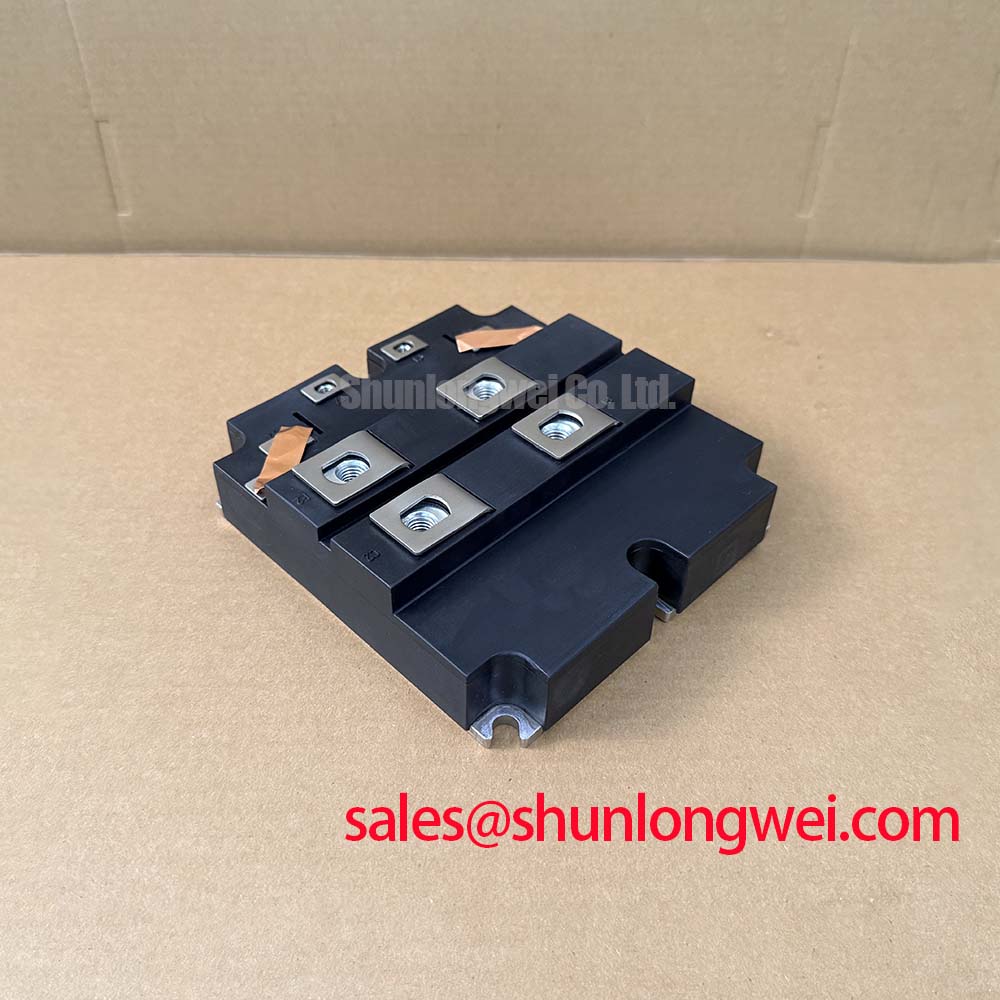
| Package Configuration | IHM 130mm Dual | Delivers structural rigidity and superior electrical isolation via an industrial-grade baseplate. |
Download the FF1200R12KE3 datasheet for detailed specifications and performance curves.
Application Scenarios & Value
Achieving Unmatched Efficiency in High-Power Traction and Grid-Tied Inverters
Engineers frequently confront severe thermal bottlenecks when architecting MW-scale UPS units or massive VFDs. Operating at a continuous 1200A requires a switching component that inherently suppresses both static losses and thermal accumulation. The FF1200R12KE3 addresses this challenge directly. By utilizing its low 1.7V saturation voltage, designers can drastically reduce the heatsink volume required for a grid-tied solar central inverter or a high-capacity traction inverter. This directly translates to lower system weight and simplified cabinet configurations.
Furthermore, compliance with stringent EMC environments, such as those dictated by IEC 61800-3, is supported by the module's stable switching characteristics. While this model is ideal for standard high-power systems, for operations requiring an increased voltage threshold, the related FF1200R17KE3 provides a 1700V rating in a comparable dual-switch footprint. For a broader understanding of how these parameters influence system design, reviewing an in-depth analysis of IGBT modules can provide valuable architectural context.
Technical Deep Dive
Deconstructing the IHM 130mm Architecture and Trench 3 Synergy
The operational superiority of the FF1200R12KE3 stems from the precise integration of its silicon topology and its electromechanical housing. The Trench IGBT3 technology represents a major leap in charge carrier management. Think of this Trench architecture as a vertically expanded highway system; rather than widening the road—which would demand a larger silicon footprint—it digs downward. This creates deeper, highly efficient channels that allow immense currents to flow with minimal resistance, thereby achieving the signature 1.7V Vce(sat).
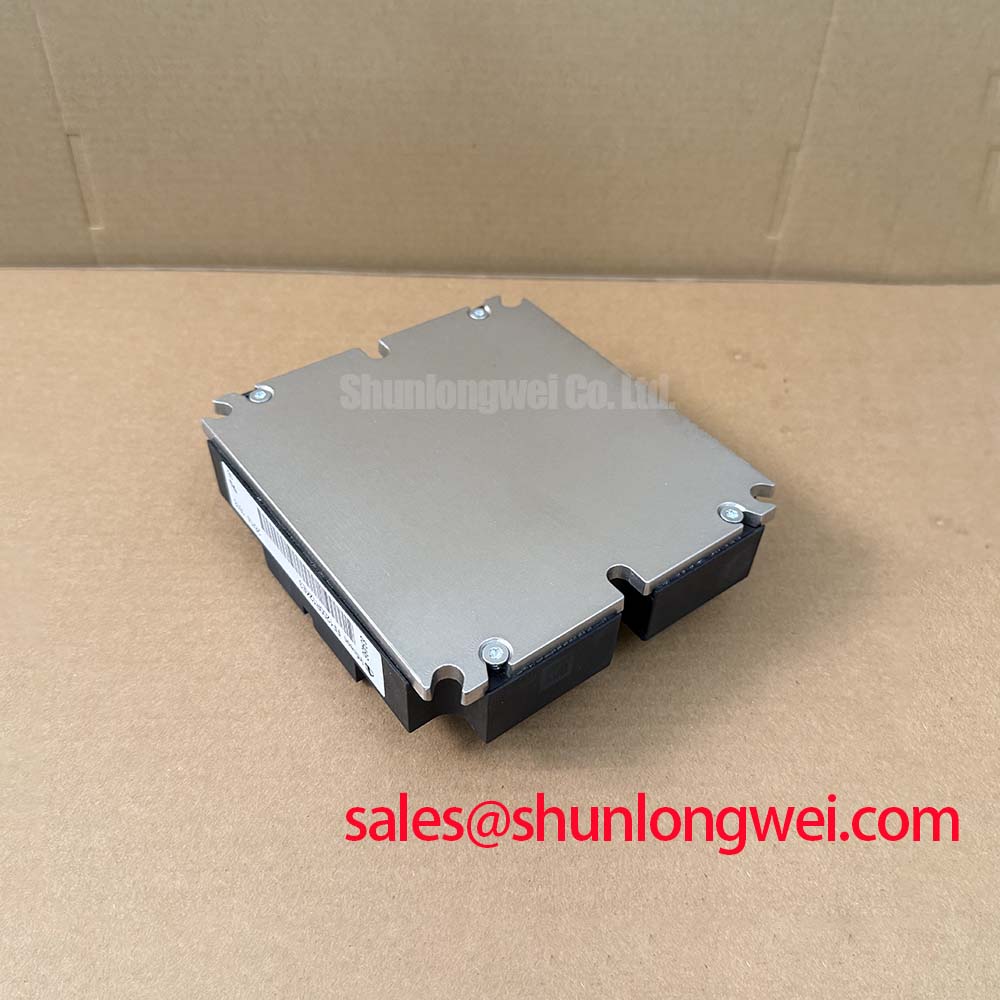
Equally critical is the mechanical execution of the IHM 130mm package. When processing up to 5000W of internal power dissipation, removing heat from the die is paramount. The 0.013 K/W thermal resistance provided by the robust copper baseplate operates much like an industrial heat sponge. It instantly absorbs and disperses localized thermal spikes across a massive surface area before those transients can degrade the semiconductor junctions. Mastering these nuanced thermal metrics is crucial, as outlined in guides for decoding IGBT datasheets, ensuring the module never exceeds its safe operating boundaries.
Frequently Asked Questions
Addressing Core Operational Queries for the 1.2kA Module
- How does the 1.7V Vce(sat) of the FF1200R12KE3 influence system-level cooling requirements?
A lower saturation voltage directly minimizes conduction losses. In a 1200A application, this fractional drop in voltage saves hundreds of watts in dissipated heat, permitting engineers to specify smaller, more cost-effective cooling solutions. - What makes the IHM 130mm package suitable for high-vibration environments?
The package employs a heavy-duty copper baseplate combined with reinforced terminal structures. This mechanical rigidity prevents micro-fractures in the solder joints when subjected to the mechanical shocks typical in railway traction or heavy industrial drives. - Can this 1200A dual module be paralleled for MW-scale central inverters?
Yes. The positive temperature coefficient of the Trench IGBT3 architecture inherently balances current sharing across multiple FF1200R12KE3 devices, making paralleling highly reliable for multi-megawatt scaling. - Why is the CTI > 400 specification critical for this component?
A Comparative Tracking Index (CTI) greater than 400 ensures robust electrical isolation across the package surface. It prevents unwanted arcing or leakage currents in polluted, high-humidity industrial environments, thereby elevating long-term system safety.
As power electronics transition toward denser, multi-megawatt architectures, component selection becomes the linchpin of system longevity. Utilizing an advanced silicon structure within a proven electromechanical housing ensures that next-generation grids and drives can sustain continuous peak operations. Strategic integration of these robust switching elements will dictate the competitive edge in high-power conversion markets.