

Content last revised on September 10, 2026
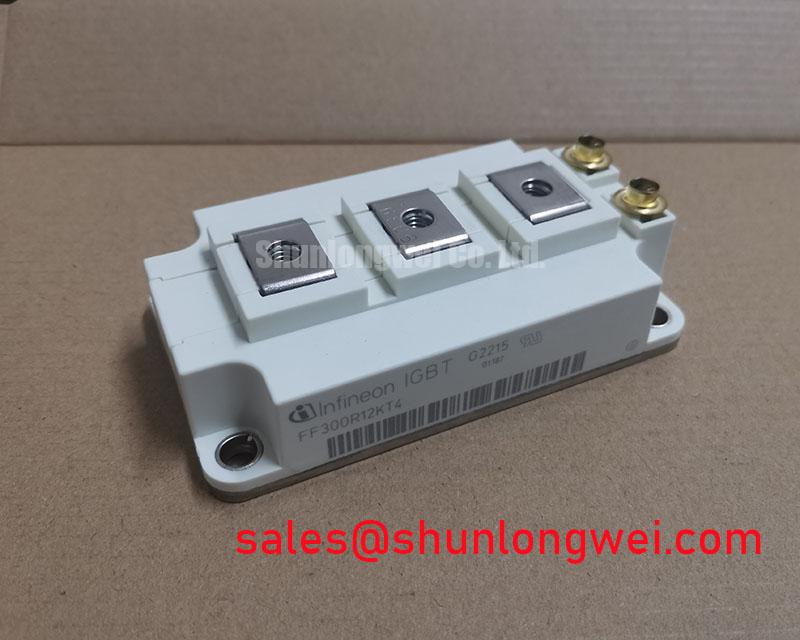
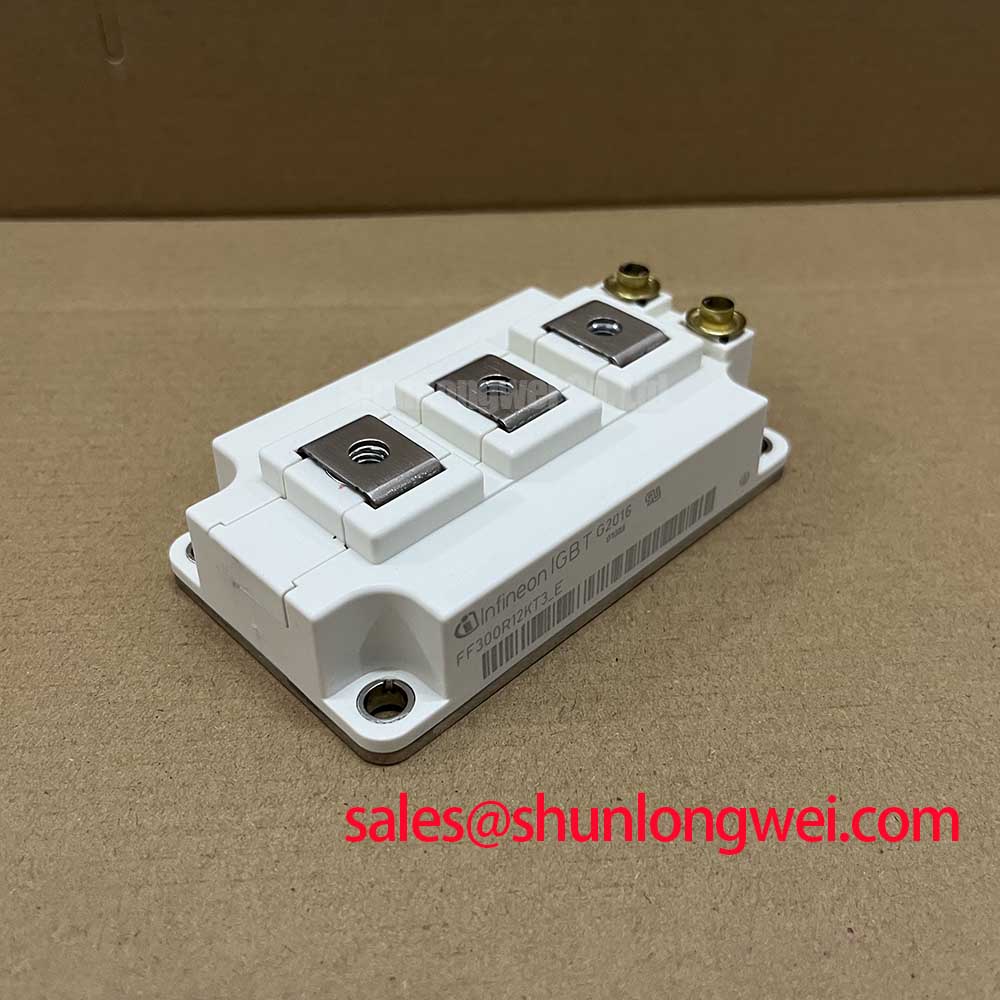
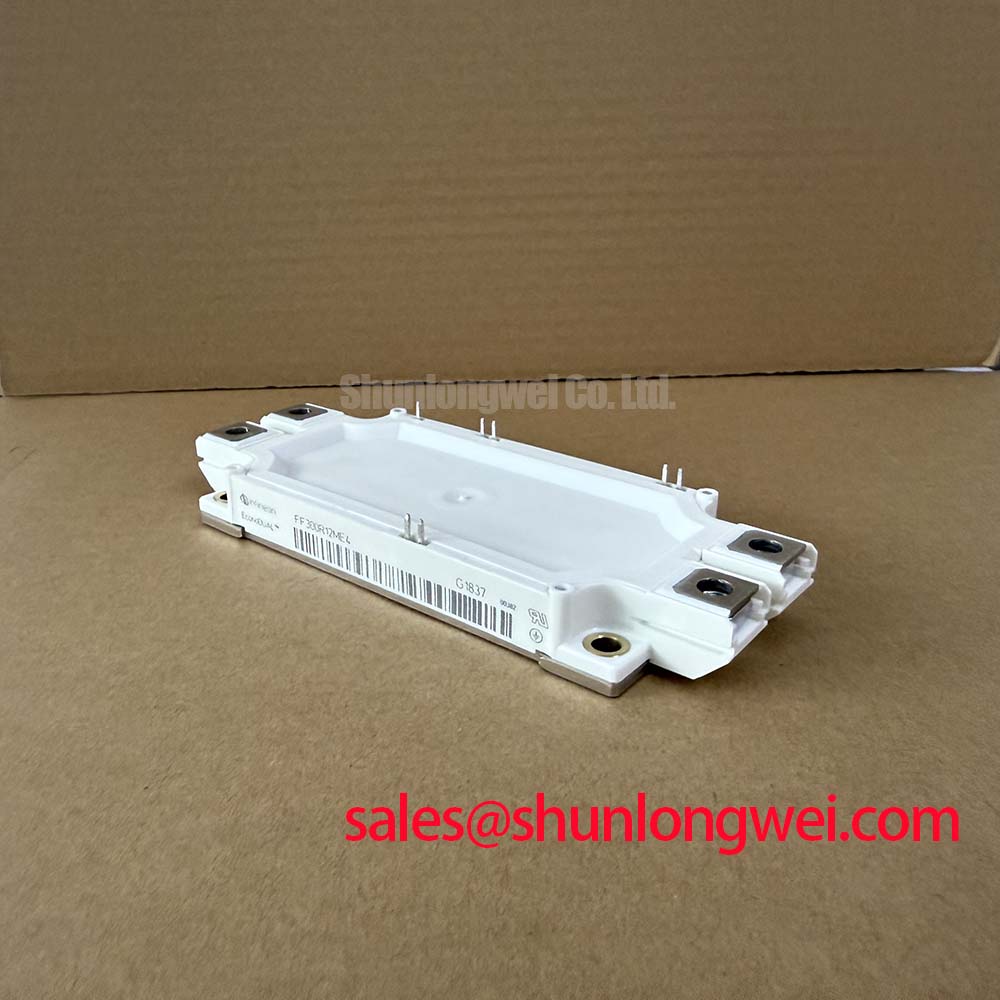
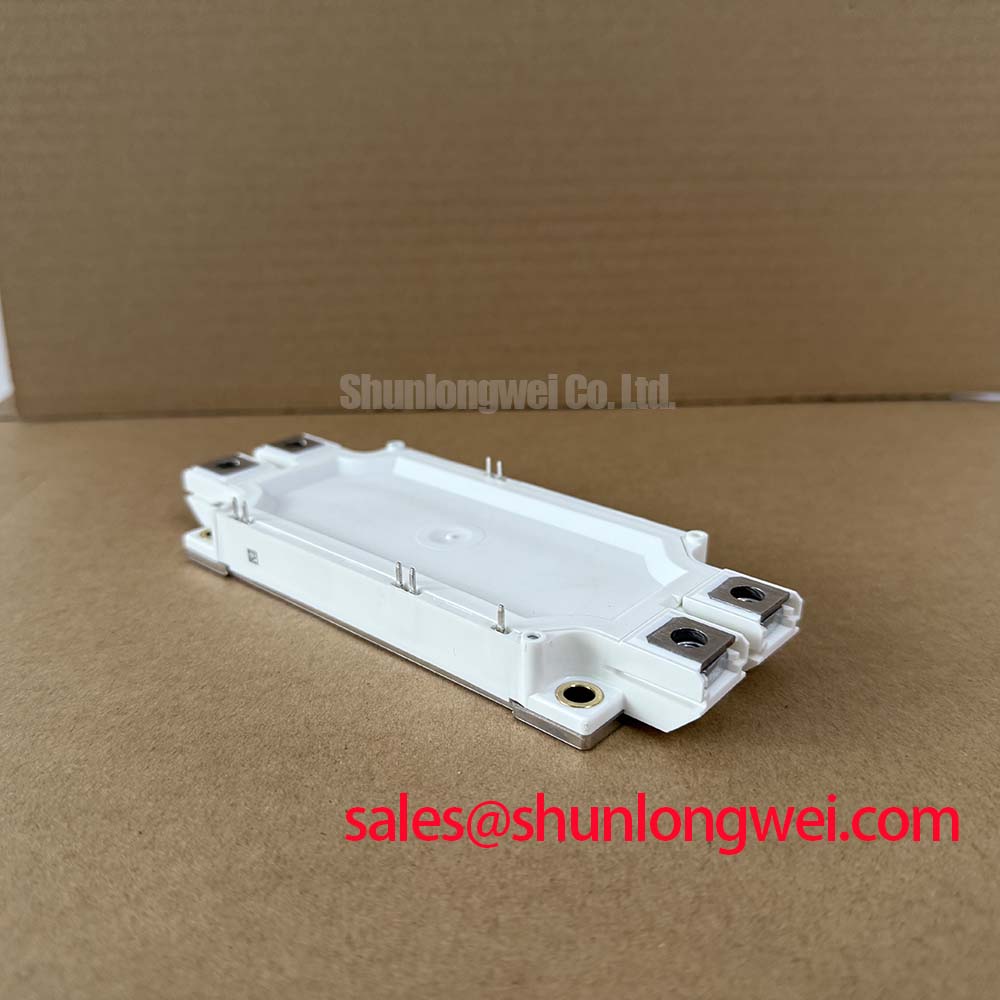
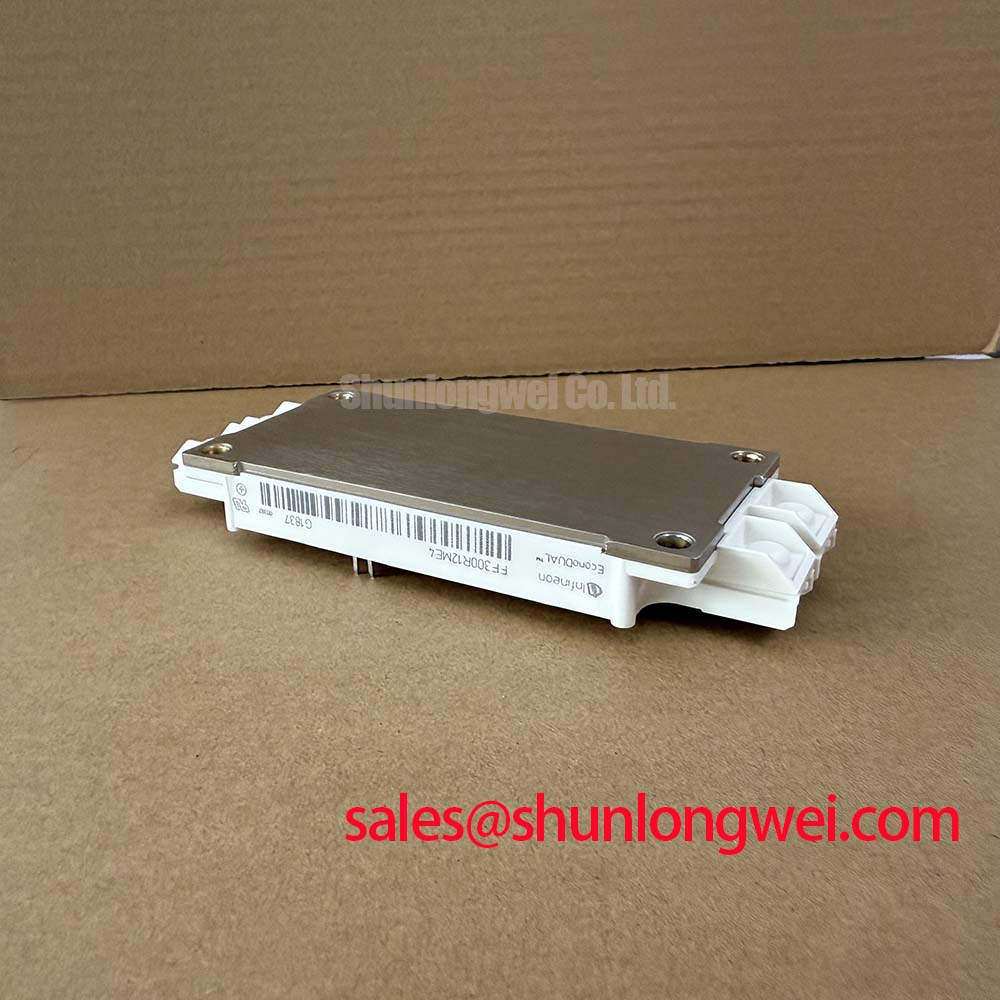
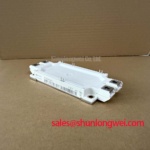
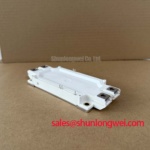
FF300R12ME4 Infineon EconoDUAL™3 IGBT Module: 1200V 300A Efficiency
Struggling to balance thermal management with switching efficiency in your MW-scale inverter designs? The FF300R12ME4 is an EconoDUAL™3 IGBT module engineered to resolve this exact challenge through its advanced Trench/Fieldstop IGBT4 architecture. Featuring core specifications of 1200V | 300A | Rth(j-c) 0.11 K/W, this component ensures robust power cycling and minimized conduction losses. Key benefits include optimized heat dissipation and simplified parallel configurations. What is the primary benefit of the Emitter Controlled diode? It drastically reduces reverse recovery losses during high-frequency switching. For 1200V line applications prioritizing thermal margin and phase-current symmetry, this 300A module is the optimal choice.
Frequently Asked Questions
Resolving Core Engineering Uncertainties
How does the Tvj,op of 150°C benefit high-load industrial drives?
Operating continuously at 150°C provides a crucial thermal buffer. This allows designers to extract more active power from the module without oversizing the heatsink, which is essential for compact industrial motor drives.
Why is the 20 nH stray inductance (LsCE) critical for this module?
A low stray inductance minimizes voltage overshoots during fast turn-off events. This protects the silicon from avalanche breakdown, enabling safer switching at elevated frequencies without requiring bulky snubber circuits.
Can this module be easily paralleled for higher current capacities?
Yes, the symmetrical internal layout ensures uniform current sharing between half-bridges. When a single unit cannot meet the load demand, paralleling multiple units becomes straightforward with proper gate driver synchronization.
What is the significance of the 1.76V typical VCE,sat at 25°C?
A low saturation voltage directly translates to reduced conduction losses. In continuously running systems like wind turbines, this minor voltage drop saves significant energy over the equipment's operational lifespan.
Key Parameter Overview
Decoding the Specs for Enhanced Thermal Reliability
| Parameter | Value | Engineering Impact |
|---|---|---|
| Collector-Emitter Voltage (Vces) | 1200V | Provides robust headroom for 400V to 690V AC line applications. |
| Continuous DC Collector Current (Ic) | 300A | Delivers sustained power for medium-to-heavy industrial loads. |
| Collector-Emitter Saturation Voltage (VCE,sat) | 1.76V (typ. at 25°C) | Minimizes static conduction losses during the ON-state. |
| Thermal Resistance, Junction to Case (RthJC) | 0.11 K/W max | Ensures rapid heat transfer from the silicon die to the baseplate. |
| Stray Inductance Module (LsCE) | 20 nH | Reduces transient voltage spikes during high-frequency switching. |
Download the FF300R12ME4 datasheet for detailed specifications and performance curves.
Technical Deep Dive
A Closer Look at the Trench/Fieldstop IGBT4 Architecture
The internal architecture of this module relies on the 4th generation Trench/Fieldstop technology to push the boundaries of switching efficiency. But what does this mean for the system designer?
First, consider the Collector-Emitter Saturation Voltage (VCE,sat) of 1.76V. Think of VCE,sat as the "toll gate fee" your current must pay to cross the switch. A lower fee means less energy is wasted as heat during steady-state conduction. The Trench design allows for a higher channel density, effectively widening the gate and reducing this electrical resistance.
Furthermore, the integration of an Emitter Controlled HE diode significantly improves dynamic performance. During reverse recovery, the diode exhibits exceptional softness. Imagine slamming the brakes on a heavily loaded truck; a hard brake causes violent shuddering (voltage ringing and EMI). The soft recovery characteristic acts like an anti-lock braking system (ABS) for the circuit, smoothly dissipating the reverse current and minimizing electromagnetic interference. How does the low stray inductance benefit the system? It actively suppresses destructive voltage spikes during rapid switching events. This behavior is crucial when designing the gate drive circuitry, as it reduces the stress on the isolation barriers and simplifies EMC compliance.
Application Scenarios & Value
Achieving System-Level Benefits in High-Frequency Power Conversion
The FF300R12ME4 is engineered to excel in high-stress environments, particularly within UPS systems, variable frequency drives (VFD), and wind turbine inverters.
Consider the challenge of designing a megawatt-scale wind turbine pitch control system. Engineers often face extreme temperature fluctuations and demand high power cycling capabilities. By utilizing this 1200V, 300A module, designers can leverage its low 0.11 K/W thermal resistance. The baseplate efficiently spreads the thermal load, preventing localized hot spots. This reliability ensures the module easily meets the stringent IEC 60747 standards for industrial applications.
When developing variable frequency drives (VFD) for factory automation, the 20 nH stray inductance proves invaluable. It allows for tighter control of the motor's speed and torque while minimizing switching losses. While this model is ideal for 300A systems, for systems requiring double the current handling capacity within the same voltage class, the related FF600R12ME4 offers a 600A rating. For engineers looking to optimize their designs further, mastering the core trio of IGBT module selection is highly recommended. Additionally, exploring 1200V IGBT efficiency techniques can further refine thermal margins.
Driving the Future of Power Electronics
Strategic Implementation for Resilient Architectures
In the evolving landscape of industrial automation and renewable energy, component selection directly dictates system lifespan. Selecting a high-performance module like the FF300R12ME4 goes beyond merely fulfilling a voltage or current requirement; it serves as a strategic investment in thermal reliability and operational continuity. By leveraging its optimized Trench/Fieldstop architecture and standardized packaging, engineering teams can streamline their development cycles, ensuring their megawatt-scale systems remain resilient against the harsh operational demands of tomorrow's electrical grids.