
Content last revised on September 10, 2026
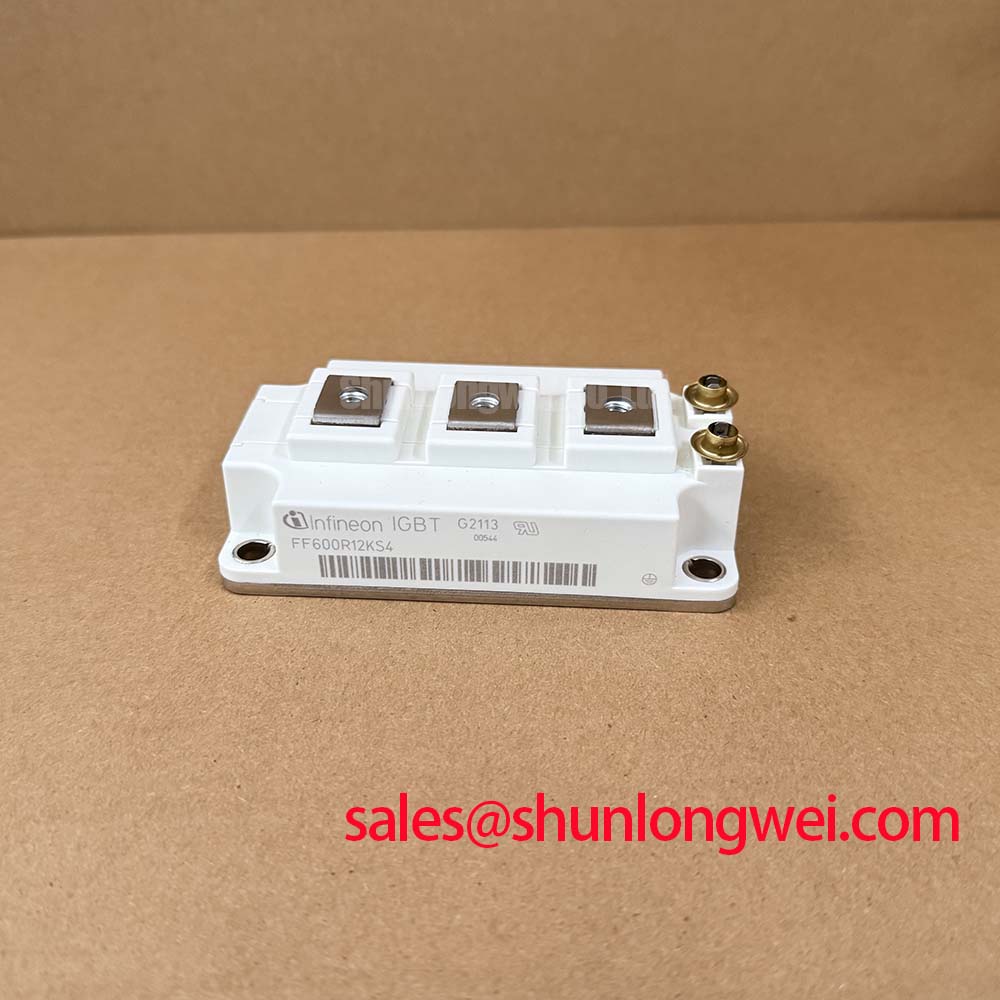
FF600R12KS4 High-Frequency IGBT Module Insights
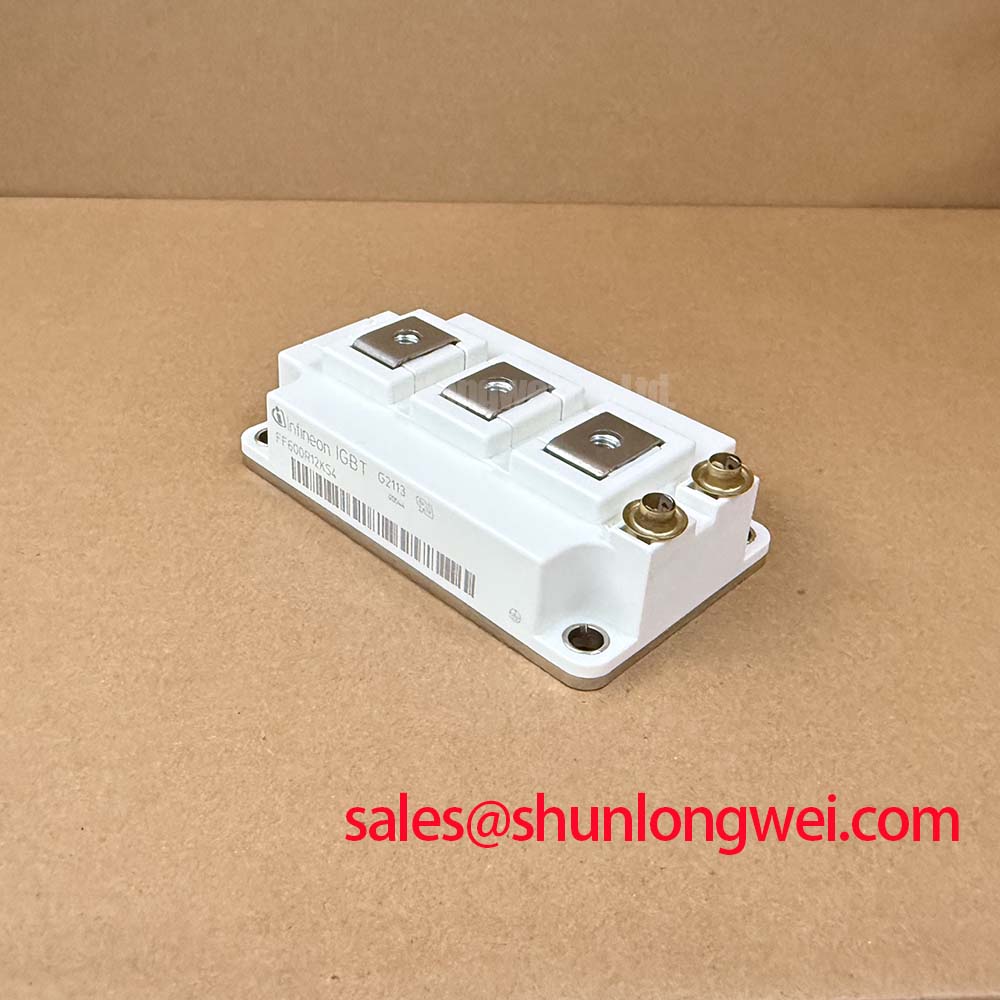
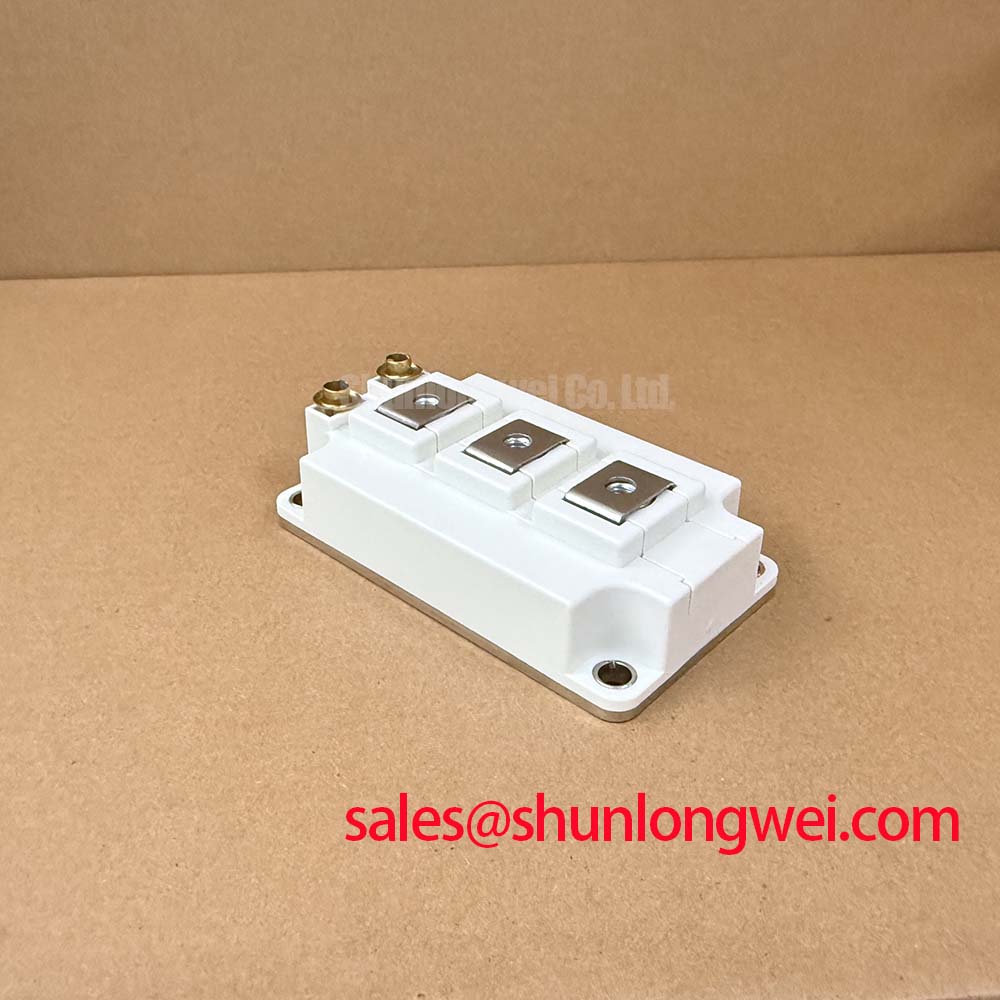
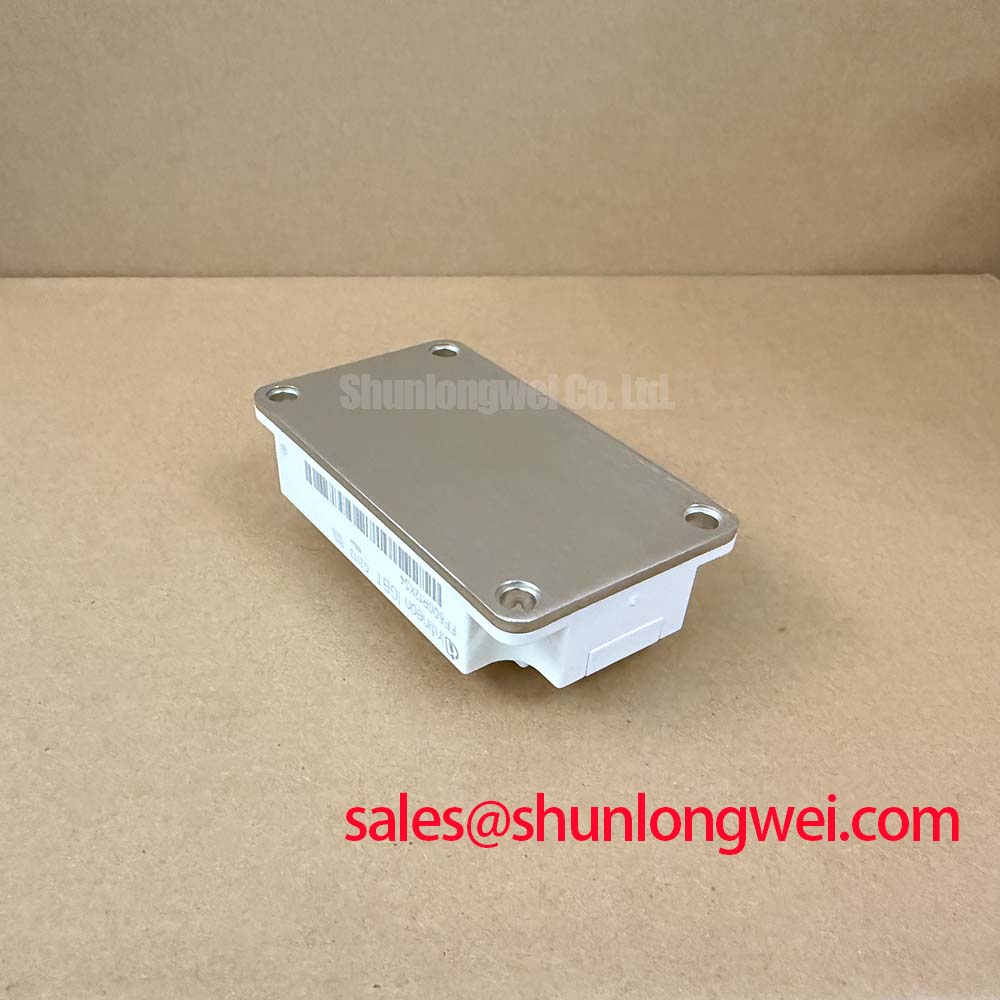
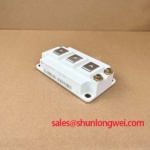
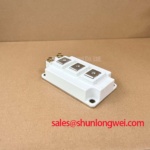
The FF600R12KS4 is a high-speed, high-power dual IGBT module developed by Infineon Technologies. Rated at 1200V and 600A in a standard 62mm housing, this fast IGBT2 module minimizes switching losses. What is the primary benefit of the fast IGBT2 chip architecture? It significantly reduces tail current duration, minimizing dynamic switching losses at higher frequencies. Which package configuration does this module utilize? A industry-standard 62mm dual-switch footprint designed for compact busbar integration.
Key Parameter Overview
Decoding Essential Specifications for High-Frequency Thermal Management
The technical specifications of the FF600R12KS4 demonstrate its optimization for high-stress dynamic environments. The table below highlights the critical electrical and thermal indicators that drive system performance.
| Parameter | Symbol | Rated Value | Unit |
|---|---|---|---|
| Collector-Emitter Voltage (Tvj = 25°C) | VCES | 1200 | V |
| Continuous DC Collector Current (TC = 60°C) | IC | 600 | A |
| Repetitive Peak Collector Current (tP = 1 ms) | ICRM | 1200 | A |
| Collector-Emitter Saturation Voltage (IC = 600A, VGE = 15V, Tvj = 125°C) | VCE(sat) | 3.75 - 3.85 | V |
| Thermal Resistance, Junction to Case (per IGBT) | RthJC | 0.032 | K/W |
| Isolation Test Voltage (RMS, f = 50 Hz, t = 1 min) | VISOL | 2.5 | kV |
Download the FF600R12KS4 datasheet for detailed specifications and performance curves.
Application Scenarios & Value
Achieving System-Level Efficiency in Resonance-Based Power Topologies
For high-frequency resonant topologies requiring a 1200V rating at 600A, the fast IGBT2 module offers minimized tail-current switching losses.
Engineers face extreme thermal stress when developing high-power induction heating equipment and high-frequency welding power supply systems. Operating at switching frequencies between 20 kHz and 40 kHz typically leads to massive turn-off energy dissipation due to slow tail currents. The FF600R12KS4 solves this bottleneck by utilizing a specialized fast-switching cell design, significantly decreasing the duration of the tail current.
This rapid transition reduces cooling requirements and enables the design of smaller, lighter magnetic components. In addition to induction systems, the module provides a reliable solution for high-power UPS systems and utility-scale solar inverter configurations.
While this module is designed for large-scale systems requiring 600A, for lower power requirements, the related FF300R12KS4 or FF200R12KS4 offers the same technology at lower current ratings. This allows design engineers to scale their platforms without changing the underlying gate driver topology.
Technical Deep Dive
Optimizing Eon and Eoff Trajectories via the Fast IGBT2 Architecture
The core advantage of the FF600R12KS4 lies in its customized switching kinetics. Designers can learn more about these characteristics by exploring our in-depth guide to IGBT modules.
To understand the dynamic behavior of this module, consider the turn-off energy loss (Eoff). Think of the tail current like a car's brakes that take too long to disengage; even after you release the pedal, friction continues to generate heat. The fast IGBT2 chip acts like high-performance ceramic brakes, disengaging almost instantly to prevent thermal buildup during high-frequency switching.
Thermal management is equally crucial. The module's internal junction-to-case thermal resistance (RthJC) is rated at 0.032 K/W. Imagine RthJC as a bottleneck in a highway. A low resistance value is like adding extra lanes, allowing the thermal traffic to flow smoothly from the silicon junction to the copper baseplate, keeping the operating junction temperature (Tvj) safe. This is highly relevant for those designing quasi-resonant vs half-bridge induction heating topologies.
By keeping the thermal resistance low, engineers can push the switching frequencies higher without risking thermal runaway. Selecting components based on these parameters is explored further in our guide to IGBT selection beyond VCEsat.
Frequently Asked Questions
Addressing Core Thermal and Electrical Integration Inquiries
How does the fast switching speed of the FF600R12KS4 impact electromagnetic interference (EMI) design?
The fast switching transients (high dv/dt and di/dt) reduce dynamic losses but can generate higher high-frequency electromagnetic noise. Engineers must optimize the gate resistor value and utilize proper snubber circuits to mitigate EMI without sacrificing switching efficiency.
What is the significance of the positive temperature coefficient of VCE(sat) in this module?
The positive temperature coefficient of VCE(sat) at high temperatures ensures that when modules or chips are paralleled, current is shared equally. If one chip runs hotter, its resistance increases, naturally shedding current to cooler channels and preventing localized thermal failure.
Can the FF600R12KS4 be used in hard-switching topologies above 30 kHz?
Yes, the module is optimized for high-frequency switching up to 40 kHz in hard-switching topologies and even higher in soft-switching resonant designs, thanks to the minimized tail current of the IGBT2 Fast technology.
What are the primary differences in gate drive requirements between the FF600R12KS4 and standard Trenchstop modules?
Because the fast switching speed induces higher transient currents, the gate driver must offer robust noise immunity and a low-impedance path. Implementing a negative gate voltage during the off-state is recommended to prevent parasitic turn-on caused by Miller capacitance transients.