Content last revised on September 10, 2026
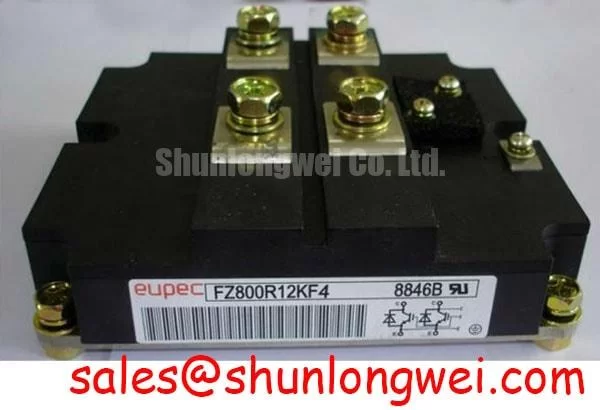
FZ800R12KF4 Infineon 1200V 800A IGBT Module: Maximizing Thermal Reliability in Heavy Industrial Drives
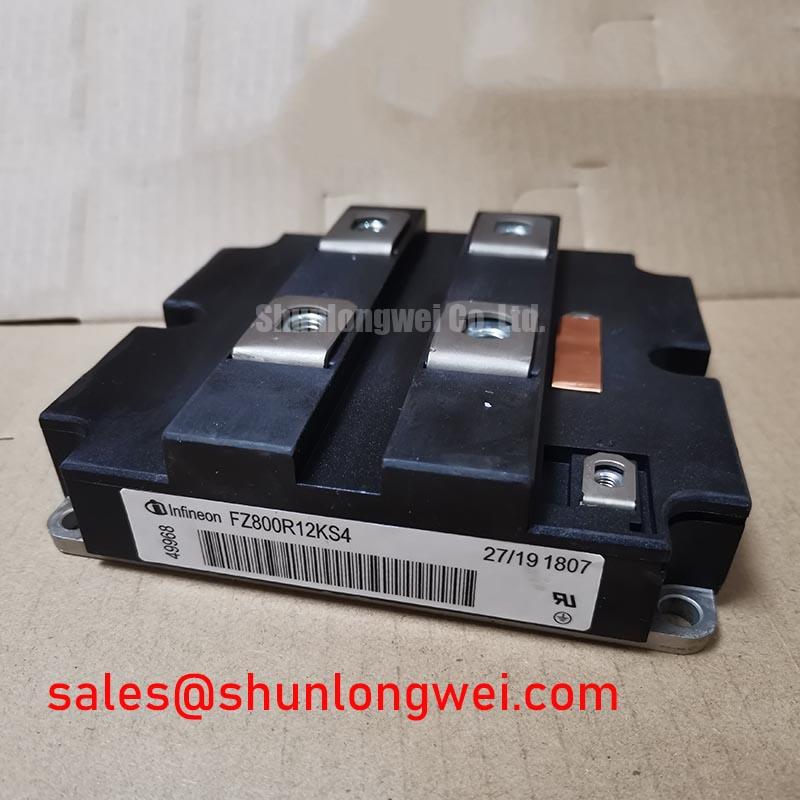
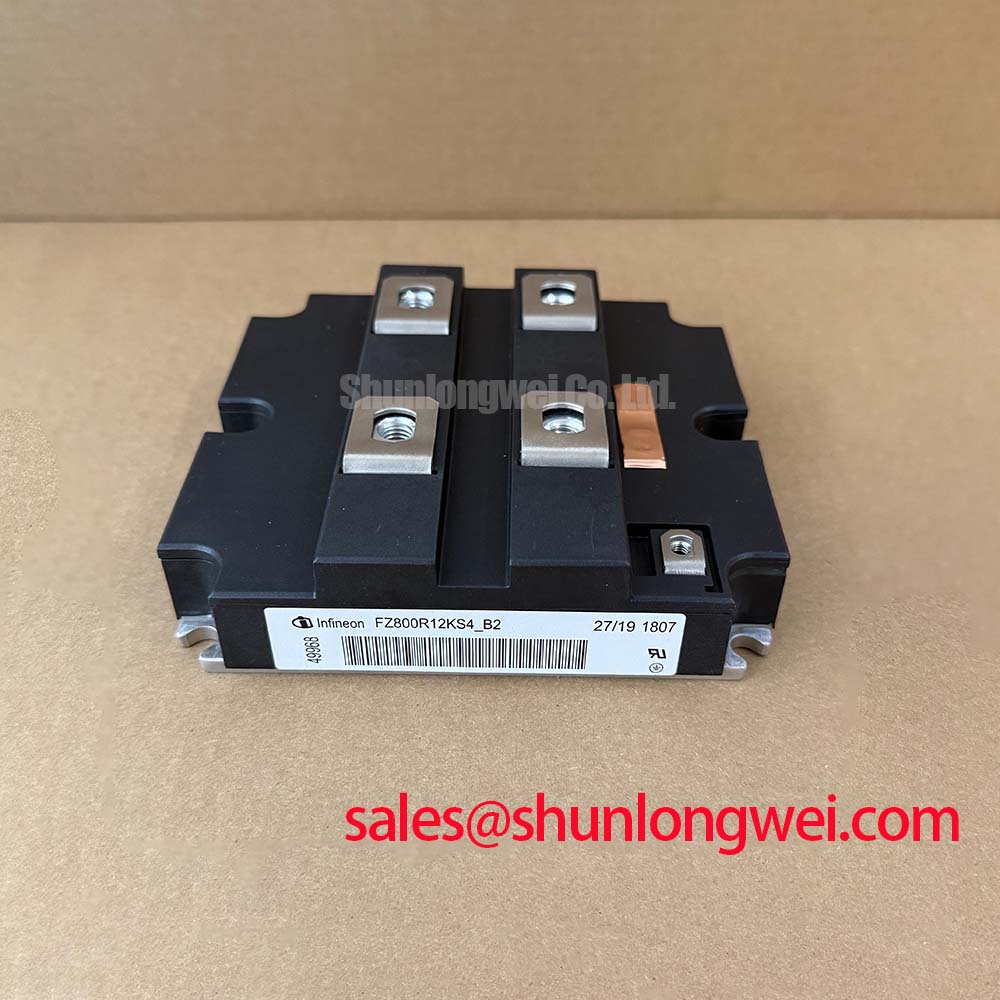
For high-demand motor control systems prioritizing thermal margin, this 1200V, 800A module is the optimal choice. Anchoring high-stakes MW-scale converters, the Infineon FZ800R12KF4 delivers uncompromising thermal stability under severe load fluctuations. Key parameters include 1200V voltage handling, 800A collector current, massive 5400W total power dissipation (Ptot), and a robust 2.5kV isolation voltage. By leveraging a substantial IHM-style baseplate, it actively mitigates heat concentrations and extends component lifespan during harsh operational cycles. What is the primary benefit of the expansive baseplate design? It drastically reduces thermal impedance to sustain heavy-duty switching operations.
Application Scenarios & Value
Achieving System-Level Resilience in MW-Scale Motor Drives
Engineers often face severe thermal management bottlenecks when designing MW-scale motor drives that endure continuous start-stop operations. The immense surge currents generated during motor acceleration directly threaten semiconductor longevity by accelerating thermomechanical fatigue. Integrating the FZ800R12KF4 resolves this challenge by exploiting its vast 5400W power dissipation capacity. This characteristic ensures that sudden energy spikes do not push silicon temperatures past critical failure points.
In heavy-duty traction inverters, this superior power cycling capability prevents premature degradation of the die-attach layers. By distributing heat evenly across the module, designers can easily comply with stringent IEC 61800-3 reliability standards without relying on oversized external cooling arrays. While this model optimally anchors 1200V topologies, systems requiring higher current capacities can utilize the related FZ1200R12KF5, which offers a 1200A rating to provide scalable upgrade paths for heavier loads.
Technical Deep Dive
Decoding the Thermal Interface and Baseplate Mechanics
Thermal resistance (Rth) dictates the maximum operational limits of any power semiconductor. The FZ800R12KF4 minimizes this boundary through its highly engineered baseplate architecture. Think of this thick copper baseplate as a massive thermal highway; just as a multi-lane expressway prevents traffic gridlock during peak hours, this packaging rapidly disperses concentrated heat spikes away from the active IGBT dies. This physical design prevents localized hotspots from exceeding the junction temperature limits during aggressive switching phases.
Furthermore, the internal isolation mechanism relies on premium ceramic substrates, delivering a strong 2.5kV isolation rating while facilitating continuous thermal conductivity. To put it in perspective, if a standard consumer-grade package acts as a small sponge that quickly saturates with heat, this industrial-grade module functions as a deep reservoir, seamlessly absorbing and dissipating massive energy bursts. This fundamental architecture ensures that thermal management strategies remain predictable, allowing engineers to push inverter performance closer to theoretical limits safely.
Key Parameter Overview
Highlighted Metrics for High-Stress Topologies
The following table highlights the critical electrical and thermal specifications that define the performance boundaries of this module.
| Specification | Value | Engineering Significance |
|---|---|---|
| Collector-Emitter Voltage (Vces) | 1200V | Provides massive voltage headroom for 400V and 690V industrial line applications. |
| Continuous DC Collector Current (Ic) | 800A | Supports heavy continuous loads and MW-scale motor operations. |
| Total Power Dissipation (Ptot) | 5400W | Enables high-density thermal operation without immediate derating. |
| Isolation Voltage (VISOL) | 2.5kV | Ensures control circuitry protection against dangerous ground loops and transients. |
Download the FZ800R12KF4 datasheet for detailed specifications and performance curves.
Frequently Asked Questions
Engineering Insights on Performance and Deployment
- How does the 5400W Ptot rating influence liquid cooling strategies?
It allows system architects to utilize highly efficient liquid-cooled cold plates, ensuring that maximum junction temperatures are avoided even under 150% overload conditions.
- What makes the 1200V/800A rating suitable for continuous cyclic loads?
The robust internal wire bonding and thick substrate structure heavily limit thermomechanical stress, preventing solder fatigue over thousands of operational cycles in traction applications.
- Why is the 2.5kV VISOL parameter critical for high-voltage industrial drives?
This isolation rating guarantees safe continuous operation in electrically noisy environments, preventing catastrophic high-voltage surges from breaching the delicate low-voltage control stages.
From a strategic engineering standpoint, prioritizing modules with exceptional thermal headroom and proven baseplate technology is not just a design choice, but a fundamental safeguard against premature field failures. Integrating components that aggressively manage thermal impedance directly correlates to lower total cost of ownership and uninterrupted productivity in demanding industrial facilities.