


Content last revised on September 10, 2026
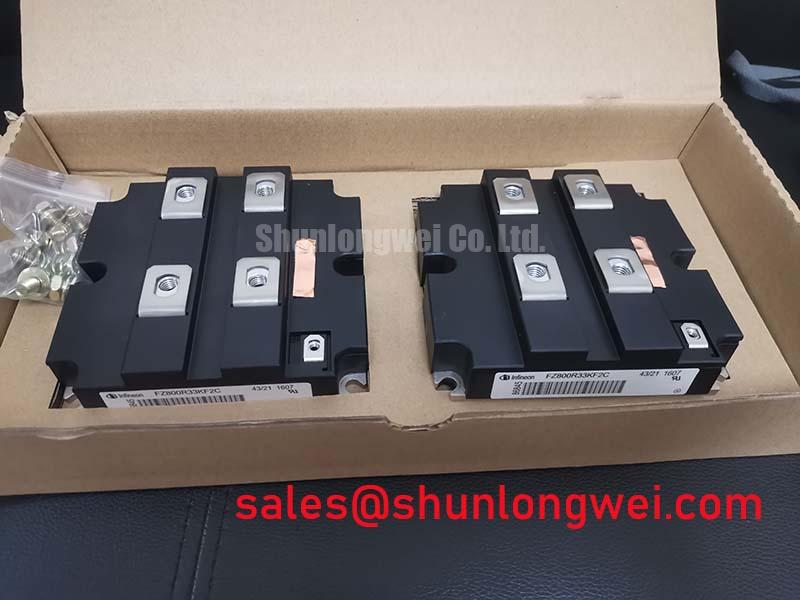
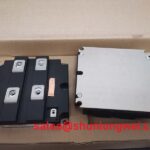
FZ800R33KF2C | 3300V 800A Single Switch IGBT Module
Product Overview: Engineering for Megawatt-Scale Reliability
A High-Level View of a High-Voltage Workhorse
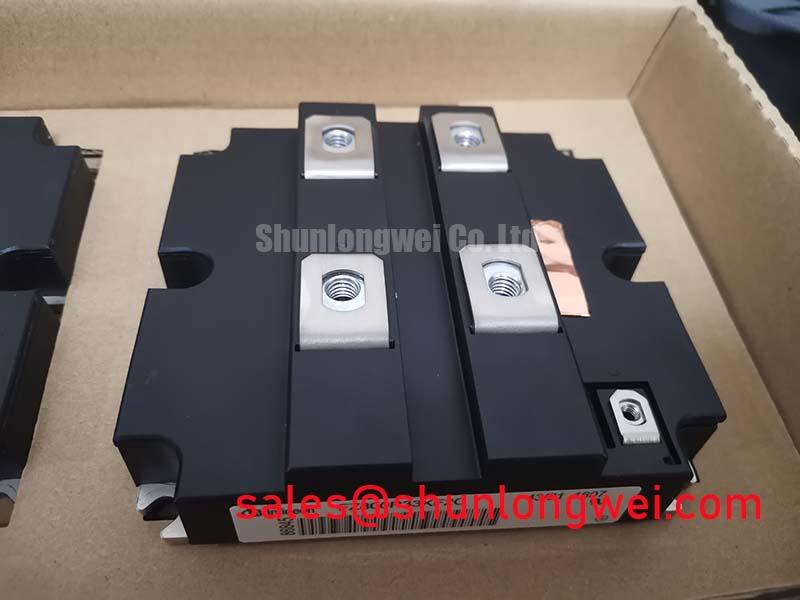
The FZ800R33KF2C is a high-power 3300V single switch IGBT module engineered for the demanding requirements of megawatt-scale power conversion systems. With its robust specifications—3300V | 800A (Nominal) | Rth(j-c) 0.024 K/W—this module delivers two critical engineering benefits: superior thermal management and exceptional fault condition survivability. It is specifically designed to address the challenges of maintaining long-term operational stability and power density in high-voltage industrial and renewable energy applications. What is the primary benefit of its low thermal resistance? It enables higher power density and enhanced long-term reliability.
Application Scenarios & Value
System-Level Benefits in Renewable Energy and Industrial Drives
For system architects designing multi-megawatt wind turbine converters or medium-voltage drives (MVDs), the FZ800R33KF2C offers a direct path to enhanced system reliability and simplified thermal design. Its 3300V blocking voltage is perfectly suited for power conversion stages in systems connected to medium-voltage grids, reducing the need for complex series-connection of lower-voltage devices, which inherently improves reliability by minimizing component count. In a demanding application like a wind turbine converter, which experiences fluctuating loads and harsh environmental conditions, the module's extremely low thermal resistance becomes a decisive factor. It ensures efficient heat evacuation from the IGBT chip, maintaining lower junction temperatures and significantly extending the power cycling lifetime of the inverter. For applications demanding even higher current capabilities within the same voltage class, the related FZ1500R33HE3 provides a 1500A alternative.
Key Parameter Overview
Decoding the Specifications for Thermal and Electrical Robustness
The performance of the FZ800R33KF2C is defined by a set of parameters optimized for high-power, high-voltage switching. The table below highlights the key specifications that directly influence its performance in demanding applications. The very low collector-emitter saturation voltage (VCE(sat)) at nominal current minimizes conduction losses, while the superior thermal resistance is foundational to its reliability.
| Parameter | Symbol | Value | Conditions |
|---|---|---|---|
| Collector-Emitter Voltage | VCES | 3300 V | Tj = 25°C |
| Continuous Collector Current | IC,nom | 800 A | TC = 100°C, Tvj max = 150°C |
| Collector-Emitter Saturation Voltage | VCE sat | 3.20 V (typ.) | IC = 800 A, VGE = 15 V, Tj = 125°C |
| Thermal Resistance, Junction to Case | Rth(j-c) | 0.024 K/W | Per switch |
| Short Circuit Withstand Time | tsc | 10 µs | VGE ≤ 15 V, VCC = 1800 V, Tj ≤ 150°C |
| Gate-Emitter Threshold Voltage | VGE(th) | 5.8 V (typ.) | IC = 32.0 mA, VCE = VGE, Tj = 25°C |
Download the FZ800R33KF2C datasheet for detailed specifications and performance curves.
Technical Deep Dive
The Engineering Behind Low Thermal Resistance and Long-Term Reliability
A datasheet value like a low thermal resistance (Rth) is not just a number; it is the result of deliberate design choices in the module's construction. The FZ800R33KF2C's Rth(j-c) of 0.024 K/W is critical to its performance. Think of thermal resistance like the width of a highway for heat. This module's low value creates a multi-lane expressway, allowing the intense heat generated during 800A operation to escape the silicon chip and transfer to the heatsink with minimal obstruction. This prevents thermal bottlenecks that can accelerate material aging and lead to premature failure.
This thermal efficiency is coupled with a robust 10 µs short-circuit withstand time. This specification acts like a vehicle's airbag. While you hope to never use it, its presence provides an essential safety window. During a catastrophic fault condition, it absorbs the initial stress, giving the system's protection circuits the precious microseconds needed to react and trigger a shutdown, preventing the destruction of both the module and the wider system. This combination of thermal efficiency and electrical robustness is a cornerstone of designing reliable, long-service-life power converters for capital-intensive infrastructure.
Frequently Asked Questions (FAQ)
Engineering Inquiries for the FZ800R33KF2C
How does the FZ800R33KF2C's Rth(j-c) of 0.024 K/W directly impact heatsink selection and overall system power density?
This extremely low thermal resistance allows for more effective heat transfer to the cooling system. Engineers can either select a smaller, more cost-effective heatsink for a given power output or push more power through the module while maintaining the same junction temperature. This directly enables higher power density and can reduce the overall mechanical footprint of the power conversion unit.
What is the significance of the 3300V collector-emitter voltage rating for industrial motor drive applications?
A 3300V rating allows the module to be used in inverters for motors operating on 2300V or higher AC lines, common in heavy industries like mining, marine propulsion, and large-scale pumping. It provides the necessary voltage margin to handle DC-link voltages and switching-induced overshoots safely, which is a key requirement under standards like IEC 61800-5.
For a single switch topology, what are the primary application circuits for the FZ800R33KF2C?
As a single switch, it is ideal for chopper circuits, such as those used in DC-DC converters, dynamic braking choppers in large drives, or as a building block in multi-level inverter topologies. In these configurations, multiple units can be combined to construct phase-legs for two-level or more complex three-level NPC/ANPC inverters.
How does the VCE(sat) of 3.20V (typical at 125°C) influence the thermal management strategy?
The VCE(sat) value is a direct contributor to conduction losses (Power Loss = VCE(sat) x IC). A lower VCE(sat) means less heat is generated during the on-state. For a module handling 800A, even a small reduction in VCE(sat) translates to a significant reduction in waste heat (hundreds of watts), easing the burden on the cooling system and improving overall converter efficiency.
Strategic Outlook
Building Resilient, High-Performance Power Systems
Integrating a component like the FZ800R33KF2C is a strategic decision for systems where uptime and total cost of ownership are the primary metrics. Its core design attributes of high voltage capability, substantial current handling, and superior thermal performance are not merely specifications but enablers of more robust, power-dense, and efficient energy conversion. For engineering teams developing the next generation of renewable energy infrastructure, industrial drives, or specialized high-power equipment, this Infineon module provides a foundational building block for achieving demanding performance and reliability targets.