

Content last revised on August 28, 2026
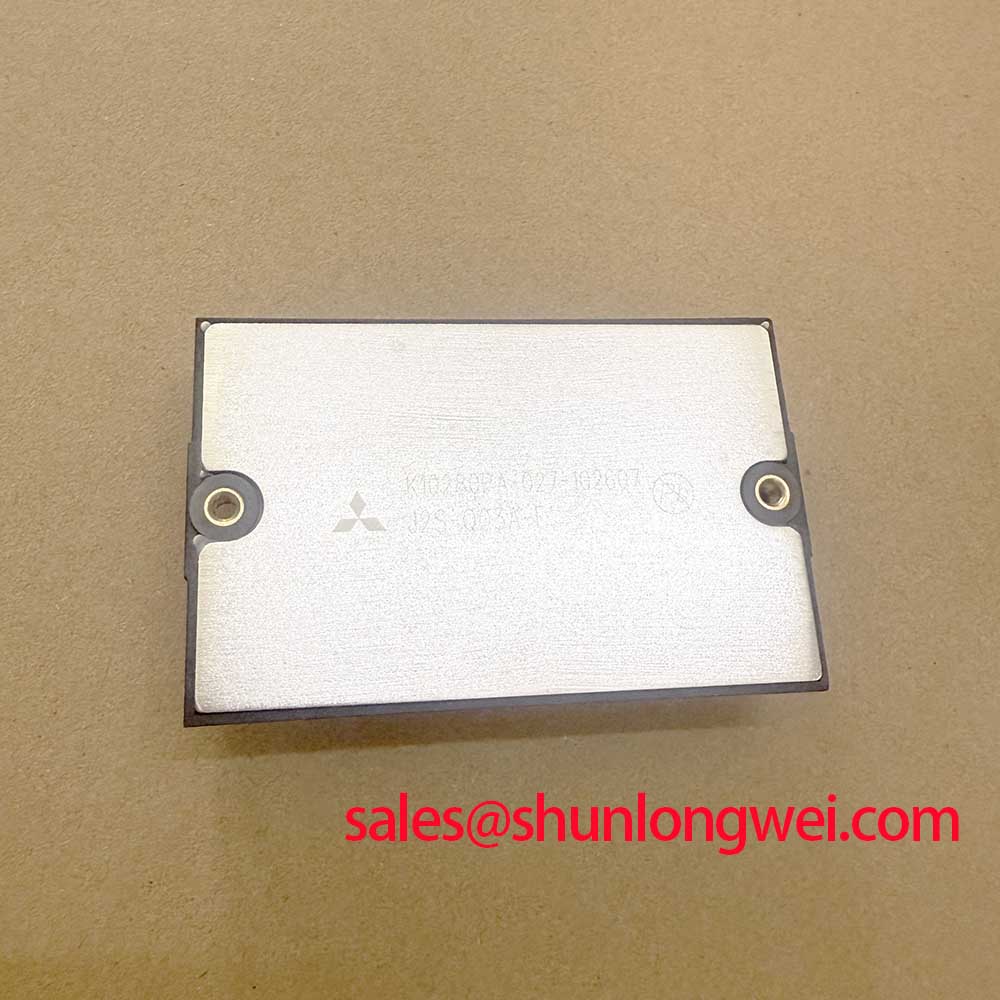
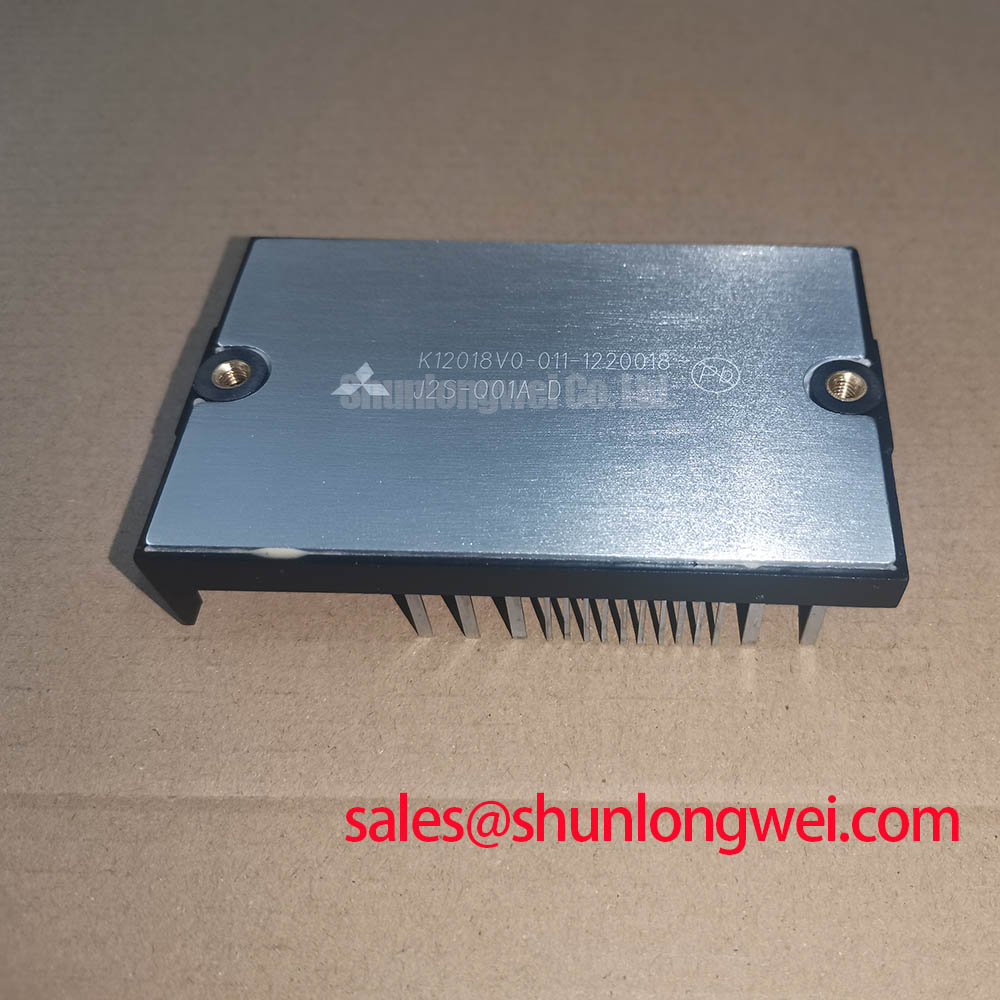
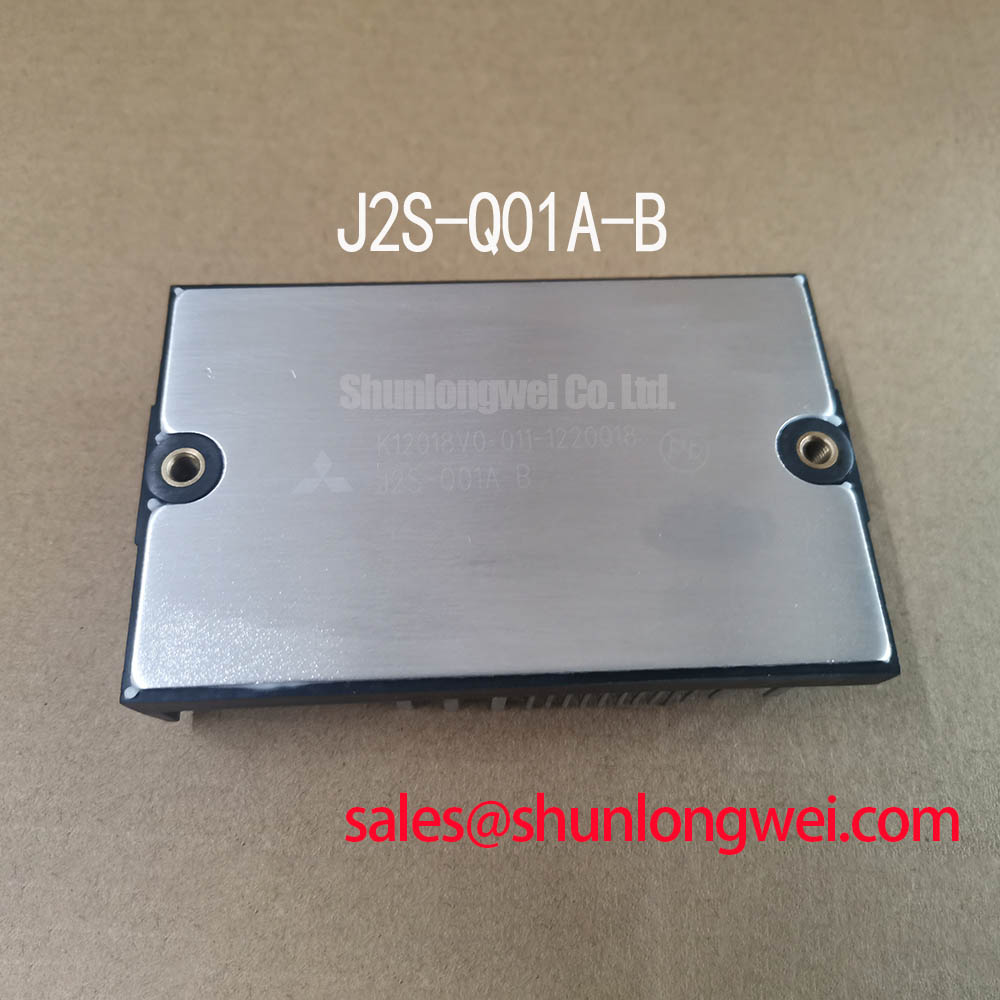
J2S-Q01A-B Mitsubishi Electric Intelligent Power Module (IPM)
Engineering Grade Technical Review
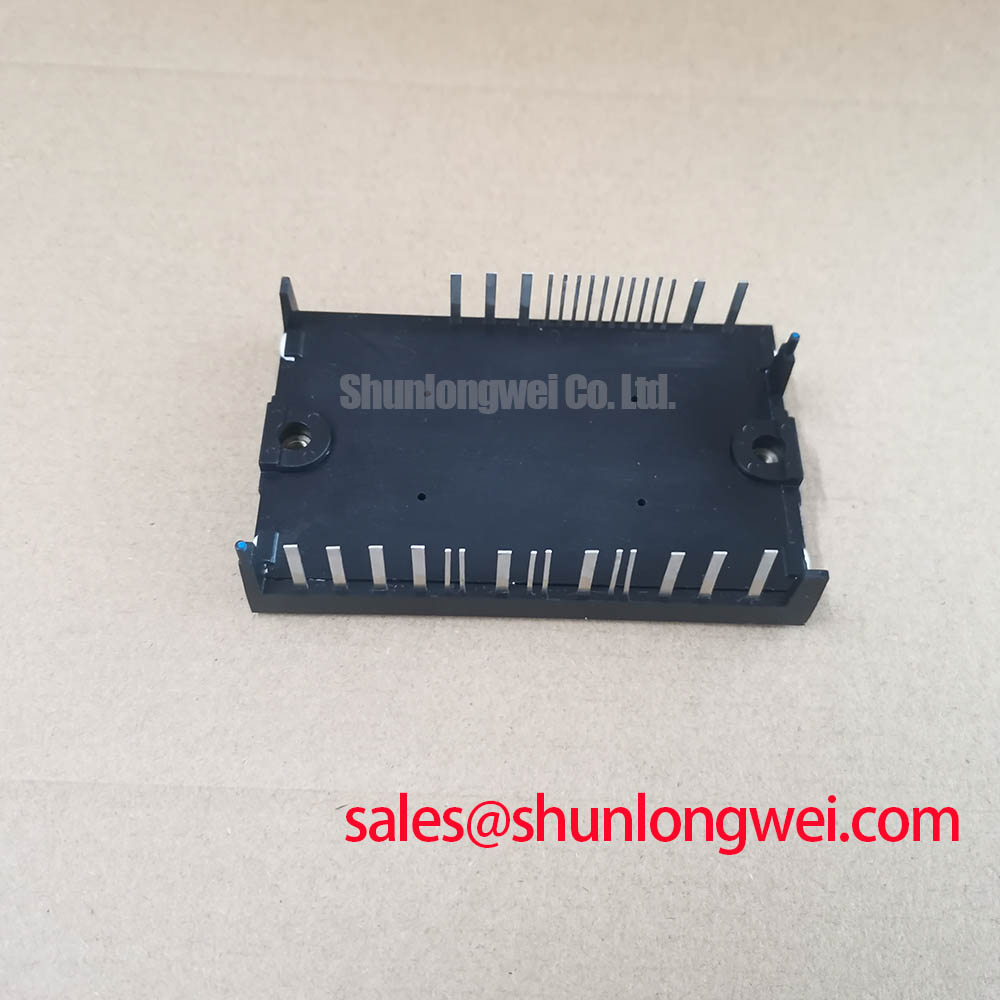
The J2S-Q01A-B is an integrated Intelligent Power Module (IPM) from Mitsubishi, serving as the core power stage for the MELSERVO-J2-Super series of AC servo drives. It integrates IGBTs, free-wheeling diodes, and dedicated gate drive and protection circuits into a single, optimized package. This module is engineered for reliability in high-precision motion control systems. Key specifications include a 200V class operation and a 15A current rating. Its primary engineering benefits are enhanced operational reliability and streamlined servo drive design. It directly answers the need for a robust and field-replaceable power stage in industrial automation systems where consistent performance is critical. What is the primary benefit of its integrated protection? It offers a fast, reliable shutdown response to prevent catastrophic failures, safeguarding both the drive and motor. For systems requiring a different power level, the 6MBP25VAA120-50 is also available.
Key Parameter Overview
Decoding the Specs for Enhanced Servo Drive Reliability
The technical specifications of the J2S-Q01A-B are precisely tailored for its role within Mitsubishi MELSERVO-J2-Super series servo amplifiers, such as the MR-J2S-70A and MR-J2S-70B. The following parameters are crucial for maintenance, repair, and integration decisions.
| Parameter | Value | Engineering Significance |
|---|---|---|
| Collector-Emitter Voltage (Vces) | 300V | Provides a sufficient safety margin for operation on 200-240V class industrial power lines, protecting against transient voltage spikes. |
| Collector Current (Ic) | 15A | Dictates the maximum continuous current the module can deliver to the servo motor, suitable for drives controlling motors up to approximately 750W. |
| Control Supply Voltage (Vcc) | 15V | This standard control voltage ensures straightforward integration with the servo amplifier's internal logic and control power architecture. |
| Isolation Voltage (Viso) | 1500 Vrms | Ensures high electrical isolation between the high-power circuits and the low-voltage control signals, enhancing safety and noise immunity. |
| Integrated Protections | Overcurrent (OC), Short Circuit (SC), Control Voltage Low (UV), Overtemperature (OT) | These built-in protections form the core value of an IPM (Intelligent Power Module). They provide a much faster and more reliable response than external monitoring circuits, preventing catastrophic IGBT failure. |
Application Scenarios & Value
Achieving System-Level Benefits in High-Fidelity Motion Control
Best Fit: For maintaining and repairing Mitsubishi MR-J2S-70A/B and similar servo amplifiers, the J2S-Q01A-B is the definitive power stage component for restoring original performance and reliability.
In applications such as high-speed pick-and-place machines, CNC machining centers, and industrial robotics, the Servo Drive must deliver precise and repeatable power profiles to the motor. A critical challenge for maintenance and repair engineers is sourcing a power stage component that restores the drive to its original operational integrity. Using a generic or discrete component solution can introduce variables that compromise the finely tuned performance of the original drive.
The J2S-Q01A-B resolves this by being the exact original equipment manufacturer (OEM) power module. Its integrated nature ensures that the gate drive is perfectly matched to the IGBTs' switching characteristics and that the protection circuits are calibrated for the device's specific Safe Operating Area (SOA). This eliminates design guesswork during repair and guarantees that the drive's current, speed, and position loops will function as intended by the manufacturer, directly impacting machine accuracy and throughput.
Technical Deep Dive
A Closer Look at the Integrated Design for Long-Term Reliability
The J2S-Q01A-B is more than just a collection of power transistors; its value lies in its holistic design as an Intelligent Power Module. A useful analogy is comparing it to a high-performance engine. A discrete solution, using separate IGBTs and gate drivers, is like building a custom engine from individual parts—it requires deep expertise to select compatible components and tune them perfectly. Any mismatch between the gate driver and the IGBT can lead to inefficient switching, increased thermal stress, or even catastrophic failure.
The J2S-Q01A-B, in contrast, is like receiving a factory-sealed "crate engine" tuned by the manufacturer. The IGBTs (the pistons), the gate drive (the valve timing), and the protection circuits (the engine control unit's safety limiters) are all designed and packaged together. This co-packaging ensures optimal switching performance, minimizes parasitic inductance that can cause voltage overshoots, and provides a pre-validated thermal interface, simplifying heat sink mounting and ensuring reliable heat dissipation.
Frequently Asked Questions (FAQ)
What is the primary advantage of using the J2S-Q01A-B IPM over discrete IGBT components for a servo drive repair?
The primary advantage is guaranteed compatibility and reliability. As the original Mitsubishi component, its internal gate driver and protection circuits are perfectly matched to the power IGBTs, ensuring the servo drive operates within its specified performance and safety parameters without the risks associated with component mismatch in a discrete solution.
Can the J2S-Q01A-B be used in non-Mitsubishi servo drives?
While technically possible for a skilled engineer to adapt, it is not recommended. The module's drive and protection characteristics are optimized specifically for the MELSERVO-J2-Super series. Using it in other systems would require significant re-engineering of the control interface and could lead to suboptimal performance or damage.
What does the '200V Class' rating signify for this module?
This indicates the module is designed for servo drives operating on three-phase or single-phase 200V to 240V AC power lines, which are common in industrial settings in Japan and North America. The module's 300V Vces provides the necessary headroom to handle the rectified DC bus voltage and potential transients safely.
How does the integrated overcurrent protection in the J2S-Q01A-B work?
The module uses internal sense resistors or other methods to continuously monitor the current flowing through the IGBTs. If the current exceeds a pre-set threshold, the internal control logic initiates an immediate, controlled shutdown of the IGBTs and sends a fault signal to the drive's main processor. This response is significantly faster than what is typically achievable with external current sensors, offering superior protection.
What are common causes of failure for a module like the J2S-Q01A-B in the field?
Common failure modes include sustained overcurrent conditions beyond the module's protection limits (often due to mechanical jams in the driven machinery), excessive operating temperatures from failed cooling fans or clogged heatsinks, and end-of-life wear on the power silicon after years of thermal cycling. For more insights, a guide on IGBT failure analysis can provide additional context.
From an engineer's perspective, specifying the J2S-Q01A-B for repair or maintenance is a decision to prioritize system integrity. It effectively restores the servo drive to its factory specifications, minimizing the risks and tuning time associated with using unverified discrete components and ensuring the long-term reliability of the automated system.