
Content last revised on September 10, 2026
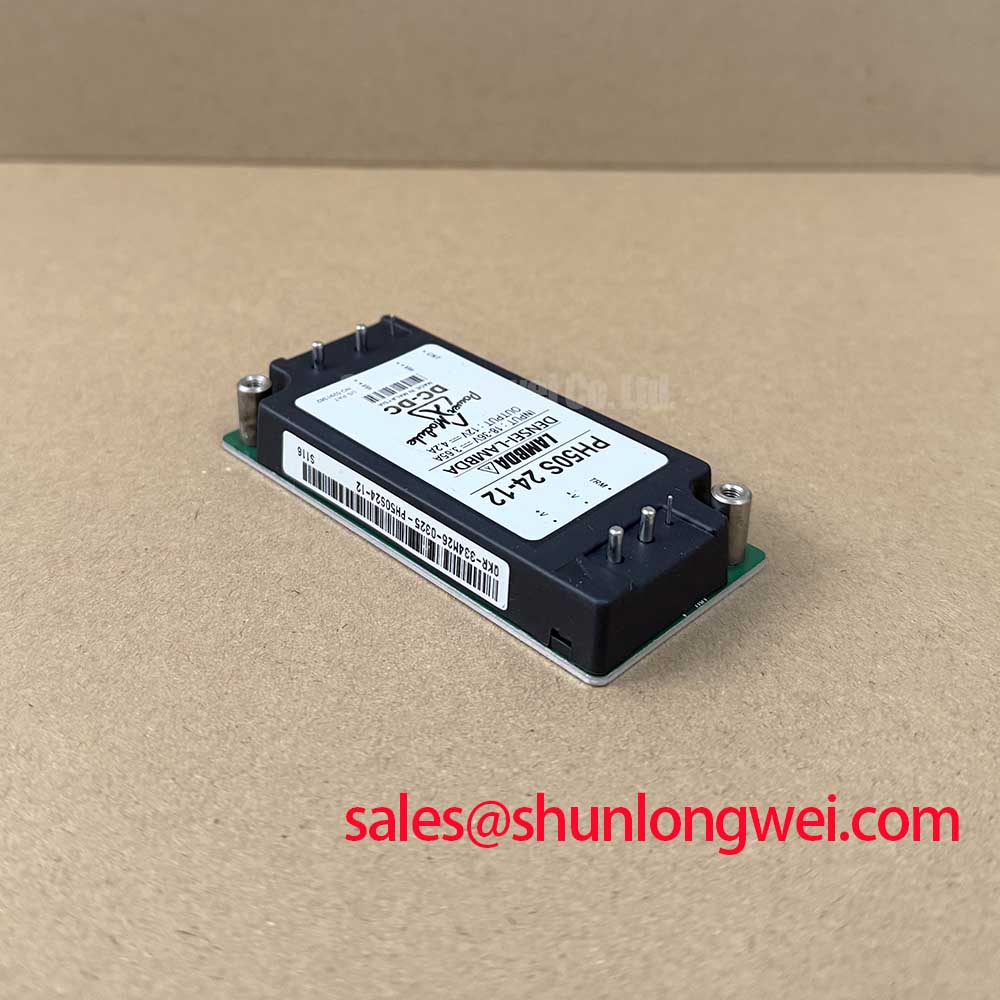
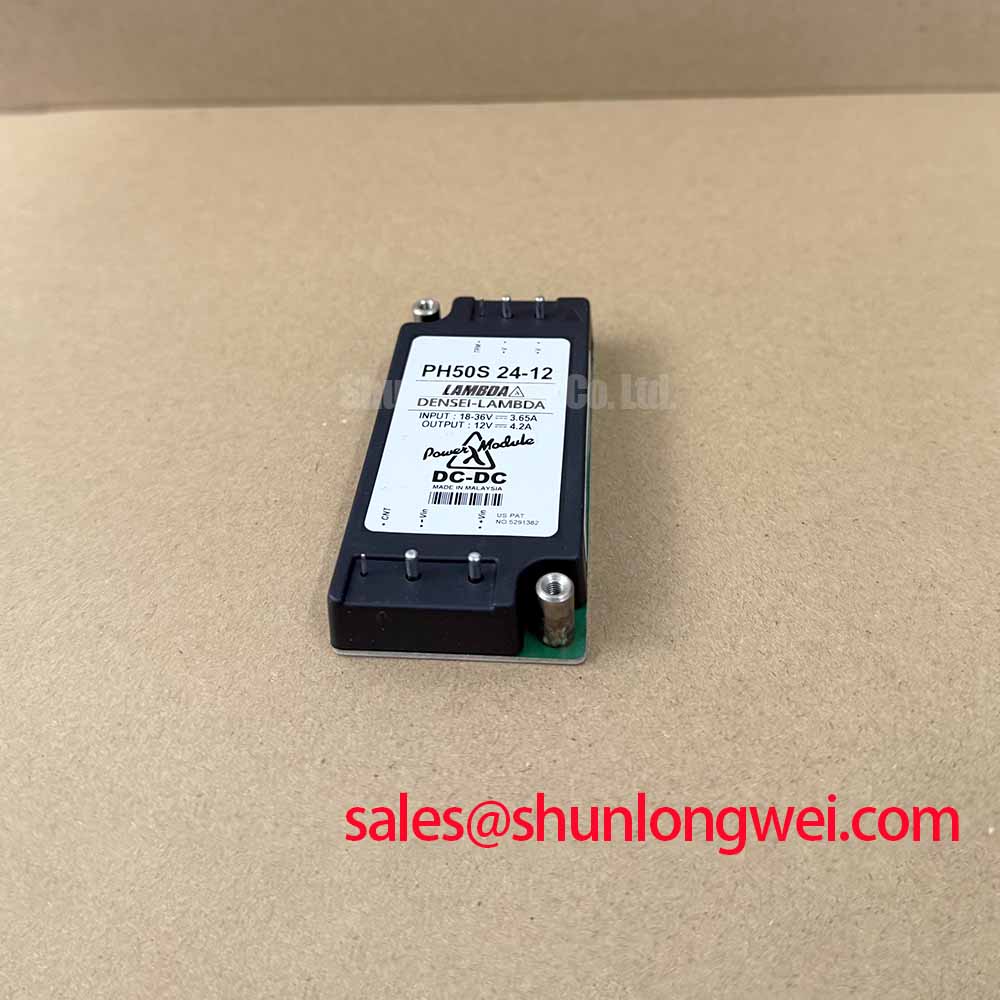
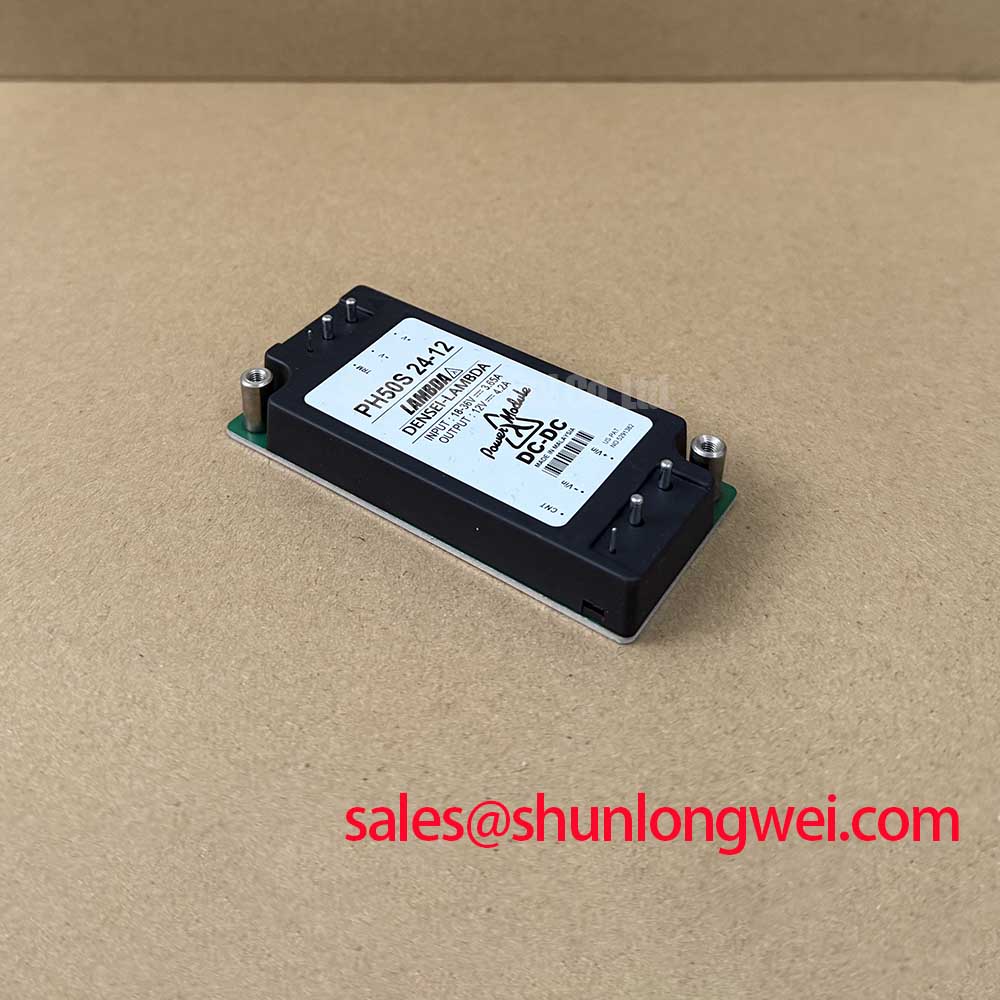
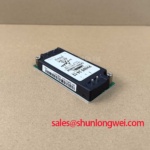
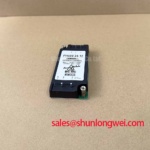
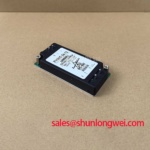
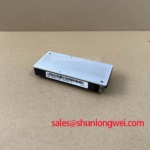
PH50S24-12 TDK-Lambda 50W 24V-to-12V High-Density DC-DC Power Module
How do system architects maintain stable 12V power rails in compact industrial enclosures where airflow is non-existent and ambient temperatures fluctuate wildly? The PH50S24-12 provides a definitive answer by leveraging high-efficiency conduction cooling and robust isolation. As a cornerstone of the PH-S series, this 50W power module is engineered to bridge the gap between 24V DC nominal inputs and sensitive 12V downstream electronics, ensuring mission-critical stability without the bulk of traditional power supplies.
For 24V systems prioritizing thermal reliability and isolation integrity, the PH50S24-12 is the optimal choice for high-density power conversion.
UVP: Maximizing power density through advanced conduction cooling and 3,000VAC isolation safety.
Top Specs: 18–36VDC Input | 12VDC Output | 50.4W Max Power.
Key Benefits: Wide operating baseplate temperature (-40°C to +100°C) and safety-certified isolation performance.
Frequently Asked Questions
Engineering Insights for System Thermal and Safety Design
How does the baseplate cooling design of the PH50S24-12 influence its integration into fanless industrial PCs?
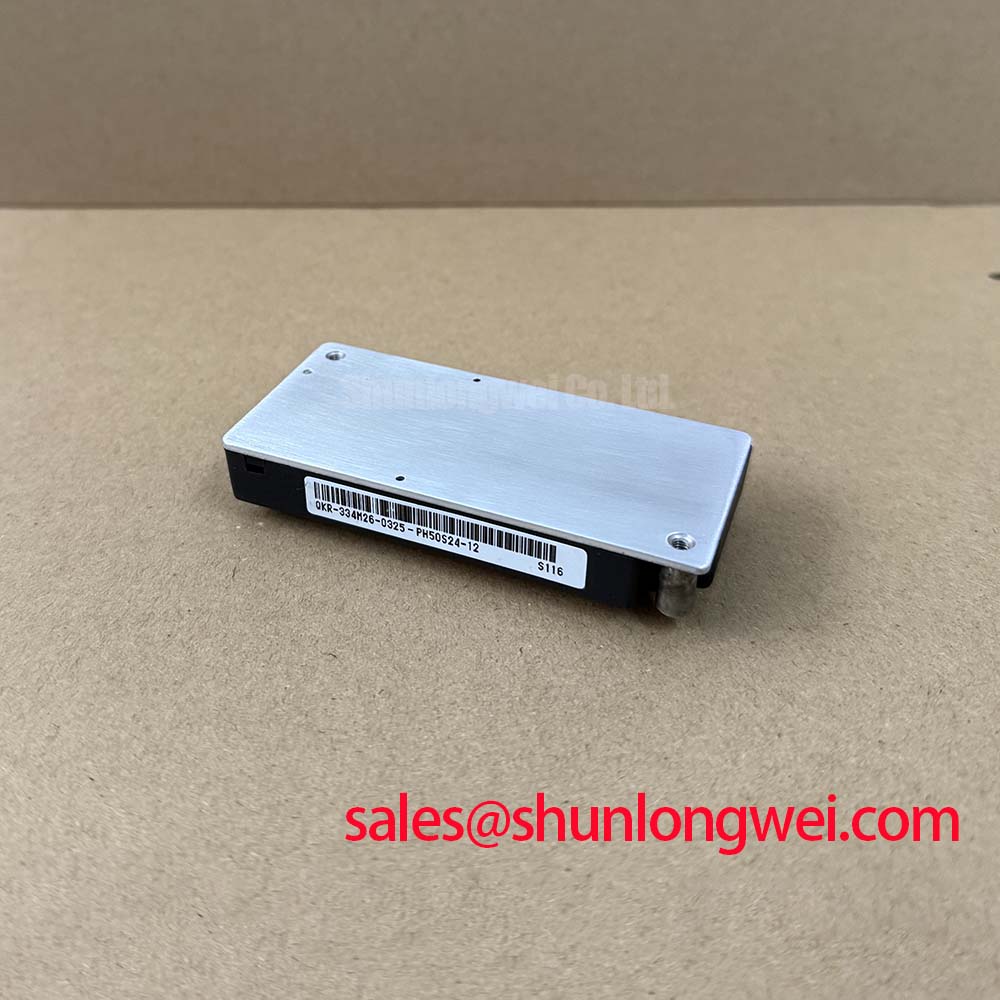
Since the PH50S24-12 relies on conduction cooling, it acts like a thermal "bridge." Instead of requiring active airflow (which is prone to failure in dusty environments), heat is transferred directly from the power module to the system chassis via its metallic baseplate. This allows for a completely sealed enclosure, significantly increasing the Mean Time Between Failures (MTBF) for the overall system. To understand how this compares to discrete solutions, you may explore our guide on semiconductor selection for power stages.
What is the significance of the 3,000VAC isolation rating in telecommunications and heavy industrial applications?
The 3,000VAC input-to-baseplate isolation functions like a physical "moat" around a castle. In industrial environments where high-voltage transients or ground loops are common, this high isolation barrier prevents catastrophic faults from crossing between the input power source and the sensitive 12V logic or control circuits. It ensures compliance with stringent safety standards such as UL60950-1 and EN60950-1.
Can the PH50S24-12 handle the 18V-36V input range typical of fluctuating battery-backed systems?
Yes. The PH50S24-12 is specifically designed with a 2:1 input range. This allows it to maintain a rock-steady 12VDC output even when a 24V battery system is charging (at 28V) or discharging toward its lower limit (at 18V), providing the consistency required for digital control units.
Key Parameter Overview
Decoding the Specs for Enhanced Thermal Reliability
| Technical Parameter | Standard Specification | Engineering Value |
|---|---|---|
| Input Voltage Range | 18V to 36VDC | Supports 24V battery and industrial rails |
| Nominal Output Voltage | 12VDC | Regulated supply for logic and actuators |
| Maximum Output Current | 4.2A | Provides 50.4W of continuous power |
| Efficiency (Typical) | 82% to 84% | Minimizes internal heat dissipation |
| Isolation Voltage | 3,000VAC | High safety margin for industrial compliance |
| Baseplate Temperature | -40°C to +100°C | Operates in extreme thermal environments |
| Cooling Method | Conduction | Ideal for fanless or sealed enclosures |
Technical Deep Dive
A Closer Look at Thermal Resistance and Isolation Integrity
The internal architecture of the PH50S24-12 represents a masterclass in Thermal Management. In power electronics, the baseplate serves as a "thermal highway," moving heat away from the internal power MOSFETs with minimal resistance. This conduction-centric approach is far more reliable than forced-air cooling, which is vulnerable to fan bearing failure. Think of the baseplate as a high-speed radiator that allows the DC-DC converter to sustain full power even when the ambient air is stagnant.
Furthermore, the PH50S24-12 features advanced electromagnetic shielding to mitigate common-mode noise. This is critical in Variable Frequency Drive (VFD) environments where electrical interference is high. The 3,000VAC isolation is not merely a safety rating; it is a structural commitment to longevity, ensuring that even under extreme electrical stress, the 12V output remains galvanically separated from the potentially unstable 24V input rail. For deeper insights into isolation technologies in power systems, refer to Advanced Thermal Management Principles.
Application Scenarios & Value
Achieving System-Level Benefits in Harsh Industrial Power Stages
The PH50S24-12 is frequently specified for Remote Terminal Units (RTUs) and Industrial HMIs. In these applications, space is at a premium, and heat sinks are often the only way to manage thermals. For instance, in an offshore oil rig monitoring station, the PH50S24-12 provides stable power for sensors despite the high humidity and variable 24V power grids.
For systems requiring different power levels or control configurations, engineers often evaluate related solutions such as the SKHI 24 R for gate drive control or the RM50TC-2H for rectification stages. While the PH50S24-12 is ideal for 50W 12V loads, it is part of a broader ecosystem of high-efficiency components that form the backbone of modern automation. From UPS units to Medical Imaging equipment, this module ensures that voltage fluctuations never translate into system downtime.
What is the primary benefit of the PH50S24-12 baseplate cooling? It enables high-reliability fanless operation by transferring heat through conduction.
How does the PH50S24-12 protect sensitive electronics? Through 3,000VAC isolation that prevents input transients from damaging downstream 12V components.
From a strategic engineering perspective, the PH50S24-12 is more than a converter; it is a reliability insurance policy for 24V industrial architectures. By addressing the fundamental challenges of heat and isolation at the module level, it empowers designers to build more resilient, compact, and safety-compliant systems for the global industrial market.


