

Content last revised on September 10, 2026
SKM300GB123D IGBT Module: Data for High-Power Applications
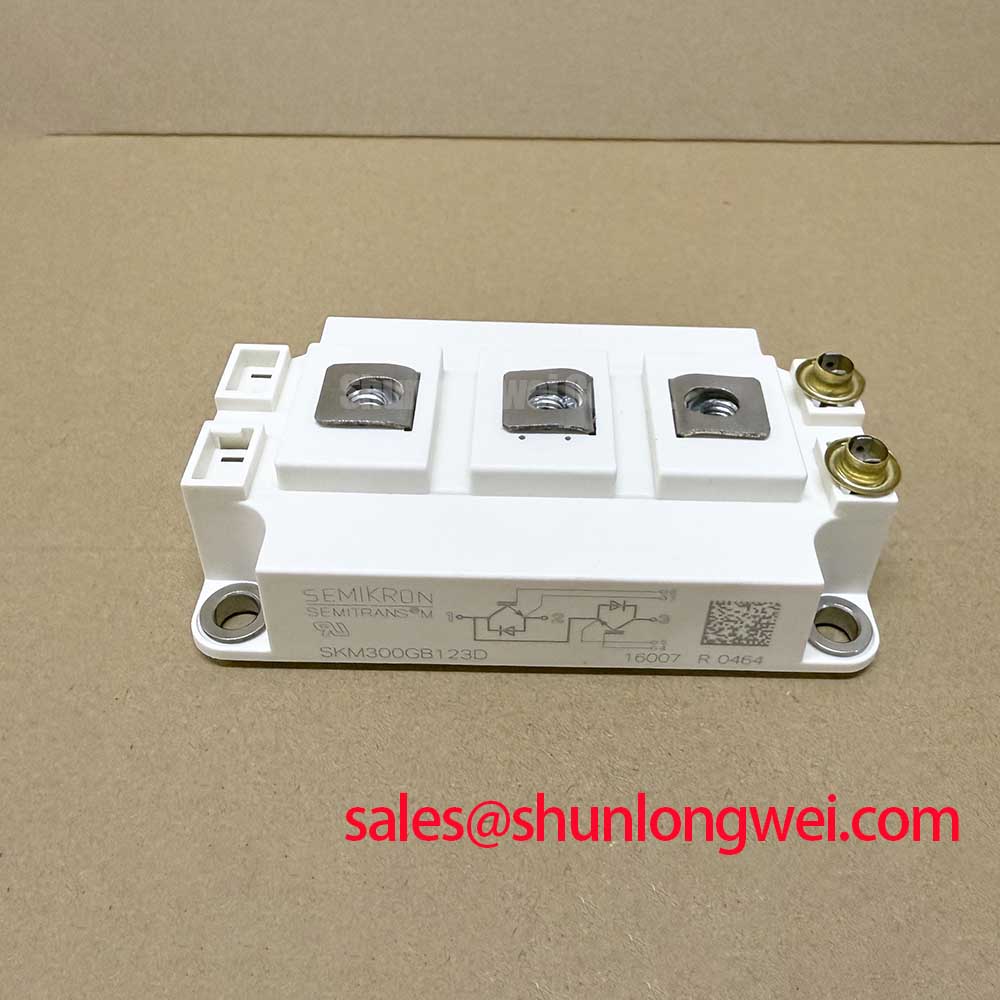
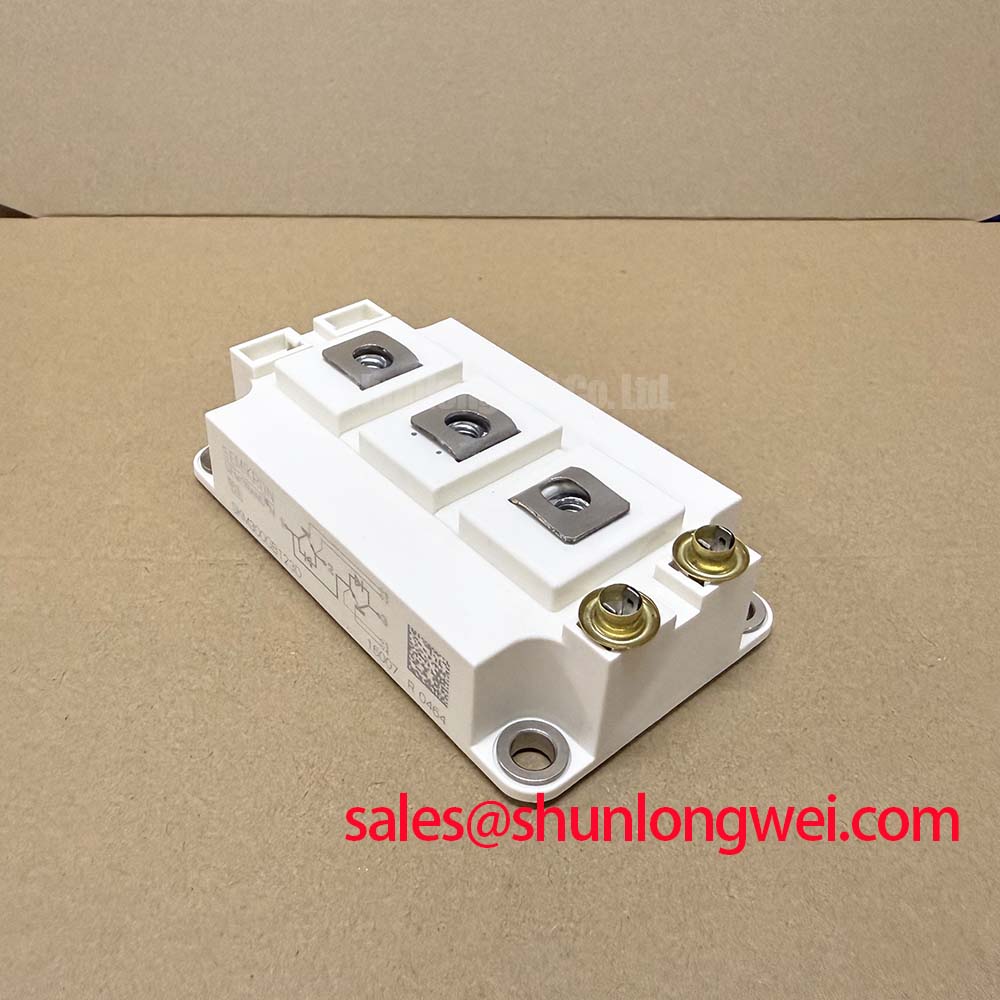
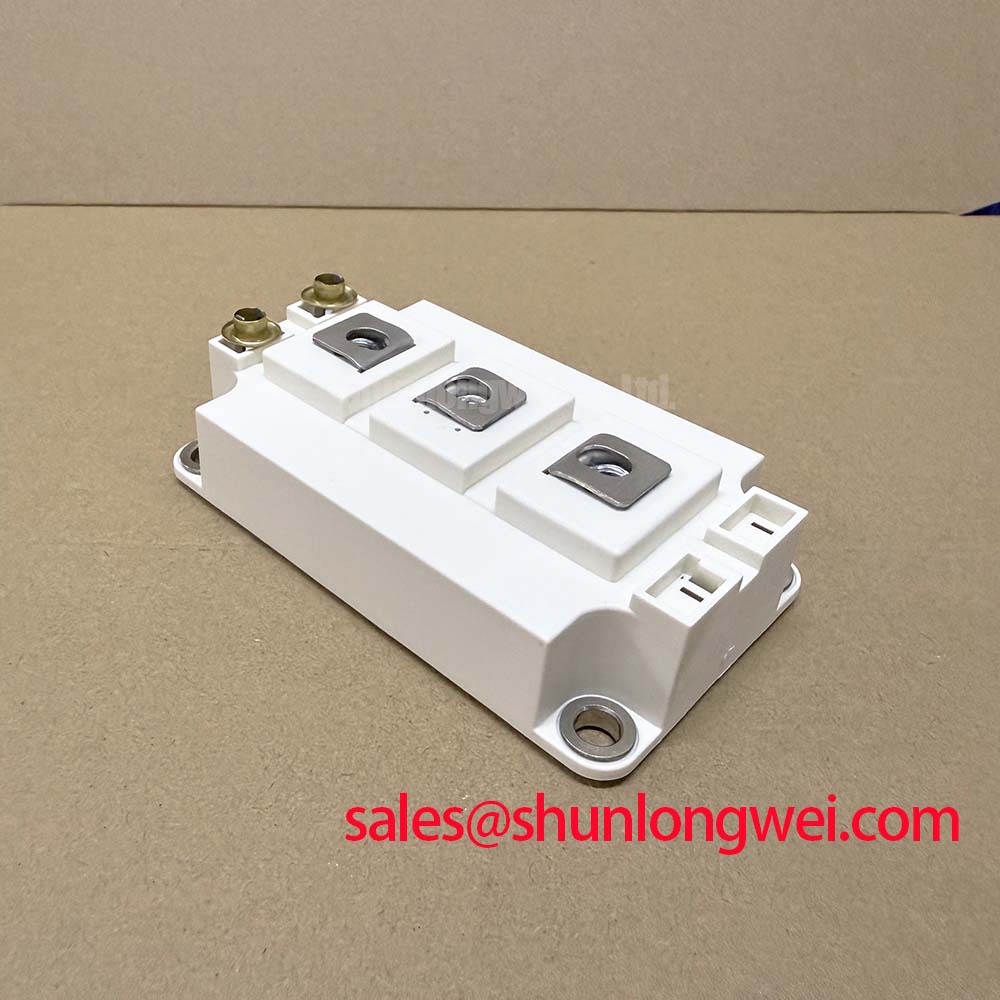
Engineered for robust power conversion, the Semikron SKM300GB123D IGBT module provides a dependable foundation for demanding inverter and drive systems. This SEMITRANS 2 module integrates N-channel, homogeneous silicon IGBTs with fast and soft inverse CAL diodes, creating a solution focused on operational integrity and thermal stability. Key specifications include a 1200V collector-emitter voltage and a 300A continuous collector current, enabling resilient performance. The design emphasizes a high short-circuit capability and latch-up free operation. This component is well-suited for engineers tackling the challenges of AC inverter drives and uninterruptible power supplies, where consistent power delivery is crucial for system uptime.
Frequently Asked Questions (FAQ)
What are the primary advantages of the CAL diodes used in the SKM300GB123D?
The integrated Controlled Axial Lifetime (CAL) diodes are engineered for fast and soft reverse recovery characteristics. For the design engineer, this translates directly to reduced voltage overshoots and electromagnetic interference (EMI) during switching, simplifying snubber circuit design and improving overall system reliability, particularly in high-frequency applications.
How does the Direct Copper Bonding (DCB) baseplate contribute to the module's performance?
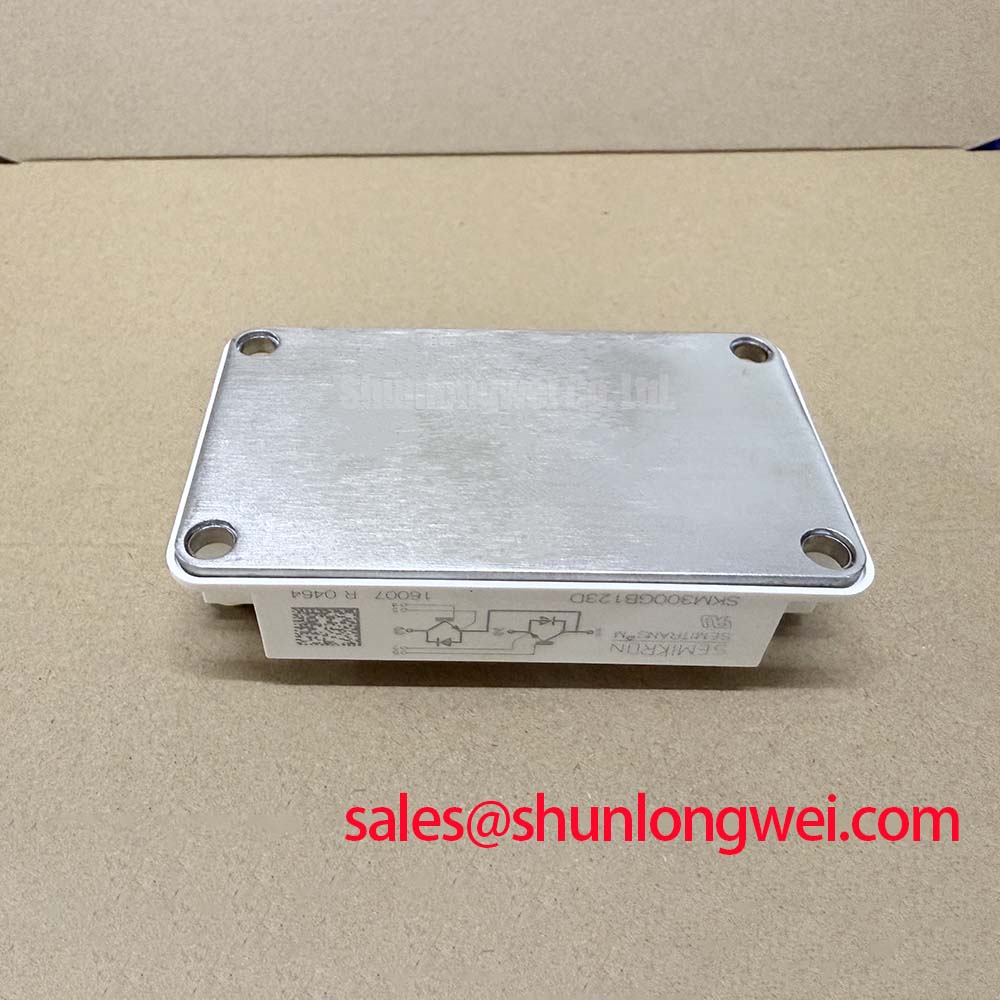
The DCB technology provides excellent electrical isolation while ensuring superior thermal conductivity between the silicon chips and the heatsink. This efficient thermal pathway is critical for managing waste heat, maintaining a lower junction temperature, and extending the operational lifespan and power cycling capability of the module under heavy loads.
Is the SKM300GB123D suitable for paralleling to achieve higher current output?
Yes, the module's design characteristics, including its positive temperature coefficient for VCE(sat), support parallel operation. However, achieving reliable current sharing requires careful attention to symmetrical busbar design, minimized stray inductances, and a well-matched gate drive circuit for all paralleled modules. For detailed guidance on this, consulting resources on IGBT Paralleling is recommended.
Key Parameters for System Design
The technical specifications of the SKM300GB123D are foundational for accurate system modeling and performance prediction. The parameters below, sourced from the official datasheet, are organized to support both electrical and thermal design phases.
| Parameter | Symbol | Condition | Value |
|---|---|---|---|
| Electrical Characteristics (IGBT) | |||
| Collector-Emitter Voltage | VCES | - | 1200 V |
| Continuous Collector Current | IC | Tc = 25 °C | 300 A |
| Collector-Emitter Saturation Voltage | VCE(sat) | IC = 200 A, VGE = 15 V, Tj = 125 °C | 3.1 V (typ.) |
| Gate-Emitter Threshold Voltage | VGE(th) | IC = 8 mA, VGE = VCE | 4.5 V (min) - 6.5 V (max) |
| Thermal & Mechanical Characteristics | |||
| Operating Junction Temperature | Tvj | - | -40 to +150 °C |
| Isolation Voltage | Visol | AC, 1 min | 2500 V |
Interpreting Key Specifications:
- Collector-Emitter Saturation Voltage (VCE(sat)): This parameter is a direct indicator of conduction losses. The specified typical value of 3.1V at a nominal current and operating temperature is a critical input for calculating the power dissipated as heat during the on-state. Think of VCE(sat) as the "voltage toll" the current must pay to pass through the switch; a lower toll means less energy is wasted as heat, leading to higher system efficiency.
- Isolation Voltage (Visol): The 2500V rating confirms the module's capability to safely isolate the high-voltage power circuit from the low-voltage control side and the heatsink. This is a fundamental safety parameter, ensuring compliance and protection against dielectric breakdown in industrial environments.
Comparative Data for Engineering Evaluation
To aid in the technical evaluation process, the following table presents key performance indicators of the SKM300GB123D alongside another device in a similar class. This data is intended to provide a factual basis for component selection based on specific design priorities.
| Parameter | SKM300GB123D | SKM300GB128D |
|---|---|---|
| Collector-Emitter Voltage (VCES) | 1200 V | 1200 V |
| Continuous Collector Current (IC @ 80°C) | 220 A | 228 A |
| Collector-Emitter Saturation Voltage (VCE(sat), typ. @ Tj=125°C) | 3.1 V | 2.15 V |
| Total Switching Energy (Eon+Eoff, typ. @ Tj=125°C) | 54 mJ | 46 mJ |
Note: All specifications are based on publicly available datasheets and may vary based on test conditions. Engineers should consult the official documents for the most accurate and complete information.
For applications where minimizing conduction losses is the primary objective, a device with a lower VCE(sat) like the SKM300GB128D may present an advantage. How does this impact system design? A lower VCE(sat) directly reduces the heat generated when the IGBT is on, potentially simplifying thermal management requirements. The SKM300GB123D's robust build and proven track record, however, make it a solid choice for systems where long-term reliability in demanding industrial drive cycles is paramount.
Industry Context: The Demand for Robust Power Modules
In sectors like industrial automation and renewable energy, the reliability of power conversion systems is directly tied to operational uptime and profitability. The shift towards higher power density in Variable Frequency Drives (VFDs) and utility-scale solar inverters places immense thermal and electrical stress on power modules. The design philosophy of the SEMITRANS family, exemplified by the SKM300GB123D, addresses this by prioritizing features that enhance durability. The use of an isolated copper baseplate and robust internal construction provides a stable platform capable of withstanding the mechanical vibrations and thermal cycling inherent in these applications, ensuring a long service life.
Technical Profile: Construction and Internal Topology
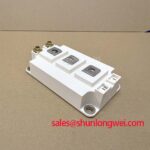
The SKM300GB123D is a dual IGBT module, often referred to as a half-bridge configuration, housed in a SEMITRANS 2 package. This industry-standard footprint facilitates both new designs and retrofits. Internally, the module leverages N-channel, homogeneous silicon IGBT technology, known for its ruggedness and high short-circuit withstand capability. What is the benefit of the module's low inductance case? It minimizes voltage overshoot during high-speed switching, protecting the device and reducing EMI. Paired with the aforementioned fast and soft inverse CAL diodes, the module forms a cohesive switching cell optimized for the demanding requirements of pulse-width modulated (PWM) inverter stages.
Deployment Snapshot: Motor Control Systems
A common deployment for the SKM300GB123D is within the three-phase inverter stage of an AC motor drive. In this setup, three such modules would be used to create a full B6 bridge. The module's 1200V rating provides a sufficient safety margin for operation on 400V, 480V, and even 575V industrial AC lines. Its 300A current handling capacity makes it suitable for controlling motors in the range of 100 to 150 kW, depending on the specific switching frequency and cooling efficiency. The robust thermal interface and high short-circuit tolerance are particularly valuable here, providing resilience against overload conditions and challenging industrial environments.
Targeted Application Areas
The performance characteristics of this module make it a strong candidate for a range of high-power switching applications. Its design focuses on providing a durable and thermally stable solution rather than pushing the limits of switching speed, making it ideal for systems where reliability is the foremost concern.
- AC Inverter Drives: Forms the core of the power stage for controlling the speed and torque of industrial motors in manufacturing, conveyance, and HVAC systems.
- Uninterruptible Power Supplies (UPS): Ensures continuous, clean power in data centers and critical facilities by providing a robust inverter/rectifier stage.
- Renewable Energy Systems: Serves as a key component in solar and wind power inverters, converting DC power to grid-compliant AC power.
Based on its VCE(sat) and thermal resistance characteristics, the SKM300GB123D is optimally deployed in systems with switching frequencies up to 8 kHz that require high operational integrity.
Design & Integration Support
For engineers integrating the SKM300GB123D into their power systems, our team can provide access to technical documentation and support materials to streamline the design process. Ensuring proper gate drive implementation and effective thermal management are critical steps to leveraging the full capability of this module. Contact us to discuss the specific requirements of your application and to request a quote for the SKM300GB123D.