Content last revised on September 10, 2026
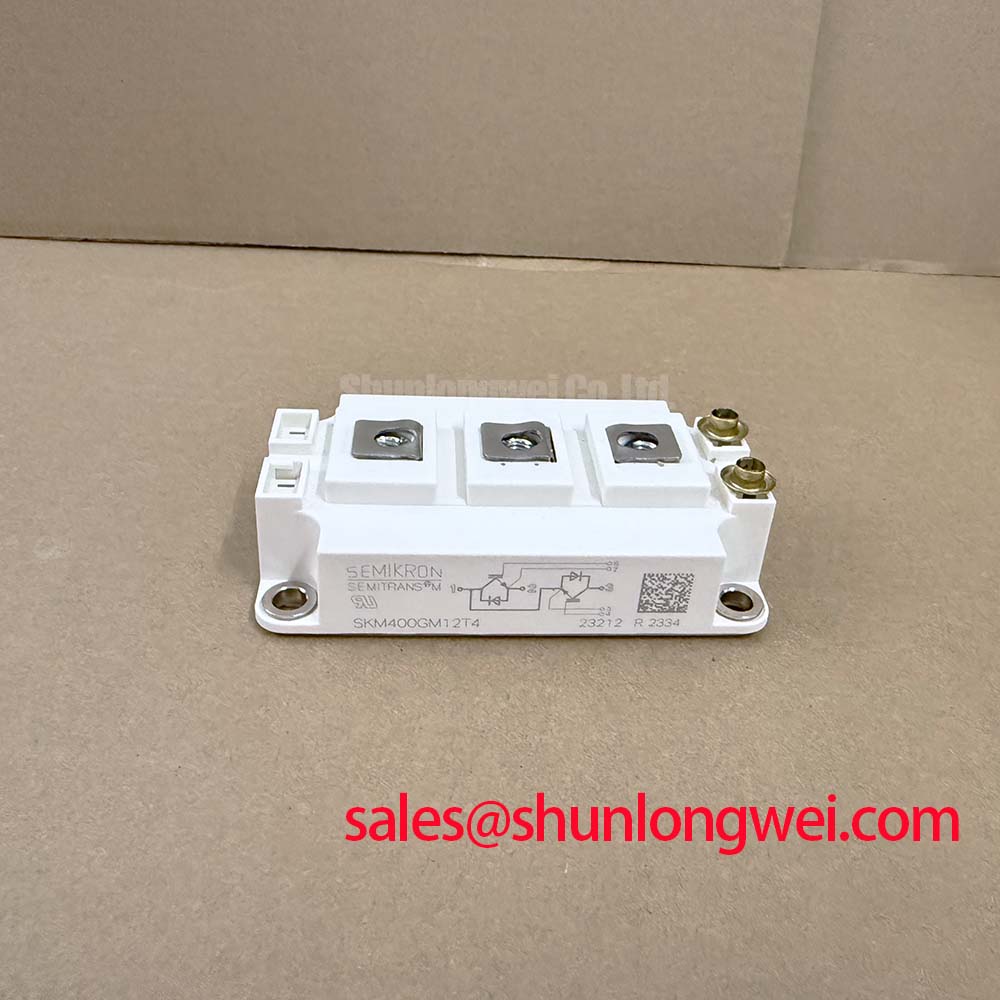
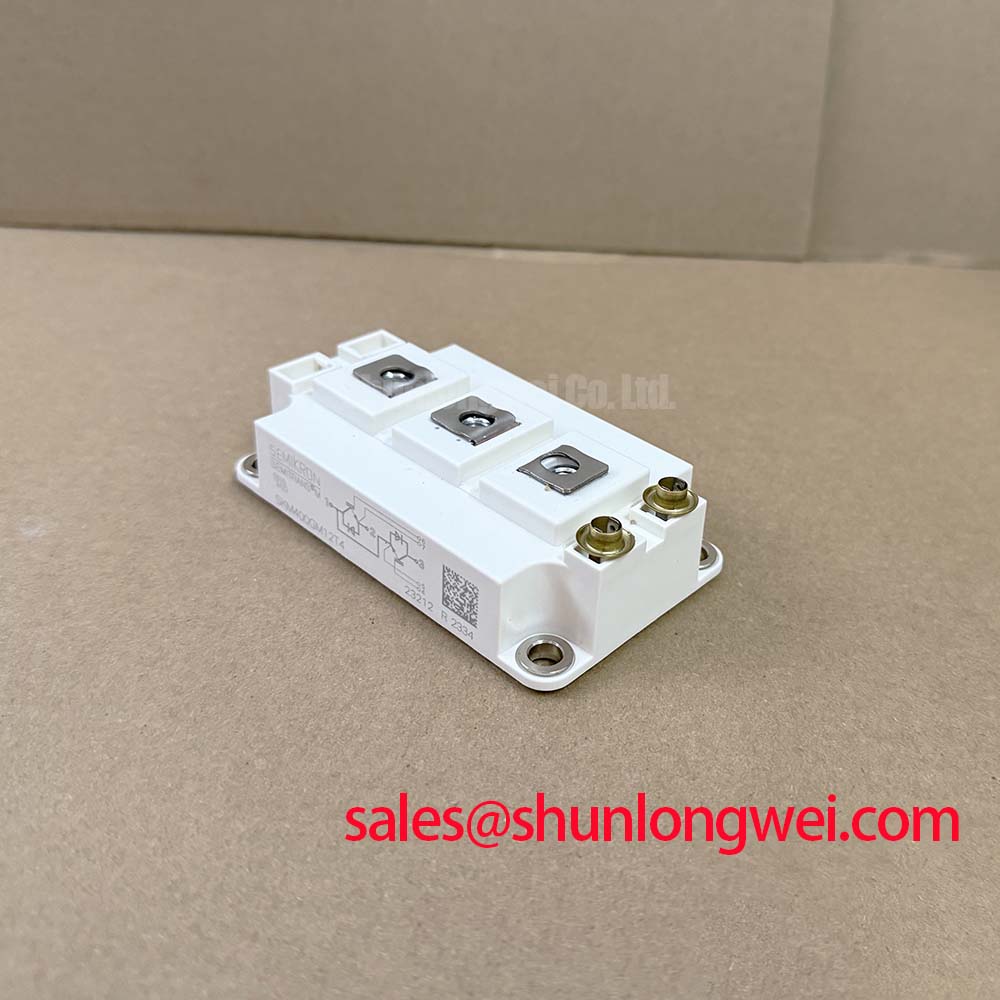
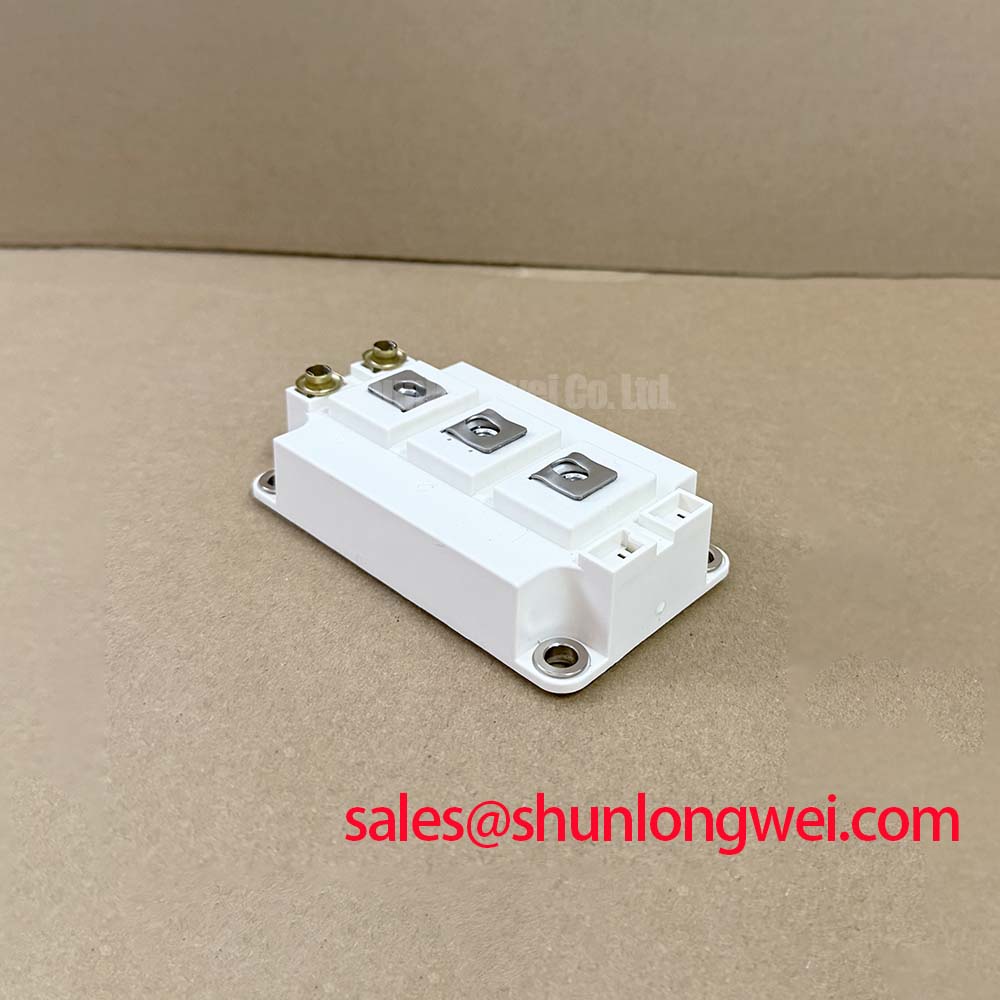
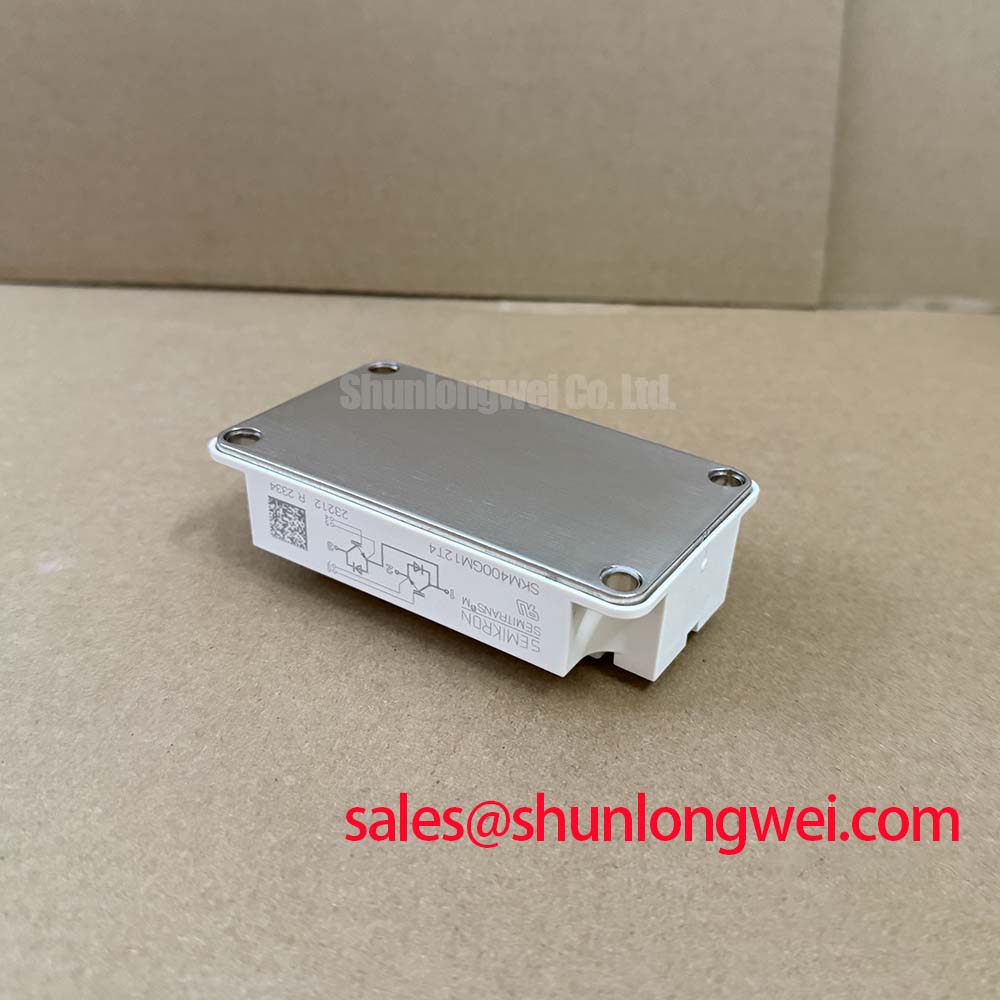
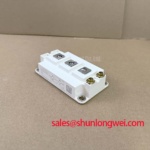
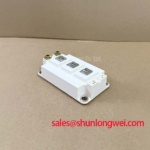
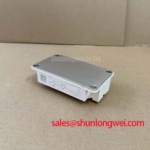
SKM400GM12T4 Semikron Trench IGBT4 1200V 400A Module
The SKM400GM12T4 is a high-performance IGBT module engineered for power conversion systems requiring superior thermal stability and switching efficiency. Leveraging advanced Trench IGBT4 technology paired with CAL 4 soft-recovery freewheeling diodes, this 1200V, 400A module offers a significant reduction in conduction losses and optimized switching performance. Designed for integration into SEMITRANS 3 housing, it provides a robust solution for engineers tackling the demanding heat dissipation requirements of industrial motor drives and renewable energy inverters. For 1200V systems prioritizing thermal margin and longevity, this Trench IGBT4 module stands as a definitive industrial-grade choice.
Key Parameter Overview
Decoding the Specs for Enhanced Thermal Reliability
The following technical specifications represent the operational boundaries and performance metrics of the SKM400GM12T4 as defined by official engineering data. Understanding these values is critical for calculating system-level efficiency and designing appropriate cooling solutions.
| Category | Parameter Description | Technical Value |
|---|---|---|
| Voltage Ratings | Collector-Emitter Voltage (Vces) | 1200V |
| Current Handling | Continuous Collector Current (Ic) @ Tc=80°C | 341A |
| Conduction | Vce(sat) Typical (Tj=25°C, Ic=400A) | 1.85V |
| Thermal Characteristics | Thermal Resistance Junction-to-Case (Rth(j-c)) | 0.058 K/W |
| Dynamics | Turn-off Energy (Eoff) @ 400A, 600V | 34 mJ |
Download the SKM400GM12T4 datasheet for detailed specifications and performance curves.
Application Scenarios & Value
Achieving System-Level Benefits in High-Power Conversion
Engineers often face the challenge of managing transient thermal spikes in high-load industrial environments. The SKM400GM12T4 addresses this through its Trench IGBT4 architecture, which ensures a positive temperature coefficient for Vce(sat), making the module naturally suited for parallel operation to scale current capacity without the risk of thermal runaway.
- Uninterruptible Power Supplies (UPS): In critical power backup systems, the low switching losses of the SKM400GM12T4 translate directly into reduced cooling costs and higher energy density.
- Industrial Motor Drives: The module’s robust 1200V rating and high short-circuit withstand time (tsc) provide a safety buffer during Variable Frequency Drive (VFD) fault conditions, protecting the wider system from catastrophic failure.
- Solar and Wind Inverters: The integration of CAL 4 diodes ensures soft switching behavior, significantly reducing electromagnetic interference (EMI) in Solar Inverter stages, which is essential for grid compliance.
While the SKM400GM12T4 is optimal for 400A nominal loads, for systems requiring even higher power density, the related SKM450GB12T4 offers an expanded current range within a similar footprint.
Technical & Design Deep Dive
The Engineering Significance of Low Thermal Resistance Rth(j-c)
The SKM400GM12T4 is housed in the industry-standard SEMITRANS 3 package, which is designed to minimize parasitic inductance and maximize heat transfer. A critical metric for reliability is the 0.058 K/W thermal resistance. To visualize this, consider Thermal Resistance as a "highway bottleneck" for heat; the lower the resistance, the faster heat can escape the silicon junction and reach the heatsink. By maintaining lower junction temperatures (Tj), the SKM400GM12T4 significantly extends the Power Cycling Capability of the system, which is paramount in Servo Drive applications where frequent load changes occur.
Furthermore, the Trench IGBT4 technology used here allows for a thinner wafer, which reduces the distance carriers must travel, thereby lowering both conduction and switching losses. This design equilibrium allows engineers to increase switching frequencies without compromising the thermal budget. For further technical context, you may explore our in-depth analysis of IGBT modules or review the hybrid structure of power semiconductors.
Frequently Asked Questions
How does the Vce(sat) of 1.85V impact the efficiency of a 150kW inverter design?
The relatively low Vce(sat) of 1.85V minimizes conduction losses, which are the primary heat source during high-current operation. In a 150kW system, this translates to lower energy dissipation per switching cycle, allowing for smaller heatsinks and contributing to a higher Total Cost of Ownership (TCO) advantage over the system's lifespan.
Does the SKM400GM12T4 require a negative gate voltage for reliable turn-off?
While the Trench IGBT4 technology is robust, it is highly recommended to use a Negative Gate Voltage (typically -5V to -15V) to prevent parasitic turn-on caused by high dv/dt transients. This ensures a stable Safe Operating Area (SOA) and prevents accidental conduction in high-noise industrial environments.
For additional insights into protecting your power stage, consult our guide on robust gate drive design or contact our technical support team for inventory availability and technical documentation.