Content last revised on March 16, 2026
Fuji Electric 2MBI300UD-120 IGBT Module: Precision Engineering for High-Speed Switching Reliability
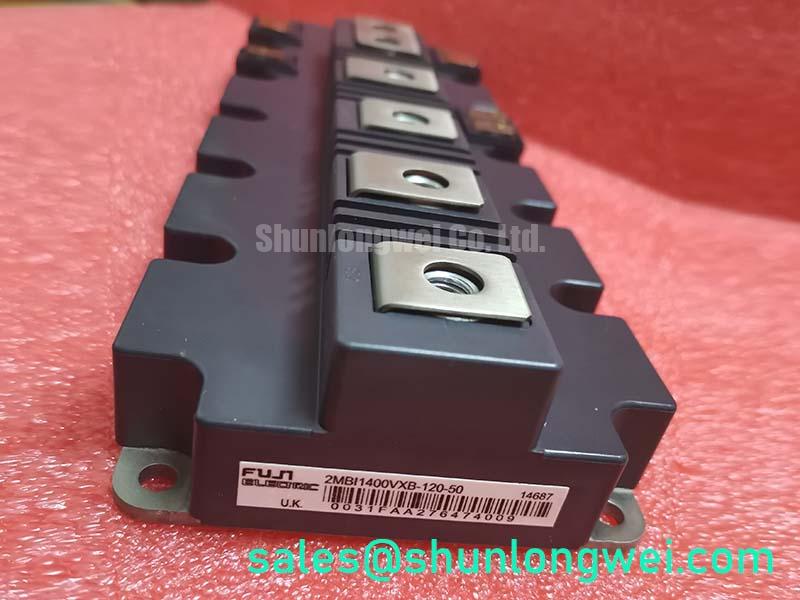
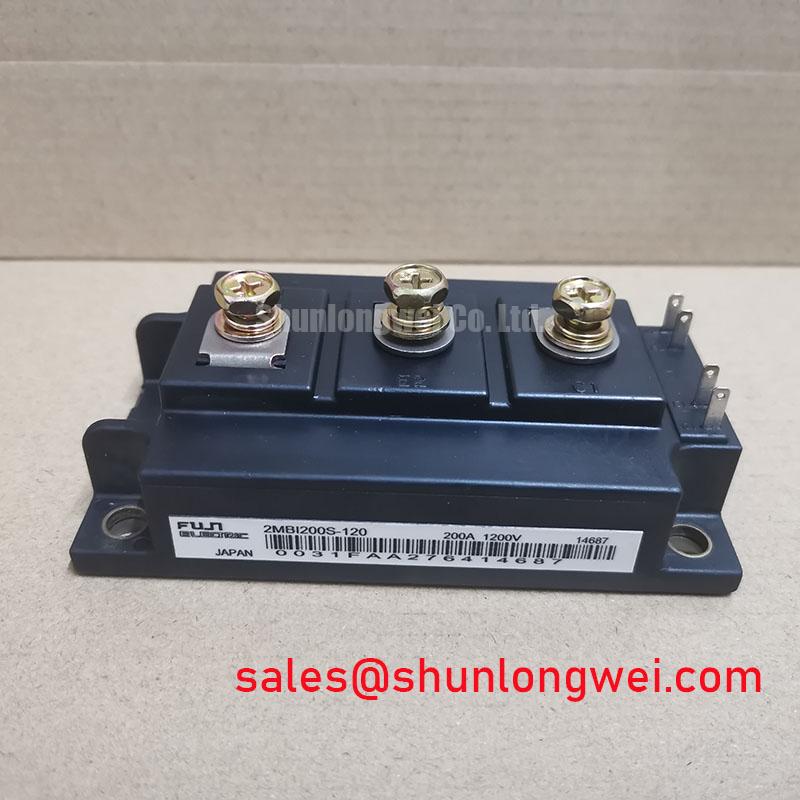
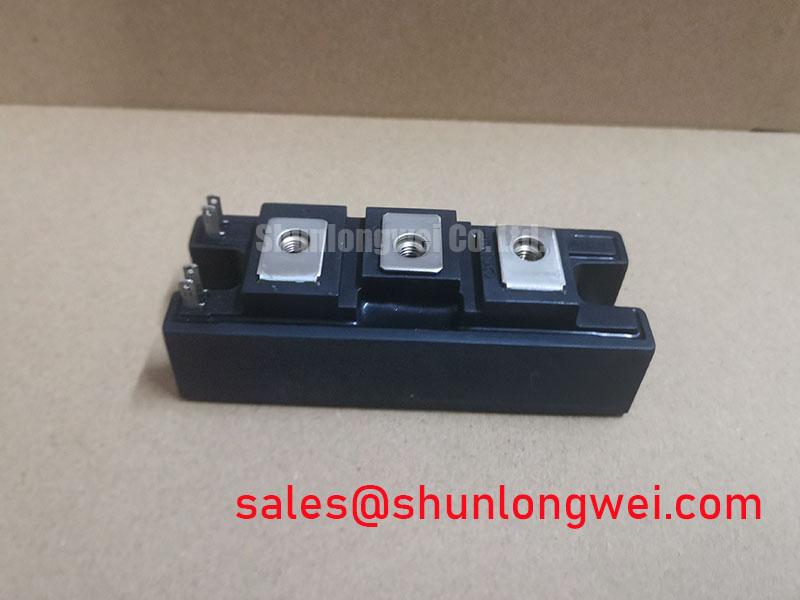
How can engineers mitigate the risk of excessive switching losses and parasitic inductance in high-power industrial inverters? This technical challenge often leads designers to seek components that offer more than just raw power. The 2MBI300UD-120, a premium IGBT Module from Fuji Electric, is specifically architected to address these pain points through its advanced trench gate technology and optimized package design. Featuring a 1200V collector-emitter voltage and a 300A collector current rating, this dual-pack module is a cornerstone for systems where efficiency and thermal management are non-negotiable. For high-frequency industrial inverters requiring 300A capacity, the 2MBI300UD-120 provides the optimal balance of speed and thermal stability.
Frequently Asked Questions
Addressing Core Engineering Concerns for 1200V Systems
How does the 1200V Vces rating of the 2MBI300UD-120 enhance safety margins in 440V/480V AC line applications?
In standard industrial 440V or 480V systems, voltage spikes and surges are common during inductive load switching. The 1200V rating provides a robust safety overhead, ensuring the device operates well within its Safe Operating Area (SOA) even during transient overvoltage events. This overhead is critical for preventing catastrophic failure in High-Efficiency Power Systems where reliability is measured in decades of operation.
What is the impact of the "U-Series" trench technology on overall system efficiency?
The "U-Series" designation signifies Fuji Electric's refined trench gate structure, which significantly reduces the collector-emitter saturation voltage Vce(sat). Lower Vce(sat) translates directly to reduced conduction losses. When combined with its high-speed switching characteristics, the 2MBI300UD-120 allows for higher carrier frequencies, which can lead to smaller, lighter filter components and improved motor control precision.
Does this module feature an integrated thermistor for real-time thermal monitoring?
While specific variants of the U-series may differ, the standard 2MBI300UD-120 architecture focuses on high power density. Engineers typically utilize the low thermal resistance Rth(j-c) to design external sensing circuits. For systems requiring even higher levels of integrated protection, exploring the PM150CVA120-2 Intelligent Power Module (IPM) might be relevant as it offers built-in logic for over-temperature and short-circuit protection.
What measures are taken in the module design to minimize internal inductance?
The physical layout of the 2MBI300UD-120 utilizes a low-inductance internal bus bar structure. This is vital for high-speed switching because it reduces voltage overshoots during the turn-off phase. Minimizing inductance allows the module to switch at higher speeds without exceeding the RBSOA (Reverse Bias Safe Operating Area) limits, thereby protecting the silicon from voltage-induced stress.
Key Parameter Overview
Decoding the Specs for Enhanced Thermal Reliability
| Technical Specification | Value / Rating | Engineering Significance |
|---|---|---|
| Collector-Emitter Voltage (Vces) | 1200V | Ensures adequate blocking voltage for industrial AC line transients. |
| Collector Current (Ic) | 300A (at Tc=25°C) | Supports heavy-duty motor drives and high-capacity UPS systems. |
| Vce(sat) (Typical) | 2.30V | Reduced conduction losses improve overall inverter energy efficiency. |
| Switching Frequency | Optimized for 10kHz - 15kHz | Enables quiet and precise motor control with minimal audible noise. |
| Isolation Voltage | 2500V AC (1 min) | Meets international safety standards for high-voltage isolation. |
Download the 2MBI300UD-120 datasheet for detailed specifications and performance curves.
Technical Deep Dive
A Closer Look at Trench Technology and Switching Dynamics
The 2MBI300UD-120 utilizes a sophisticated trench gate structure that minimizes the "on-state" resistance without sacrificing switching speed. Think of the trench gate like a multi-lane highway built vertically through the silicon; it allows for a much higher density of current carriers in a smaller area compared to older planar structures. This high power density is what allows a module of this size to handle 300A continuously.
Furthermore, the Safe Operating Area (SOA) of this module is exceptionally robust. During short-circuit conditions, the device is designed to withstand a Short-Circuit Withstand Time of typically 10 microseconds, providing the Gate Drive circuitry sufficient time to detect the fault and safely shut down. This "ruggedness" is a defining characteristic of Fuji Electric's power semiconductors, ensuring that the 2MBI300UD-120 remains a reliable switch even under abnormal load conditions. For designers looking to scale up current handling while maintaining the same 1200V platform, the 6MBI450U-120 offers a higher current rating for larger system architectures.
Application Scenarios & Value
Achieving System-Level Benefits in Industrial Power Conversion
The 2MBI300UD-120 is a versatile component found in a variety of high-performance environments. Its primary application is in Variable Frequency Drives (VFD), where it serves as the critical switching element that converts DC power into variable AC power to control industrial motors. By utilizing the 300A capacity of this module, engineers can design drives that handle heavy machinery with smooth, precise torque control.
In addition to motor control, this module is an excellent fit for Uninterruptible Power Supplies (UPS) and Solar Inverters. In these applications, the low switching losses of the 2MBI300UD-120 are paramount for maximizing the energy yield from photovoltaic strings or ensuring efficient battery discharge during power outages. Its thermal efficiency allows for more compact heatsink designs, which is a major advantage in space-constrained cabinet installations. For specialized solar topologies that may benefit from different configurations, the 1MBI300SA-120B offers a single-switch alternative for different circuit designs.
Strategic integration of the 2MBI300UD-120 into modern power electronics is more than a component choice; it is a commitment to long-term system reliability and efficiency. By aligning its low Vce(sat) and superior switching characteristics with advanced thermal management techniques, manufacturers can deliver products that meet the rigorous demands of the global energy transition and Industrial 4.0 standards. For a deeper understanding of selecting the right power semiconductors for your next project, consult our guide on IGBT vs MOSFET vs BJT.