Content last revised on August 28, 2026
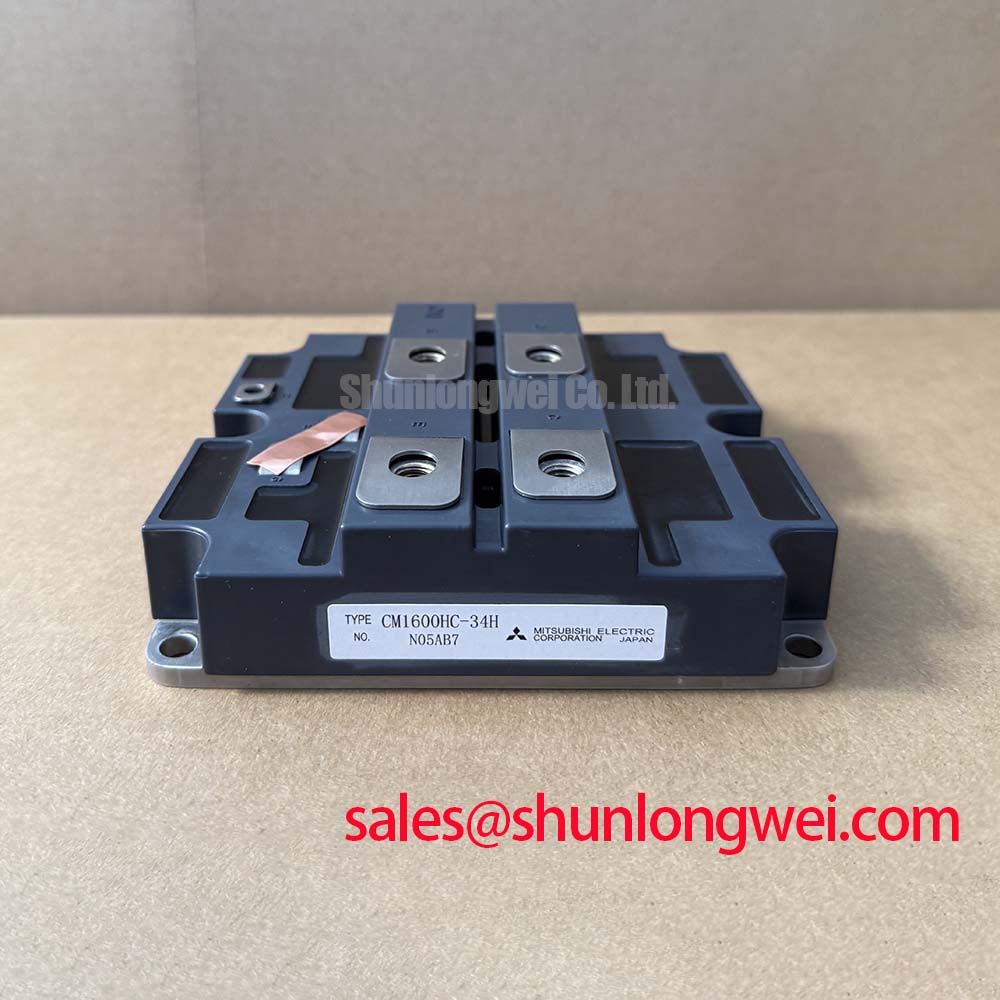
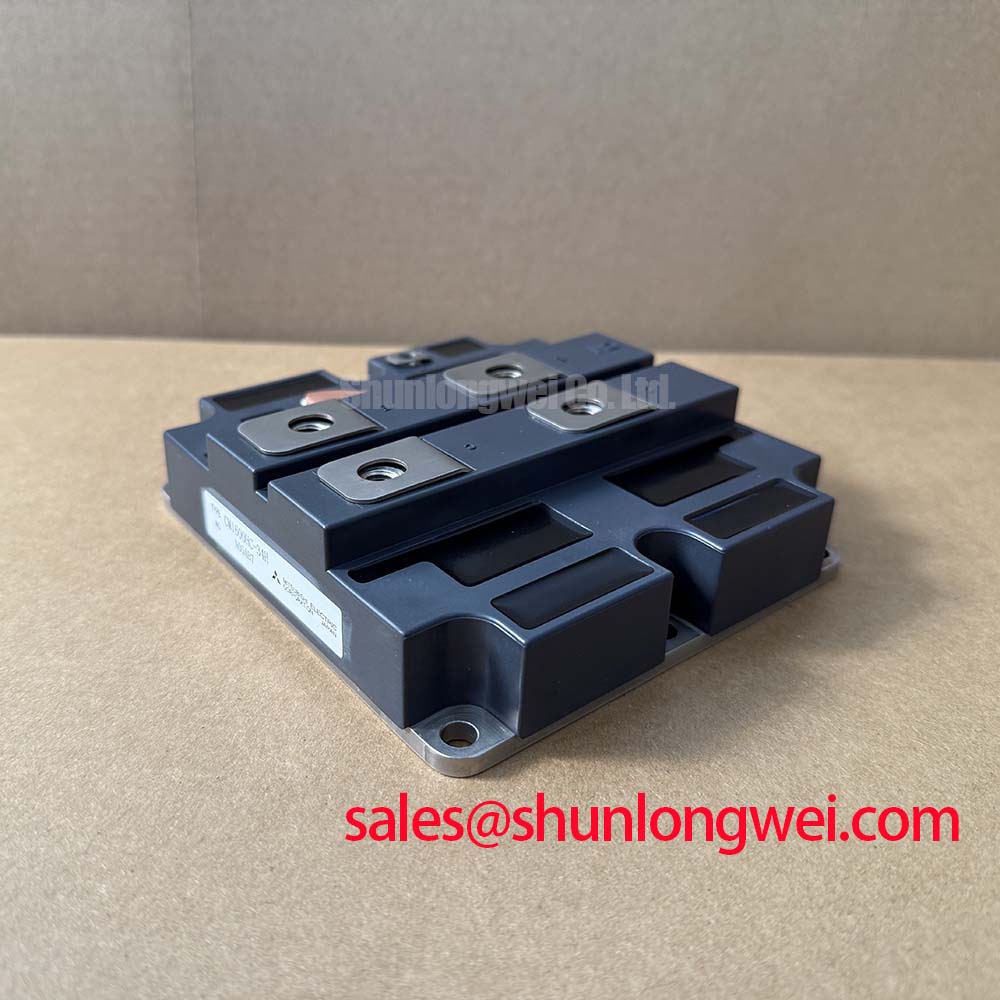
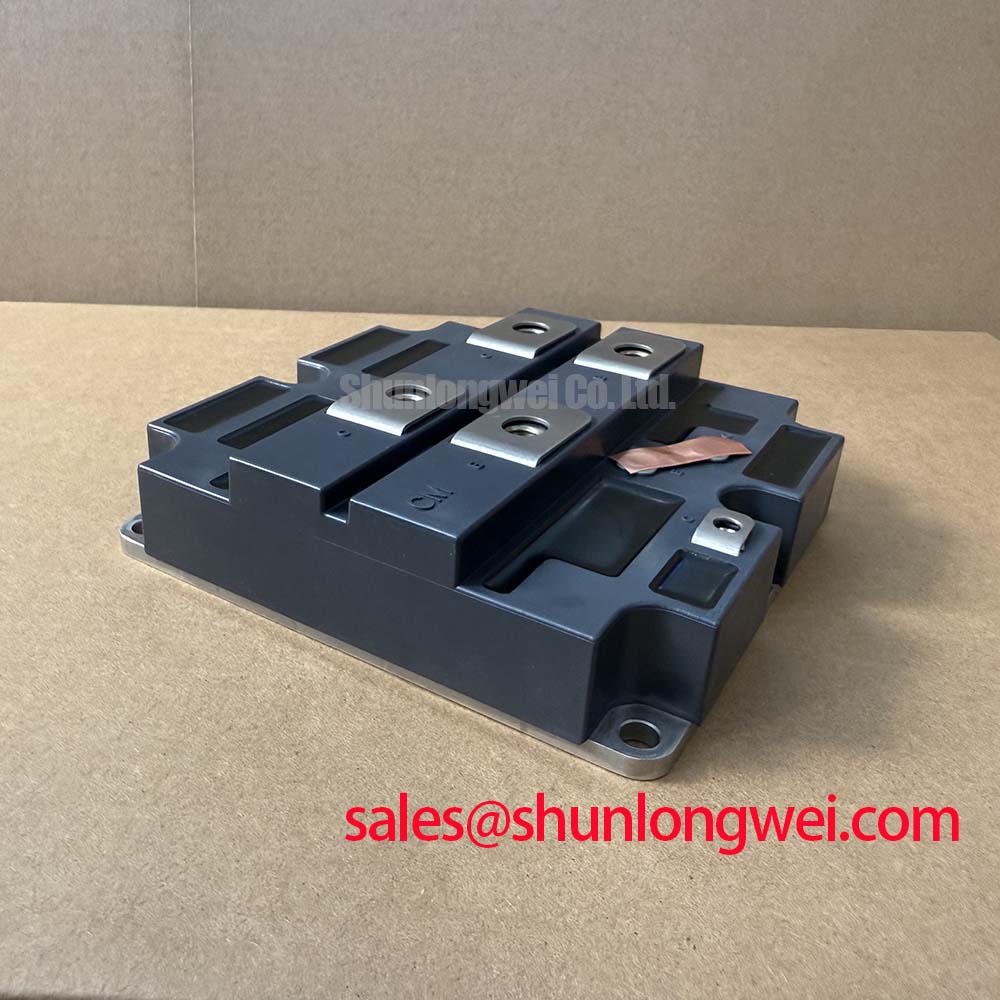
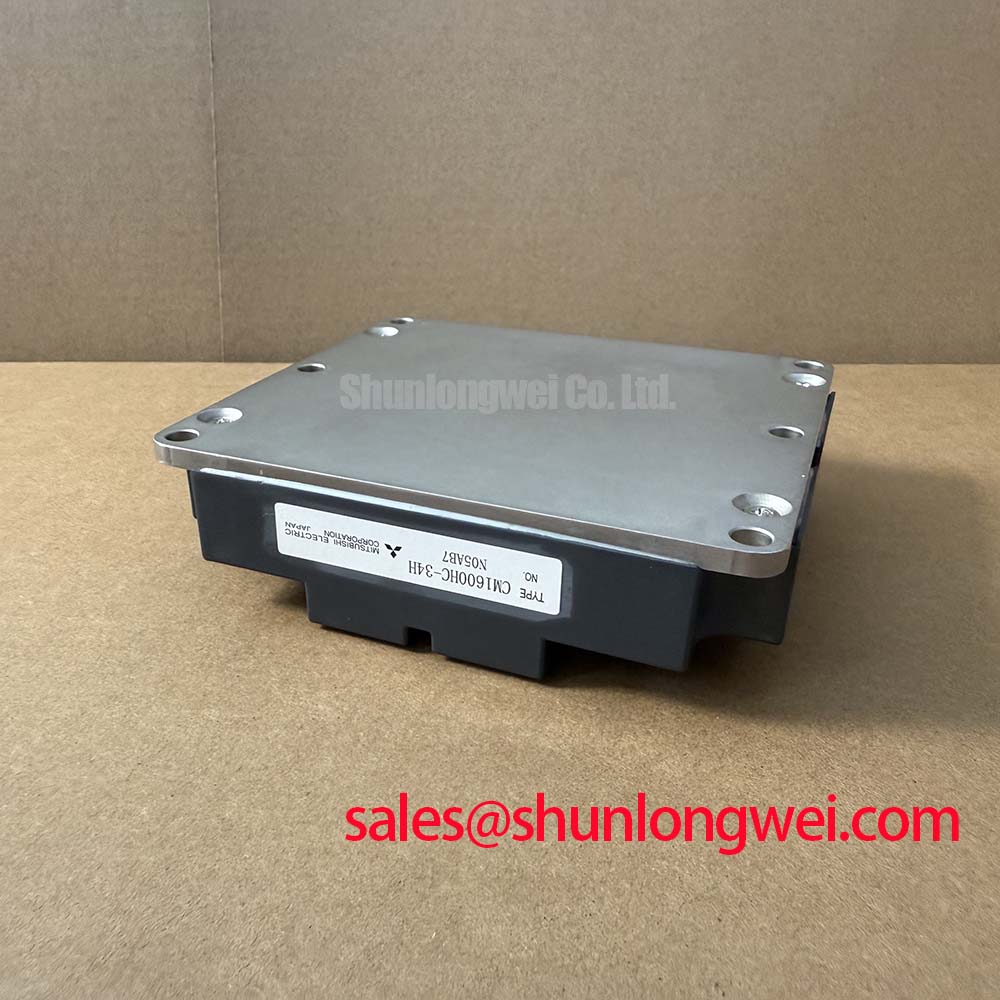
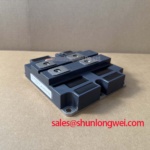
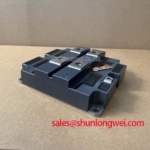
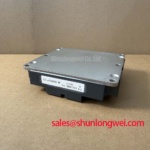
CM1600HC-34H Mitsubishi 1700V 1600A HVIGBT Module
The CM1600HC-34H is a high-power 1700V 1600A single IGBT Module engineered for demanding high-voltage infrastructure where switching density and long-term thermal stability are non-negotiable. Utilizing Mitsubishi’s proprietary CSTBT™ (Carrier Stored Trench-Gate Bipolar Transistor) technology, this module provides an optimized balance between low on-state voltage and rugged short-circuit endurance. It significantly reduces power loss in multi-megawatt systems while maintaining the high reliability required for heavy-duty traction and grid-tie applications. For 1700V systems prioritizing maximum current density, the CM1600HC-34H serves as a robust foundational component. What is the primary benefit of its CSTBT™ technology? It dramatically improves carrier distribution within the chip, resulting in a lower VCE(sat) and enhanced efficiency. For railway traction and wind energy converters requiring a 1700V blocking voltage and 1600A capacity, the CM1600HC-34H is the optimal high-density choice.
Application Scenarios & Value
Achieving System-Level Efficiency in Railway and Grid Infrastructure
Engineers often face the critical challenge of maximizing current throughput while minimizing the footprint of traction converters in weight-sensitive rolling stock. The CM1600HC-34H addresses this by offering a massive 1600A rating in a single HVIGBT package. This high current density allows designers to reduce the number of paralleled modules, thereby simplifying the busbar layout and reducing parasitic inductance. In a typical Variable Frequency Drive (VFD) for heavy locomotive traction, the 1700V rating provides the necessary safety margin for DC link voltages commonly found in 750V to 1200V rail systems.
Beyond rail, the module is a cornerstone for wind power inverters and HVDC systems. The CSTBT™ architecture functions much like a sophisticated traffic management system, optimizing the flow of charge carriers to minimize conduction losses without compromising the Short-Circuit Withstand Time. This is vital for Solar Inverters where grid faults require the module to survive transient overcurrent events. While this 1700V module is ideal for high-current industrial grids, for systems requiring significantly higher voltage blocking capabilities, the related CM1200HC-66H offers a 3300V rating for specialized medium-voltage drives. Additionally, for smaller auxiliary power units requiring lower current, the RM600HD-34S may be considered to maintain design consistency within the same power series.
Industry Insights & Strategic Advantage
Evaluating the Shift Toward High-Current Density Switching
The global transition toward Renewable Energy and modernized Electric Vehicle (EV) rail infrastructure has shifted the focus from simple voltage blocking to the total cost of ownership (TCO) through efficiency. In this context, the CM1600HC-34H offers a strategic advantage by lowering the Thermal Resistance (Rth(j-c)). Lower thermal resistance is akin to a wider "heat highway," allowing generated heat to exit the silicon faster, which permits the chip to operate at higher switching frequencies without exceeding its Tj(max). This performance characteristic is essential for meeting IEC 61800-3 EMC standards while maintaining high output quality.
Strategically, utilizing the CM1600HC-34H aligns with current industry trends favoring modularization and power density. As grid-tie converters move toward the megawatt scale, the reliability of the internal Kelvin Emitter connection becomes paramount. This connection prevents gate-signal distortion caused by the high main-emitter current, ensuring clean switching transitions even at the 1600A peak. By adopting Mitsubishi’s 7th Gen design principles, engineers can achieve superior Power Cycling Capability, reducing the frequency of maintenance cycles in remote wind farms or busy metropolitan transit networks. For more context on these design principles, refer to the Engineer’s Ultimate Guide to IGBT Modules.
Key Parameter Overview
Decoding Technical Specifications for System Integration
The following technical data is derived from the official Mitsubishi documentation for the H-Series HVIGBT. Designers should consult the full IGBT datasheet guide for curve analysis.
| Symbol | Parameter Description | Typical Value / Rating |
|---|---|---|
| VCES | Collector-Emitter Voltage | 1700V |
| IC | Collector Current (Continuous) | 1600A |
| VCE(sat) | Collector-Emitter Saturation Voltage | 2.1V (Typical) |
| VGES | Gate-Emitter Voltage | +/- 20V |
| Rth(j-c) | Thermal Resistance (Junction-to-Case) | 0.012 K/W (IGBT) |
| Package | Module Housing Type | High-Power HVIGBT (H-Series) |
Download the CM1600HC-34H datasheet for detailed specifications and performance curves via the manufacturer's official portal Mitsubishi Electric Power Devices.
Frequently Asked Questions
Engineering and Integration Insights for CM1600HC-34H
How does the Rth(j-c) of 0.012 K/W impact the design of the cooling system for the CM1600HC-34H?
The extremely low Thermal Resistance allows for efficient heat transfer to the baseplate. In practical terms, this means the system can either use a more compact liquid-cooling block or operate at higher current densities without reaching critical junction temperatures, directly enabling the 1600A continuous rating.
What is the significance of the 1700V rating for 1500V DC link applications?
The 1700V VCES provides a safety overhead against voltage spikes caused by stray inductance during high-speed switching. This is particularly important in Solar Inverters where high DC bus voltages require robust SOA (Safe Operating Area) margins.
Can the CM1600HC-34H be paralleled for higher power output?
Yes, but IGBT Paralleling at this current level requires careful consideration of Gate Drive symmetry and busbar inductance. The positive temperature coefficient of the VCE(sat) at high currents inherently helps with current sharing between modules.
Does this module feature an integrated Free-Wheeling Diode?
Yes, as an IGBT Module designed for converter applications, it includes a fast-recovery diode co-packaged with the IGBT to handle inductive load currents during the off-state.
What gate voltage is recommended for optimal switching performance?
While the VGES limit is +/- 20V, standard practice for HVIGBTs like the CM1600HC-34H involves using a +15V turn-on voltage and a Negative Gate Voltage (e.g., -10V) for turn-off to prevent parasitic turn-on due to Miller capacitance.